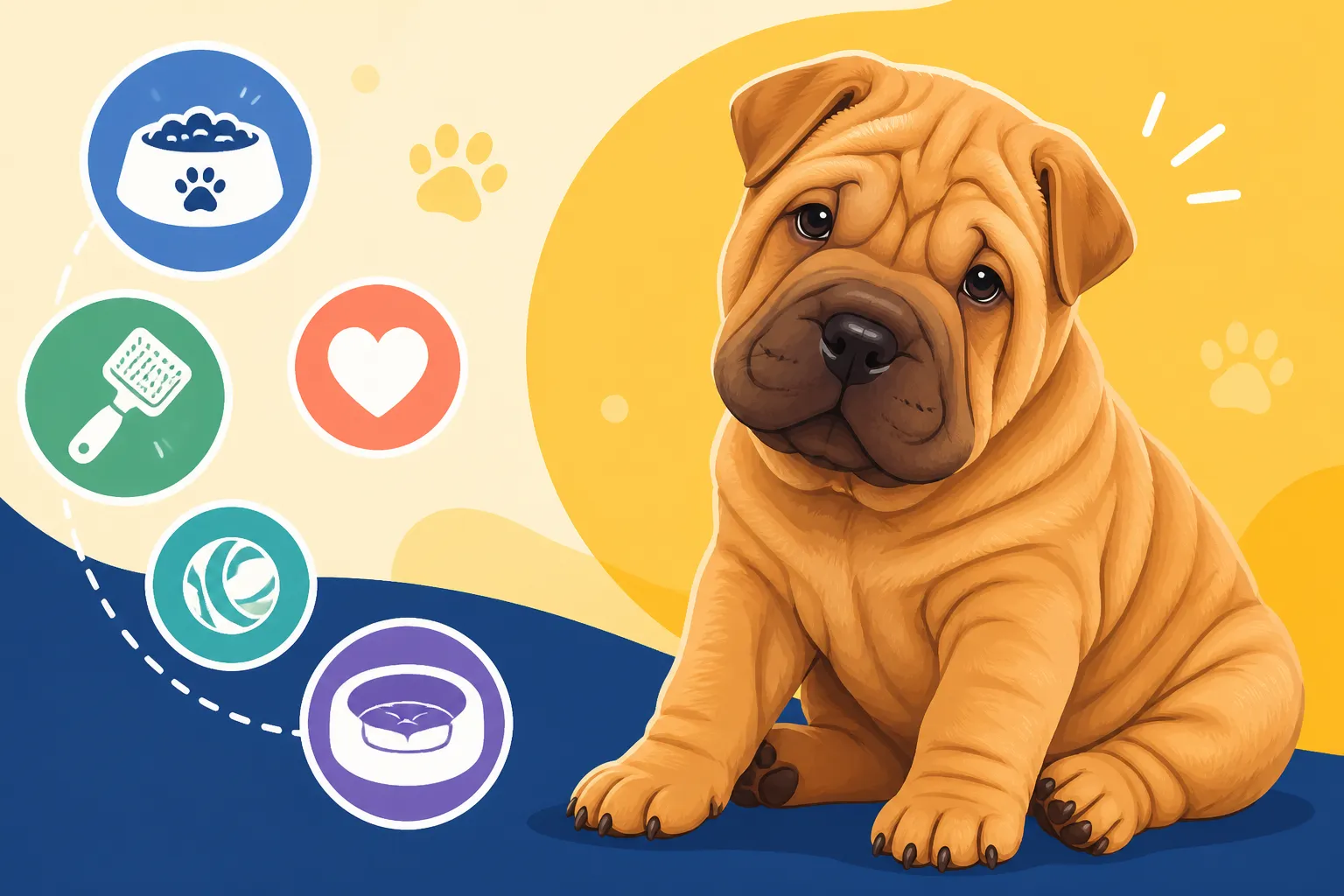
The First Year With a Shar Pei Puppy
Bringing a Shar Pei puppy into your home is an adventure filled with unique joys and, let's be honest, a fair few challenges that only this incredible breed can present. You're not just getting a cute, wrinkly face; you're welcoming a complex creature with a rich history and distinct needs. This guide will walk you through that crucial first year, helping you understand their quirky behaviors, navigate potential health issues, and build a strong, loving bond with your new family member.
Bringing Your Shar Pei Puppy Home: The Initial Setup
The moment you decide to bring a Shar Pei puppy home is exhilarating, but it's also the beginning of a lot of thoughtful preparation. This isn't just about picking out a cute collar; it's about creating an environment where your unique new family member can thrive, feel safe, and start to understand its place in your world.
Preparing Your Home and Family
Before your little Shar Pei bundle of wrinkles even steps paw inside, your home needs a puppy makeover. Think of it like baby-proofing, but for a curious, sometimes mischievous, canine. All electrical cords should be secured or hidden, any toxic plants moved to inaccessible heights, and small, chewable objects put away. A teething Shar Pei puppy doesn't discriminate between a chew toy and your favorite shoe, or worse, something dangerous.
Beyond physical safeguards, prepare your family. If you have children, now is the time to teach them how to interact gently and respectfully with a puppy. Shar Pei can be sensitive to sudden movements or loud noises, especially if their peripheral vision is limited by their wrinkles. Establishing clear rules for everyone, such as not disturbing the puppy while it's eating or sleeping, is paramount for building trust and preventing misunderstandings.
You’ll also want to designate a quiet, safe space just for your puppy. This might be a crate in a low-traffic area or a corner with a cozy bed. This personal haven will be crucial during the first few days and weeks, offering a retreat when your puppy feels overwhelmed or just needs a nap away from the hustle and bustle of family life. It’s their safe zone, and everyone in the family needs to respect it.
The First Few Days: Settling In
Those first few days are all about calm and consistency. Your puppy has just left everything familiar – its mother, siblings, and the only home it's ever known. It’s a huge transition! When you bring your Shar Pei puppy home, resist the urge to throw a big "welcome party." Instead, aim for a quiet introduction to its new surroundings. Let them explore at their own pace, sniff every corner, and discover their food and water bowls.
Establish a routine from day one. Puppies thrive on predictability, and a Shar Pei, with its independent streak, will appreciate knowing what to expect. This includes consistent feeding times, regular potty breaks (which will be very frequent in the beginning!), and designated times for play and rest. A consistent routine minimizes anxiety and helps them adjust more quickly to their new life.
Patience is your absolute best friend during this period. There will be accidents, there might be some crying at night, and your puppy might seem a little overwhelmed. Avoid harsh corrections and instead, focus on positive reinforcement. Celebrate every small success, like a successful potty break outside or a moment of calm in their crate. Building a strong foundation of trust and positive association now will pay dividends throughout their life.
Essential Supplies for Your Shar Pei Puppy
Having the right gear makes a world of difference. Before your puppy arrives, make a checklist and get everything ready. First and foremost, a well-sized crate is non-negotiable. It should be large enough for them to stand, turn around, and lie down comfortably, but not so large that they can designate a "bathroom" area. Many crates come with dividers, allowing you to adjust the size as your puppy grows.
You’ll also need sturdy food and water bowls, preferably stainless steel or ceramic, which are easy to clean. Toys are essential for mental stimulation and to redirect that powerful Shar Pei chewing instinct away from your furniture. Look for durable chew toys, puzzle toys, and soft comfort toys. Amazon has a fantastic selection of all these items, often with reviews from other pet parents to guide your choices.
Don't forget a comfortable bed, a leash and collar (or harness, which some Shar Pei prefer for comfort around their neck folds), and cleaning supplies for inevitable accidents. Enzyme cleaners are fantastic for neutralizing odors and discouraging repeat offenses. Having everything set up and ready to go before your puppy arrives will reduce stress for both of you, allowing you to focus on bonding.
Early Socialization: Building a Confident Shar Pei
Socialization is arguably the most critical aspect of raising a well-adjusted Shar Pei. Given their natural protective instincts and sometimes wary nature, getting this right in puppyhood is paramount. It’s about exposing them to the world in a positive, controlled way, not overwhelming them.
The Critical Socialization Window
There's a magical, fleeting period in a puppy's life, typically between 8 and 16 weeks of age, known as the critical socialization window. During this time, puppies are like little sponges, absorbing experiences and forming impressions that will shape their personality for life. For a Shar Pei, this window is even more important due to their inherent guarding tendencies and potential for aloofness. Missing this opportunity can lead to an adult dog that is fearful, reactive, or overly protective.
Think of it as setting the stage for their future comfort with the world. Positive experiences during this time teach them that new sights, sounds, people, and other dogs are not threats, but simply part of life. Every new, pleasant encounter contributes to their confidence and resilience. It's not about making them love every stranger, but about teaching them to be calm and accepting in various situations.
The challenge is often balancing this critical socialization with the need to protect puppies from diseases before their vaccinations are complete. Talk to your vet about safe socialization strategies. Often, low-risk environments like puppy classes (where all participants are vaccinated and healthy) or controlled interactions with known, healthy, fully vaccinated adult dogs are recommended. As I've often said, The Age a Shar Pei's Socialization Window Closes faster than you think, so make the most of it.
Safe and Positive Exposure
Socialization isn't just about meeting other dogs; it's a comprehensive exposure plan. This means introducing your Shar Pei puppy to a wide variety of people of different ages, genders, and appearances (wearing hats, glasses, carrying bags). It also means exposing them to different sounds – traffic, vacuum cleaners, doorbells, children playing – and different environments like busy streets (from a distance at first), parks, and even car rides. The key is to keep all these experiences positive and non-threatening.
Always maintain control and ensure your puppy feels safe. Short, frequent exposures are far better than one long, overwhelming session. If your puppy seems anxious, move them further away from the stimulus until they relax, then gradually try again. Pair these experiences with high-value treats and praise. For example, if you're introducing them to a new sound, play the sound quietly while giving them treats.
When it comes to other dogs, seek out calm, well-socialized adult dogs who are known to be gentle with puppies. A bad experience with another dog can create lasting fear or aggression issues. Supervised "play dates" in a secure yard are much better than unsupervised interactions at a dog park, especially for a young Shar Pei who may already be predisposed to being less dog-friendly. Remember, the goal is quality over quantity.
Managing Shar Pei-Specific Social Challenges
Shar Pei can present unique socialization challenges due to their breed traits. Their deep-set eyes and wrinkled brows often limit their peripheral vision. This means they can be easily startled by things approaching from the side or behind, which can lead to defensive reactions. It’s not aggression; it's often surprise or fear. Understanding this is key to managing their interactions. This is why Why a Shar Pei Startles: It Cannot See You Coming is such an important concept to grasp.
You'll also notice their natural wariness of strangers. A Shar Pei isn't typically the type to greet everyone with a wagging tail. They tend to be reserved, observing new people from a distance before deciding whether to engage. Don't force interactions. Allow them to approach people on their own terms, and encourage visitors to let the puppy come to them, rather than leaning over and trying to pet them immediately. A calm, respectful approach works best.
Another aspect is their independent nature. While you want them to be comfortable in various social settings, don't expect them to be the life of the party. Celebrate their comfort and calm acceptance, rather than trying to push them into being overly gregarious. Consistent positive experiences, patience, and understanding their unique breed characteristics will help your Shar Pei grow into a confident, well-mannered companion, even if they choose their friends carefully.
House Training and Basic Obedience: Laying the Foundation
House training and basic obedience are the cornerstones of a harmonious relationship with your Shar Pei. While they have a reputation for being strong-willed, a consistent, positive approach will yield fantastic results. It's about clear communication and building good habits from day one.
Mastering Potty Training
Potty training might seem like a daunting task, but it’s entirely achievable with a Shar Pei. These dogs are generally quite clean by nature, often preferring not to soil their sleeping areas, which is a big help. The key is consistency and frequent trips outside. For a young puppy, this means taking them out every hour or two, immediately after waking up, after eating or drinking, and before bedtime.
When you take them out, go to the same spot each time. This helps them associate that area with doing their business. Use a consistent phrase like "go potty" and then reward them lavishly with praise and a high-value treat the moment they finish. Don’t rush back inside; give them a few minutes to explore as a reward, but make sure the main "event" is acknowledged immediately.
Accidents will happen, and that’s okay. Never punish your puppy for an indoor accident; they won't understand what they did wrong and it can damage your bond. Instead, clean it thoroughly with an enzymatic cleaner to remove all traces of odor. If you catch them in the act, calmly interrupt them, pick them up, and take them outside to their designated spot. Patience, consistency, and positive reinforcement are the keys to success. You'll be surprised How Easily a Shar Pei House Trains with the right approach.
The Benefits of Crate Training
Crate training is one of the most valuable tools you can use with your Shar Pei puppy. Far from being a punishment, a crate becomes their safe, personal den – a place where they can retreat, feel secure, and relax. For a breed that appreciates its own space, this can be incredibly beneficial. It aids immensely in house training, as dogs are naturally reluctant to soil their sleeping quarters.
Introduce the crate gradually and make it a positive experience. Feed meals inside the crate, toss treats and toys in there, and never use it for punishment. Start with short periods, gradually increasing the time they spend in it. A cozy blanket and a favorite chew toy can make it an inviting space. Over time, your Shar Pei will likely view their crate as their bedroom, a calm sanctuary.
Beyond house training, a crate provides a safe place for your puppy when you can't directly supervise them. This prevents destructive chewing or accidents around the house. It also makes traveling safer and less stressful, as they'll have a familiar, secure space wherever you go. From my experience, Crate Training a Shar Pei Puppy is one of the best investments you can make in their early development, providing security and structure.
Teaching Essential Commands
Basic obedience training should start as soon as your Shar Pei puppy comes home. Simple commands like "sit," "stay," "come," and "down" are not just tricks; they are vital for safety and communication. Positive reinforcement methods work best with Shar Pei, who can become resistant to harsh or punitive training techniques. Use treats, praise, and gentle encouragement to motivate them.
Keep training sessions short, fun, and frequent. Puppies have short attention spans, so five-minute sessions a few times a day are more effective than one long, tedious session. Always end on a positive note. A great resource for structured training that you can do at home is the BAXTER & Bella online puppy school. They provide step-by-step guidance that's perfect for new puppy owners learning the ropes.
Leash training is another essential skill. Start by simply letting your puppy wear a lightweight collar or harness for short periods, then introduce the leash indoors. Make it a positive experience by associating the leash with treats and praise. When you move outside, practice loose-leash walking in a quiet area, rewarding them for staying by your side. Remember that How Long a Shar Pei's Training Session Should Be is always determined by their engagement and focus, so keep it snappy!
Navigating Shar Pei Health Challenges in the First Year
The first year with a Shar Pei puppy often brings a crash course in their breed-specific health concerns. While these issues can be worrisome, early recognition and proactive management are key to keeping your puppy healthy and happy.
Recognizing and Addressing Entropion
One of the most common issues in Shar Pei puppies, and often one of the first you'll encounter, is entropion. This condition occurs when the eyelid rolls inward, causing the eyelashes and fur to rub against the cornea of the eye. It's incredibly uncomfortable, can be very painful, and if left untreated, can lead to corneal ulcers, scarring, and even permanent vision damage. You'll often see puppies with their eyes squinted shut, tearing excessively, or with cloudy eyes.
It's absolutely crucial to take this seriously. Entropion in a Shar Pei Puppy Is an Emergency, Not a Cosmetic Issue, even if it seems mild. This isn't just about appearances; it's about preventing severe pain and potential blindness. Many Shar Pei puppies will require a procedure called "eye tacking," where temporary sutures are placed to roll the eyelids outwards, preventing irritation. This is often done by a vet with local anesthesia or light sedation.
Some puppies outgrow entropion as their head grows and their facial wrinkles shift, making the tacking a temporary measure. However, others may require permanent corrective surgery later in life. Regardless, addressing it promptly is essential for your puppy's comfort and long-term eye health. Understanding What Entropion Does to a Shar Pei Puppy's Eye empowers you to advocate for your puppy's needs with your veterinarian.
Understanding Familial Shar Pei Fever
Another significant health concern for many Shar Pei is Familial Shar Pei Fever (FSF). This inherited inflammatory condition can manifest as early as puppyhood. An episode typically involves a sudden onset of fever (often above 103°F or 39.4°C), lethargy, loss of appetite, and sometimes swelling and pain in the hocks (ankles). It can be quite alarming to witness your little one suddenly become so unwell.
If your puppy spikes a fever, it's always best to contact your veterinarian immediately. While some fevers are mild and resolve on their own, it's important to rule out other causes and ensure your puppy is comfortable. Your vet may recommend supportive care, and for recurrent or severe episodes, anti-inflammatory medication. Keeping a log of fever episodes, including duration and accompanying symptoms, can be very helpful for your vet in diagnosing and managing the condition.
While not every Shar Pei will experience FSF, it’s a genetic predisposition you need to be aware of. The Age a Shar Pei's First Fever Usually Comes can vary, but it's often within the first year or two. Knowing What a Shar Pei Fever Episode Looks Like will help you act quickly and provide the best care for your puppy. Long-term, FSF can be associated with amyloidosis, a serious condition where abnormal proteins deposit in organs, particularly the kidneys, making monitoring and early intervention even more critical.
Puppy Skin and Ear Concerns
The adorable wrinkles that define the Shar Pei also make them prone to certain skin issues. Skin fold dermatitis, an infection that occurs in the warm, moist environment of their deep skin folds, is very common. You might notice redness, irritation, a foul odor, or even discharge in their facial folds, around their muzzle, or at the base of their tail. Regular cleaning and drying of these folds are crucial preventive measures.
Similarly, Shar Pei have unusually narrow ear canals, making them highly susceptible to ear infections. Dirt, moisture, and yeast can easily get trapped, leading to painful and recurrent infections. Watch for signs like head shaking, scratching at their ears, redness, or a strong odor. Regular, gentle cleaning with a vet-approved solution is vital, but never use cotton swabs or push anything deep into their ear canal.
Understanding that Skin Fold Dermatitis on a Shar Pei and ear infections are common is the first step. Proactive care, regular inspection of their skin and ears, and prompt veterinary attention for any signs of trouble will save your puppy a lot of discomfort and potentially prevent more serious issues. Remember, A Shar Pei Has the Narrowest Ear Canals of Any Breed, so their ears need special attention and gentle care from a young age.
Understanding Shar Pei Temperament: Guarding, Independence, and Affection
The Shar Pei temperament is as unique as their appearance. They are often described as regal, independent, and discerning. Understanding these inherent traits will help you appreciate their personality and foster a strong, respectful bond.
The Shar Pei's Guardian Instincts
Historically, Shar Pei were bred for various roles, including guarding property and livestock in rural China. This heritage means they come with a natural guardian instinct. They are often incredibly devoted to their family but can be reserved, even wary, of strangers. They tend to be excellent watchdogs, alert to anything out of the ordinary, though not typically excessive barkers. They're more likely to observe quietly and then alert you if they deem it necessary.
This guarding nature means they take their role as family protector seriously, even as puppies. It’s important to understand that A Shar Pei Was Bred to Guard, Not to Greet every person or dog they encounter. This isn't rudeness; it's simply how they are wired. Instead of trying to force them to be outgoing, which can lead to anxiety or defensive behavior, focus on teaching them appropriate boundaries and responses to visitors or new situations.
Early, positive socialization helps them learn to accept new people and situations calmly, rather than feeling the need to be constantly on guard. Teach them a "place" command when visitors arrive, rewarding them for settling quietly. Always manage introductions thoughtfully, allowing them to approach on their own terms, and never let strangers overwhelm them. Respecting their inherent guarding instinct while channeling it constructively builds a more secure and confident dog.
Independence vs. Stubbornness
Shar Pei are often described as independent thinkers, which can sometimes be mistaken for stubbornness. They're not necessarily trying to defy you; they simply have a strong will and may not see the immediate benefit in performing a task they deem unnecessary. This independence means traditional, repetitive obedience drills might not be their favorite pastime.
When it comes to training, understanding The Headstrong Streak Nobody Trains Out of a Shar Pei is key. You'll need to be patient, consistent, and creative. Positive reinforcement is paramount – make training fun, reward high-value treats, and vary your sessions to keep them engaged. Shar Pei respond well to trainers they respect and trust, so building that bond is more important than strict obedience.
Think of it this way: you're negotiating with a clever, strong-willed individual, not commanding a robot. They will learn, and they will be obedient to the rules of the house, but they will do so on their terms, once they understand the 'why' and feel it's worth their effort. Short, frequent training sessions with lots of praise and rewards will be far more effective than long, demanding ones that quickly lead to boredom and disinterest.
Showing and Receiving Affection
If you're expecting a dog that constantly craves cuddles and lap time, a Shar Pei might surprise you. They tend to be affectionate on their own terms, often showing their devotion in more subtle ways than other breeds. They are fiercely loyal to their chosen family and will often follow you from room to room, leaning against your legs, or watching you with a quiet intensity. This is How a Shar Pei Bonds to Its Family.
They may not enjoy being hugged or overly fussed over, especially by children or strangers. Many Shar Pei prefer to simply be near you, perhaps resting their head on your lap or nudging your hand for a scratch behind the ears. Learning to read your individual Shar Pei's cues for affection is important. If they move away, respect their space. If they lean in, they’re inviting interaction.
This doesn't mean they aren't loving; their affection is just expressed differently. They bond deeply with their owners and will show their love through loyalty, protectiveness, and quiet companionship. Understanding and respecting their unique way of expressing affection will deepen your connection and build a foundation of mutual respect that lasts a lifetime.
Exercise and Mental Stimulation: Keeping Your Shar Pei Engaged
Shar Pei, while not typically high-energy dogs, still require consistent exercise and, perhaps even more importantly, ample mental stimulation to be well-adjusted and happy. Their needs are specific, and understanding them helps prevent boredom and behavioral issues.
Appropriate Exercise for Growing Paws
In their first year, Shar Pei puppies need exercise, but it’s crucial to manage it carefully. Over-exercising a growing puppy can lead to stress on their developing joints and bones. Instead of long, strenuous hikes or runs, focus on shorter, more frequent bursts of activity. A good rule of thumb is five minutes of exercise per month of age, twice a day, up to their full adult size. So, a four-month-old puppy might get 20 minutes of activity twice daily.
Daily walks around the neighborhood, playtime in a secure yard, and indoor games are perfect. These activities allow them to explore, burn off puppy energy, and engage their minds without putting undue strain on their growing bodies. Always supervise play, especially with other dogs, to ensure it doesn't become too rough. Remember, How Far a Shar Pei Should Walk Daily is less about distance and more about appropriate intensity and duration for their age.
As they get older and finish growing (typically around 18 months), you can gradually increase the length and intensity of their walks. Even then, Shar Pei are not endurance athletes. A moderate walk of 30-45 minutes once or twice a day, perhaps with some off-leash play in a safe area, is usually sufficient. Prioritize consistency over extreme exertion.
Managing Heat Sensitivity
One of the most critical aspects of exercising a Shar Pei, especially in their first year, is managing their sensitivity to heat. Due to their unique facial structure and coat, Shar Pei can overheat very quickly, which can be dangerous and even fatal. They often struggle to dissipate heat efficiently, and their relatively short muzzles can compound this issue.
In warmer climates or during summer months, adjust your exercise schedule. Avoid walking your Shar Pei during the hottest parts of the day. Early mornings and late evenings are much safer. Even on cooler days, watch for signs of overheating like excessive panting, drooling, weakness, or stumbling. Always carry water for them on walks, and take frequent breaks in the shade. Why Heat Limits a Shar Pei's Walk cannot be overstated; it's a serious health concern.
During hot weather, indoor play, puzzle toys, and short trips to air-conditioned spaces are preferable. Cooling mats, bandanas, or even a splash in a shallow kiddie pool (if they enjoy water, which many Shar Pei don't) can help keep them comfortable at home. Never, ever leave a Shar Pei in a car, even for a few minutes, when the weather is warm. Their safety depends on your vigilance and proactive heat management.
Mental Enrichment Beyond Physical Play
While physical exercise is important, mental stimulation is equally, if not more, vital for a Shar Pei. Their intelligent and independent minds need challenges to prevent boredom, which can lead to destructive behaviors like chewing or excessive barking. Engage them with puzzle toys that dispense treats, teaching them new tricks, or playing scent games.
Scent work is particularly engaging for Shar Pei, tapping into their natural canine instincts. Hiding treats around the house for them to find, or enrolling in a beginner scent work class, can provide immense satisfaction and mental fatigue. The Shar Pei in Scent Work often thrives, as it allows them to use their brains and noses in a quiet, focused way.
Rotate their toys to keep things interesting. Engage in short, fun training sessions throughout the day, reinforcing known commands and teaching new ones. Even just observing the world from a safe window or sitting quietly on a park bench can be mentally stimulating for a Shar Pei, as they love to watch their surroundings. A mentally tired Shar Pei is a well-behaved Shar Pei.
Nutrition and Grooming for Your Growing Shar Pei
Proper nutrition and a consistent grooming routine are fundamental to your Shar Pei puppy's health and well-being, particularly given their unique skin and coat needs. Starting good habits early will make a lifetime of care much easier.
Choosing the Right Food for Growth
Feeding your Shar Pei puppy is more than just filling a bowl; it's about providing the right nutrients for healthy growth and development. Choose a high-quality puppy food specifically formulated for medium-sized breeds, as this will have the appropriate balance of protein, fats, and minerals for their developmental stage. Look for brands with real meat as the first ingredient and avoid those with excessive fillers.
Some Shar Pei can be prone to food sensitivities or allergies, which might manifest as skin issues or digestive upset. If you notice persistent itching, redness, or stomach problems, discuss it with your vet. They might recommend a limited ingredient diet or a novel protein source. Fish-based proteins are often a good starting point for sensitive dogs. It's not uncommon to wonder Which Protein Suits a Shar Pei best, and it might take some trial and error with veterinary guidance.
Transitioning from puppy food to adult food typically happens between 12-18 months of age, depending on your dog's growth rate and the specific food's recommendations. Make the switch gradually over several days to avoid upsetting their stomach. Always follow the feeding guidelines on the food packaging, but adjust portions based on your puppy's individual activity level and body condition to prevent them from becoming overweight.
Essential Grooming Routine
Even with their short coats, Shar Pei benefit from a regular grooming routine. Their famous "sandpaper" coat doesn't typically require extensive brushing, but a weekly brush with a rubber curry comb can help remove loose hair, stimulate skin circulation, and distribute natural oils. This also serves as a bonding opportunity and allows you to check for any skin irritations or bumps.
Nail trims are essential and should start early. Shar Pei nails can grow quickly, and overgrown nails can cause pain and even affect their gait. Introduce nail clippers or a Dremel tool gradually, pairing it with treats and praise. If you're nervous, your vet or a professional groomer can demonstrate the proper technique. Neglecting Nails, Teeth and the Small Jobs on a Shar Pei can lead to discomfort down the line.
While their dental health is often overlooked, Shar Pei are prone to dental disease like any other breed. Introduce tooth brushing with a vet-approved canine toothbrush and toothpaste in puppyhood. Even if you only manage a quick brush a few times a week, it makes a huge difference in preventing plaque buildup and maintaining oral hygiene.
Keeping Folds and Ears Clean
This is where Shar Pei grooming gets specific. Their abundant wrinkles, while endearing, require diligent care to prevent skin fold infections. Daily inspection and cleaning of their deeper folds, especially around the face, muzzle, and sometimes at the base of the tail, are crucial. Use a damp cloth, pet-safe wipes, or a dilute chlorhexidine solution (as recommended by your vet) to gently clean inside the folds.
After cleaning, it is absolutely paramount to thoroughly dry the folds. Moisture trapped in these areas creates a breeding ground for yeast and bacteria. A soft cloth or even a cool hairdryer setting can be used. Remember, Every Fold on a Shar Pei Is a Place Something Grows if left damp and dirty, so this isn't a step to skip.
Their unique, narrow ear canals also demand attention. Weekly ear checks and cleaning are important to prevent infections. Use a veterinarian-approved ear cleaner and a cotton ball or gauze, never cotton swabs, which can push debris deeper. The Shar Pei Ear You Cannot Reach Into without specific tools and veterinary guidance, so stick to cleaning what you can easily see and reach. If you notice any redness, odor, or discharge, consult your vet immediately.
Adolescence and Beyond: The Teenager Shar Pei
The first year with a Shar Pei puppy doesn't end when they reach their adult size; it transitions into a crucial adolescent phase. Just like human teenagers, your Shar Pei will test boundaries, explore their independence, and continue to develop their personality. This period requires continued patience, consistency, and understanding.
Navigating the "Troublesome Teens"
Around 6 to 18 months, your adorable Shar Pei puppy will enter adolescence. This phase can be affectionately known as the "troublesome teens." Just when you thought they had house training down, they might have an accident. Or they might "forget" commands they once knew perfectly, choosing instead to ignore you or try to assert their will. This isn't usually spite; it's a natural part of their development as they test their independence and push boundaries.
It can be frustrating, for sure! You might wonder if all your hard work went out the window. But this is where consistency truly pays off. Continue with your training, reinforce good behavior with positive rewards, and gently redirect unwanted actions. This is not the time to back down or become inconsistent with rules. Clear expectations, a firm but kind approach, and unwavering patience will see you through. Remember, When an Adolescent Shar Pei Tests Its Owner, it's a sign they're growing up, not that they're a "bad" dog.
Just like with human teenagers, this period is also characterized by surges of energy and curiosity. They might try to chew on things they've ignored before or find new ways to get into mischief. Provide plenty of appropriate chew toys and continue with mental enrichment activities to keep their active minds occupied. This phase eventually passes, and your consistent efforts will lay the groundwork for a well-behaved adult dog.
Continuing Education and Exposure
Adolescence is not the time to stop training or socialization; it's the time to double down. While the critical socialization window for puppies closes, ongoing positive exposure to new people, places, and (appropriate) dogs is vital for maintaining a well-adjusted Shar Pei. Enroll in advanced obedience classes, try a canine good citizen course, or explore dog sports like scent work or rally. These activities deepen your bond and provide valuable mental stimulation.
Continued exposure to different environments ensures they remain comfortable and confident in various situations. Take them to pet-friendly stores, on car rides to new parks, or simply sit on a bench in a quiet public area, allowing them to observe the world calmly. Every positive experience reinforces their comfort and resilience. Even for a naturally reserved breed, Socializing an Adult Shar Pei is an ongoing process that helps prevent fear or reactivity from developing.
This ongoing education also helps cement your role as a trusted leader. Shar Pei thrive on clear guidance, and continued training strengthens that communication. It's about building a lifelong partnership where both of you understand and respect each other.
Preparing for a Healthy Adult Life
As your Shar Pei moves from puppyhood through adolescence and into adulthood, their veterinary care needs will also evolve. Regular check-ups remain essential, but your vet will likely start discussing monitoring for breed-specific adult health issues. For example, if your Shar Pei experiences Familial Shar Pei Fever, your vet might suggest ongoing monitoring for amyloidosis, which can affect the kidneys.
Discuss with your veterinarian when to transition to adult food and how to adjust portion sizes to maintain a healthy weight. Weight management is important for Shar Pei, as extra pounds can exacerbate skin fold issues and put strain on their joints. Regular discussions about their diet, exercise, and overall health with your vet will help you make informed decisions for their long-term well-being.
Your Shar Pei will likely reach their full physical maturity around 18-24 months, but their mental and emotional maturity can take a bit longer. By the end of their first year and into their second, you'll have a much clearer picture of the unique, loving, and sometimes challenging dog they are. With consistent care, training, and a deep understanding of their breed, your Shar Pei will flourish into a cherished family member, ready for many happy years ahead. Knowing The Age a Shar Pei Is Considered Senior might seem far off, but good habits now set them up for a healthy senior life.
Disclaimer
This article is for general informational purposes only and does not constitute professional advice. Laws, prices and regulations vary by location and change over time. Consult a qualified professional for guidance on your specific situation.


