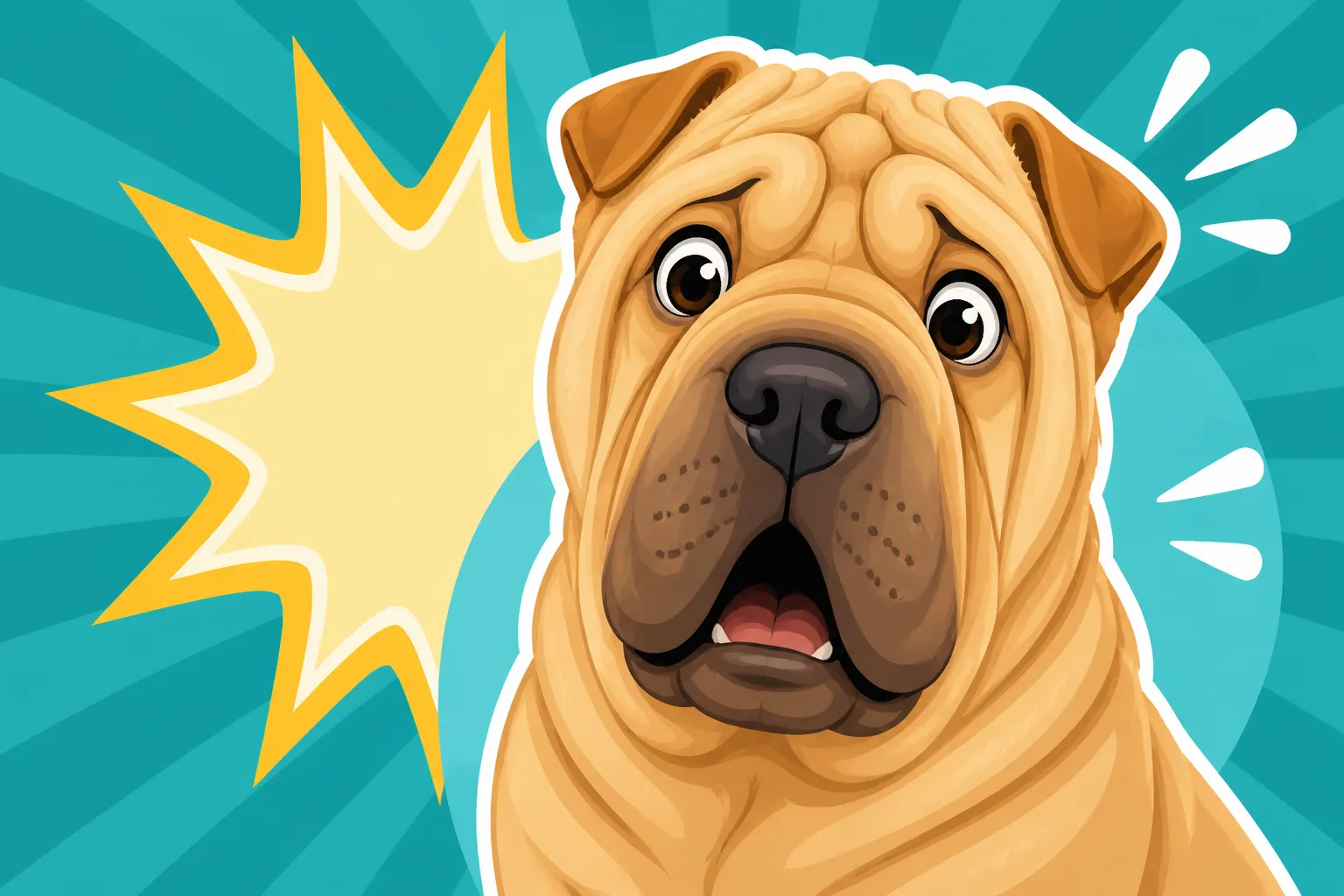
What a Shar Pei Does When Surprised
One of the most common worries I hear from Shar Pei owners, especially those new to the breed, is about their dog's often dramatic reaction to being surprised. It’s not just a little jump; it can be a full-body flinch, a bark, or even a snap, leaving both you and your unsuspecting visitor feeling rattled. Understanding why your Shar Pei behaves this way and what those reactions truly mean is key to building a calm, confident relationship and a safer home environment for everyone. This guide will walk you through the reasons behind these startling behaviors and practical ways to manage them.
Understanding the Shar Pei's Sensory World
It's easy to assume all dogs perceive the world in roughly the same way, but with a Shar Pei, that's simply not true. Their unique physical characteristics and ingrained breed history profoundly shape how they interact with their surroundings, particularly when something unexpected happens. We often joke about their "squinty eyes" and "tucked ears," but these aren't just cosmetic features; they have real implications for how your Shar Pei experiences the world, making them more prone to surprise.
The Shar Pei's Unique Field of Vision
Let's get real about those beautiful, deep-set eyes and the heavy brows. While undeniably characteristic of the breed, they significantly limit a Shar Pei's peripheral vision. Imagine walking around with blinkers on all the time – that's often what it's like for your Shar Pei. They can't see things approaching from the sides or from directly behind them nearly as well as other breeds can. This isn't a fault; it's just their anatomy.
This limited field of vision means that something as innocent as a child rushing in from the side, a new person extending a hand from above, or even another pet darting past unexpectedly can literally pop into their visual field without any prior warning. What to another dog might be a slow, observable approach, to a Shar Pei can feel like a sudden, alarming appearance. Because they literally Why a Shar Pei Startles: It Cannot See You Coming, their primary defense mechanism kicks in: surprise often translates to perceived threat. It's not aggression for aggression's sake; it's often a pure startle reflex.
Furthermore, the heavy wrinkles around their eyes, especially in the "meat mouth" variety, can sometimes further obstruct their view, making them rely more heavily on their hearing and sense of smell. If you've ever noticed your Shar Pei turning their whole head to look at something, rather than just their eyes, you're seeing this compensatory mechanism in action. This reliance means sudden noises, even if not particularly loud to us, can be incredibly jarring if they haven't been visually prepared for the source.
Ancient Instincts: Guarding and Self-Preservation
Beyond their unique vision, we also need to consider the Shar Pei's historical role. These dogs weren't originally bred to be cuddly lapdogs or gregarious greeters at the door. Historically, they were multipurpose farm dogs in rural China, valued for their intelligence, strength, and their keen ability to guard property and livestock. What a Shar Pei Was Originally Bred to Do speaks volumes about their inherent nature. They were designed to be independent, observant, and wary of strangers or anything out of place.
This means that deep down, many Shar Pei possess a strong guarding instinct. They are naturally suspicious of new things, new people, and new situations until they've had a chance to assess them. When something unexpected happens – a sudden noise, a person appearing seemingly out of nowhere, an abrupt movement – their first instinct isn't usually curiosity or friendly investigation. Instead, it's often a heightened sense of alert, a "who's there?!" response, or a "what was that?!" combined with a ready-to-defend posture.
This isn't necessarily a negative trait, but it's one that owners must understand and respect. A quick, startling movement from a stranger, or even a sudden reach to pet them, can trigger this ancient, self-preservation response. They aren't trying to be "mean"; they are simply reacting based on millennia of selective breeding for vigilance and protection. Your Shar Pei’s instinct is to protect themselves and their perceived territory, which includes their family.
Recognizing the Signs of a Startled Shar Pei
Before a Shar Pei reacts dramatically, they usually give off a cascade of subtle signals. The challenge for us humans is that their unique facial structure, with all those glorious wrinkles, can sometimes mask these cues, making them harder to read than in other breeds. It’s like trying to read a book with half the pages stuck together. Learning to decipher these subtle communications is vital for preventing a full-blown startled reaction and fostering a deeper understanding of your dog.
Subtle Cues: What Your Shar Pei Tries to Tell You
Your Shar Pei is constantly communicating, even if you don't always pick up on it immediately. When they're starting to feel uneasy or anticipate a surprise, they might exhibit a range of subtle body language. Look for:
- Freezing: This is a classic "stop and assess" signal. Your Shar Pei might suddenly become very still, often with their head slightly lowered or turned. This isn't a sign of relaxation; it's usually a pause to gather more information and decide on a course of action.
- Hard Stare: While their eyes are deep-set, you can still observe them. A hard, unwavering stare, sometimes accompanied by slightly dilated pupils, indicates high alert. They are locked onto the perceived threat or source of surprise.
- Lip Licking or Yawning: These are common "calming signals" that dogs use to try and de-escalate a tense situation or show they are uncomfortable. It’s often an appeasement gesture, or a way of self-soothing. If you see this, it means your dog is already feeling stressed by the situation, even if you don’t yet perceive a threat.
- Head Turning Away: This is another attempt to de-escalate. Your Shar Pei might turn their head or whole body slightly away from the approaching person or object, avoiding direct eye contact. They're basically saying, "I don't want trouble, please give me space." This is a crucial signal to respect.
- Low Tail or Tuck: While a Shar Pei's tail carriage is naturally high and curled, an uncharacteristic lowering of the tail, or even a slight tuck between the legs, is a clear sign of unease or fear. However, remember How a Shar Pei Uses Its Tail can be nuanced and not always as expressive as in other breeds.
It’s important to remember that How a Shar Pei's Wrinkles Hide Its Expression can make these cues harder to spot. They might not have the dramatic eyebrow raises or obvious "smiles" of other breeds, so pay extra attention to their entire body, not just their face. Every twitch, every shift in posture, tells a story.
Escalation: From Freeze to Fight
If those subtle cues are missed or ignored, a Shar Pei's discomfort can quickly escalate into a more pronounced, startled reaction. This progression is not malicious; it's a natural defensive mechanism when their boundaries are pushed or their sense of safety is compromised. Understanding this sequence allows you to intervene before things get out of hand.
The escalation often looks like this:
- Freeze/Stare: As mentioned, they initially freeze to assess. If the perceived threat doesn't retreat or continues to approach, the stare becomes more intense.
- Growl or Low Rumble: This is often the next step. It's a warning, a "stay back" signal. It might be a very soft, guttural sound that's easy to miss if there's background noise. This is your cue that your Shar Pei is feeling deeply uncomfortable. How a Shar Pei Warns Before It Reacts might not be as overt as other breeds, so listen carefully.
- Bark or Air Snap: A sudden, sharp bark or a quick snap into the air, often without making contact, is usually the result of being truly startled. This isn't necessarily an aggressive act but a reflex – a desperate attempt to create space and make the startling element disappear. It's their version of jumping out of their skin and saying "WOAH! What was that?!"
- Bite (Rare, but Possible): In rare, extreme cases, if all previous warnings are ignored and the dog feels cornered or genuinely threatened, a bite can occur. This is almost always a last resort for a Shar Pei who feels they have no other option. This is why it's so critical to recognize the earlier, milder signals. It's never about the dog "just snapping"; it's about a build-up of ignored stress.
The key is to prevent the situation from escalating past the initial subtle cues. If you intervene at the "freeze" or "lip lick" stage, you can often de-escalate the situation without any dramatic displays.
Preventing Surprise Encounters
Proactive management is the absolute best strategy for a Shar Pei owner. Since we know they're predisposed to being startled, it's our responsibility to create an environment where unexpected events are minimized and where they feel secure. This isn't about sheltering your dog; it's about setting them up for success in a world not always designed for their unique needs.
Creating a Predictable Environment
A predictable routine and environment are like a security blanket for a Shar Pei. They thrive on knowing what to expect, and this reduces their anxiety levels significantly.
- Designated "Safe Spaces": Ensure your Shar Pei has a bed or crate in a quiet corner where they can retreat and not be disturbed. This is particularly important in busy households or when guests are over. Teach everyone in the family that when the dog is in their bed, they are not to be approached or petted. This builds trust and gives your dog a place of refuge.
- Controlled Entryways: The front door is often a flashpoint for surprises. Implement a "place" command or have your Shar Pei go to their safe space before you open the door. This prevents them from being startled by sudden arrivals. A baby gate can be your best friend here, allowing your dog to see who's coming in but maintaining a safe distance until they've assessed the situation.
- Approach from the Front: Always approach your Shar Pei from the front where they can clearly see you coming. Avoid sneaking up on them, even playfully. When you want to pet them, speak softly first to get their attention, then extend your hand slowly from below their chin, allowing them to sniff before contact. This gives them agency and prevents that jarring surprise.
- Awakening Gently: Never startle a sleeping Shar Pei awake. Always speak their name gently or make a soft noise from a distance to rouse them slowly. This prevents the immediate, defensive reflex that can happen when they are suddenly jolted from sleep.
Even simple changes, like moving their bed away from a high-traffic hallway or making sure they have a clear line of sight to the living room entrance, can make a huge difference in their daily stress levels. Consistency in your own behavior, such as always announcing yourself before entering a room where they are resting, builds an incredible amount of trust.
Teaching Children and Visitors Safe Interactions
This is where clear communication with the human members of your household and guests becomes paramount. Children, with their sudden movements and high-pitched voices, can be particularly prone to startling a Shar Pei, and well-meaning visitors often don't understand the breed's nuances.
- Educate Everyone: Take the time to explain to children and visitors why your Shar Pei needs careful handling. Use analogies about their limited vision and their need for space. Explain that it's not personal; it's just how the breed is wired. This can be challenging, but it’s vital for safety. I often tell people, "Imagine someone tapping you on the shoulder really hard from behind when you didn't know they were there. That's how my Shar Pei feels when someone approaches them unexpectedly." For kids, reading age-appropriate books about dog body language can be very helpful. There are some great resources available on platforms like Amazon that illustrate these concepts in a kid-friendly way.
- "No Touch, No Talk, No Eye Contact" Rule: For new visitors, especially those who are nervous around dogs or whom your Shar Pei hasn't met, recommend the "no touch, no talk, no eye contact" rule initially. Let your Shar Pei approach them on their own terms. This allows the dog to gather information through scent without feeling pressured or threatened.
- Supervised Interactions: Always, and I mean always, supervise interactions between children and your Shar Pei. Teach children to approach slowly, to speak softly, and to pet gently on the shoulders or chest, avoiding the head and face. Never allow children to hug or climb on the dog. How to Teach Children to Approach a Shar Pei safely is one of the most important lessons you can instill in your family.
- Training Resources for Guests: If you have frequent guests or are working with family members, consider recommending resources like the BAXTER & Bella online puppy school. While focused on puppies, many of their modules cover foundational training and understanding dog behavior, which can be invaluable for anyone interacting with your Shar Pei, even if they aren't the primary owner. This ensures everyone is on the same page regarding appropriate interaction.
Setting these clear boundaries and expectations will not only protect your Shar Pei from being startled but also protect your guests from potential nips and create a much more harmonious home.
Managing a Startled Reaction
Despite our best efforts, surprises will happen. A dropped pot in the kitchen, a unexpected knock on the door, a sudden squirrel darting across the path on a walk—life is full of unpredictable moments. Knowing how to react in the moment, and how to work on long-term desensitization, is crucial for both your Shar Pei's well-being and your peace of mind.
Immediate Steps During a Startle
When your Shar Pei gets startled and reacts – whether it’s a bark, a jump, or a quick lunge – your immediate response is key. It’s a reflex for them, and how you handle it will either reinforce their anxiety or help them calm down.
- Stay Calm Yourself: This is paramount. If you react with a loud gasp, a shout, or by becoming agitated, you will only confirm for your Shar Pei that the situation was indeed something to be worried about. Your calm demeanor communicates safety and reassurance. Take a deep breath.
- Assess the Situation: Quickly identify what caused the startle. Was it a noise? A person? An object? Understanding the trigger helps you manage it and plan for future prevention.
- Create Space (if needed): If the startle was due to a person or another dog, gently guide your Shar Pei away from the stimulus. This could mean stepping between them and the trigger, or moving your dog to a slightly more distant spot. You're not punishing them; you're just removing them from the immediate source of stress. For example, if a passing dog on the street caused a Leash Reactivity in a Shar Pei burst, just calmly keep moving or step slightly off the path.
- Avoid Punishment: Never punish your Shar Pei for a startle reaction. Shouting, jerking the leash, or physical correction will only increase their fear and anxiety, potentially making them more reactive in the future. They didn't choose to be startled; it was an involuntary response. Punishment will damage your bond and teach them to suppress warnings, making their reactions more unpredictable down the line. Instead of showing a growl, they might just go straight to a snap next time because they learned their warning was punished.
- Redirect and Reassure (Softly): Once the immediate moment has passed and the trigger is gone or diffused, you can offer gentle, calm reassurance. A soft, soothing voice, or a very gentle stroke on their side, can help them regroup. You can also try to redirect their attention with a simple, known command like "sit" or "watch me," followed by a calm, low-value treat. This helps them shift focus and associate calming down with a positive outcome.
Remember, the goal is not to stop the natural startle reflex, but to prevent it from escalating and to help your Shar Pei recover quickly and calmly.
Long-Term Training and Desensitization
While immediate management is important, long-term training and desensitization are what will truly build your Shar Pei's confidence and reduce their overall reactivity. This isn't a quick fix; it's a gradual process of teaching them that unexpected things aren't always threats.
- Counter-Conditioning: This involves changing your Shar Pei's emotional response to startling triggers. For example, if your dog barks every time the doorbell rings, you can start by playing a recording of the doorbell sound at a very low volume. Every time it plays, immediately give your dog a high-value treat. Gradually increase the volume over days or weeks, always pairing the sound with something positive. The idea is that the doorbell sound eventually predicts treats, not danger.
- Systematic Desensitization: Similar to counter-conditioning, but focusing on gradual exposure. If your Shar Pei is startled by people approaching from behind, start by having a trusted family member walk far behind them, gradually decreasing the distance over many sessions, always rewarding calm behavior. This takes patience and consistency.
- Focus on Foundational Obedience: A well-trained Shar Pei is a more confident Shar Pei. Commands like "sit," "stay," "come," and "leave it" give you tools to manage situations and give your dog a sense of structure. Positive reinforcement methods are crucial here; harsh handling will only exacerbate their tendency to be reactive. Why a Prong Collar Is Wrong for a Shar Pei and Why an Electric Collar Is Wrong for a Shar Pei are important reads to understand why these tools are detrimental to a sensitive breed like the Shar Pei.
- Socialization (Ongoing, Controlled): While early Socialize a Shar Pei Before Twelve Weeks or Pay for It Later is critical, continued, controlled socialization throughout their lives is also beneficial. This means exposing them to new sights, sounds, and people in a positive, low-stress way. Avoid busy dog parks if your Shar Pei struggles with unknown dogs; instead, arrange one-on-one playdates with calm, known dogs.
- Seek Professional Help: If your Shar Pei's startled reactions are frequent, severe, or involve aggression, do not hesitate to consult a certified professional dog trainer or a veterinary behaviorist. They can assess your dog's specific situation, identify underlying anxieties, and develop a tailored behavior modification plan. Sometimes, a dog needs more than just training; they might need environmental management combined with behavioral therapy. When a Shar Pei Needs a Behaviorist is not a sign of failure but a responsible step towards helping your dog.
It's a journey, not a destination, but with understanding, patience, and consistent positive reinforcement, you can help your Shar Pei navigate the unexpected moments of life with greater calm and confidence.
Disclaimer
This article is for general informational purposes only and does not constitute professional advice. Laws, prices and regulations vary by location and change over time. Consult a qualified professional for guidance on your specific situation.


