The Shar Pei in Puppy Class
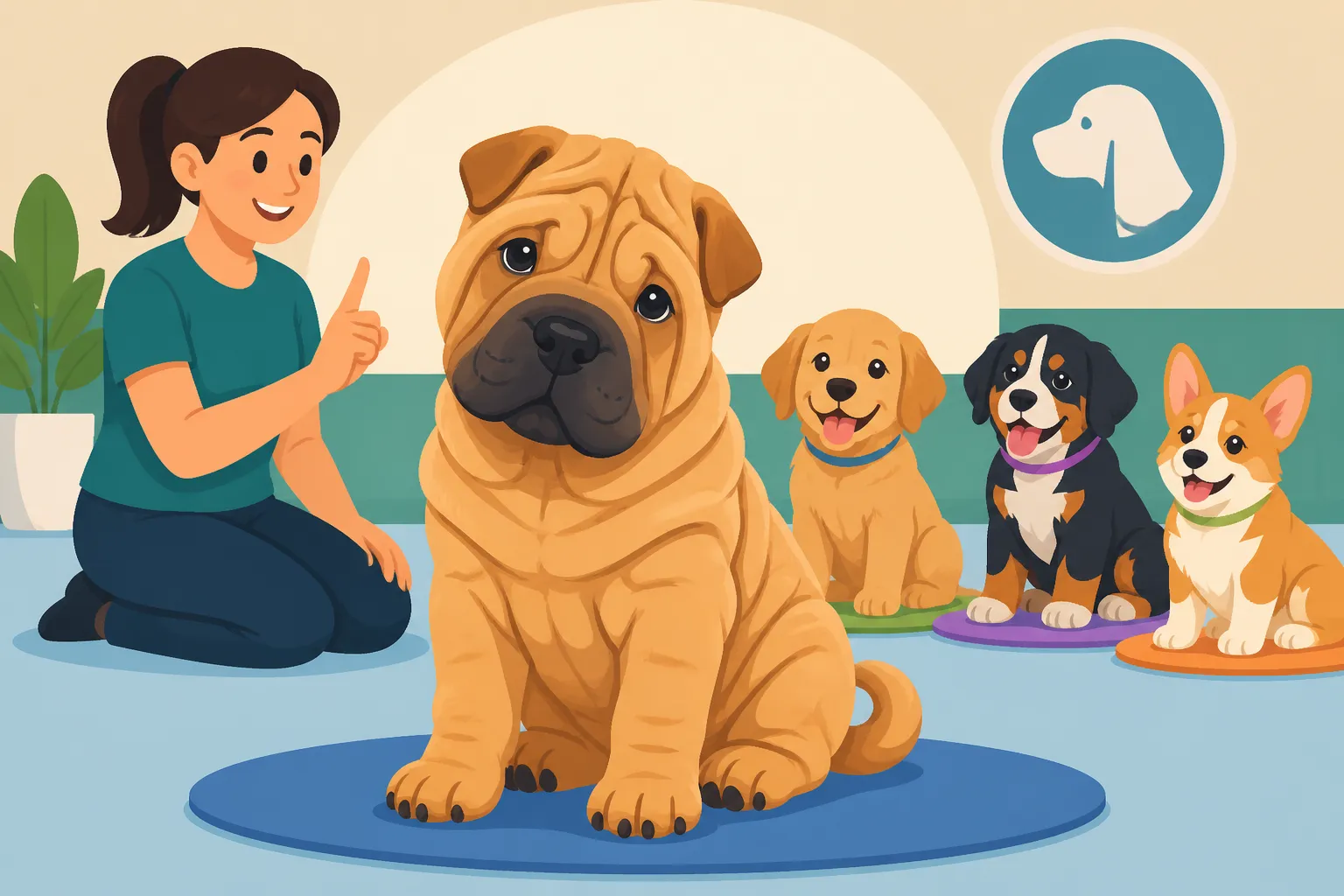
Bringing home a Shar Pei puppy is an incredibly exciting time, full of wiggly joy and endless curiosity. But very quickly, new owners discover that beneath those adorable wrinkles lies a breed with a very distinct personality and a strong sense of self-preservation. One of the biggest questions that often arises early on is about puppy class – is it really necessary, and how will a Shar Pei actually do in such a social environment? Many worry their unique pup will struggle, either with shyness, over-protectiveness, or simply ignoring the instructor. This guide will walk you through why puppy class is not just beneficial but truly essential for your Shar Pei, what specific challenges you might encounter, and how to set both you and your wrinkly companion up for the very best chance of success.
Why Puppy Class is Non-Negotiable for a Shar Pei
For many breeds, puppy class is a fun extra, a nice way to get a jump start on manners. For a Shar Pei, however, it's a foundational pillar in building a well-adjusted adult dog. These aren't your typical golden retrievers who greet every dog and human with boundless enthusiasm. Shar Pei were originally bred for tasks that required independence, a strong guarding instinct, and a discerning nature. These traits, while valuable in their historical context, can translate into aloofness, suspicion, and even reactivity in a modern pet living in a bustling world.
Think about it: your Shar Pei puppy is a tiny sponge, absorbing everything around them. Their brains are rapidly developing, forming associations and understandings that will shape their entire lives. The crucial window for socialization, where they learn that the world is generally safe and that strange dogs and people aren't threats, closes surprisingly early. The Age a Shar Pei's Socialization Window Closes is often around 12-16 weeks. Missing this window, or not providing diverse, positive experiences within it, can lead to a dog that's fearful, reactive, or even aggressive later on. Puppy class, when done right, offers a controlled and positive environment to introduce your Shar Pei to novel stimuli, other puppies, and various people. It’s not just about learning "sit" and "stay"; it's about building confidence and appropriate social skills.
Furthermore, Shar Pei, with their deeply set eyes and wrinkled brows, have naturally restricted peripheral vision. This isn't just a quirky physical trait; it profoundly impacts how they perceive their environment. Why a Shar Pei Startles: It Cannot See You Coming explains how this can make them more prone to being surprised or feeling threatened by sudden movements or approaches they didn't anticipate. In a puppy class, where other puppies might be boisterous and unpredictable, this visual limitation can be a significant source of stress if not managed carefully. Early exposure in a safe setting helps them learn to cope with these visual limitations and not automatically assume every unexpected movement is a danger. It also teaches you, the owner, how to anticipate their reactions and advocate for them.
Navigating the Unique Challenges of a Shar Pei in Class
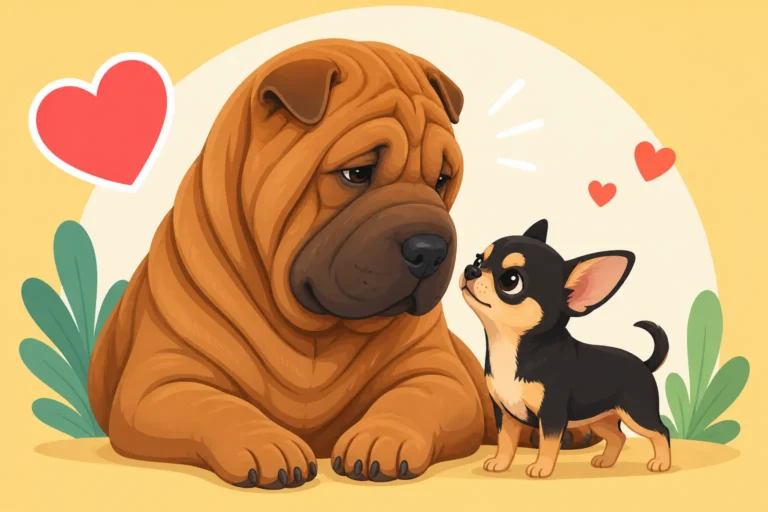
Let's be real: your Shar Pei isn't likely to be the life of the puppy party, prancing around inviting every dog to play. Their inherent nature often means they're more reserved, more watchful, and can quickly become overwhelmed by overly boisterous playmates. Dog to Dog Is the Shar Pei Problem, Not Dog to Person is a common observation among Shar Pei owners, and it's something that often starts showing up in puppyhood.
One of the biggest hurdles is their selective social interaction. While other puppies might tumble and play indiscriminately, a Shar Pei puppy might observe from a distance, engage in short, intense bursts of play, or simply ignore other dogs. This isn't necessarily a bad thing, but it does mean you need to manage expectations and ensure the class environment respects their boundaries. It's crucial that the instructor understands this breed trait and doesn't push your pup into interactions they're not comfortable with, as this can easily backfire and create negative associations. You'll want to watch for subtle signs of stress like lip licking, yawning, or turning their head away, and be ready to step in.
Another challenge can be their independent streak. The Headstrong Streak Nobody Trains Out of a Shar Pei isn't a myth; it's a core part of their charm, and sometimes, their frustration. While they are intelligent, Shar Pei aren't typically eager-to-please dogs who live for your approval in the same way some other breeds might. This means that traditional reward systems might need to be adjusted. High-value treats, like bits of cooked chicken or cheese, are often far more motivating than generic kibble. You might also find that short, engaging training sessions work better than long, repetitive ones. Patience, consistency, and a sense of humor will be your best allies.
Finally, their tendency towards resource guarding, especially of their space or their people, can manifest even in puppyhood. While a good puppy class will supervise play and prevent serious issues, you need to be aware that your Shar Pei might not appreciate another puppy invading their personal space, especially if they're playing with a favorite toy or getting attention from you. This isn't aggression; it's often a learned behavior from their guarding heritage. Recognizing these early signs and redirecting them gently, rather than punishing, is key to preventing escalation.
Choosing the Right Puppy Class and Instructor for Your Shar Pei
The success of your Shar Pei in puppy class hinges almost entirely on the quality of the class itself and the understanding of the instructor. Not all puppy classes are created equal, and what works for a Labrador might be detrimental to a Shar Pei. You're looking for a specific kind of environment.
Firstly, prioritize small class sizes. A bustling class with too many puppies can be overwhelming for any dog, but especially for a Shar Pei with its visual limitations and discerning nature. Fewer puppies mean more individual attention from the instructor and less chance of your pup feeling bombarded. You want a class that emphasizes positive reinforcement methods above all else. Harsh corrections or punitive training techniques will not only be ineffective with a Shar Pei but can actively damage their trust and exacerbate any existing anxieties. How a Shar Pei Responds to Harsh Handling is typically not well, leading to shutdown or increased resistance.
Look for instructors who demonstrate a clear understanding of breed-specific traits, even if they haven't personally owned a Shar Pei. Ask them about their approach to managing varied temperaments in class. A good instructor will talk about managing play, recognizing stress signals, and creating safe zones for puppies who need a break. They should be willing to provide guidance on how to help your Shar Pei engage positively without forcing interactions. Online resources like BAXTER & Bella offer virtual puppy training programs that can complement in-person classes, or even serve as an alternative if you can't find a suitable local option, allowing you to work at your Shar Pei's pace in a familiar environment.
Here’s a quick comparison of what to look for and what to avoid:
| Feature | Ideal Puppy Class for a Shar Pei | What to Avoid |
|---|---|---|
| Class Size | Small (4-6 puppies maximum) | Large, overcrowded classes |
| Training Methods | Positive reinforcement, force-free, reward-based | Aversive tools (choke chains, prong collars), punishment-based methods |
| Instructor Approach | Understanding of breed differences, focus on safety & confidence | "One size fits all" approach, pushes puppies into interactions |
| Play Management | Structured, supervised play with breaks, focus on appropriate behavior | Unsupervised, chaotic free-for-all play |
| Environment | Calm, clean, provides safe spaces for shy puppies | Noisy, overwhelming, no escape routes for stressed pups |
| Owner Involvement | Encourages owner participation & education | Owners are passive observers |
Don't be afraid to visit a class without your puppy first, or even call and interview potential instructors. It's an investment in your puppy's future, and getting it right is crucial. You might also find great value in shopping for specialized training tools on Amazon, such as long lines for safe distance practice, comfortable harnesses, or a variety of high-value training treats to discover what truly motivates your particular Shar Pei.
Maximizing Success and Continuing Socialization Beyond Class
Attending puppy class is a fantastic start, but it's just that – a start. True success comes from consistent follow-through and a commitment to ongoing positive socialization experiences throughout your Shar Pei's life.
During class, be your Shar Pei's advocate. If they're overwhelmed, step in. If another puppy is being too pushy, ask the instructor for help. It’s okay for your Shar Pei to observe from a distance, especially at first. What’s important is that they’re having positive experiences, not necessarily constant interaction. Reward calm behavior around other puppies and people, even if it's just quietly watching. Use those high-value treats and praise generously when your Shar Pei chooses to engage appropriately or simply remains relaxed in the presence of others. What Motivates a Shar Pei is often less about pleasing you and more about what's in it for them, so make it worth their while!
Beyond the classroom walls, continue to create opportunities for controlled, positive exposure. This doesn't mean dog parks, which can be chaotic and dangerous for a Shar Pei. Instead, think about:
- One-on-one "play dates" with known, calm, and vaccinated puppies or adult dogs who have a gentle play style. Supervise these closely.
- "Parallel walks" where you walk alongside another dog and owner at a distance where both dogs are comfortable. This allows them to get used to each other's presence without direct, pressured interaction.
- Visits to quiet, dog-friendly stores (if permitted and your pup is comfortable) where they can observe people and sounds without being mobbed.
- Car rides to different locations for short walks, exposing them to new sights, sounds, and smells.
- Continued gentle handling practice at home, getting them comfortable with being touched all over, which is vital for vet visits and grooming.
Remember, socialization isn't just about meeting other dogs; it's about exposing your Shar Pei to a wide variety of sights, sounds, smells, people, and environments in a way that builds confidence and positive associations. How Widely a Shar Pei Puppy Should Be Socialized encompasses everything from different floor textures to umbrellas, bicycles, and children. The goal is to build resilience and a calm acceptance of the world around them, rather than a boisterous eagerness to interact with everything. A well-socialized Shar Pei might always be reserved with strangers, but they will be confident, secure, and less prone to fear-based reactions, making them a much more enjoyable companion for life.
Disclaimer
This article is for general informational purposes only and does not constitute professional advice. Laws, prices and regulations vary by location and change over time. Consult a qualified professional for guidance on your specific situation.