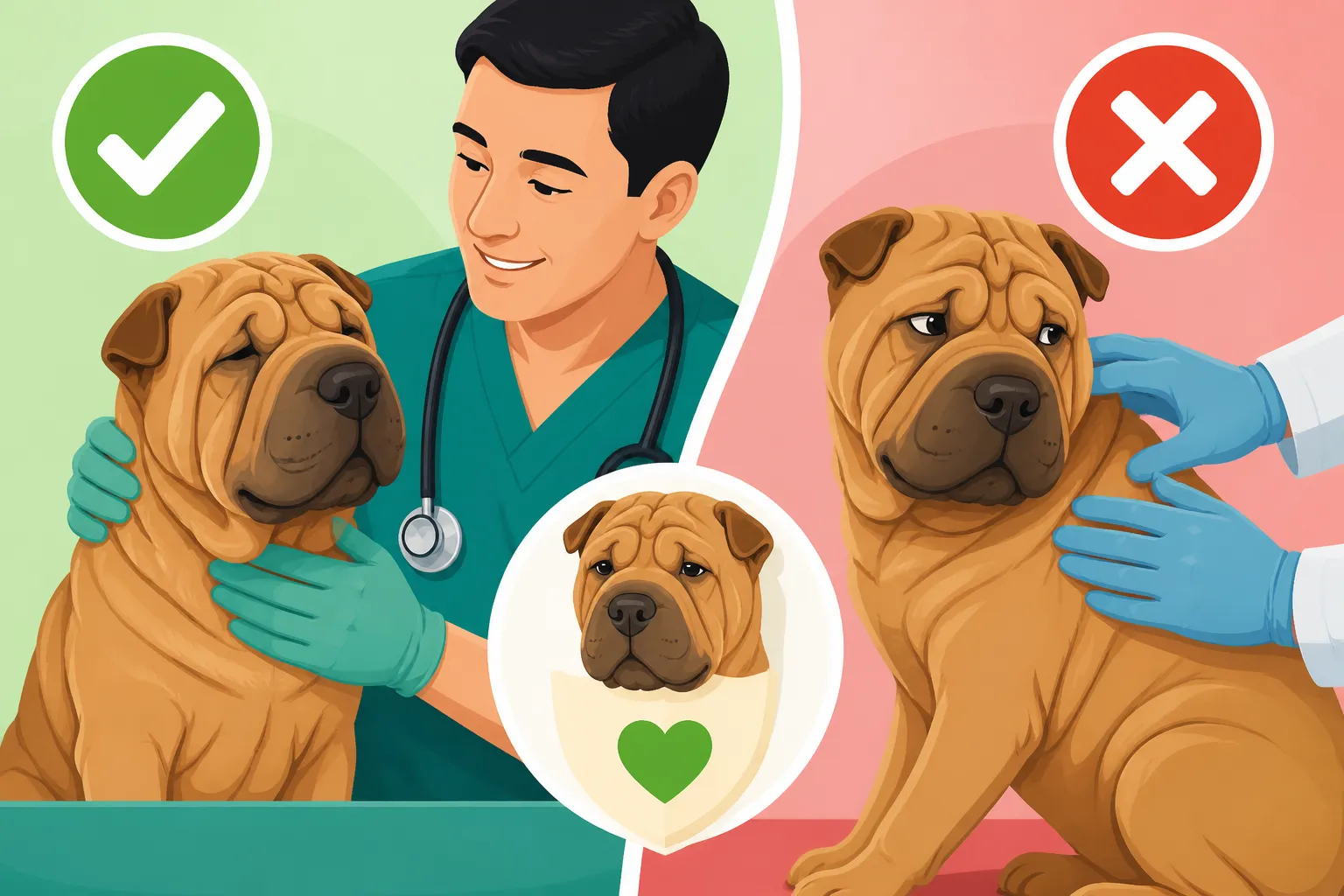
Whether a Shar Pei Accepts Handling by a Vet
One of the most common worries for Shar Pei owners is how their beloved, often independent, and sometimes wary companion will cope with a vet visit. The truth is, a Shar Pei's unique breed traits – from their limited peripheral vision that makes them easily startled, to their deeply ingrained guarding instincts and notoriously sensitive skin – can make even routine check-ups feel like an Olympic event for both dog and owner. This guide will delve into these specific challenges, offering practical, empathetic advice and strategies to help your Shar Pei not just tolerate, but perhaps even come to accept, the necessary handling that keeps them healthy.
Understanding the Shar Pei's Unique Challenges with Vet Handling
It's not just "being stubborn" or "difficult" when your Shar Pei digs in their heels at the vet's office. Their reactions are often rooted in a combination of instinct, physiology, and prior experience. Understanding these foundational elements is the first step toward building a more positive future. It's about recognizing that what might be a minor inconvenience for another breed can be a significant source of stress for a Shar Pei.
The Shar Pei's Natural Aloofness and Guarding Instinct
Let's face it, Shar Pei aren't generally the type to greet every stranger with a wagging tail and an open invitation for belly rubs. They were, after all, originally bred to be A Shar Pei Was Bred to Guard, Not to Greet, often aloof and suspicious of outsiders. This isn't rudeness; it's deeply ingrained caution. When a vet or vet tech, who is essentially a stranger in their eyes, approaches them with hands, stethoscopes, and a general air of "I'm going to touch you," their natural guarding instincts kick in. They might stiffen, low growl, back away, or even snap if they feel threatened or cornered.
This aloofness means they don't automatically trust people outside their inner circle, and they certainly don't appreciate being manhandled by them. Imagine being poked and prodded by someone you've just met, in an environment filled with strange smells and sounds. It's a recipe for anxiety. This inherent wariness means that simple gestures like reaching over their head, which might be fine for a golden retriever, can be perceived as a direct threat by a Shar Pei. They need to feel secure, to understand what's happening, and to know that you, their trusted human, are advocating for them.
Peripheral Vision and Startle Reflex
Another critical factor that heavily influences a Shar Pei's reaction to handling is their unique facial structure and eye placement. Those wonderfully wrinkly faces and deeply set eyes, while characteristic, significantly reduce their peripheral vision. This means they literally Why a Shar Pei Startles: It Cannot See You Coming. If a vet or assistant approaches from the side or from behind, even with the best intentions, it can trigger a powerful startle response. They might jump, spin, or even react defensively because they simply didn't see the hand or instrument coming.
This visual limitation can make them seem aggressive when, in reality, they are merely reacting to a sudden, unexpected stimulus they couldn't anticipate. Think of it like someone suddenly appearing in your blind spot – it's jarring, and your immediate reaction might be defensive. For a Shar Pei, this happens more often due to their restricted field of vision. This is why a slow, deliberate approach, often from the front, with plenty of verbal cues, is absolutely essential. Any sudden movement can escalate their anxiety, turning a potentially manageable situation into a very challenging one. Their inability to easily track movement from the sides means they are constantly on a higher alert, and this can be exhausting and terrifying for them in an unfamiliar, high-stress environment like a veterinary clinic.
Sensitive Skin and Pain Response
Shar Pei are renowned for their incredible skin. It's what makes them so distinct, but it's also the site of many of their breed-specific health issues. This means their skin can be incredibly sensitive, not just to allergens or infections, but to touch itself. What might feel like a gentle touch to us or to another dog might feel uncomfortable or even painful for a Shar Pei, especially if they have underlying skin conditions or inflammation. Skin Is the Shar Pei's Largest Problem by Surface Area is a common refrain, and this heightened sensitivity means handling needs to be extra careful.
Consider a dog with skin fold dermatitis in their facial wrinkles or a yeast infection deep within their ear canals (and remember, A Shar Pei Has the Narrowest Ear Canals of Any Breed). A vet trying to examine these areas is not just invading their personal space; they might be causing actual discomfort or pain. This pain response isn't aggression; it's a natural reaction to an unpleasant sensation. A Shar Pei's reaction can be a direct indication of how their skin feels. What a Shar Pei's Skin Tells You Before Its Behavior Does is often a good indicator of their internal state. They might flinch, pull away, or even snap if the touch is unexpected or too firm, particularly on sensitive areas like their ears, paws, or under their folds. Learning to differentiate between fear-based reaction and pain-based reaction is vital for both owners and vet staff.
The Importance of Early Socialization
I cannot stress this enough: early, positive, and diverse socialization is the cornerstone of helping your Shar Pei accept handling by a vet. If you’re lucky enough to have a Shar Pei puppy, the window for Socialize a Shar Pei Before Twelve Weeks or Pay for It Later is crucial. This isn't just about meeting other dogs and people; it's about systematically introducing them to gentle handling of all body parts.
During this critical period, you should be regularly touching their paws, ears (especially important given their narrow canals), tail, mouth, and all those glorious wrinkles. Make it a positive experience with high-value treats and praise. Get them used to lying on their side, being held, and having their nails trimmed. Play "vet" at home, gently examining them as a vet would. This builds a foundation of trust and helps them associate handling with positive outcomes. If this crucial period is missed, or if a Shar Pei has had negative experiences, rebuilding that trust and comfort takes significantly more time and effort. An undersocialized Shar Pei will struggle immensely in any new environment, making vet visits incredibly stressful for everyone involved. How to Rebuild a Shar Pei That Was Not Socialized is possible, but it's a much longer, harder road.
Preparing Your Shar Pei for a Positive Vet Experience
You can’t just walk into a vet’s office with a Shar Pei who hasn’t had any preparatory work and expect miracles. A successful vet visit starts long before you even leave your driveway. It’s about creating a series of positive associations and desensitizing them to the types of handling they’ll encounter. This proactive approach drastically reduces stress and makes the experience safer and more productive.
Desensitization and Counter-Conditioning at Home
This is where the real work happens. Desensitization means gradually exposing your dog to the things that make them anxious, at a low enough intensity that they don’t react negatively. Counter-conditioning means changing their emotional response to that stimulus from negative to positive. For vet handling, this involves breaking down the vet exam into tiny steps and practicing them at home with rewards.
Start with simple touches. Gently touch a paw, immediately follow with a high-value treat. Repeat. Progress to holding the paw, then inspecting between the toes. Gradually extend the duration and intensity of the touch. Do the same for their ears: lift the ear flap, treat. Gently peek inside, treat. For their mouth: lift the lip, treat. Gently open the mouth, treat. Practice having them lie on their side, mimicking the position for an abdominal exam. Always make it a game, keep sessions short and positive, and stop before they show signs of stress. Using a clicker can be incredibly effective here, as it precisely marks the desired behavior before the treat is given. How a Clicker Works on a Shar Pei is a great way to communicate with them during these training sessions. You can find excellent clickers and high-value training treats on Amazon.
Tools and Techniques for Cooperative Care
Cooperative care is all about teaching your dog to participate in their own care, rather than being forced. This concept empowers them and gives them a sense of control, which can be invaluable for a breed as independent as the Shar Pei.
One key tool is a "chin rest" or "stationing" command, where your Shar Pei learns to rest their chin on your hand or a surface, offering their head for examination. Another is teaching them to "give" a paw or voluntarily present their ear. Using a "place" command to get them to settle on a mat can also be helpful at the vet. If your Shar Pei is food motivated (many are!), a lick mat smeared with peanut butter or cream cheese during handling can provide a powerful distraction and positive association. For specific training programs that incorporate cooperative care and handling, online platforms like BAXTER & Bella offer comprehensive resources that can guide you through these steps from puppyhood onwards.
Sometimes, despite your best efforts, you might need a muzzle. This isn't a punishment; it's a safety tool. Get your Shar Pei used to wearing a basket muzzle before it's an emergency. Start by simply showing them the muzzle, treating them. Then put a treat inside the muzzle and let them put their nose in to get it. Gradually increase the time they wear it, pairing it with positive activities like walks or special treats. A well-fitted, comfortable muzzle, like many available on Amazon, can prevent accidents and make everyone feel safer. Whether a Shar Pei Accepts a Muzzle often depends entirely on how it's introduced.
Choosing the Right Veterinary Practice
Not all veterinary practices are created equal, especially when it comes to handling a breed with specific needs like the Shar Pei. It's perfectly okay, and encouraged, to "interview" potential vets.
Look for a clinic that:
- Embraces Fear-Free techniques: These practices prioritize minimizing fear, stress, and anxiety. They often use gentle handling, distraction, and calming pheromones.
- Has experience with Shar Pei: Ask if they have other Shar Pei patients and if they are familiar with breed-specific issues like Familial Shar Pei Fever Is Not an Infection, entropion, or common skin conditions.
- Is patient and understanding: You need a vet and staff who are willing to take their time, allow your Shar Pei to acclimate, and respect their boundaries.
- Allows "happy visits": These are short, non-medical visits where your dog just goes in for treats and praise from the staff, without any invasive procedures. It helps build positive associations with the clinic environment.
- Supports your training efforts: They should be willing to work with you on desensitization and cooperative care techniques.
Don't be afraid to ask for a tour, observe their handling of other dogs (if appropriate), and discuss your Shar Pei's specific temperament and needs. A good vet-client relationship is built on mutual respect and open communication.
Navigating the Vet Visit: Strategies for Success
Even with all the preparation, the actual vet visit can still be a challenge. The key is to manage the environment, communicate effectively with the veterinary team, and know when to call for backup. This stage is about applying all your hard work in a real-world, potentially stressful, scenario.
Communicating with Your Vet and Their Staff
Before you even step into the exam room, it's crucial to have a conversation with the vet and the technicians. Explain your Shar Pei's personality, their history with handling, and any specific triggers they might have. For example, "Fido doesn't like his ears touched without warning because his peripheral vision is limited," or "Princess can be sensitive to touch on her back due to past skin issues."
Suggest specific strategies that work for your dog, such as approaching from the front, using a specific command, or allowing them to sniff instruments first. Don't be shy about advocating for your dog's comfort. A good veterinary team will appreciate your input and be happy to work with you. You might even discuss in advance if there are specific areas that are likely to be problematic and prioritize what absolutely must be examined during this visit. Sometimes, just having a clear plan can make all the difference. Remember, How a Shar Pei's Wrinkles Hide Its Expression means they can be hard to read, so clear verbal communication from you is vital.
Managing Stress During the Examination
Once you're in the exam room, continue to be your Shar Pei's advocate and comfort zone.
Here are some tips:
- Keep it calm: Maintain a calm, reassuring demeanor yourself. Dogs pick up on our stress.
- High-value treats: Bring an arsenal of your Shar Pei's absolute favorite, irresistible treats. Use them continuously during handling. If your dog is really food motivated, a constant stream of tiny, tasty morsels can keep them distracted and create positive associations even during unpleasant procedures.
- Comfort items: A familiar blanket or toy can provide a sense of security.
- Control the environment: Ask if you can wait in the car until the exam room is ready to avoid the busy waiting area. Ask for a quiet room.
- Respect their boundaries: If your Shar Pei is showing clear signs of stress or fear (lip licking, yawning, stiff body, low growl, whale eye), ask the vet to pause. Pushing through can make future visits even harder. How a Shar Pei Warns Before It Reacts often includes subtle signals before an overt one.
- Focus on the positive: Even if it's a short moment of cooperation, praise and reward enthusiastically.
- Consider a 'happy huddle': Sometimes, having a couple of staff members simply sit near your Shar Pei and offer treats, without direct interaction, can help them acclimate to the presence of others before the exam even begins.
A calm environment and a patient approach go a long way.
When Sedation or Muzzling Might Be Necessary
There are times when, despite everyone's best efforts, a Shar Pei's anxiety or defensive reactions are simply too strong for a safe and effective examination without intervention. In these situations, discussing chemical sedation or the use of a muzzle is not a failure, but a responsible and compassionate choice.
Sedation: For highly anxious or reactive Shar Pei, mild pre-visit sedation (often an oral medication given at home an hour or so before the appointment) can dramatically reduce stress levels. This allows the vet to perform a thorough exam without putting the dog or staff at risk, and it prevents your Shar Pei from building further negative associations with the vet. Discuss this option with your vet, especially if your dog gets agitated before even entering the clinic. For procedures like ear exams, Whether a Shar Pei Needs Sedation for an Ear Exam is a common question, and often the answer is yes, given their narrow canals and potential sensitivity.
Muzzling: If your Shar Pei has not been desensitized to a muzzle at home, the vet may apply one for safety. This is particularly important for dogs with a history of nipping or snapping when feeling threatened. A muzzle protects everyone and can actually allow the vet to proceed with the exam more calmly, knowing safety is ensured. While it might seem intimidating, it's a vital tool for ensuring the well-being of all involved. Always remember, a muzzle is not a punishment, but a tool for safety and cooperation, making it possible for your dog to receive the care they need.
Ultimately, the goal is to make vet visits as stress-free as possible for your Shar Pei, because regular veterinary care is crucial for managing their breed-specific health issues and ensuring a long, happy life. With patience, understanding, and consistent positive reinforcement, you can help your Shar Pei become a more cooperative patient.
Disclaimer
This article is for general informational purposes only and does not constitute professional advice. Laws, prices and regulations vary by location and change over time. Consult a qualified professional for guidance on your specific situation.


