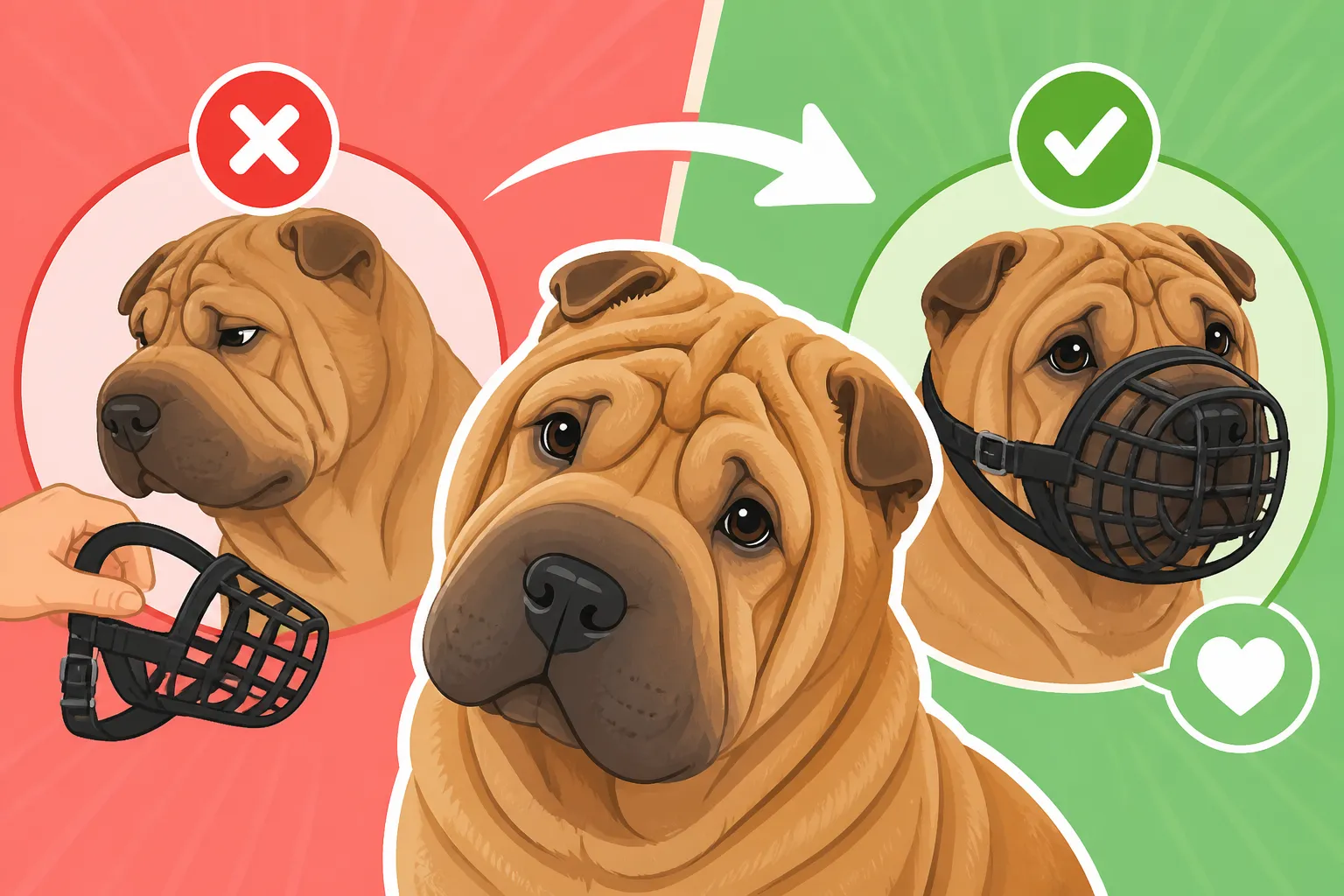
Whether a Shar Pei Accepts a Muzzle
Muzzles often carry a stigma, making us feel like our beloved companion is 'dangerous' or 'bad.' But for a Shar Pei owner, understanding muzzle acceptance isn't about punishment; it's about responsible care, safety, and sometimes, even health. The unique anatomy and often reserved temperament of a Shar Pei mean that thoughtful muzzle training can be a vital tool in their long-term well-being and safety. This guide will walk you through why a muzzle might be necessary for your wrinkled friend, the specific challenges their unique anatomy and temperament present, and most importantly, a kind, step-by-step approach to make muzzle-wearing a comfortable, stress-free experience for your Shar Pei.
Why Muzzle Training Becomes a Necessity for Your Shar Pei
Let's be honest, no one wants to put a muzzle on their dog. The image it conjures is often negative, suggesting aggression or danger. But for many Shar Pei owners, introducing a muzzle is a proactive, responsible step that contributes to their dog's safety, comfort, and ability to navigate stressful situations. It's not a sign of a "bad" dog; it's a tool, much like a leash or a crate, that can make certain aspects of life much smoother for everyone involved.
Ensuring Veterinary and Grooming Comfort
Think about the sheer stress of a vet visit for your Shar Pei. They're in an unfamiliar place, surrounded by strange smells and noises, often being poked and prodded by strangers. Many Shar Pei, by nature, are reserved with people outside their immediate family circle, and this can easily escalate to defensiveness when they feel vulnerable. Trying to get their ears cleaned, their nails trimmed, or even just a routine vaccination can become a wrestling match, putting both the dog and the veterinary staff at risk.
A muzzle, when properly introduced and accepted, can transform these experiences. Instead of a frantic struggle, your Shar Pei can wear their muzzle, feel secure, and allow the necessary procedures to be done more calmly. This isn't just about preventing bites; it's about reducing the overall stress for your dog. If your Shar Pei needs something done that might be painful or invasive, like having an infected ear examined—a common Shar Pei ailment—a muzzle provides a safety net. Consider this, Whether a Shar Pei Needs Sedation for an Ear Exam might be an option for certain complex procedures, but for less intensive ones, a well-trained muzzle can often prevent the need for more drastic measures or deeper sedation. The goal is to make these unavoidable encounters as low-stress as possible for your dog, allowing them to cooperate without fear, and allowing professionals to do their jobs safely. It's about empowering your Shar Pei to tolerate handling, making future vet and grooming appointments far less daunting for everyone involved.
Managing Reactivity and Public Safety
Shar Pei often come with a strong sense of personal space and a natural inclination to be wary of strangers and other dogs. They were, after all, originally bred for guarding and general farm work in China, which means they aren't always thrilled about meeting new faces or canine companions. For some, this wariness can manifest as reactivity – barking, lunging, or even snapping – especially when on leash or in crowded environments. You might have a perfectly lovely Shar Pei at home, but when you step out the door, suddenly the world becomes a series of potential threats.
If your Shar Pei has shown any signs of aggression towards other dogs, or even people, a muzzle can be an indispensable tool for public safety. It allows you to continue responsible exposure and training if they are still young, or manage an adult dog's environment more safely. Imagine walking through a park where another dog suddenly rushes up to yours. With a muzzle, you have peace of mind that a potentially dangerous incident can be avoided. This isn't to say all Shar Pei are reactive, but their breed traits, like their limited peripheral vision which can make them easily startled (Why a Shar Pei Startles: It Cannot See You Coming), can contribute to unexpected reactions.
Furthermore, a Shar Pei's guarding instincts (A Shar Pei Was Bred to Guard, Not to Greet) can sometimes extend to people or possessions in their environment. While good training and management are always the first line of defense, a muzzle provides an essential layer of safety. It allows you to continue engaging in activities you both enjoy, like walks in busier areas, with the confidence that you are protecting both your dog and the public. A muzzle on a dog that might react when surprised, or when another dog gets too close (Dog to Dog Is the Shar Pei Problem, Not Dog to Person), is a responsible choice that prevents injury and allows for continued behavior modification without constant fear of an incident.
Protecting Injuries and Post-Surgical Healing
Sometimes, a muzzle isn't about preventing aggression at all, but about preventing self-harm. Dogs have an instinct to lick wounds, which often makes things worse, introducing bacteria or pulling out stitches. The dreaded "cone of shame" or Elizabethan collar is the typical go-to, but for a short-snouted, deep-chested breed like a Shar Pei, these can be incredibly cumbersome and stressful. They can impede their vision even further, make eating and drinking difficult, and generally lead to a very unhappy dog.
In certain situations, a lightweight, breathable muzzle can be a far kinder alternative to prevent a Shar Pei from licking a wound or interfering with stitches, especially on their body. This might be a temporary measure for a few days after a minor procedure or to protect a hot spot while medication takes effect. It allows them more freedom of movement, better peripheral vision, and generally less overall misery during a recovery period. You still need to supervise, of course, but it offers a humane way to protect their healing process without the constant bumping and visual obstruction of a cone. For example, if your Shar Pei had a minor skin irritation or a small incision, a well-fitted basket muzzle could prevent them from accessing the area with their tongue, giving the wound a chance to heal properly.
Understanding the Unique Challenges of Muzzling a Shar Pei
While the benefits of muzzle training are clear, Shar Pei present their own set of unique hurdles when it comes to finding and fitting a muzzle, and getting them to accept it. Their distinctive features, which we love so much, can make this process a bit more complicated than with other breeds.
Facial Structure and Fit Considerations
The most obvious challenge lies in their one-of-a-kind face. A typical Shar Pei has a relatively short snout, a broad skull, and those wonderfully deep-set eyes that give them their characteristic thoughtful expression. These features are beautiful, but they don't always play nicely with standard muzzle designs.
Many muzzles, especially the basket-style ones, are designed for dogs with longer, narrower snouts. Trying to fit one of these on a Shar Pei can lead to several problems:
- Too Long: A muzzle that's too long can rub against their eyes, causing irritation or even injury, especially with their deep-set eyes and surrounding wrinkles. It can also catch on things, making them uncomfortable or even frightening them.
- Too Narrow: If the muzzle isn't wide enough, it will pinch their cheeks or restrict their ability to open their mouth, which is vital for panting to regulate their body temperature. This isn't just uncomfortable; it's a health risk.
- Restricted Breathing: The unique "meat mouth" structure, common in many Shar Pei, means their muzzle itself can be quite thick and fleshy. A muzzle that compresses this area can hinder their breathing, especially in warmer weather or during exertion. This is not just uncomfortable; it's a serious health risk and can lead to overheating very quickly.
- Wrinkle Irritation: The extensive wrinkles around their face can be easily rubbed raw or irritated by an ill-fitting muzzle. Moisture can get trapped, leading to painful skin fold dermatitis, a common issue for the breed. Skin Is the Shar Pei's Largest Problem by Surface Area, and an ill-fitting muzzle can certainly exacerbate existing skin sensitivities or create new ones, turning a simple tool into a source of constant discomfort.
Finding a muzzle that is wide enough, short enough, and allows for full panting without rubbing delicate skin or eyes requires careful measurement and often some trial and error. It's a critical step that dictates both the safety and comfort of the muzzle for your particular dog.
Temperamental and Behavioral Aspects
Beyond the physical, a Shar Pei's personality also adds layers to muzzle training. They are renowned for their independence and often have a "what's in it for me?" attitude. The Headstrong Streak Nobody Trains Out of a Shar Pei means you can't just force a muzzle on them and expect compliance; you need to convince them it's their idea or, at least, a worthwhile endeavor.
- Aloofness and Reserve: Shar Pei are not typically outwardly gregarious with strangers. While they form incredibly strong bonds with their chosen family (How a Shar Pei Treats the Family It Chose), they can be aloof or suspicious of outsiders. Introducing a strange, restrictive object like a muzzle can be perceived as an invasion of their personal space or even a threat, especially if not done carefully. Their initial reaction might be to pull away, to freeze, or even to give a low growl, which is their way of saying, "Back off."
- Guarding Tendencies: Rooted in their history, many Shar Pei retain natural guarding instincts. They might guard their food, their space, or their people. Forcing something on them, even for their own good, can trigger a defensive response if they feel threatened or cornered. This isn't aggression for aggression's sake, but a manifestation of their deeply ingrained protective nature. It's important to approach muzzle training with respect for this trait, ensuring they never feel pressured or trapped.
- Difficulty Reading Expressions: Those wonderful wrinkles, while charming, can make it notoriously difficult to read a Shar Pei's facial expressions. A wagging tail might not mean what you think it does, and subtle signs of stress or discomfort can be masked by their facial folds. This makes it harder for owners to gauge their dog's comfort level during training, or to understand when How a Shar Pei Reacts to a Raised Voice might be causing distress. How a Shar Pei's Wrinkles Hide Its Expression is a real challenge for clear communication, meaning owners need to be extra vigilant for body language cues like averted eyes, lip licks, or tension in their posture.
Successful muzzle training with a Shar Pei requires a deep understanding of these traits, immense patience, and a commitment to positive reinforcement. It's a journey of building trust and making the experience as positive as possible.
A Gentle, Step-by-Step Approach to Muzzle Acceptance
Given the unique challenges, a slow, positive, and incremental approach is absolutely crucial when teaching your Shar Pei to accept a muzzle. This isn't a quick fix; it's an investment in their comfort and safety. Think of it as teaching a new trick, but one with higher stakes. The goal is for your Shar Pei to choose to put their nose in the muzzle, not to have it forced upon them.
Desensitization and Positive Association
The foundation of successful muzzle training is positive association. You want your Shar Pei to see the muzzle as a good thing, something that predicts treats and positive experiences, not something to fear. This starts long before the muzzle ever touches their face.
- Introduce the Muzzle: Simply place the muzzle on the floor near your dog. Let them sniff it, inspect it. Don't push it on them. Every time they look at it, sniff it, or generally acknowledge its presence calmly, give them a high-value treat (think tiny pieces of cooked chicken, cheese, or hot dogs). Do this for a few sessions until they show no apprehension around it.
- Treats Inside the Muzzle: Next, hold the muzzle and place a smear of peanut butter or a few delicious treats right inside the end of it. Let your Shar Pei voluntarily put their nose into the muzzle to get the treat. Don't try to fasten it, just let them retrieve the treat and pull their head out. Repeat this many, many times over several days. You want them to enthusiastically shove their nose in. Using a long-lasting treat like frozen peanut butter can prolong this positive experience. Resources from positive training platforms like BAXTER & Bella can offer additional guidance on making these early steps fun and engaging, reinforcing a positive mindset for both you and your Shar Pei.
- Hold for Longer: Once they are happily putting their nose in for treats, gradually start holding the muzzle in place for a second or two while they're still eating the treat. Then remove it. Build up the duration slowly. Always make sure the treat is so good that they are focused on that, not the muzzle itself.
- Practice the Straps (Unfastened): With their nose in the muzzle, gently bring the straps around the back of their head, but don't fasten them. Release immediately and give a treat. Repeat this, gradually adding the fastening of the buckle for just a second, then releasing. The key is to keep it brief and positive.
- Fasten and Release: Once they're comfortable with the straps being buckled for short periods, increase the time. Fasten the muzzle, immediately give a treat, then unfasten. Build up to 5 seconds, then 10, then 30, always rewarding. The moment the muzzle comes off, the treats stop. This helps them understand that the treats only happen when the muzzle is on.
Remember, each step might take several short sessions over multiple days. Never rush, and never scold or force your Shar Pei. If they show any signs of stress, go back a step. The slower and more consistent you are, the more likely your Shar Pei will fully accept this new piece of gear.
Gradual Wearing and Duration
After your Shar Pei accepts the muzzle being fastened for short periods, you can begin to incorporate it into their routine. This is where you increase the wearing time and associate it with enjoyable activities.
- Short, Fun Sessions: Start by putting the muzzle on for a minute or two before a walk, during a quick training session, or while you're playing a favorite game. Immediately after the fun activity, take the muzzle off and put it away. This teaches them that the muzzle means "good things are about to happen." This is a perfect time to offer their favorite high-value treat, making the connection even stronger.
- Increase Duration: Slowly extend the time they wear the muzzle. Maybe they wear it for the first five minutes of a walk, then ten, then the whole walk. Always supervise closely. Ensure they can still pant comfortably and drink water if it's a basket muzzle. Pay attention to how they are reacting; are they trying to rub it off, or do they seem indifferent?
- Neutral Activities: Once they're comfortable during enjoyable activities, start having them wear the muzzle during neutral times, like while they're relaxing on their bed or during a quiet chew session. This helps normalize the experience, making it just another part of their day, much like their collar or harness.
- Simulate Stressful Situations: Once they are truly comfortable, you can start practicing wearing the muzzle in situations where it will be needed. For example, have them wear it for short periods in the car on the way to the vet, or briefly when a new person comes to the house. Always pair these experiences with positive reinforcement. Remember, the goal is acceptance, not just tolerance. This gradual exposure helps to generalize the positive association across various environments.
Consistently linking the muzzle to positive outcomes is key. Your goal is for your Shar Pei to think, "Oh, the muzzle! That means yummy treats and fun stuff!" rather than "Oh no, the muzzle! Something bad is happening!"
Troubleshooting and Patience
It's inevitable that you'll encounter some bumps along the road. Your Shar Pei might resist, try to paw it off, or simply refuse to cooperate. This is normal, and it's not a sign of failure.
- Go Back a Step: If your dog shows resistance, it means you've moved too fast. Go back to an earlier step where they were comfortable and build up again, but even more slowly. Patience is paramount, especially with a breed known for its independence.
- Higher Value Rewards: Sometimes, the treats aren't motivating enough. Switch to something truly irresistible – liver paste, cheese, cooked meat. Anything they rarely get otherwise can be a powerful motivator. If they don't value the reward, they won't put in the effort.
- Shorten Sessions: Keep training sessions very short, perhaps just 2-5 minutes, several times a day. This prevents them from getting bored or frustrated. A Shar Pei might have a shorter attention span for repetitive tasks, so frequent, brief, and positive interactions are more effective than one long, tedious session.
- Professional Help: If you're consistently struggling, don't hesitate to seek guidance from a certified professional dog trainer or behaviorist. They can offer tailored advice for your specific Shar Pei and help troubleshoot issues you might be missing. They can also advise on specific brands or types of muzzles that are known to work well for brachycephalic breeds. Many online stores like Amazon also sell books or guides on positive reinforcement muzzle training, but hands-on help is invaluable.
- Understand Their Pace: Remember that every Shar Pei is an individual. Some will pick it up quickly, while others, especially those with The Headstrong Streak Nobody Trains Out of a Shar Pei, will take longer. Patience is your most important tool, and celebrating small successes along the way will keep both you and your Shar Pei motivated. Don't compare your dog's progress to others; focus on consistent, positive steps forward.
Selecting the Right Muzzle for Your Shar Pei
Choosing the correct muzzle is paramount for your Shar Pei's comfort, safety, and the overall success of your training efforts. An ill-fitting or inappropriate muzzle can cause distress, injury, and set back your training significantly. You absolutely cannot just grab any muzzle off the shelf.
Muzzle Types and Their Use Cases
When it comes to muzzles, there are generally two main categories: basket muzzles and soft fabric muzzles. For a Shar Pei, the choice often leans heavily towards one type for general use.
| Muzzle Type | Description | Pros | Cons | Best for Shar Pei |
|---|---|---|---|---|
| Basket Muzzle | Made from wire, plastic, or sometimes rubber/silicone; forms a cage around the dog's snout. | Allows dog to pant, drink, and take treats; more comfortable for longer wear; offers good bite prevention. | Can be bulky; finding a perfect fit for a short, wide snout is challenging; some materials can be heavy or rub. | Recommended for most situations. Essential for any scenario where the dog needs to wear it for more than a few minutes, especially if exercising or in warm weather. Allows for normal breathing and panting. |
| Soft Fabric Muzzle | Made from nylon or similar fabric; wraps tightly around the muzzle, holding the mouth shut. | Lightweight, compact; good for very short-term restraint; easier to store. | Restricts panting and drinking; can cause overheating quickly. Not suitable for long wear; only prevents bites, not nips. | Only for very brief, supervised use (e.g., a quick, non-painful vet procedure lasting seconds). Avoid for anything over a minute or if the dog is stressed or active. Could suffocate a Shar Pei in heat. |
For most Shar Pei owners, a basket muzzle is the clear winner for anything beyond a momentary restraint. It allows your dog to pant freely, which is essential for cooling, and even drink water and take treats, which is crucial for positive reinforcement during training and wear. You can find a good selection of specialized basket muzzles on platforms like Amazon that cater to brachycephalic (short-nosed) breeds, often made from flexible silicone or lightweight plastic. These designs often have a shorter length and wider base specifically to accommodate breeds like the Shar Pei, taking into account their broad skull and unique facial structure.
Fabric muzzles, while seemingly gentler, are actually far more restrictive and potentially dangerous for a Shar Pei. They prevent panting, which is a dog's primary cooling mechanism. A Shar Pei can overheat quickly due to their short snouts, so restricting their ability to pant is a serious risk. They should only be used for extremely short periods under direct supervision, such as a quick, non-painful injection at the vet, never for walks or extended wear, and never if your dog is showing signs of stress or heavy panting.
Achieving the Perfect Fit
A muzzle is only safe and effective if it fits correctly. This is especially true for Shar Pei, where a poor fit can lead to severe discomfort or even breathing issues. Whether a Shar Pei Accepts Handling by a Vet can often depend on how comfortable they are with devices like muzzles, so a good fit early on makes a huge difference.
-
Measure Carefully:
- Length: Measure the distance from the tip of your Shar Pei's nose (not including any fleshy folds that protrude) to just below their eyes, where the muzzle meets their face. You want a muzzle that is slightly shorter than this measurement to ensure it doesn't rub their eyes. The muzzle should not touch their eyes at all.
- Circumference: Measure around the widest part of your Shar Pei's snout, typically right under their eyes. Add an inch or two to this measurement to ensure they have enough room to pant freely. This extra space is vital for proper airflow and comfort.
- Neck Strap: The strap that goes behind their head should be snug enough to prevent them from pawing it off, but not so tight that it restricts breathing or causes chafing. You should be able to comfortably slide two fingers under a properly fitted strap.
-
Look for Specific Features:
- Brachycephalic Design: Many brands now offer muzzles specifically designed for short-nosed breeds. These will have a wider base and a shorter length, which is precisely what a Shar Pei needs.
- Adjustability: Look for multiple adjustment points on both the snout basket and the head straps to get a custom fit. Shar Pei faces can vary, even within the breed, so adjustability is key.
- Material: Softer silicone or flexible plastic materials can be more comfortable than rigid wire for their sensitive skin and folds. These materials are less likely to cause abrasions or discomfort.
- Padding: Some muzzles offer padding on the straps or around the bridge of the nose, which can reduce rubbing and increase comfort, especially for longer wear times.
-
Test the Fit:
- Once the muzzle is on, ensure your Shar Pei can fully open their mouth to pant without the muzzle digging into their face. You should be able to comfortably slide a finger under the strap and around their nose.
- Check for any areas where the muzzle is rubbing against their wrinkles or eyes. These spots will quickly become irritated and can lead to serious skin issues.
- Let them try to drink water (if it's a basket muzzle). If they struggle, the fit might be too restrictive.
- Observe them walking around. Does it impede their vision or balance? Does it shift or come loose easily? A muzzle should stay securely in place without twisting or sliding.
It might take trying a couple of different sizes or even different brands to find the absolute best fit for your individual Shar Pei. Don't be discouraged if the first one isn't perfect. A well-fitting muzzle is an investment in your Shar Pei's long-term well-being and allows you to confidently use this important safety tool when needed, potentially saving you from stress and emergency situations.
Disclaimer
This article is for general informational purposes only and does not constitute professional advice. Laws, prices and regulations vary by location and change over time. Consult a qualified professional for guidance on your specific situation.


