Horse Coat or Brush Coat Changes How You Care for a Shar Pei
It’s a common misconception among new Shar Pei owners, and even some seasoned ones, that all Shar Pei coats are created equal. You might look at your adorable wrinkly friend and simply think "short hair," but the reality is far more nuanced. Understanding whether your Shar Pei has a horse coat or a brush coat isn't just a fun fact; it fundamentally changes how you approach their daily care, from brushing to bathing to recognizing potential skin issues. This guide will walk you through the distinct characteristics of each coat type and explain precisely why recognizing the difference is absolutely essential for your Shar Pei’s comfort and long-term health.
Understanding the Shar Pei Coat Types
The Shar Pei breed actually comes with a few distinct coat types, and the most common ones – the horse coat and the brush coat – require surprisingly different care routines. Many people assume short hair means low maintenance, but with a Shar Pei, that couldn't be further from the truth. Their unique skin and coat structure present challenges that are often amplified or altered by the specific texture of their fur.
The Horse Coat: A Prickly Reality
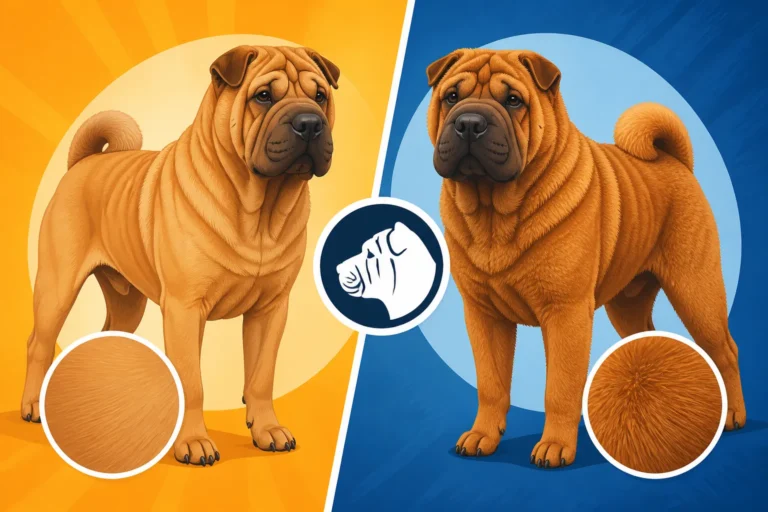
Imagine running your hand over a stiff, bristly brush. That's often the sensation of a true horse coat Shar Pei. This coat type is notably short, typically less than half an inch in length, and its texture is coarse and wiry. It's truly like sandpaper, and while it might seem robust, it actually makes the skin underneath incredibly sensitive. Many first-time owners are surprised by how harsh this coat feels, often expecting something softer, and this initial shock can sometimes lead to underestimating the coat's specific needs.
Because of its stiff nature, the horse coat can sometimes cause self-irritation. Imagine microscopic bristles constantly rubbing against those delicate skin folds. This constant friction, especially in areas of high movement or deep wrinkles, can lead to redness and discomfort if not properly managed. This coat type is often considered closer to the original Shar Pei standard and, ironically, its harshness is part of its charm for breed enthusiasts, but it certainly isn't without its challenges for the dog.
Beyond self-irritation, the horse coat doesn't offer much insulation, meaning these dogs can get cold quickly in winter and are also quite susceptible to skin exposure. While they don't mat or tangle, their very short, stiff hairs can embed themselves in furniture and clothing, making shedding, though less voluminous, a persistent presence in the home. Owners quickly learn that a quality lint roller is their best friend, even if the dog doesn't look like a heavy shedder.
The Brush Coat: Softer, but Still Demanding
The brush coat offers a distinct contrast to the horse coat. It's longer, typically between one-half to one inch in length, and much softer to the touch. It still has a certain density, but it lacks the abrasive quality of the horse coat. For many who are drawn to the Shar Pei's distinctive look but prefer a less "prickly" companion, the brush coat seems like the easier option. And in some ways, it can be.
However, "easier" is a relative term when it comes to Shar Pei. The brush coat's slightly longer length means it can mask skin issues more effectively than the sparse horse coat. Redness, flakiness, or even small bumps might go unnoticed for longer under the denser brush coat, especially in the deeper folds that are already challenging to inspect. This means owners of brush coat Shar Pei need to be even more diligent with regular, hands-on inspections, making sure to part the hair and truly examine the skin beneath.
While less prone to self-irritation from the coat itself, the brush coat can trap moisture and debris more easily within its slightly longer hairs, particularly in those crucial folds. This creates a prime environment for yeast and bacterial infections if not dried meticulously after baths or even damp weather. So, while it feels softer, it requires just as much, if not more, attention to hygiene and drying to prevent problems lurking beneath the surface.
The "Bear Coat" Myth and Its Implications
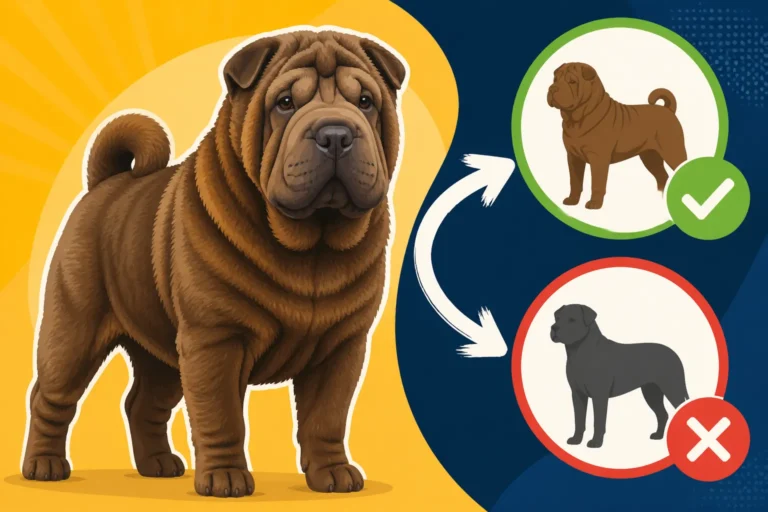
Every now and then, you might encounter discussions about a "bear coat" Shar Pei, often accompanied by pictures of dogs with significantly longer, fluffier fur. It's important to clarify right away: the bear coat is not a recognized or standard coat type for the Shar Pei breed. While undeniably cute and soft-looking, a Shar Pei with a long, fluffy coat is considered a fault under breed standards and is often indicative of mixed breeding or a genetic anomaly that deviates from the true Shar Pei characteristics.
Genetically, the bear coat is a recessive trait, meaning both parents must carry the gene for it to appear in offspring. Responsible breeders typically avoid breeding dogs that carry this gene to maintain the breed standard and health integrity. The presence of a bear coat often signals that the dog's lineage might not be purebred or that health considerations were secondary to aesthetics in its breeding. Whether a Bear Coat Shar Pei Can Be Registered highlights the non-standard nature of this coat.
From a health perspective, these longer, denser coats can introduce a whole new set of grooming challenges. They are more prone to matting, can easily trap dirt and moisture, and may exacerbate skin conditions by limiting air circulation. Owners might find themselves dealing with tangles, hotspots, and persistent dampness in the deep folds, all of which require specialized grooming techniques that differ significantly from the care needed for standard horse or brush coats. Therefore, while visually striking, a "bear coat" is not something a responsible Shar Pei owner should actively seek out, as it can be a red flag for breed authenticity and future health concerns.
Daily Grooming Differences and Considerations
Grooming a Shar Pei is an ongoing commitment, not a sporadic task. The unique structure of their skin and coat means that even seemingly simple routines like brushing and bathing need to be adapted based on whether your companion sports a horse coat or a brush coat. It’s about being proactive and understanding the subtle nuances that can make a world of difference in preventing discomfort and costly vet visits.
Brushing Routines for Each Coat
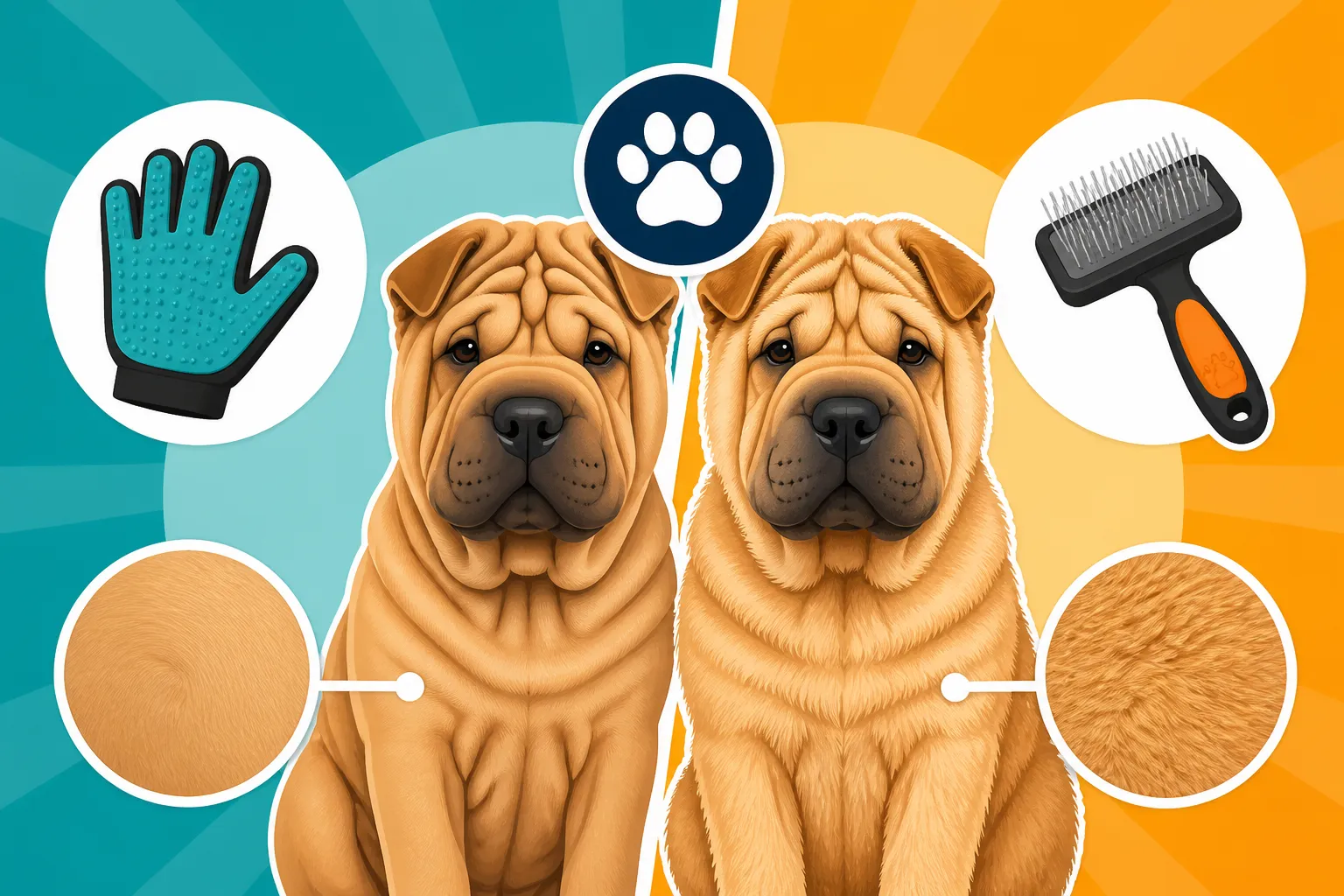
Let's talk brushing. For a horse coat Shar Pei, the goal isn't really to detangle – there's nothing to detangle! Instead, brushing serves two main purposes: to remove loose, dead hairs and to stimulate the skin, improving circulation. A rubber curry comb or a grooming mitt with rubber nubs is your best friend here. These tools effectively grab those short, stiff hairs without irritating the delicate skin beneath. You'll want to brush in short, firm strokes, moving with the hair growth. This can be done a few times a week, or even daily during shedding seasons, which are typically twice a year. The key is consistency; even though the hair is short, it does shed, and regular brushing helps to keep it off your furniture and prevents those tiny, embedded hairs that are so difficult to remove.
For brush coat Shar Pei, the routine is similar but with a slightly different emphasis. While a rubber curry comb is still excellent for removing loose hair and stimulating the skin, you might also find a slicker brush or a soft bristle brush useful for smoothing the coat and ensuring no debris is trapped. The brush coat, being a bit longer, can hold onto more environmental allergens and dirt, so more thorough brushing helps to keep the coat clean. Aim for at least 2-3 times a week, and more frequently if your dog spends a lot of time outdoors. Pay extra attention to the areas around the ears, neck, and tail, where the coat might be slightly thicker or where debris tends to accumulate. Regular brushing also gives you an opportunity to perform a quick skin check, which is vital for both coat types.
No matter the coat, brushing should be a positive experience. Start early in puppyhood, keeping sessions short and rewarding. This builds trust and makes future grooming much easier. Investing in good quality brushes, perhaps from a brand like Amazon Basics or one of the more specialized pet grooming lines available through Chewy, makes a real difference in effectiveness and comfort for your Shar Pei.
Bathing Frequency and Product Choices
Bathing a Shar Pei is an exercise in precision and patience, and the coat type plays a role. For horse coat Shar Pei, baths might be needed slightly more often, perhaps every 2-4 weeks, especially if they have sensitive skin or are prone to environmental allergies. The short, stiff hairs don't provide much protection, so regular cleansing can help remove irritants. When it comes to shampoo, prioritize gentle, hypoallergenic, or medicated formulas if your vet recommends them. Look for shampoos designed for sensitive skin, free from harsh dyes and fragrances. Thorough rinsing is paramount; any residue left behind can cause significant skin irritation.
Brush coat Shar Pei might be bathed on a similar schedule, or sometimes slightly less frequently, around every 3-6 weeks, depending on their activity level and skin health. The slightly longer coat means it can trap more dirt and debris, but also allows for a bit more air circulation than you might think in between baths. Again, gentle shampoos are key. You might also find a deshedding shampoo helpful during heavy shedding periods to encourage loose hair release. The biggest challenge with brush coats during bathing is ensuring water fully penetrates to the skin and, more importantly, that all shampoo is completely rinsed out. The denser coat can make it deceptively difficult to get every last bubble.
For both coat types, always use lukewarm water, never hot. Start from the neck and work your way down, paying special attention to all those glorious wrinkles and folds. This is where bacteria and yeast love to hide. For products, I often recommend talking to your vet, but many owners have good experiences with gentle oatmeal-based shampoos or those specifically formulated for dogs with skin sensitivities, readily available from retailers like Chewy or your local pet supply store.
The Art of Drying: Preventing Skin Issues
If bathing a Shar Pei is an art, drying is the masterpiece. And it's probably the single most critical step in preventing skin problems, regardless of whether your Shar Pei has a horse coat or a brush coat. Drying Is More Important Than Washing on a Shar Pei isn't just a catchy phrase; it's a golden rule. Any moisture left in the skin folds is an open invitation for bacterial and yeast infections, leading to painful skin fold dermatitis.
For horse coat Shar Pei, the short hair means drying might seem quicker, but don't be fooled. The folds themselves can still trap plenty of moisture. After a good towel dry (blotting, not rubbing vigorously), use a hairdryer on a cool or low-heat setting. Gently part the wrinkles and direct the airflow into those crevices. It’s painstaking work, but skipping this step is a recipe for disaster. Think of it like drying between your fingers and toes; you wouldn’t leave them damp, and your Shar Pei's folds are even more prone to issues. Make sure the dog is completely dry to the skin before letting them roam freely.
With a brush coat Shar Pei, the task of drying can feel even more monumental. The longer, denser hair holds more water, and if you don't get down to the skin, that moisture will sit and fester. Again, start with thorough towel drying. Then, the hairdryer is indispensable. You'll need to work in sections, lifting the hair and directing air deep into the coat, ensuring the skin is dry. Be methodical, especially in the neck rolls, face wrinkles, and around the tail. Some owners even use grooming blasters (designed for dogs) on a low setting to help push water out of the deeper coat efficiently, but always ensure the air isn't too hot and doesn't scare your dog. Patience is key here; a hurried drying session will likely lead to problems down the line. It's truly a labor of love to get a Shar Pei completely dry.
Managing the Unique Skin Challenges Tied to Coat Type
Shar Pei are renowned for their wrinkles, and while those folds are undeniably adorable, they also present a unique set of challenges that can manifest differently depending on the coat type. Their skin, the largest organ, is also often their largest problem area, making vigilant care absolutely non-negotiable. Skin Is the Shar Pei's Largest Problem by Surface Area underscores this reality.
Horse Coat and Skin Irritation
The horse coat, with its characteristic prickly texture, can be a double-edged sword. On one hand, its sparsity means there's less hair to trap moisture or conceal skin issues. On the other hand, the very stiffness of the hairs can cause mechanical irritation to the delicate skin, especially in the deep, moist folds. Imagine thousands of tiny, stiff bristles constantly rubbing against skin that is already prone to inflammation. This self-inflicted irritation can lead to chronic redness, itchiness, and even small abrasions, creating entry points for bacteria.
Furthermore, horse coat Shar Pei often seem more susceptible to environmental irritants simply because there’s less fur acting as a barrier. Pollen, dust mites, and other allergens have more direct access to their skin. Owners might notice their horse coat Shar Pei scratching or rubbing more frequently, even if there are no visible lesions initially. This constant irritation can quickly escalate into widespread skin inflammation or hotspots if not addressed promptly. Managing this often involves regular bathing with soothing shampoos, meticulous drying, and sometimes topical treatments or even systemic medications prescribed by a vet to control the itch cycle.
Preventative measures for horse coat irritation include keeping the coat clean and well-conditioned (with appropriate dog-specific conditioners, always thoroughly rinsed), ensuring their environment is as dust and allergen-free as possible, and regularly checking their skin for any signs of redness or discomfort. A good quality, soft towel and a cool-setting hairdryer are crucial tools in your arsenal to keep their sensitive skin healthy.
Brush Coat and Hidden Fold Dermatitis
While the brush coat feels softer, its slightly longer and denser nature can create its own set of problems, particularly by making it easier for issues to hide. Skin Fold Dermatitis on a Shar Pei is a pervasive problem for the breed, and for brush coat Shar Pei, the longer hair can act as a curtain, concealing the early signs of infection. Moisture, sweat, and oils can get trapped more readily deep within the folds, creating a warm, damp, and dark environment – the perfect breeding ground for yeast and bacteria.
Owners might not notice the tell-tale redness, swelling, or crusting until the infection has become quite advanced, often detected by a distinct, unpleasant odor emanating from the folds. By this point, the dog is usually experiencing significant discomfort, leading to increased scratching, rubbing, or even self-mutilation. This delayed detection often means more intensive treatment is required, sometimes involving oral antibiotics or antifungals in addition to topical treatments.
The key to managing potential hidden fold dermatitis in brush coat Shar Pei is proactive and thorough inspection. Every time you groom, bathe, or even just cuddle, make it a habit to gently part the hair and visually examine all the folds – facial, neck, body, and tail. Lift their chin, peer into their muzzle wrinkles, and check under their tail. If you notice any redness, discharge, unusual odor, or sensitivity to touch, it’s time to act. Regular cleaning of the folds with appropriate antiseptic wipes or solutions recommended by your vet can also be a game-changer.
Humidity and Its Impact on Both Coats
Humidity, whether from the climate you live in or simply a damp day, is a major enemy of healthy Shar Pei skin, affecting both horse and brush coat types, albeit in slightly different ways. For both, humidity means more moisture in the air, which can easily get trapped against the skin, particularly within those characteristic folds. This constant dampness creates an ideal environment for the proliferation of bacteria and yeast, leading to infections.
For horse coat Shar Pei, high humidity can exacerbate existing skin sensitivities and make them feel even itchier and more uncomfortable. While their short coats might seem to dry quickly, the skin itself can remain clammy, especially when environmental moisture levels are high. This can lead to a feeling of stickiness or a predisposition to fungal growth on the skin surface. Owners often report their horse coat Shar Pei becoming more irritable or restless on humid days, driven by invisible discomfort.
Brush coat Shar Pei, with their denser hair, are even more vulnerable to humidity trapping moisture against their skin. The slightly longer hairs can hold onto humidity like a sponge, making it incredibly difficult for the skin underneath to breathe and stay dry. This is particularly true in their deeper folds and underbelly. A brush coat Shar Pei left damp after a humid walk, or even just existing in a high-humidity indoor environment, is at a much higher risk for developing hot spots, yeast infections, and general skin inflammation. Proper air circulation around their living and sleeping areas is vital, and some owners even consider dehumidifiers in their homes during peak humidity seasons. After any outdoor excursion in damp weather, a quick towel dry and even a brief session with a cool-setting hairdryer, especially in the folds, can make a huge difference in preventing problems.
Ear Care and Nail Trimming: Universal Needs, Coat-Specific Nuances
While coat type profoundly influences how you manage a Shar Pei's fur and skin, some essential care routines are universal to the breed, yet still demand attention to detail that is uniquely Shar Pei. Their ears and nails might not be directly related to fur texture, but neglecting them can lead to significant discomfort and health issues.
Navigating the Narrow Ear Canals
Regardless of whether your Shar Pei has a horse coat or a brush coat, one anatomical feature remains constant and problematic: their incredibly narrow ear canals. A Shar Pei Has the Narrowest Ear Canals of Any Breed isn't an exaggeration; it's a stark reality that predisposes them to chronic ear infections. These tight, often folded, canals create a perfect breeding ground for moisture, wax, and debris to get trapped, leading to bacterial or yeast overgrowth. The small, rose-shaped ears of the Shar Pei, while endearing, also contribute to poor air circulation, compounding the problem.
Regular ear cleaning is not just recommended; it's absolutely essential. Aim for weekly cleaning, or more frequently if your Shar Pei is prone to infections or has just had a bath or swim. Use a vet-recommended ear cleaning solution – never just water, which can make things worse. Gently lift the ear flap and squeeze a small amount of cleaner into the canal. Massage the base of the ear for 20-30 seconds to help break up wax and debris, then allow your Shar Pei to shake their head (which they will enthusiastically do!). Finally, use a soft cotton ball or gauze to wipe away any discharge from the visible outer part of the ear. Never use cotton swabs deep inside the canal, as this can push debris further in and potentially damage the eardrum.
Even with diligent home care, many Shar Pei will still experience ear infections. Signs include head shaking, scratching at the ears, redness, odor, or discharge. If you notice any of these symptoms, a vet visit is imperative. Chronic ear issues can be painful and, if left untreated, can even lead to more serious conditions, including total ear canal ablation in severe cases. Being proactive about ear health is a non-negotiable part of Shar Pei ownership. How Often a Shar Pei Gets an Ear Infection is a frequent concern for owners for good reason.
Nail Maintenance: Why It's More Than Cosmetic
Nail trimming might seem like a minor detail, but for a Shar Pei, keeping their nails at an appropriate length is crucial for their comfort and long-term joint health. Overly long nails can splay their toes, change their gait, and put undue pressure on their paw pads and joints, potentially leading to pain and orthopedic problems over time. Because of their body structure and often reserved nature, they might not always get enough natural wear on their nails from walking, making regular trimming vital.
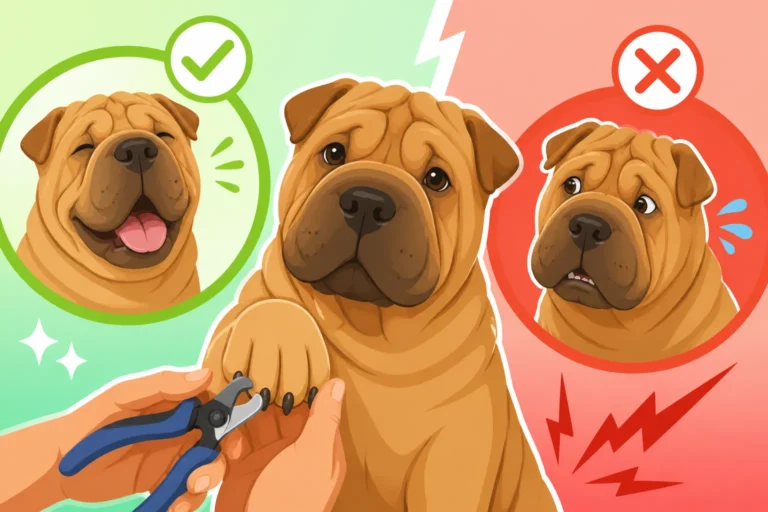
For both horse and brush coat Shar Pei, aim to trim nails every 2-4 weeks. You should ideally not be able to hear their nails clicking on hard floors when they walk. If you're new to nail trimming, it's a good idea to have a vet or professional groomer demonstrate the correct technique. Shar Pei, like many breeds, can have sensitive quicks (the blood vessel and nerve within the nail), so taking off small amounts frequently is better than trying to take off a lot at once. Invest in a good quality pair of dog nail clippers or a Dremel-style grinder, which some owners find easier to use and less intimidating for their dogs.
Start nail care early in puppyhood, making it a positive experience with lots of praise and treats. If your adult Shar Pei is resistant, work in short sessions, focusing on one or two nails at a time, gradually building their tolerance. If you accidentally cut into the quick, don't panic. Have styptic powder on hand to stop the bleeding. Consistent, gentle handling will make this essential chore much easier for both you and your Shar Pei.
Dental Care for All Shar Pei
Just like with their ears, a Shar Pei's dental health requires consistent attention, regardless of their coat type. Dental disease in dogs is incredibly common, and Shar Pei are no exception. Plaque and tartar buildup can lead to gingivitis, painful infections, and eventually tooth loss. Beyond the mouth, poor dental hygiene has been linked to more serious systemic health issues, including heart and kidney disease, as bacteria from infected gums can enter the bloodstream.
Ideally, you should aim to brush your Shar Pei's teeth daily with a dog-specific toothpaste (never human toothpaste, as it contains xylitol which is toxic to dogs). Start slowly, introducing the toothbrush and paste for short periods, and gradually increase the duration. There are various flavors of dog toothpaste available, some of which are quite palatable. If daily brushing isn't feasible, aim for at least a few times a week. Even that can make a significant difference.
Beyond brushing, dental chews, water additives, and specialized dental diets can help reduce plaque buildup, but they are not a substitute for brushing. Regular veterinary check-ups should always include a dental examination. Many adult Shar Pei will require professional dental cleanings under anesthesia at some point in their lives, which allows the vet to thoroughly scale and polish the teeth, as well as address any underlying issues like gum disease or extractions. Early intervention and consistent home care can significantly reduce the frequency and intensity of these professional cleanings, saving your Shar Pei from discomfort and you from potentially significant veterinary bills.
Feeding for a Healthy Coat and Skin
What goes into your Shar Pei's bowl has a profound impact on what you see on the outside, particularly concerning their skin and coat health. Nutrition isn't just about filling their belly; it's about providing the building blocks for a robust immune system, healthy skin barrier, and a shiny, well-maintained coat, whether it's horse or brush.
Diet's Role in Coat Health: From the Inside Out
A high-quality, balanced diet is the cornerstone of good coat health for any Shar Pei. Just like with humans, a dog's skin and fur are often the first places to show signs of nutritional deficiencies or imbalances. Your Shar Pei's diet should contain easily digestible proteins, healthy fats, and a full spectrum of vitamins and minerals. Think of it as fueling their entire system from the cellular level up.
Protein is crucial for hair growth and skin repair. Look for named meat sources like chicken, beef, lamb, or fish as the first ingredients. High-quality animal proteins provide the essential amino acids needed to build and maintain healthy skin and a strong hair shaft. Fats, particularly omega-3 and omega-6 fatty acids, are vital for skin barrier function and coat luster. These healthy fats help keep the skin supple and reduce inflammation, which is a common issue for Shar Pei. Many premium dog foods, including those from brands focused on fresh ingredients like Ollie, pay close attention to these nutritional aspects, and you can often find a wide variety of reputable kibble and wet food options on platforms like Chewy.
A diet rich in antioxidants (from fruits and vegetables) also supports overall skin health by combating free radical damage. If your Shar Pei is showing signs of a dull coat, excessive shedding (beyond normal seasonal changes), or dry, flaky skin, the first place to look is often their food bowl. Sometimes, a simple upgrade to a higher quality diet can make a noticeable difference in their coat's appearance and texture.
Addressing Food Sensitivities and Allergies
For many Shar Pei owners, skin issues are a persistent battle, and often, food sensitivities or allergies are a major contributing factor. Both horse coat and brush coat Shar Pei can develop adverse reactions to certain ingredients, which often manifest as chronic itching, redness, ear infections, and skin inflammation. Food Allergies in a Shar Pei are unfortunately common, and identifying the culprits can be a long and frustrating journey.
Common allergens in dogs include proteins like chicken, beef, dairy, wheat, and soy. If your Shar Pei is constantly scratching, has recurrent ear problems, or exhibits persistent skin inflammation despite good topical care, your vet might suggest an elimination diet. This involves feeding a novel protein source (one your dog has never eaten before, like duck, venison, or rabbit) and a single carbohydrate source for a strict period, typically 8-12 weeks, to see if symptoms improve. During this time, absolutely no other treats, table scraps, or flavored medications are allowed. After the elimination phase, ingredients are slowly reintroduced to identify the specific trigger.
Finding a limited ingredient diet (LID) or hydrolyzed protein diet can be helpful for Shar Pei with sensitivities. These specialized foods break down proteins into smaller components that the immune system is less likely to recognize as allergens. You can find a wide array of LID options, often featuring novel proteins, from online retailers like Chewy or Amazon, but always consult with your veterinarian before making significant dietary changes, especially for suspected allergies. This process requires patience and commitment, but identifying and removing food allergens can bring immense relief to your Shar Pei's skin.
Hydration and Supplementation
Beyond the food itself, proper hydration is an often-overlooked component of overall health, including skin and coat quality. Just like humans, dogs need adequate water intake for all bodily functions, and this includes maintaining skin elasticity and healthy cellular turnover. Ensure your Shar Pei always has access to fresh, clean water. Some dogs prefer filtered water, and keeping water bowls sparkling clean can encourage more drinking. If your Shar Pei isn't a big drinker, consider adding some wet food to their diet or offering a dog-specific broth to boost their fluid intake.
In addition to a balanced diet, certain supplements can provide targeted support for Shar Pei skin and coat health, particularly for those prone to issues. Omega fatty acids, specifically EPA and DHA (found in fish oil), are highly beneficial. They have anti-inflammatory properties that can help soothe irritated skin, reduce itchiness, and improve the skin barrier function. Look for high-quality fish oil supplements specifically formulated for dogs. For example, brands often available on Chewy or Amazon may offer these. Always consult your vet before adding any supplements to your Shar Pei's regimen, as they can recommend appropriate dosages and ensure there are no contraindications with existing medications or health conditions.
Other supplements sometimes considered include probiotics (to support gut health, which can influence skin health), and vitamins like E, which is a powerful antioxidant. The choice of supplement often depends on the specific skin issue your Shar Pei is facing. For instance, a Shar Pei with chronic dryness might benefit more from omega oils, while one with recurrent infections might see improvement with a gut-supporting probiotic. The goal is to complement, not replace, a high-quality diet and consistent veterinary care.
Seasonal Care Adjustments for Different Coats
Just as your wardrobe changes with the seasons, so too should your Shar Pei's care routine. The environment plays a huge role in skin and coat health, and ignoring seasonal shifts can lead to preventable discomfort for your beloved companion, regardless of whether they have a horse coat or a brush coat.
Summer Strategies: Keeping Cool
Summer brings its own set of challenges for Shar Pei, especially concerning heat management. Heat Management Is Daily Work With a Shar Pei is a critical piece of advice, as these dogs, with their dense skin and often deep wrinkles, are prone to overheating. This applies to both coat types. While a horse coat might seem to offer less insulation, the sheer density of their skin means they don't dissipate heat as efficiently as other breeds. Brush coats, with their slightly longer hair, can trap even more heat if not managed carefully.
During warmer months, prioritize cooler morning and evening walks, avoiding the midday sun. Provide plenty of fresh water and consider cooling mats or elevated dog beds that allow air circulation. For lighter-colored Shar Pei, particularly those with sparse horse coats, sunburn can even be a concern on exposed skin, so consider vet-approved pet sunscreen for sensitive areas if they will be spending time outdoors. Never, ever leave a Shar Pei in a hot car, even for a few minutes; their brachycephalic tendencies (though not as pronounced as some breeds) combined with their skin structure make them highly vulnerable to heatstroke.
Increased humidity in summer can also exacerbate skin fold issues. After any outdoor activity, even a short one, quickly wipe down your Shar Pei's folds and ensure they are thoroughly dry to prevent moisture accumulation. Regular bathing with a mild, soothing shampoo might be needed more frequently in summer to wash away pollen and environmental allergens that can stick to their coats and irritate their skin.
Winter Worries: Cold and Dry Air
When the temperatures drop and the air becomes dry, a new set of skin challenges emerges. Winter air, especially indoors with heating systems running, can strip moisture from your Shar Pei's skin, leading to dryness, flakiness, and increased itchiness for both horse and brush coats. You might notice more static in their fur, or see them scratching more without visible signs of fleas or infection.
For horse coat Shar Pei, the lack of insulating fur means they can get cold quickly. While they are primarily indoor dogs, short outdoor excursions require consideration. A warm dog coat or sweater can be a practical solution for walks in colder climates. Internally, the dry air can lead to dry skin, so ensuring their diet includes plenty of omega fatty acids (perhaps through a supplement as discussed earlier) can help maintain skin hydration from within. Humidifiers in your home can also make a significant difference in combating dry air.
Brush coat Shar Pei, while having a bit more insulation, are still susceptible to dry winter skin. Their denser coat can sometimes appear dull or feel brittle if the skin underneath is dehydrated. Regular brushing helps to distribute natural skin oils, and a soothing, moisturizing shampoo (followed by thorough drying) can be beneficial during their winter baths. Some owners find that a leave-in conditioner or skin balm, applied to specific dry patches, can provide relief. Remember, even in winter, those folds can still trap moisture, so meticulous drying after baths remains crucial to prevent infections in brush coats, even if the general air is dry.
Allergy Season: Extra Vigilance
Spring and fall often bring "allergy season," a time of year when environmental allergens like pollen, mold spores, and dust mites are prevalent. For many Shar Pei, this means an increase in skin flare-ups, regardless of coat type. Their already sensitive skin makes them particularly prone to allergic reactions, and these reactions often manifest as intense itching, redness, ear infections, and even paw chewing.
During peak allergy seasons, owners of both horse and brush coat Shar Pei need to be extra vigilant. After outdoor activities, a quick wipe-down of their paws and face (especially the folds) with a damp cloth can help remove allergens that have settled on their fur. Increasing bath frequency with an anti-itch or hypoallergenic shampoo might be beneficial to wash away irritants before they can trigger a full-blown reaction. Your vet may also recommend specific topical sprays or medicated wipes for use between baths.
For Shar Pei with known environmental allergies, your vet might discuss options like antihistamines, specialized allergy medications, or even immunotherapy (allergy shots). It's crucial not to delay a vet visit if your Shar Pei is showing signs of severe or persistent itching, as secondary bacterial or yeast infections can quickly take hold on compromised skin. Early intervention can prevent a minor itch from becoming a major, painful skin crisis. Keeping a log of when flare-ups occur can also help your vet identify seasonal patterns and tailor treatment plans.
Recognizing and Responding to Coat-Related Health Issues
The truth is, owning a Shar Pei means becoming intimately familiar with their skin. It's often where the first signs of trouble appear, long before other symptoms. Understanding what to look for, and when to seek professional help, is perhaps the most important skill a Shar Pei owner can develop. What a Shar Pei's Skin Tells You Before Its Behavior Does really speaks to this.
Identifying Skin Fold Dermatitis Early
Skin fold dermatitis is a common and often painful condition for Shar Pei, affecting both horse and brush coats where skin meets skin. In its early stages, it might just look like a little redness or a faint, slightly yeasty smell emanating from a fold. For horse coat Shar Pei, the redness and irritation might be more immediately visible due to the sparse hair. You might also notice them rubbing their face against furniture or scratching more around their neck and tail base.
For brush coat Shar Pei, as discussed, the slightly longer hair can unfortunately mask these early signs. You might not see the redness, but you might detect a subtle odor that isn't their usual "dog smell," or notice them being more sensitive when you touch a particular fold. As it progresses, the area will become more inflamed, moist, and potentially ulcerated. You might see a dark, waxy discharge, especially in the deeper folds, and the smell will become much stronger and more unpleasant. The dog will likely be very itchy and uncomfortable, possibly even painful to the touch.
Regular, thorough checks are your best defense. Once a week, and especially after baths, take the time to gently part every fold on your Shar Pei – around their muzzle, under their chin, along their neck, in their armpits and groin, and, crucially, around their tail. Look for any redness, swelling, discharge, or changes in skin texture. Catching skin fold dermatitis in its infancy means quicker, easier, and less painful treatment for your dog, often preventing the need for strong antibiotics or antifungals.
Dealing with Excessive Shedding or Dryness
Shedding is a normal physiological process for dogs, and Shar Pei do shed. They typically have two major shedding cycles per year, in spring and fall, where they blow their coat to prepare for the change in seasons. During these times, you'll see a noticeable increase in hair around your home, regardless of whether your Shar Pei has a horse coat or a brush coat. Regular brushing, as detailed earlier, is the best way to manage this and help the process along.
However, excessive, non-seasonal shedding, or shedding accompanied by other symptoms, can be a red flag. If your Shar Pei is losing hair in patches, has thinning fur, or develops bald spots, it could indicate underlying health issues such as allergies, hormonal imbalances (like hypothyroidism, which is known to affect the breed), parasitic infections (like demodectic mange, which Shar Pei can be prone to – Whether a Shar Pei Gets Demodectic Mange), or nutritional deficiencies. Similarly, chronic dry, flaky skin that isn't relieved by moisturizing shampoos or dietary adjustments could point to a deeper problem.
If you observe these symptoms, it's time for a vet visit. Your veterinarian can perform diagnostics like skin scrapes, blood tests, or allergy testing to get to the root of the problem. Sometimes, the solution is as simple as switching to a more appropriate diet or adding a supplement; other times, it might require medication to address an underlying medical condition. Ignoring persistent skin and coat problems can lead to chronic discomfort and more severe health complications for your Shar Pei.
The Vet's Role: When to Consult a Professional
While diligent home care is invaluable, knowing when to call in the professionals is paramount for Shar Pei health. Their unique anatomy and genetic predispositions mean that many issues require veterinary expertise. Never hesitate to contact your vet if you are unsure about a skin or coat problem, or if your Shar Pei is showing signs of pain or severe discomfort.
You should consult a vet immediately if you notice:
- Persistent itching or scratching: Especially if it's disrupting their sleep or daily activities.
- Redness, swelling, or heat in any skin fold or on the general skin surface: These are classic signs of inflammation or infection.
- Strong, foul odor from the skin or ears: This almost always indicates bacterial or yeast overgrowth.
- Discharge (pus or blood) from ears, skin folds, or any open sores.
- Hair loss, bald patches, or scabs: These can indicate a range of issues from parasites to allergies to hormonal problems.
- Lethargy, loss of appetite, or behavioral changes alongside skin issues: These could mean the infection is systemic or the discomfort is severe.
Your general veterinarian is your first point of contact. They can diagnose many common skin conditions and prescribe initial treatments. However, if your Shar Pei experiences chronic, recurrent, or complex skin problems, your vet might recommend a referral to a veterinary dermatologist. These specialists have advanced training and diagnostic tools to tackle the most challenging skin cases, offering solutions that might not be available through general practice. Investing in specialized care for persistent issues can ultimately provide your Shar Pei with a much better quality of life and save you money in the long run by avoiding endless trial-and-error treatments.
Long-Term Care and the Lifespan of the Coat
Owning a Shar Pei is a journey, and just like any journey, there are different phases. Their coat and skin, while presenting consistent challenges, also evolve over their lifespan. Understanding these changes and adapting your care is key to their long-term well-being.
Coat Changes as a Shar Pei Ages
As your beloved Shar Pei transitions from energetic puppy to dignified senior, you might notice subtle shifts in their coat. For both horse and brush coats, it's common for the fur to become a little thinner, perhaps less dense, and sometimes even coarser or softer in texture as they age. You might also see some graying, particularly around the muzzle and eyes, similar to how human hair changes. This is a natural part of the aging process. Caring for a Shar Pei Past Seven involves recognizing these changes and adjusting accordingly.
The skin underneath the coat can also change. Older Shar Pei may develop drier skin, become more prone to flaky patches, or experience a decrease in natural oil production. Their skin might lose some elasticity, and while their signature wrinkles remain, they might settle differently. This means that your moisturizing routines, choice of shampoo, and dietary supplements (like adding more omega fatty acids) might need to be adjusted to support their aging skin and coat.
Reduced mobility in senior Shar Pei can also impact grooming. They might find it harder to stand for long periods during baths or struggle to maintain certain positions for fold cleaning. This requires extra patience and gentle handling from you. Adapting their grooming routine to accommodate their comfort level is crucial to ensure they continue to receive the care they need without causing them stress or pain.
Breeding Considerations and Coat Genetics
For those interested in the genetics behind Shar Pei coats, particularly in the context of responsible breeding, understanding the different coat types is paramount. The horse coat is generally considered the original and most dominant coat type, while the brush coat is recessive. This means two horse coat parents can produce brush coat puppies if both carry the recessive gene. The non-standard "bear coat" is a separate recessive trait. Whether a Horse Coat Shar Pei Is Closer to the Original is a common question among breed enthusiasts, highlighting the historical context.
Responsible breeders prioritize health and temperament above all else. They understand the genetic implications of coat types, not just for appearance, but for potential health predispositions. For example, while both coat types are prone to skin issues, the prevalence and specific manifestations can vary. Breeders will carefully consider the coat types in their breeding pairs to ensure genetic diversity and to produce healthy puppies that conform to breed standards.
If you are considering acquiring a Shar Pei puppy, always seek out a reputable breeder who can clearly articulate the coat types in their lines, provide health clearances for the parents, and discuss any health issues prevalent in the breed. They should be transparent about their breeding practices and focus on improving the health of the breed, not just producing a certain "look." Avoiding breeders who market "rare" or non-standard coat types, like the "bear coat," is generally a wise choice, as these often come from less reputable sources focused on novelty over health.
A Lifetime of Love and Vigilance
Ultimately, whether your Shar Pei proudly sports a prickly horse coat or a softer brush coat, the overarching theme of their care is a lifetime of love and vigilance. These dogs, with their deeply endearing personalities and incredibly unique physical characteristics, require a dedicated owner who understands their specific needs. Their wrinkles are a trademark, but they are also a responsibility.
From the moment you bring your Shar Pei puppy home, establishing consistent grooming, dietary, and veterinary care routines is crucial. These habits will not only prevent many common health problems but also build a strong bond of trust and comfort between you and your dog. Regular check-ups, proactive grooming, and an observant eye for any subtle changes in their skin or behavior are the cornerstones of ensuring a long, healthy, and happy life for your wrinkly companion.
Embrace the uniqueness of your Shar Pei, understand their coat type, and commit to the journey of their care. The rewards of their loyalty, affection, and distinct charm are immeasurable, making every bit of effort truly worthwhile.
| Feature / Trait | Horse Coat Shar Pei | Brush Coat Shar Pei |
|---|---|---|
| Length | Very short, < 1/2 inch | Longer, 1/2 to 1 inch |
| Texture | Stiff, bristly, sandpapery | Softer, smoother, less abrasive |
| Feel | Prickly, harsh | Dense, plush |
| Self-Irritation | More prone due to stiff hairs rubbing in folds | Less direct self-irritation from coat texture |
| Visibility of Skin | More visible, easier to spot issues early | Can conceal skin issues longer due to denser hair |
| Moisture Trapping | Folds trap moisture, but coat doesn't hold much | Coat itself can trap more moisture, especially in folds |
| Drying Time | Appears to dry fast, but folds still need meticulous work | Longer to dry completely, requires thorough effort |
| Environmental Irritants | Less physical barrier, direct access to skin for allergens | Slightly more barrier, but can trap allergens in coat |
| Shedding | Consistent, short, sharp hairs that embed | Consistent, slightly longer hairs, may be more visible |
| Grooming Tool | Rubber curry comb, grooming mitt | Rubber curry comb, slicker brush, bristle brush |
Disclaimer
This article is for general informational purposes only and does not constitute professional advice. Laws, prices and regulations vary by location and change over time. Consult a qualified professional for guidance on your specific situation.