What a Shar Pei’s Skin Tells You Before Its Behavior Does
For any Shar Pei owner, the journey often feels like a constant vigil, a close watch over those precious wrinkles and folds that make our dogs so unique. But here's a truth many learn the hard way: your Shar Pei's skin isn't just a quirky feature; it's often the very first, most direct indicator of their underlying health, sometimes screaming for attention long before any change in their behavior gives you a clue. This guide will help you decipher those subtle (and sometimes not-so-subtle) messages their skin is sending, empowering you to address potential issues proactively and keep your wrinkly companion comfortable and healthy.
The Unique Nature of Shar Pei Skin
The very thing that defines a Shar Pei – those magnificent, abundant wrinkles – is also the source of many of its distinctive health challenges. It’s a double-edged sword, truly. While undeniably charming and a huge part of their appeal, this unique skin architecture, combined with specific genetic predispositions, sets them apart from most other breeds. Understanding these fundamental aspects is the first step in truly caring for your Shar Pei.
Why Their Wrinkles Are More Than Just Cute
Let's be honest, the wrinkles are what drew many of us to the Shar Pei in the first place. They're soft, they're expressive, and they're undeniably adorable on a puppy. But these aren't just cosmetic folds; they are an inherent part of the Shar Pei's biological makeup, stemming from a genetic mutation that causes an overproduction of hyaluronic acid. This acid, normally present in connective tissues, accumulates in the skin, giving it that characteristic loose, "hippopotamus hide" feel. It’s quite literally the reason for their saggy, folded appearance.
However, this excess of hyaluronic acid, while creating the breed's signature look, also creates a perfect storm for skin problems. These deep folds and rolls trap moisture, dirt, and debris against the skin, creating an ideal, warm, and often damp environment for bacteria, yeast, and other opportunistic organisms to thrive. Imagine living with skin that's constantly folded in on itself – it's prone to chafing, irritation, and a host of infections that can be incredibly uncomfortable for your dog. It's a constant management task, and sometimes it feels like a never-ending battle to keep those hidden areas clean and dry.
Beyond the external issues, the genetic mutation responsible for the wrinkles, specifically the duplication of the HAS2 gene, is also strongly linked to the propensity for One Mutation Gave the Shar Pei Its Wrinkles and Its Fever. This connection means that the very trait we find so endearing is intertwined with the breed's most infamous systemic health concern, making skin health a critical window into their overall well-being. It’s a stark reminder that beauty can come with a price, and for our Shar Pei, that price often involves vigilant health monitoring.
The Horse Coat and Brush Coat Difference
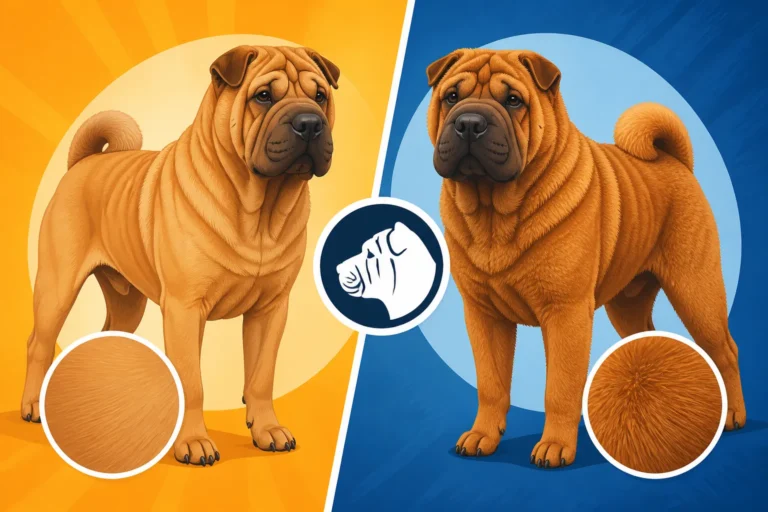
While all Shar Pei share that distinctive wrinkly skin, there's a significant difference in their coat types: the horse coat and the brush coat. These distinctions, while seemingly minor, actually play a pretty big role in how their skin behaves and what kind of care they need. It's not just about how soft they feel; it impacts everything from shedding to susceptibility to irritation.
The horse coat is the shorter, coarser, and pricklier of the two. It feels, as the name suggests, a bit like horsehair to the touch. This coat is notoriously famous for causing skin irritation in people who are sensitive to it, and it can even be uncomfortable for the dog themselves if they have particularly sensitive skin. Due to its very short nature, it offers less protection against environmental irritants and can sometimes feel almost abrasive against their own skin folds, exacerbating any existing issues. Owners of horse coat Shar Pei often report a higher incidence of general skin sensitivity.
The brush coat, on the other hand, is slightly longer, softer, and smoother. It still retains the characteristic "sandpaper" texture of the Shar Pei coat, but it's much less prickly than the horse coat. While brush coat Shar Pei are generally considered to have a bit more protection and possibly less direct irritation from their own fur, they are still just as susceptible to the underlying skin fold issues caused by their abundant skin. How a Horse Coat Shar Pei Differs From a Brush Coat delves into this more deeply. Both types require diligent care, but knowing which coat type your Shar Pei has can sometimes help anticipate certain nuances in their daily grooming and potential sensitivities.
Common Shar Pei Skin Conditions
Owning a Shar Pei means becoming intimately familiar with their skin. Unfortunately, for many, this familiarity often comes through dealing with a range of common skin conditions that seem to crop up repeatedly. It's a frustrating aspect of the breed, but with knowledge and proactive care, you can often keep these issues under control.
Skin Fold Dermatitis: A Constant Battle
This is perhaps the most ubiquitous skin issue for a Shar Pei, and it's exactly what it sounds like: inflammation and infection within the deep folds of their skin. Because the wrinkles trap moisture, sweat, and oils, and restrict airflow, they create a warm, dark, and often damp environment that's perfect for bacteria and yeast to multiply. Think of it like a perpetually sweaty armpit or groin fold, but all over your dog's face, neck, and sometimes even their body. It's truly a constant battle to keep these areas clean and dry.
The signs of skin fold dermatitis are usually pretty obvious once it flares up. You'll often notice a foul, yeasty smell emanating from the affected folds – not just a general doggy odor, but a distinct, pungent smell that indicates an infection. The skin itself will look red, inflamed, and often moist, sometimes with a brownish-red discharge staining the fur around it. Your dog will likely be very itchy in these areas, rubbing their face on furniture, pawing at their neck, or constantly licking their groin folds. This persistent itching and irritation can quickly lead to open sores, which then become even more susceptible to deeper infections.
Managing skin fold dermatitis is an ongoing commitment. It involves daily cleaning of the affected folds with appropriate antiseptic wipes or solutions, ensuring they are thoroughly dried afterward. In severe cases, your vet will likely prescribe topical medications, such as antimicrobial creams or medicated shampoos, and sometimes oral antibiotics or antifungals to clear up the infection. It's essential to follow these treatments diligently, even after the visible signs improve, because stopping too soon often leads to a quick recurrence. This is one area where consistent preventative care really pays off, and it's a topic we cover in depth in Skin Fold Dermatitis on a Shar Pei.
Mucinosis: The Puffy Problem
Mucinosis is another skin condition intrinsically linked to the Shar Pei's unique genetic makeup and that excess hyaluronic acid. While all Shar Pei have hyaluronic acid in their skin, some produce even more than others, leading to a condition called mucinosis. This isn't an infection or an allergy in the traditional sense, but rather an accumulation of mucin (a gel-like substance that includes hyaluronic acid) within the skin layers. It can manifest in different ways, from widespread puffiness to individual clear vesicles.
There are generally two forms of mucinosis. The first is diffuse mucinosis, which makes the dog's skin feel thick, doughy, and very puffy. Their face might look particularly swollen, almost as if they've had an allergic reaction, but it's constant. The wrinkles might seem exaggerated, and the skin can feel boggy to the touch. The second form involves the appearance of "mucin bubbles" or clear, jelly-like vesicles on the skin surface, especially in areas like the neck, chest, or flanks. These bubbles can sometimes spontaneously rupture, leaving a sticky residue. While often not painful themselves, these areas can become irritated or infected if the skin breaks.
While mucinosis often doesn't require direct treatment, it's important to understand that dogs with severe mucinosis might have a higher predisposition to certain other health issues. For example, excessive mucin in the skin can sometimes make it harder for the skin to "breathe" or heal, potentially exacerbating other skin conditions. If the mucinosis is severe and causing discomfort or recurrent secondary issues, your vet might discuss options to manage the symptoms, though there's no cure for the underlying genetic predisposition. Keeping the skin clean and dry, especially if vesicles rupture, is crucial to prevent secondary bacterial or yeast infections. You can learn more about this specific issue in What Cutaneous Mucinosis Is.
Allergies: When Itching Becomes a Lifestyle
It feels like every other Shar Pei owner you talk to has a story about their dog's allergies. And honestly, it's not surprising; allergies are incredibly prevalent in the breed, often turning itching into a chronic, frustrating lifestyle for both dog and owner. The Shar Pei's predisposition to skin issues seems to make them particularly reactive to environmental and food allergens, leading to persistent discomfort.
Shar Pei commonly suffer from atopic dermatitis, which is essentially environmental allergies. This means they react to things like pollen, dust mites, and molds, much like humans with hay fever. The symptoms usually manifest as intense itching, especially on their paws, face, ears, armpits, and groin. They might constantly lick their paws until they are raw and inflamed, rub their faces along carpets, or shake their heads excessively due to itchy ears. This incessant scratching breaks the skin barrier, allowing bacteria and yeast to invade, leading to secondary infections that compound the problem. It’s a vicious cycle that requires a multi-faceted approach to manage.
Food allergies are also quite common, though perhaps less frequently diagnosed than environmental ones. With food allergies, the itching often isn't seasonal and can involve digestive upset alongside skin symptoms. Identifying the culprit food can be a long, arduous process requiring a strict elimination diet, often for several months, followed by reintroduction of ingredients to pinpoint what triggers a reaction. Many owners explore Whether a Shar Pei Needs a Limited Ingredient Diet as a first step. Brands like Ollie, for instance, offer customized fresh food plans that can be tailored to avoid common allergens, which can be a real game-changer for some sensitive Shar Pei. Finding the right management strategy, whether it's medication, diet, or environmental control, is key to giving your allergic Shar Pei some much-needed relief from the relentless itch.
Beyond the Surface: Skin as a Symptom of Internal Issues
While many Shar Pei skin problems are topical, directly related to their unique anatomy and sensitivities, it’s crucial to remember that the skin is the body’s largest organ. This means it often acts as a mirror, reflecting deeper, systemic health issues that are brewing internally. For Shar Pei, in particular, certain skin signs can be invaluable early warnings for some of the breed's most serious conditions, long before other symptoms become obvious.
How Shar Pei Fever Manifests on the Skin
Shar Pei Fever, or Familial Shar Pei Fever (FSF), is a devastating auto-inflammatory disease unique to the breed. While most people associate it with fever, swollen hocks, and lethargy, it’s often overlooked that this condition can also have distinct skin manifestations. Sometimes, these skin signs can even precede or accompany a classic fever episode, giving you a visual cue that something serious is happening internally. Recognizing these subtle skin changes can be critical for early intervention.
During a fever episode, some Shar Pei may develop a generalized puffiness or swelling, particularly around the muzzle, eyes, or hocks. This isn't just mucinosis; it's an acute swelling related to the inflammatory response of the fever itself. The skin might feel tight, warm, and even tender to the touch in these areas. While less common, some owners report a generalized redness or flushing of the skin, almost like an allergic reaction, which is part of the inflammatory cascade. It’s a direct consequence of the body’s immune system being in overdrive, and it can be a jarring sight.
It's vital to differentiate this from regular mucinosis. The swelling with FSF is acute, usually comes on rapidly, and resolves as the fever passes, though it can recur with subsequent episodes. If you see your Shar Pei suddenly puff up like this, especially if combined with lethargy, loss of appetite, or an actual fever (a rectal temperature above 103°F), it's a strong indicator of a Shar Pei Fever episode. This genetic condition is linked to the same mutation that gives them their wrinkles, making skin a direct messenger for this dangerous internal process. For more details on this serious condition, refer to What a Shar Pei Fever Episode Looks Like. Prompt veterinary attention is always needed for a fever episode, as repeated fevers can lead to another devastating condition: amyloidosis.
Hypothyroidism and Its Skin Signals
Hypothyroidism, an underactive thyroid gland, is another systemic condition that can manifest clearly through a Shar Pei's skin and coat. It’s more common than you might think in many breeds, including Shar Pei, and because the thyroid hormone plays a crucial role in regulating metabolism and skin health, a deficiency can quickly lead to noticeable changes in their outer appearance. Unfortunately, these changes can sometimes be subtle enough to be dismissed as just "bad skin days" until the problem becomes more advanced.
One of the classic skin signs of hypothyroidism is a dull, dry, and brittle coat that sheds excessively. You might notice areas of hair loss, particularly on the flanks, chest, and tail, often in a symmetrical pattern. The skin itself can become dry, flaky, and sometimes greasy, leading to a condition called seborrhea. Shar Pei with hypothyroidism can also develop secondary bacterial skin infections or yeast infections more easily because their skin barrier is compromised and their immune system is not functioning optimally. Their skin might feel thickened and cool to the touch, and they might develop "rat tail" where the hair on their tail thins significantly.
Beyond the visible skin changes, Shar Pei with hypothyroidism often display other symptoms, such as weight gain despite no change in diet, lethargy, mental dullness, and intolerance to cold. If you notice a combination of these symptoms along with persistent or worsening skin and coat issues, it's definitely time to discuss thyroid testing with your veterinarian. A simple blood test can diagnose hypothyroidism, and once diagnosed, it's typically managed very effectively with daily oral medication, often leading to a remarkable improvement in coat quality and overall energy levels. Signs a Shar Pei's Thyroid Is Low offers more insights into this condition.
Immune System Woes and Their Cutaneous Clues
The Shar Pei breed is unfortunately prone to various immune-mediated conditions, and just like other systemic issues, these can frequently show up first on their skin. Their unique genetic background, tied to the wrinkle gene, seems to predispose them to immune system dysregulation, making them more susceptible to certain infections and inflammatory responses. When the immune system isn't functioning quite right, the skin is often the first place to bear the brunt.
One notable immune-related skin issue is recurrent or chronic infections. Shar Pei with underlying immune deficiencies, such as IgA deficiency, might experience frequent bacterial skin infections (pyoderma) or persistent yeast infections that are difficult to clear up. These aren't just one-off incidents; they are recurring cycles of redness, itching, pustules, scabs, and unpleasant odors. The skin might not heal properly, or infections might return shortly after antibiotics are finished. This pattern suggests that the skin's natural defenses are compromised, allowing opportunistic pathogens to take hold.
Another immune-related skin manifestation can be unusual reactions or delayed healing. Minor scrapes or insect bites might develop into larger, more persistent lesions than you'd expect. In some cases, Shar Pei can develop sterile inflammatory conditions of the skin, which mimic infections but don't respond to antibiotics because no bacteria are present. These conditions require specific immune-modulating treatments. If your Shar Pei is constantly battling skin infections, or if their skin seems to react unusually to minor irritants, it's a strong signal that their immune system might need a deeper look. What IgA Deficiency Means for a Shar Pei explains more about how immune issues can impact your dog.
Early Warning Signs: What to Look For
Becoming a detective of your Shar Pei's skin is part of the job description. Regular, thorough inspections can help you catch potential problems early, often before they escalate into something more serious or painful for your dog. It's not about being obsessive, but about being consistently observant and knowing what to look for beyond just the general appearance of those beloved wrinkles.
Redness, Rashes, and Irritation
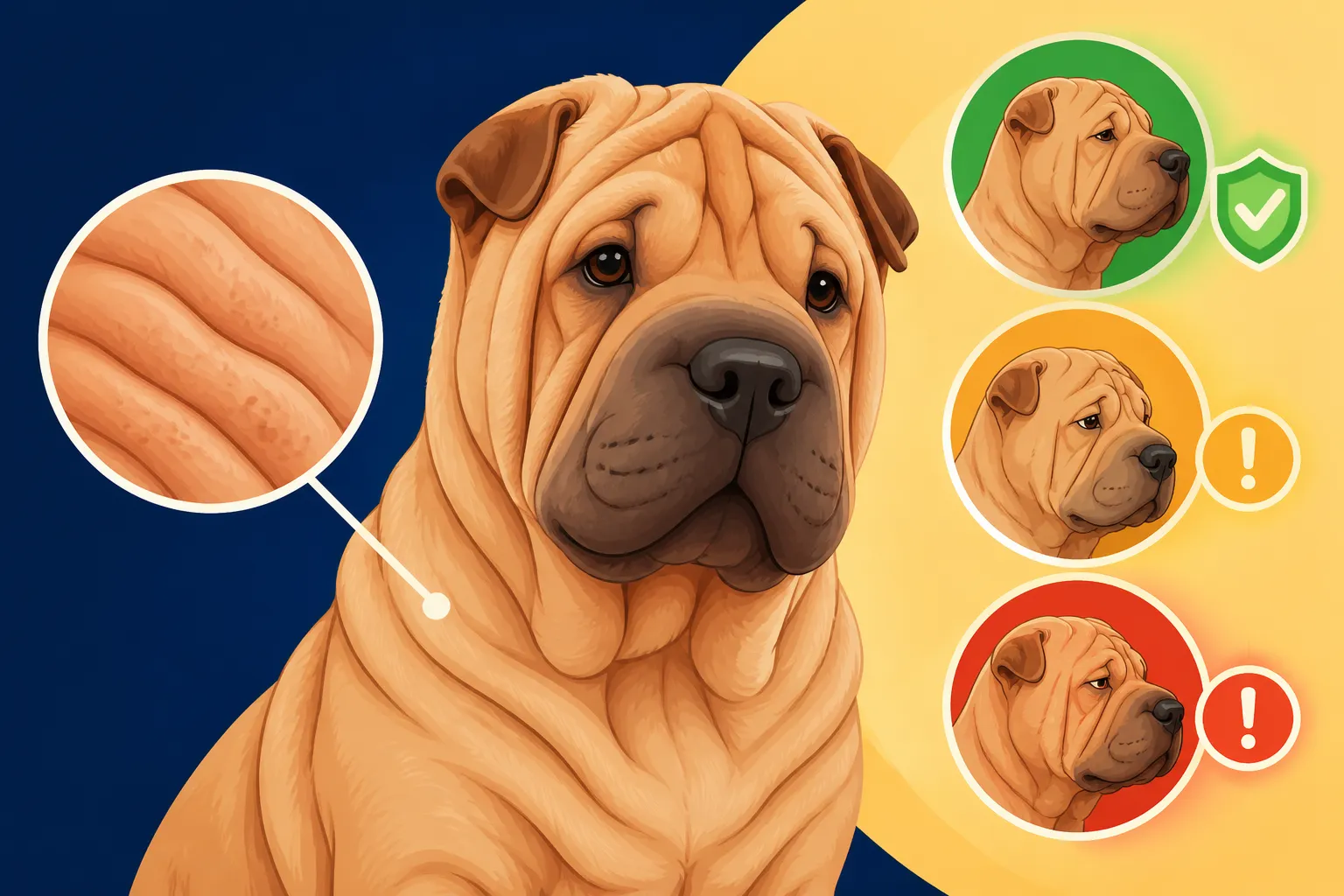
The most obvious signs of trouble on Shar Pei skin are often redness, rashes, and general irritation. While a fleeting scratch might cause a temporary red mark, persistent or spreading redness is a clear indicator that something is amiss. Pay close attention to areas that are typically prone to moisture and friction: inside the folds on the face, around the neck, in the armpits, and in the groin area.
A rash might appear as small red bumps, pustules, or diffuse patches of angry-looking skin. This can be a sign of bacterial infection (pyoderma), yeast overgrowth, or an allergic reaction. If your Shar Pei is constantly scratching, rubbing, or licking a particular spot, that area is highly likely to become red and irritated, perpetuating the cycle. Don't underestimate the power of self-trauma; a small itch can quickly turn into a significant skin lesion if your dog continuously bothers it. Catching these early, when the redness first appears, allows for quicker and often simpler treatment, preventing deeper issues.
Sometimes, the irritation might not even look like a classic "rash." It might just be an area of skin that's consistently warmer to the touch than the surrounding skin, or slightly swollen. These subtle signs, especially if your dog seems to avoid having that area touched, are still critical clues. The sooner you identify these localized irritations, the faster you can clean the area, apply a soothing topical treatment if appropriate, and prevent it from becoming a full-blown infection.
Odor and Discharge: Unmistakable Signals
While Shar Pei, like all dogs, have a natural scent, any strong, unpleasant, or unusual odor emanating from their skin is almost always a red flag. This isn't just about needing a bath; it's a signal that bacteria or yeast are thriving in an environment they shouldn't be. Trust your nose; it's one of your most valuable diagnostic tools when it comes to Shar Pei skin health.
A distinct, often sweet or yeasty smell is characteristic of a yeast infection (Malassezia dermatitis), which loves those warm, moist skin folds. If the odor is more foul, pungent, or even slightly putrid, it often points to a bacterial infection, especially if there's pus or discharge. Don't ignore these smells, even if you don't immediately see a visible lesion. The odor often precedes the more obvious visual signs of inflammation, giving you an early heads-up.
Along with odor, keep an eye out for any discharge. This might range from clear, watery weeping to thick, yellowish-green pus, or a dark, brownish-red sticky substance that stains the fur. Clear, sticky discharge could be mucin leaking from small ruptures in cases of mucinosis. Yellowish-green pus is almost always indicative of a bacterial infection. Brownish-red discharge, especially if it's greasy and has that sweet smell, is typical of yeast. Any discharge is problematic because it contributes to a damp environment, further fueling microbial growth and irritation. Prompt cleaning and veterinary assessment are essential when discharge is present.
Changes in Coat Texture or Hair Loss
Your Shar Pei's coat should generally be uniform in texture (depending on whether it's a horse or brush coat) and density. Any noticeable changes in the feel of their fur or patchy hair loss are important signals from their skin. These aren't just aesthetic concerns; they often point to underlying issues that need investigation.
A healthy Shar Pei coat should feel relatively short and firm. If you start noticing areas where the fur feels greasy, excessively dry and brittle, or sparse, it's worth noting. Patchy hair loss can be caused by a variety of factors, including allergies (due to constant scratching, licking, and chewing), hormonal imbalances like hypothyroidism, parasitic infections such as Whether a Shar Pei Gets Demodectic Mange, or even stress. Sometimes, the skin beneath the lost hair will be discolored, flaky, or thickened. The absence of hair makes the skin even more vulnerable to environmental irritants and sunburn, especially if it's on their back or head.
Similarly, if your Shar Pei's coat suddenly becomes dull, lacks its usual sheen, or starts to shed far more than usual (beyond normal seasonal shedding), it can be a sign of internal health issues or nutritional deficiencies. A poor quality coat indicates that the skin isn't healthy enough to support proper hair growth. Paying attention to these subtle changes in coat texture and density can help you address underlying problems like nutrient malabsorption, endocrine disorders, or chronic allergies before they become more severe. Regularly grooming your Shar Pei, even with just a simple rub down, gives you an opportunity to feel their skin and coat for any of these changes.
Proactive Skin Care and Management
Given the Shar Pei's genetic predisposition to skin issues, a proactive and consistent approach to skin care isn't just a suggestion—it's absolutely essential. Think of it as preventative maintenance that helps manage those tricky wrinkles and keeps your dog as comfortable as possible. This isn't about pampering; it's about crucial daily care that can make a world of difference in their quality of life.
Daily Fold Cleaning and Drying Practices
This is probably the single most important aspect of Shar Pei skin care, and it needs to be done daily. Those deep, irresistible wrinkles are moisture traps, and where there's moisture, there's a breeding ground for bacteria and yeast. Ignoring them is like inviting an infection to set up shop. The folds on their face, especially around the muzzle and eyes, the neck rolls, and even the folds in their groin area, all need attention. Every Fold on a Shar Pei Is a Place Something Grows is a testament to this truth.
To clean the folds, gently separate them and use a soft cloth or cotton pad dampened with a mild antiseptic solution. Many owners find success with chlorhexidine wipes or a diluted solution prescribed by their vet. Gently wipe away any dirt, debris, or discharge you find deep within the creases. Once cleaned, and this is critical, thoroughly dry each fold. You can use a soft, clean towel or even a low-setting hairdryer (being very careful not to overheat or startle your dog). Leaving any moisture behind defeats the purpose of cleaning and often makes the problem worse. Some owners even use a tiny dusting of cornstarch-based powder (check with your vet first to ensure it's safe and won't clump) to help absorb moisture in particularly deep or damp folds. Consistency is key here; a few minutes every day can prevent weeks of painful infection and expensive vet visits. You can find suitable wipes and solutions on platforms like Chewy or Amazon.
Bathing Routines and Product Choices
Bathing a Shar Pei isn't just about making them smell good; it's a therapeutic tool for managing their skin health. However, you can't just throw them in the tub with any old shampoo. The frequency of bathing and the type of product you use will depend heavily on your individual Shar Pei's skin condition and coat type.
For a healthy Shar Pei with no active skin issues, a bath every 2-4 weeks might be sufficient. However, if your dog is prone to skin fold dermatitis, allergies, or yeast infections, your vet might recommend more frequent bathing, sometimes even weekly, using a medicated shampoo. These shampoos often contain ingredients like chlorhexidine, miconazole, or benzoyl peroxide, which target bacteria and yeast. Always follow your vet's instructions for medicated shampoos, ensuring the product has adequate contact time on the skin before rinsing thoroughly. Rinsing thoroughly is paramount; any shampoo residue left behind can be irritating and contribute to new problems.
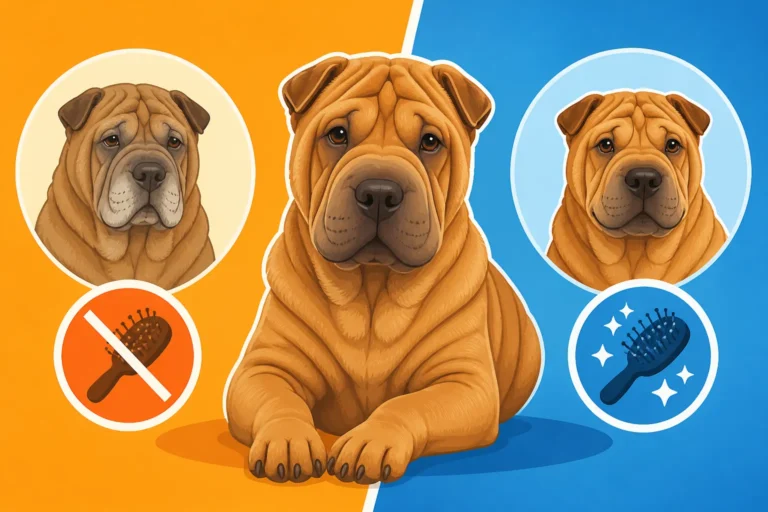
After bathing, the drying process is just as, if not more, important than the washing. Drying Is More Important Than Washing on a Shar Pei for a reason! Every single wrinkle and fold must be completely dry. Use absorbent towels, and consider a cool-setting hairdryer to gently dry deep within the folds. Incomplete drying is a fast track to yeast and bacterial infections. Choose shampoos that are specifically formulated for sensitive canine skin, or those recommended by your vet for your Shar Pei’s particular needs. Avoid harsh detergents or human shampoos, as these can strip natural oils and exacerbate skin dryness and irritation.
Dietary Considerations for Skin Health
You know the saying, "you are what you eat"? Well, the same holds true for your Shar Pei. Their diet plays a surprisingly large role in the overall health and integrity of their skin and coat. For a breed prone to allergies and inflammatory conditions, what goes into their bowl can either alleviate or aggravate their skin issues.
Many Shar Pei thrive on high-quality dog foods with carefully selected protein sources. If your Shar Pei experiences chronic itching, recurrent ear infections, or unexplained skin irritation, a food allergy could be the culprit. In these cases, your vet might recommend an elimination diet, where your dog eats a novel protein (one they've never had before, like duck or venison) or a hydrolyzed protein diet for several weeks to see if symptoms improve. It’s a painstaking process, but it can be incredibly effective. Companies like Ollie offer specialized fresh food meal plans that can be tailored to avoid common allergens, simplifying the elimination diet process and providing high-quality, easily digestible nutrition.
Beyond specific allergens, ensuring a balanced diet rich in essential fatty acids, particularly Omega-3s, can significantly improve skin and coat health. These fatty acids help reduce inflammation, strengthen the skin barrier, and promote a healthy, shiny coat. Many high-quality dog foods include these, or your vet might recommend a supplement. Additionally, some Shar Pei benefit from foods that avoid common inflammatory ingredients, helping to keep their immune system calm. Always discuss any significant dietary changes or supplements with your veterinarian to ensure they are appropriate for your individual Shar Pei's needs and to avoid any nutritional imbalances. Feeding a Shar Pei That Reacts to Its Food goes deeper into this challenging topic.
When to Seek Veterinary Help for Shar Pei Skin
While proactive home care is essential, there will undoubtedly be times when your Shar Pei's skin issues are beyond what you can manage on your own. Knowing when to call the vet and when to push for specialized opinions can save your dog from prolonged discomfort and prevent minor issues from snowballing into serious health crises.
Persistent Symptoms and Worsening Conditions
You've been diligently cleaning folds, bathing with medicated shampoo, and perhaps even tweaking their diet, but the problem just isn't getting better. Or worse, it seems to be spreading or intensifying. This is your clear signal that it's time to bring in the professionals. Lingering symptoms, such as persistent redness, endless scratching, foul odors that won't go away, or any non-healing sores, demand veterinary attention.
Delaying a vet visit when symptoms persist can lead to deeper, more entrenched infections that are harder and more expensive to treat. A mild skin fold dermatitis that started as a small red patch can quickly become a deep pyoderma if left unchecked, requiring oral antibiotics for weeks, sometimes even months. Furthermore, chronic itching can lead to behavioral issues, making your dog miserable and affecting their quality of life. If you feel like you're constantly battling the same skin problem, or if a new one emerges that doesn't respond to your usual home care within a few days, make that appointment. Your vet can assess the severity, look for underlying causes, and prescribe stronger, more targeted treatments.
The Importance of a Dermatologist Referral
Sometimes, even your primary care veterinarian might find themselves stumped by a particularly stubborn or complex Shar Pei skin issue. This is absolutely not a reflection on their capabilities, but rather an acknowledgment of how specialized and challenging canine dermatology can be, especially with a breed like the Shar Pei. In these situations, a referral to a board-certified veterinary dermatologist can be a game-changer.
A veterinary dermatologist has advanced training and expertise specifically in skin diseases. They have access to specialized diagnostic tools and treatments that might not be available in a general practice. They understand the nuances of breed-specific conditions, like those affecting Shar Pei, and can offer a fresh perspective. They can help identify rare conditions, fine-tune medication regimens, and develop long-term management strategies that truly work. If your Shar Pei has been suffering from chronic, recurring, or unusually severe skin problems for months or even years, and standard treatments aren't providing lasting relief, don't hesitate to ask your vet for a referral. It might seem like an extra step or cost, but getting to the root of the problem can ultimately save you time, money, and most importantly, bring immense relief to your dog. Whether a Shar Pei Owner Should See a Dermatologist is a question many eventually face.
Diagnostic Tests for Unraveling Skin Mysteries
When your Shar Pei presents with skin issues, your vet won't just guess. A thorough workup often involves several diagnostic tests to pinpoint the exact cause of the problem. These tests are crucial for selecting the most effective treatment and avoiding unnecessary medications.
Common tests include skin scrapings to check for mites like Demodex (which Shar Pei are somewhat prone to), cytology (examining cells from the skin surface under a microscope) to identify bacteria and yeast, and fungal cultures to rule out ringworm. For chronic infections, a bacterial culture and sensitivity test might be performed to determine exactly which bacteria are present and which antibiotics will be most effective against them. If allergies are suspected, your vet might discuss food elimination trials or even blood or intradermal allergy testing to identify specific environmental allergens.
In more complex cases, such as suspected autoimmune conditions or unusual growths, a skin biopsy might be recommended. This involves taking a small sample of skin for histopathological examination by a veterinary pathologist. For systemic conditions like hypothyroidism, a blood panel to check thyroid hormone levels is essential. For recurrent fevers or kidney concerns, a What a Urine Protein Test Tells a Shar Pei Owner might be part of the workup to monitor for early signs of amyloidosis. These diagnostic tools are vital for moving beyond symptomatic treatment to truly understanding and addressing the underlying causes of your Shar Pei's skin woes.
| Skin Condition Category | Common Shar Pei Manifestations | Key Signs to Look For | Initial Home Care Steps | When to See the Vet |
|---|---|---|---|---|
| Fold Dermatitis | Red, inflamed skin folds | Odor, redness, discharge, itching | Daily cleaning/drying of folds | Persistent odor/redness, open sores, worsening irritation |
| Allergies | Atopic dermatitis, food allergies | Intense itching, paw licking, ear infections, hair loss | Limited ingredient diet (if food suspected), vet-approved topical relief | Chronic itching, secondary infections, no relief from home care |
| Mucinosis | Puffy skin, mucin bubbles/vesicles | Doughy skin texture, clear fluid-filled bumps | Keep vesicles clean/dry if ruptured | Widespread swelling, discomfort, secondary infection of ruptured vesicles |
| Systemic Issues | Hypothyroidism, Shar Pei Fever, Immune deficiencies | Dull/brittle coat, hair loss, lethargy, sudden puffiness, recurrent infections | General healthy diet, consistent grooming | Any new, unexplained skin changes combined with other health symptoms (e.g., weight change, fever, lethargy) |
| Parasites | Demodectic mange, fleas | Patchy hair loss, crusty skin, intense itching | Regular parasite prevention | Worsening hair loss, persistent itching, visible parasites |
Disclaimer
This article is for general informational purposes only and does not constitute professional advice. Laws, prices and regulations vary by location and change over time. Consult a qualified professional for guidance on your specific situation.