Which Coat Type Sheds More
It's a common misconception that some dogs don't shed, or that a short coat means less hair around the house. When you're living with a Shar Pei, you quickly learn that while their coats are certainly unique, shedding is absolutely a part of the deal, and the type of coat your Pei has can genuinely change how you experience that shedding. This guide will dive deep into the specific shedding patterns of the different Shar Pei coat types, helping you understand what to expect and how to best manage it for a cleaner home and a healthier dog.
Understanding the Shar Pei's Unique Coat Types
Before we talk about shedding, it's crucial to understand the distinct coat types that make a Shar Pei so special. These aren't just aesthetic differences; they profoundly impact everything from grooming needs to how their fur behaves once it leaves their body.
The Horse Coat: A Prickly Pedigree
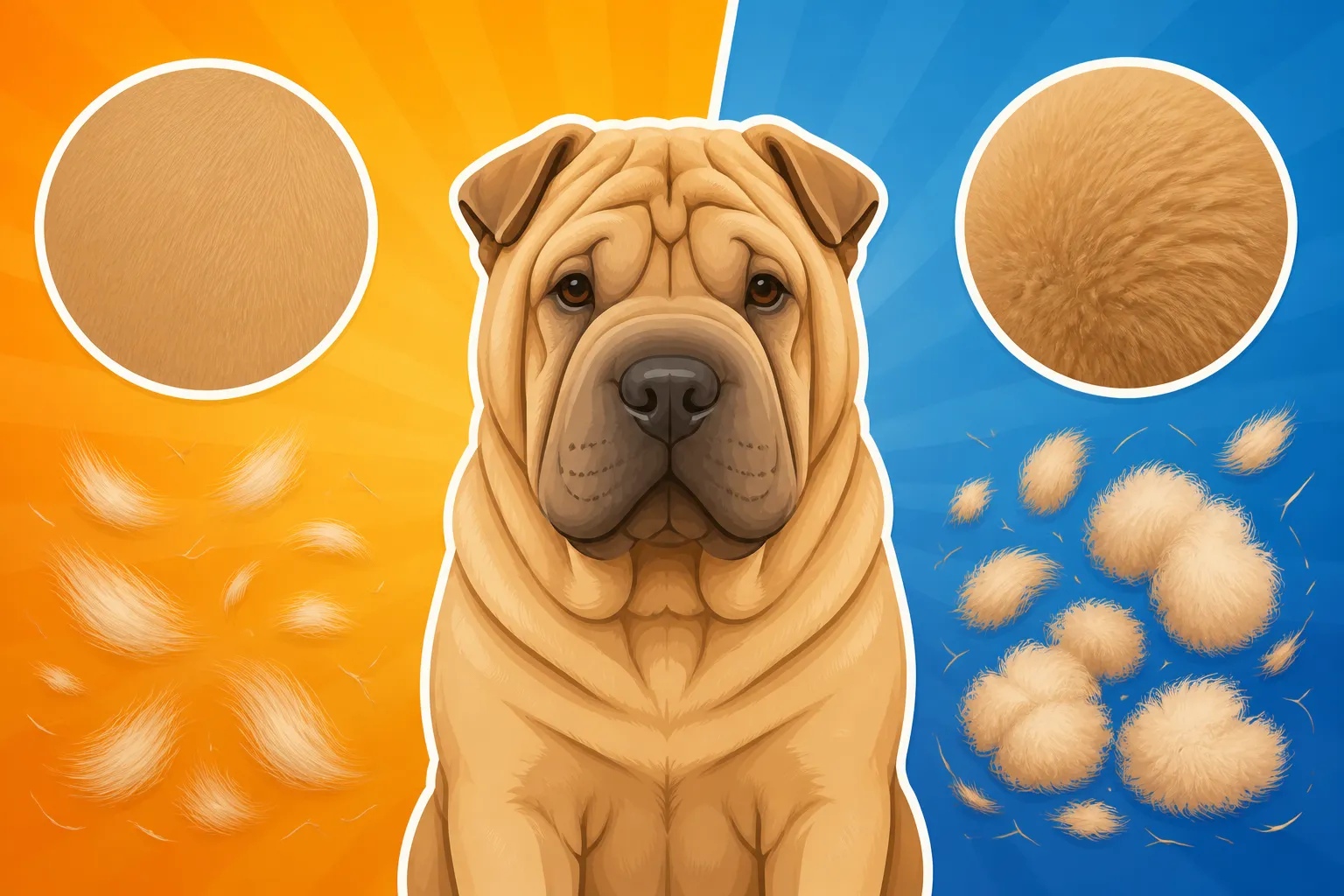
The Horse Coat Shar Pei is often considered the more traditional type, reminiscent of the breed's working origins. It's characterized by extremely short, stiff, and coarse hair, usually no longer than half an inch. When you run your hand over a Horse Coat, it genuinely feels like horsehair – rough, bristly, and somewhat prickly. Many owners describe it as feeling like sandpaper, which is a perfect description. This coat offers excellent protection from the elements, as it was originally bred for, but it does come with its own set of considerations for shedding.
Because the individual hairs are so short and stiff, they tend to be quite sharp. When these hairs shed, they don't always cling to fabrics or themselves like softer hairs might. Instead, they can embed themselves into carpets, upholstery, and clothing, making them notoriously difficult to remove. It's not uncommon for Horse Coat owners to find these tiny, stiff hairs almost "stuck" in their skin after a cuddle session. While the volume of hair shed might not always seem immense, the quality of the shed hair makes it incredibly noticeable and, for some, quite irritating. Why a Shar Pei's Coat Feels Like Sandpaper is a common frustration for new owners.
The Brush Coat: Softness with Substance
In contrast, the Brush Coat Shar Pei has slightly longer hair, typically ranging from half an inch to an inch in length, and it possesses a much softer texture. While still dense, it lacks the harsh, prickly quality of the Horse Coat. Running your hand over a Brush Coat feels more like a plush carpet or a soft brush, hence the name. This coat type became more prevalent as the breed's popularity grew and Western breeders began favoring a slightly softer, more "cuddly" appearance.
The longer, softer hairs of a Brush Coat tend to behave differently when they shed. They might not embed as deeply as Horse Coat hairs, but they can create more noticeable "dust bunnies" or clumps of fur around the house. These hairs often cling to clothing and furniture with more tenacity, forming visible layers of fuzz. While not as "prickly," the overall volume of visible shed hair can sometimes appear greater due to its length and tendency to accumulate rather than embed. Many owners find Horse Coat or Brush Coat Changes How You Care for a Shar Pei in terms of daily grooming.
The Elusive Bear Coat: A Genetic Anomaly
While not officially recognized by most breed standards, the "Bear Coat" Shar Pei is a rare variation with hair longer than one inch, sometimes even several inches, giving them a distinctly plush and fluffy appearance. This coat type is considered a genetic anomaly, resulting from a recessive gene. Bear Coats are quite striking in appearance, often resembling a Chow Chow or a fluffy teddy bear rather than the typical short-coated Shar Pei.
When it comes to shedding, the Bear Coat behaves much like any longer-haired breed. They typically shed quite a bit, and their longer, softer hairs will definitely contribute to noticeable fur accumulation around the house. They will require more extensive grooming to prevent matting and tangles, in addition to managing shedding. Owners of Bear Coats often face a unique set of challenges compared to those with traditional Horse or Brush Coats, needing specialized brushes and more frequent grooming sessions to keep their coats healthy and manage the shed.
Shedding Realities: Horse Coat vs. Brush Coat
Understanding the nuances of shedding for each primary coat type is essential for any Shar Pei owner. It's not just about how much hair comes off, but how that hair behaves in your home.
Shedding Intensity and Frequency
All dogs shed, and Shar Pei are no exception. There's no such thing as a "non-shedding" Shar Pei, regardless of coat type. However, the intensity and frequency of shedding can be perceived differently between Horse and Brush Coats.
A Horse Coat Shar Pei might shed a consistent, fine amount of hair year-round. While the individual hairs are short, their sharp, stiff nature means they are incredibly adept at penetrating fabrics. You might not see large clumps of hair, but you'll certainly feel the individual hairs embedded in your socks, sweaters, and furniture. This constant, albeit often less visible, shedding can make it seem like they shed all the time, because you're always encountering those persistent little hairs.
Brush Coat Shar Pei, with their longer, softer hair, can sometimes appear to shed more in terms of sheer volume, especially during seasonal changes. Their hairs are more likely to create visible clumps on floors and gather on furniture. While these hairs might not be as prickly to the touch, their presence is often more visually apparent. During peak shedding periods, a Brush Coat can certainly leave a noticeable layer of fur on surfaces if not regularly groomed.
Managing Seasonal Sheds
Like many dog breeds, Shar Pei experience seasonal shedding, often increasing in spring as they lose their winter coat and in fall as they prepare for a thicker winter layer. These seasonal "blowouts" can be more pronounced in Brush Coat Shar Pei simply because their hair is longer and more voluminous, leading to more noticeable fur. During these times, daily brushing becomes absolutely critical to help remove the dead undercoat before it ends up all over your home.
For Horse Coat Shar Pei, seasonal shedding might not result in dramatic clumps, but the increase in those sharp, short hairs can be even more frustrating as they become even more pervasive. You might find yourself constantly lint-rolling clothes and trying to vacuum those stubborn hairs out of upholstery. Regardless of coat type, understanding that these periods will happen allows you to prepare your grooming routine accordingly. Investing in good quality grooming tools and establishing a consistent schedule is key.
Daily Hair Fallout and Home Impact
The daily hair fallout from a Shar Pei is something every owner needs to contend with. For Horse Coat owners, the impact is often felt more than seen. Those tiny, stiff hairs seem to defy gravity, appearing on countertops, sticking to hands, and becoming intertwined with laundry. They are notoriously difficult to sweep up with a broom, often requiring a specialized pet hair vacuum or a damp mop to collect effectively. Whether a Shar Pei's Hair Sticks in Fabric is a question Horse Coat owners frequently ponder.
Brush Coat Shar Pei, on the other hand, tend to leave more visible evidence of their presence. Soft, fluffy hairs can accumulate in corners, under furniture, and on pet beds, forming noticeable tumbleweeds of fur. While easier to see, these hairs can still cling tenaciously to certain fabrics. Keeping on top of daily vacuuming and using pet hair rollers on furniture are standard practices for Brush Coat owners. Ultimately, both coat types require a commitment to daily cleaning to keep the fur from taking over your living space.
Here’s a quick overview of the differences:
| Feature | Horse Coat Shar Pei | Brush Coat Shar Pei |
|---|---|---|
| Hair Length | Very short (less than 0.5 inch) | Medium (0.5 to 1 inch) |
| Hair Texture | Stiff, coarse, prickly, like sandpaper | Softer, smoother, plush, like a brush |
| Perceived Shedding | Consistent, individual hairs embed deeply | More visible clumps, collects on surfaces |
| Ease of Removal | Hairs embed, hard to vacuum/lint-roll | Hairs cling, easier to brush off or vacuum |
| Skin Irritation Risk | Higher for sensitive human skin during contact | Lower |
| Grooming Frequency | Regular brushing, often daily during shed season | Regular brushing, often daily during shed season |
| Seasonal Shed Impact | Increased prevalence of sharp, embedded hairs | Increased volume of visible, fluffy hair |
Factors Influencing Shar Pei Shedding
Shedding isn't just about genetics and coat type; a variety of factors can influence how much your Shar Pei sheds. Understanding these can help you manage your dog's coat health more effectively.
Diet and Nutritional Support
A dog's diet plays an enormous role in the health of their skin and coat, and consequently, in their shedding patterns. A Shar Pei on a poor-quality diet, or one that isn't balanced with the right nutrients, is more likely to have a dry, flaky coat that sheds excessively. Just like our own hair can become brittle and fall out with poor nutrition, so can a dog's.
Look for high-quality dog foods with easily digestible protein sources and healthy fats, especially omega-3 and omega-6 fatty acids. These essential fatty acids are crucial for maintaining skin integrity and coat luster. Sometimes, a diet that suits one Shar Pei might not suit another, particularly if your dog has sensitivities. Feeding a Shar Pei That Reacts to Its Food can significantly improve coat health and reduce shedding related to irritation. Many owners find success with reputable brands available through retailers like Chewy, or even specialized fresh food services like Ollie, which can be tailored to your dog's specific needs. A healthy diet contributes to a stronger hair shaft, meaning fewer brittle hairs breaking off and less overall fallout.
Environmental Triggers and Stress
Your Shar Pei's environment can also influence shedding. Changes in temperature, humidity, and even stress levels can trigger increased shedding. Dogs often shed more in warmer environments as their bodies try to regulate temperature. If your Shar Pei spends a lot of time indoors with artificial heating or cooling, their natural seasonal shedding cycles might become a bit confused, leading to more consistent year-round shedding rather than distinct seasonal blows.
Stress is another significant factor. A dog experiencing anxiety, changes in routine, or new environments can often shed profusely. This isn't usually due to a dermatological issue but rather a physiological response to stress hormones. Think of how you might shed more hair when you're under pressure! Identifying and mitigating sources of stress for your Shar Pei, combined with a stable routine, can help regulate their shedding. Keeping an eye on What a Shar Pei's Skin Tells You Before Its Behavior Does can also give you clues about their overall well-being.
Health Conditions Affecting Coat Quality
While shedding is normal, excessive shedding, bald patches, or a dull, brittle coat can be signs of an underlying health issue. Allergies are incredibly common in Shar Pei, and skin irritation caused by food, environmental allergens, or fleas can lead to constant scratching, licking, and subsequent hair loss. Parasites like fleas or mites can also cause intense itching and shedding.
Beyond skin-specific issues, systemic health problems such as hypothyroidism or other hormonal imbalances can manifest as poor coat quality and excessive shedding. A visit to the vet for a thorough check-up is always warranted if you notice a sudden, dramatic increase in shedding, changes in coat texture, or any skin irritation. Regular preventative care, including flea and tick control, can go a long way in maintaining a healthy coat and managing shedding.
Practical Grooming Strategies for Minimizing Shedding
No matter the coat type, proactive grooming is your best defense against excessive Shar Pei shedding. It's about consistency and using the right tools for the job.
Brushing Techniques for Each Coat Type
Regular brushing is the cornerstone of managing shedding in any Shar Pei. It removes loose hairs before they have a chance to settle on your furniture and floors, and it stimulates blood flow to the skin, promoting a healthier coat.
For a Horse Coat Shar Pei, you'll want to use a stiff bristle brush, a rubber curry comb, or a grooming mitt. These tools are excellent at grabbing those short, stiff hairs and bringing them to the surface. Brush firmly but gently in the direction of hair growth. A good rubber brush can also help massage the skin and loosen dead skin cells, which contribute to shedding. While you might not see massive amounts of hair on the brush, consistent daily brushing, especially during seasonal sheds, will significantly reduce the number of embedded hairs in your home. How Often a Shar Pei Needs Brushing is a question of daily maintenance.
For a Brush Coat Shar Pei, a slicker brush, a de-shedding tool (like a deshedding rake), or a soft bristle brush can be very effective. The slicker brush helps to remove loose undercoat, while the bristle brush smooths the topcoat. During peak shedding season, a de-shedding tool can work wonders in removing large amounts of dead hair. Be mindful not to press too hard with slicker brushes or de-shedding tools, as they can irritate sensitive skin. Always brush in the direction of hair growth. Which Brush Suits a Shar Pei will depend heavily on your Shar Pei's specific coat and skin sensitivity.
Bathing for Coat Health and Shed Control
Bathing can also help control shedding by loosening dead hairs and rinsing them away before they fall out naturally. However, it's crucial not to over-bathe your Shar Pei, as this can strip their skin of natural oils, leading to dryness and further shedding. Typically, bathing every 4-6 weeks is sufficient for general coat maintenance, but if your Shar Pei has skin issues, your vet might recommend a more frequent medicated bathing schedule.
Use a high-quality dog shampoo that is gentle and moisturizing. Look for formulas with oatmeal or aloe if your Shar Pei has sensitive skin. After shampooing, make sure to rinse thoroughly – any residual shampoo can irritate the skin. The drying process is just as important as the washing. Drying Is More Important Than Washing on a Shar Pei cannot be stressed enough, especially for their folds. Ensure your Shar Pei is completely dry, paying special attention to the deep wrinkles, to prevent skin infections that can also exacerbate shedding. A pet blow dryer on a cool setting can be very helpful. How Often a Shar Pei Needs a Bath really depends on their lifestyle and skin health.
Tools and Products for Shar Pei Grooming
Having the right tools makes all the difference in managing your Shar Pei's coat. Beyond brushes, consider these items:
- De-shedding tools: These can be incredibly effective for Brush Coats, pulling out loose undercoat. Brands like Furminator are popular and widely available on platforms like Amazon or Chewy.
- Rubber curry combs or grooming mitts: Excellent for both coat types, they gather loose hair and provide a gentle massage.
- Pet-specific vacuum attachments: Many vacuum cleaner brands offer attachments designed to suck up pet hair directly from your dog, which can be a game-changer for reducing hair in the home.
- Moisturizing shampoos and conditioners: Look for products specifically formulated for sensitive skin or shedding control. Which Shampoo Suits a Shar Pei's Skin is important to research based on your dog's individual needs.
- Pet wipes: Useful for quick clean-ups between baths and for cleaning their folds, which can contribute to overall skin health and reduce localized shedding due to irritation. Remember, Every Fold on a Shar Pei Is a Place Something Grows.
Regular grooming sessions aren't just about reducing shed; they're also a great bonding opportunity with your Shar Pei and allow you to regularly inspect their skin for any issues.
Living with Shedding: Tips for a Cleaner Home
Even with the best grooming routine, a Shar Pei will shed. Learning to live with it means implementing smart cleaning habits to keep your home comfortable and relatively hair-free.
Routine Cleaning and Maintenance
Consistency is key when it comes to keeping a home clean with a shedding Shar Pei. Daily vacuuming, especially in areas where your dog spends the most time, will make a significant difference. Invest in a good quality vacuum cleaner designed for pet hair, with strong suction and attachments for upholstery. Robot vacuums can also be a lifesaver for daily maintenance, autonomously picking up loose hairs throughout the day.
Sweeping hard floors daily with a good quality broom or a dust mop can also help, but those fine Horse Coat hairs can be particularly elusive. For embedded Horse Coat hairs in carpets or rugs, a rubber squeegee or a damp mop can sometimes lift them out more effectively than a vacuum alone. Don't forget to regularly wash your dog's bedding, blankets, and any soft furnishings they frequent. This not only removes shed hair but also helps to keep dander and allergens to a minimum.
Protecting Furniture and Clothing
Protecting your furniture and clothing is another important strategy. Using washable covers or throws on sofas and chairs can act as a barrier, collecting shed hair that can then be easily removed and laundered. Choose fabrics that don't attract or hold onto pet hair as much – smoother, tightly woven materials are often better than plush, textured ones.
Keep lint rollers handy in multiple locations around your home – near the front door, in your car, and in your laundry room. They are invaluable for quick touch-ups on clothing before you head out the door. For particularly stubborn pet hair on clothing, consider throwing items in the dryer on a cool, no-heat setting for 10-15 minutes with a dryer sheet before washing; this can help loosen and remove much of the hair.
Air Quality and Pet Hair Management
Shedding isn't just about the hair you see; it's also about the microscopic dander and loose hairs floating in the air. Improving your home's air quality can help manage this. Regular dusting with a damp cloth helps to capture airborne particles rather than just redistributing them.
Consider using an air purifier with a HEPA filter in rooms where your Shar Pei spends a lot of time. These devices can effectively capture pet dander, pollen, and other allergens, reducing the overall amount of pet-related particles in the air. Regularly changing your HVAC system's air filters to high-efficiency pleated filters can also trap more pet hair and dander, improving the air quality throughout your entire home. For those who find these items at home difficult to find, sites like Amazon offer a wide array of options for air purifiers and vacuum accessories.
Beyond Shedding: Comprehensive Coat Care for Your Shar Pei
Managing shedding is just one part of the bigger picture when it comes to your Shar Pei's coat. Comprehensive care involves attention to overall skin health and knowing when to seek professional help.
Recognizing Signs of Skin Issues
Your Shar Pei's coat is a window into their overall health. While some shedding is normal, recognizing the signs of underlying skin issues is crucial. Beyond excessive hair loss, look for redness, inflammation, scabs, crusts, hot spots, or any unusual odors emanating from their skin or folds. Persistent scratching, licking, or chewing at their paws or body can also indicate a problem, such as allergies, fungal infections, or parasites. Skin Is the Shar Pei's Largest Problem by Surface Area, so paying close attention is key.
Changes in coat texture, such as a dull or greasy appearance, or dry, flaky skin, are also red flags. If you notice any of these symptoms, or if your Shar Pei's shedding seems abnormal or is accompanied by other signs of discomfort, don't hesitate to consult your veterinarian. Early detection and treatment of skin conditions can prevent them from becoming more severe and uncomfortable for your dog.
The Importance of Professional Guidance
Sometimes, managing your Shar Pei's coat and shedding requires more than just at-home care. A veterinarian can help diagnose and treat underlying health conditions that contribute to excessive shedding or poor coat quality. They can recommend specific diets, supplements, medicated shampoos, or treatments for allergies or infections. How a Shar Pei's Skin Tells You Before Its Behavior Does really emphasizes the need for a professional eye.
Additionally, a professional groomer experienced with Shar Pei can offer invaluable advice and services. They can demonstrate proper brushing techniques, recommend suitable products, and even provide specialized de-shedding treatments. Given the unique challenges presented by Shar Pei folds and sensitive skin, a knowledgeable groomer can ensure your dog's coat is maintained in the best possible condition, reducing shedding and promoting overall skin health. Don't be afraid to ask for help; it's all part of being a responsible Shar Pei parent.
Disclaimer
This article is for general informational purposes only and does not constitute professional advice. Laws, prices and regulations vary by location and change over time. Consult a qualified professional for guidance on your specific situation.