Whether the Shar Pei Belongs to the Non Sporting Group
The American Kennel Club Non-Sporting Group classification explains why kennel clubs sort the Shar Pei differently.

The American Kennel Club Non-Sporting Group classification explains why kennel clubs sort the Shar Pei differently.

Shar Pei breeding choices explain when producing litters is responsible, balancing inherited health risks with limited gene pools.
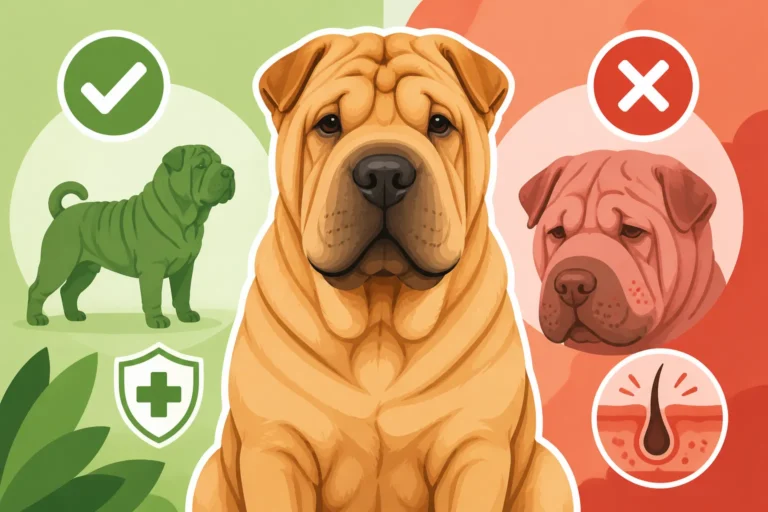
Shar Pei health-focused breeding practices explain inherited risks, family history, and how to evaluate adult dogs.

Shar Pei wrinkles change as puppies mature and link to health concerns, so owners must consider temperament and care before buying.

Shar Pei owners weigh skin issues, ear problems, health care costs, and loyal companionship when deciding to choose the breed again.

Shar Pei physical strength, independent temperament, and daily exercise needs help owners evaluate the breed for households.
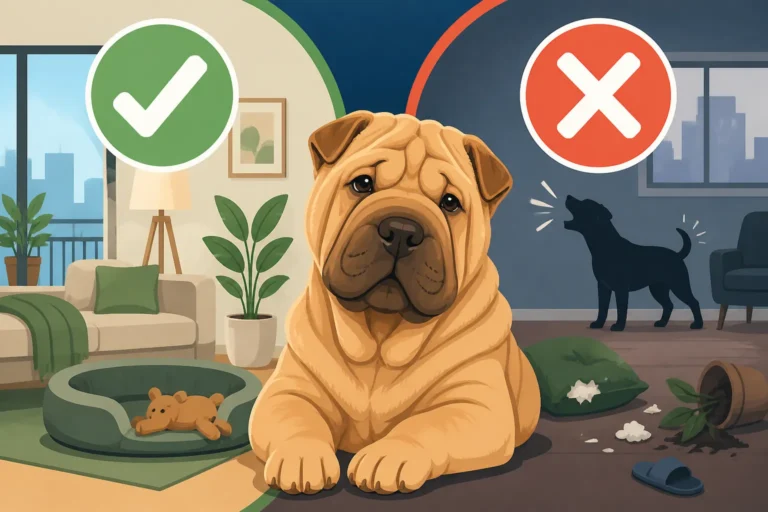
Apartment living with a Shar Pei requires daily exercise routines, thoughtful socialization, and climate management for warm weather.
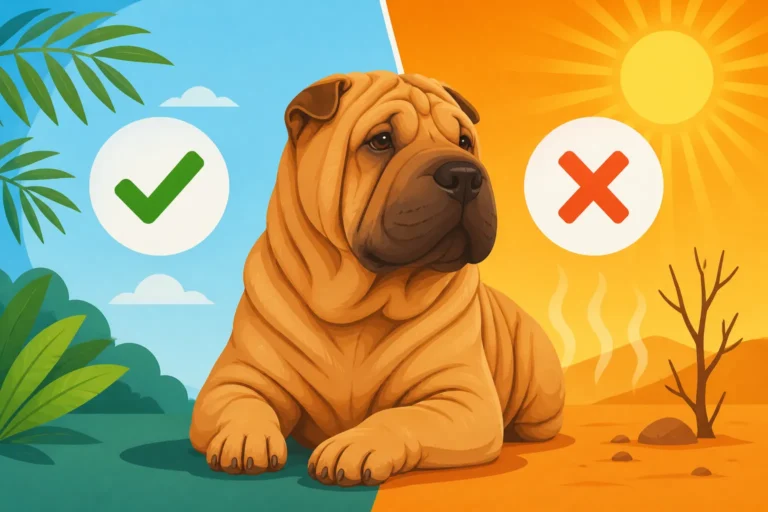
Shar Pei hot climate care requires adjusting daily walks and protecting dogs from dangerous heat and humidity.

Shar Pei ownership for older adults depends on physical strength, daily routines, grooming needs, and reliable support systems.
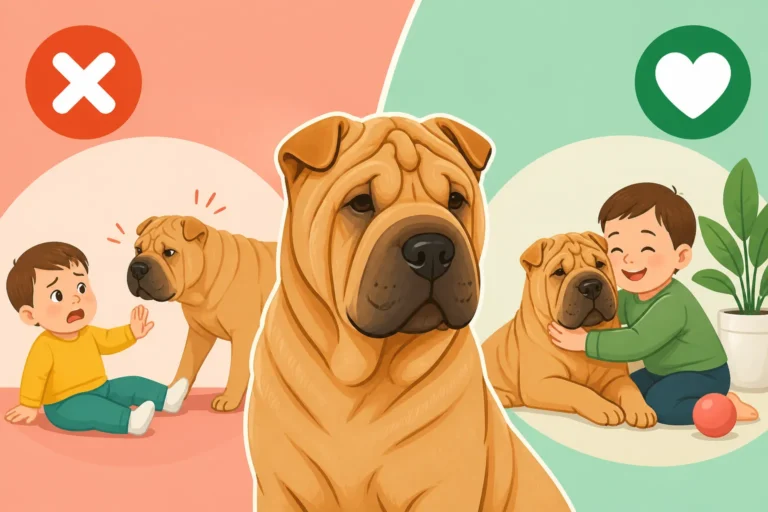
Shar Pei temperament with toddlers requires careful adult supervision, management of dog boundaries, and safe household spaces.