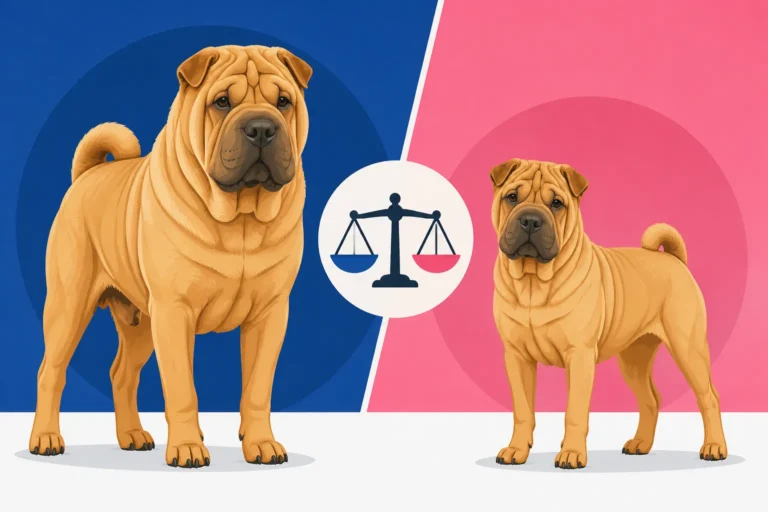
Whether the Shar Pei Was Ever in the AKC Top Twenty
It’s easy to look at a Shar Pei today, with their distinctive deep wrinkles and soulful expressions, and assume they’ve always been a popular fixture in the dog world. But their journey to widespread recognition, particularly within organizations like the American Kennel Club (AKC), is a fascinating story of near-extinction, a sudden surge in popularity, and the challenges that came with it. Many people wonder if this striking breed ever reached the coveted "Top Twenty" in AKC rankings, a benchmark of truly widespread appeal. This guide will explore the Shar Pei's rise, its peak popularity, and how its unique history shaped its place in the hearts of dog lovers, even if it didn't consistently hold that top-tier numerical spot.
The Shar Pei's Journey: From Near Extinction to Spotlight
The story of the Shar Pei's popularity in America is inextricably linked to its dramatic past. It wasn't a gradual climb to fame; it was an explosion driven by curiosity and novelty, fueled by a dire situation.
A Brush with Disappearance
Before the Shar Pei ever had a chance to climb any popularity ladder, it faced the very real threat of vanishing entirely. In the mid-20th century, political and economic changes in mainland China, including heavy taxation on dog ownership and later, the systematic elimination of dogs, pushed the breed to the brink of extinction. By the early 1970s, the breed was incredibly rare. It's a sobering thought that Sixty Shar Pei Were Left in 1978, a number that would make any breed enthusiast wince.
This desperate situation led to a pivotal moment. A man named Matgo Law, a Hong Kong businessman and Shar Pei breeder, wrote a heartfelt appeal in 1973 to an American dog magazine. He pleaded for help to save the breed, emphasizing its unique qualities and its rapidly dwindling numbers. This letter became famous as One Letter to a Dog Magazine Saved the Shar Pei. It wasn't about seeking popularity; it was about survival. This act ignited interest among American breeders and enthusiasts who were captivated by the breed's unusual appearance and its poignant story.
The Boom of the 1980s
What followed Matgo Law's appeal was nothing short of a phenomenon. The Shar Pei, once a hidden treasure, was thrust into the international spotlight. Its rarity made it incredibly desirable, almost a status symbol, and its unique look—the heavily wrinkled skin, small ears, and "hippopotamus" muzzle—was unlike anything most Americans had ever seen. The Guinness Book of World Records even declared it the rarest dog breed in the world, further cementing its mystique. You can imagine the buzz this created, turning heads wherever these dogs went. The Year Guinness Named the Shar Pei the Rarest Breed marks a significant point in its journey from obscurity to celebrity.
This surge in demand quickly led to an influx of Shar Pei into the United States. People were fascinated, and prices for puppies soared. The breed quickly moved from being a curiosity to a highly sought-after companion, gracing magazine covers and even appearing in popular culture. This period, roughly from the late 1970s through the 1980s, was undoubtedly Which Decade the Shar Pei Peaked in terms of sheer public fascination and rapid increase in registrations.
Navigating the AKC Rankings: What "Top Twenty" Really Means
When we talk about a breed being in the "Top Twenty" of AKC rankings, we're not just talking about recognition; we're talking about massive, sustained popularity reflected in registration numbers. It's an exclusive club, often dominated by breeds like Labradors, German Shepherds, and Golden Retrievers, who have held those spots for decades.
The Mechanics of AKC Popularity
The AKC's annual breed popularity rankings are based on the number of individual dogs registered within that calendar year. It's a straightforward metric: more registrations mean higher ranking. For a breed to consistently make the Top Twenty, it needs more than just a passing trend; it requires a deep, broad appeal that translates into thousands upon thousands of new puppies registered year after year. This typically means the breed is well-understood, widely available, and generally fits into a variety of lifestyles without too many glaring health or behavioral caveats.
The Shar Pei's rise, while meteoric, was also complex. Its very uniqueness, which drew so many people in, also came with specific care requirements and potential health concerns that not every owner was prepared for. This often creates a ceiling for how high a specialized breed can climb and how long it can stay there, compared to a universally adaptable breed.
The Shar Pei's Highest Ranks
So, did the Shar Pei ever break into that elite Top Twenty? The answer is a bit nuanced, but generally, no, not for extended periods of time, and certainly not with the consistency of breeds that occupy those top slots year after year.
While the Shar Pei experienced an incredible surge in popularity, especially in the 1980s, it typically peaked just outside the absolute top tier. It reached a very respectable position, often ranking in the top 30s or 40s during its heyday. This was an astounding achievement for a breed that was virtually unknown, and on the brink of extinction, just a decade prior. To go from "rarest dog on Earth" to being among the top 50 most registered breeds in such a short span is a testament to its compelling appeal and the marketing efforts of early enthusiasts.
The public perception often felt like it was a top-twenty breed because it was so visually distinct and frequently seen in media, advertisements (even Chewy would have noticed the trend!), and popular culture. It was "famous," even if the sheer volume of registrations didn't quite match the top twenty giants. It carved out a unique space in the American consciousness, becoming instantly recognizable.
| AKC Popularity Rank Range (Approximate) | Breed Example (Peak Popularity) | Key Characteristics |
|---|---|---|
| Top 1-10 (Consistent) | Labrador Retriever | Versatile, friendly, adaptable, generally healthy |
| Top 11-20 (Consistent) | Bulldog | Distinctive, moderate exercise, generally good temperament |
| Top 21-50 (Significant) | Shar Pei (1980s Peak) | Unique appearance, ancient history, specific health considerations |
| 50-100+ (Moderate to Niche) | Airedale Terrier | Distinctive, requires specific care/training |
This table illustrates that while the Shar Pei achieved significant popularity, it didn't quite reach the consistent top-tier numerical volume seen by the most popular breeds. Its impact, however, was arguably just as profound in terms of cultural visibility.
The Double-Edged Sword of Sudden Popularity
The rapid rise of the Shar Pei was a thrilling development for those who loved the breed, ensuring its survival. However, such explosive popularity often comes with unintended consequences, creating challenges that breeders and owners are still grappling with today.
The Lure of the Wrinkles
There's no denying that the Shar Pei's most iconic feature is its wrinkles. These deep folds of skin give them an ancient, wise, and utterly adorable appearance, especially as puppies. For many, this unique look was the primary draw, sparking an instant desire to own one. Whether People Buy Shar Pei for the Wrinkles Alone is a question that many breeders and rescue organizations have pondered, and unfortunately, the answer during the boom was often "yes."
This focus on aesthetics, while understandable, sometimes overshadowed a deeper understanding of the breed's temperament, health needs, and care requirements. People bought Shar Pei puppies without realizing the commitment involved in maintaining their skin folds, managing potential health issues like entropion or Shar Pei Fever, or training a dog with such a fiercely independent personality. They might rush to buy a puppy from an online listing or a pet store, perhaps without even considering where their pet supplies, like specialized shampoos or ear cleaners, would come from (though reputable places like Chewy now make it easier to find these).
Health Concerns and Overbreeding
The unfortunate reality of any "designer dog" or "fad breed" is that demand often outstrips the supply of responsibly bred animals. When a breed's popularity skyrockets, less scrupulous individuals are drawn in by the potential for quick profit. These "volume breeders" or "backyard breeders" often prioritize quantity over quality, paying little attention to genetic health, temperament, or proper socialization. This phenomenon certainly impacted the Shar Pei, leading to an increase in health problems that were already inherent in the breed's genetic makeup.
The breed's distinctive wrinkles, for instance, are tied to a genetic mutation that also predisposes them to conditions like Familial Shar Pei Fever and amyloidosis. When breeders aren't carefully screening their breeding stock, these issues can become more prevalent and severe. What Being Saved Did to the Shar Pei's Health is a stark reminder that while the breed was saved from extinction, it faced new health challenges due to irresponsible breeding practices during the boom. Many devoted owners found themselves facing significant vet bills for recurring ear infections, skin fold dermatitis, or eye issues. It's certainly a topic for discussion Whether Puppy Mills Followed the Shar Pei Boom. The answer, regrettably, is often yes, as the financial incentive became too great for some to ignore the ethical considerations.
This era left a lasting legacy, as many Shar Pei found themselves in need of new homes when owners were unprepared for their needs. This is why Why Shar Pei Fill Rescues and What Adopting One Involves is such a critical topic even today. Rescue organizations work tirelessly to rehabilitate and rehome Shar Pei who have been victims of these past breeding trends.
The Aftermath: Sustained Interest or Waning Appeal?
After the initial frenzy of the 1980s, the Shar Pei's popularity settled into a more sustainable, albeit lower, level. The peak didn't last indefinitely, as the realities of owning such a unique breed became more widely known. People became more educated about their specific needs, and the novelty factor wore off for some.
However, a dedicated community of Shar Pei enthusiasts, responsible breeders, and rescue groups emerged and strengthened during this time. These individuals were (and still are) committed to preserving the breed's unique qualities while actively working to improve its health and educate potential owners. The breed's popularity may not put it in the top twenty now, but it has found its niche with devoted fans who truly understand and appreciate the Shar Pei for all its quirks and charms.
More Than Just a Number: The Shar Pei's Enduring Legacy
While the Shar Pei might not have consistently ranked in the AKC's coveted Top Twenty, its impact on the dog world and popular culture is undeniable. Its story is one of resilience, unique beauty, and the profound responsibilities that come with caring for a distinctive breed.
A Distinctive Presence
Even if the numbers didn't place them in the absolute top tier, the Shar Pei's visual impact and mystique made them a household name. Their presence on the street would often draw comments and questions, something not every highly-ranked breed can claim. They are a conversation starter, a dog that people remember. Their unique silhouette, a blend of ancient guardian and cuddly companion, makes them instantly recognizable. Comparing them to other wrinkled breeds, like Bulldogs, further highlights their singular aesthetic. The Shar Pei Against the Other Wrinkled Breeds shows just how much they stand out.
This distinctiveness is a powerful legacy. It means that even if fewer are registered today than during the peak boom, the breed continues to capture imaginations and inspires deep loyalty in those who welcome them into their homes.
The Dedicated Community
The true measure of a breed's success isn't always its ranking, but the health and dedication of its community. For the Shar Pei, that community is vibrant and committed. Responsible breeders today prioritize health testing, genetic screening for conditions like Familial Shar Pei Fever, and careful socialization. They work tirelessly to produce puppies that are not only beautiful but also sound in body and mind. If you're looking for a puppy, understanding What a Shar Pei Puppy Costs From a Health Testing Breeder is crucial, as it reflects the investment in health and care.
Shar Pei rescues play an invaluable role, stepping in to care for dogs who need second chances. They offer invaluable resources, support, and education to new owners, helping to mitigate the problems created by past irresponsible breeding. Many owners turn to online resources and pet supply retailers like Chewy for specialized diets, sensitive skin products, or toys designed for strong chewers, reflecting the ongoing commitment to their Shar Pei's well-being. This dedicated network ensures that the breed continues to thrive, even if it stays comfortably outside the top numerical ranks.
Looking Forward
The Shar Pei's journey through the AKC rankings is a powerful lesson in the dynamics of breed popularity. It reminds us that rarity can become celebrity, and celebrity, if not managed carefully, can bring its own set of challenges. Today, the focus for the Shar Pei community is on sustainability and health, ensuring that the breed continues to exist and thrive with passionate, educated owners.
While the "Top Twenty" might remain an elusive statistical achievement, the Shar Pei's place as one of the most unique, beloved, and recognizable breeds is firmly secured. Their history, their distinct look, and their loyal personalities continue to captivate hearts, proving that true impact goes far beyond mere numbers on a list.
Disclaimer
This article is for general informational purposes only and does not constitute professional advice. Laws, prices and regulations vary by location and change over time. Consult a qualified professional for guidance on your specific situation.