Whether a Shar Pei’s Folds Should Be Powdered
It's a common dilemma for Shar Pei owners: those adorable, luscious folds are also notorious for trapping moisture and creating a breeding ground for irritation. Many people wonder if a dusting of powder is the answer to keeping those deep wrinkles dry and healthy. However, relying on powder can actually do more harm than good, turning a well-intentioned care routine into a recipe for discomfort and infection. This guide will walk you through why powdering a Shar Pei's folds is generally not recommended, what truly works, and how to keep your wrinkly companion's skin in tip-top shape.
The Allure and Misconception of Powdering Folds
When you look at those magnificent folds on a Shar Pei, it’s easy to understand why the idea of using powder might come to mind. We're often taught that dryness is key to healthy skin, and powder seems like a quick fix to absorb moisture. But for a Shar Pei, this seemingly logical solution can unfortunately backfire, creating a whole new set of problems.
Why Owners Are Tempted by Powder
For generations, baby powder or cornstarch has been a go-to for human parents to prevent diaper rash, and the logic often extends to our furry friends. Owners are understandably eager to prevent the notorious "Shar Pei smell" that can arise from damp, irritated folds. They envision the powder creating a protective, dry barrier, perhaps absorbing sweat or humidity and keeping the skin fresh. There's also a historical notion of powder as part of a general grooming regimen, suggesting cleanliness and comfort. The desire to keep our dogs comfortable and healthy is strong, leading us to seek out what appears to be simple, effective solutions.
The Core Problem: Moisture Trapping, Not Absorbing
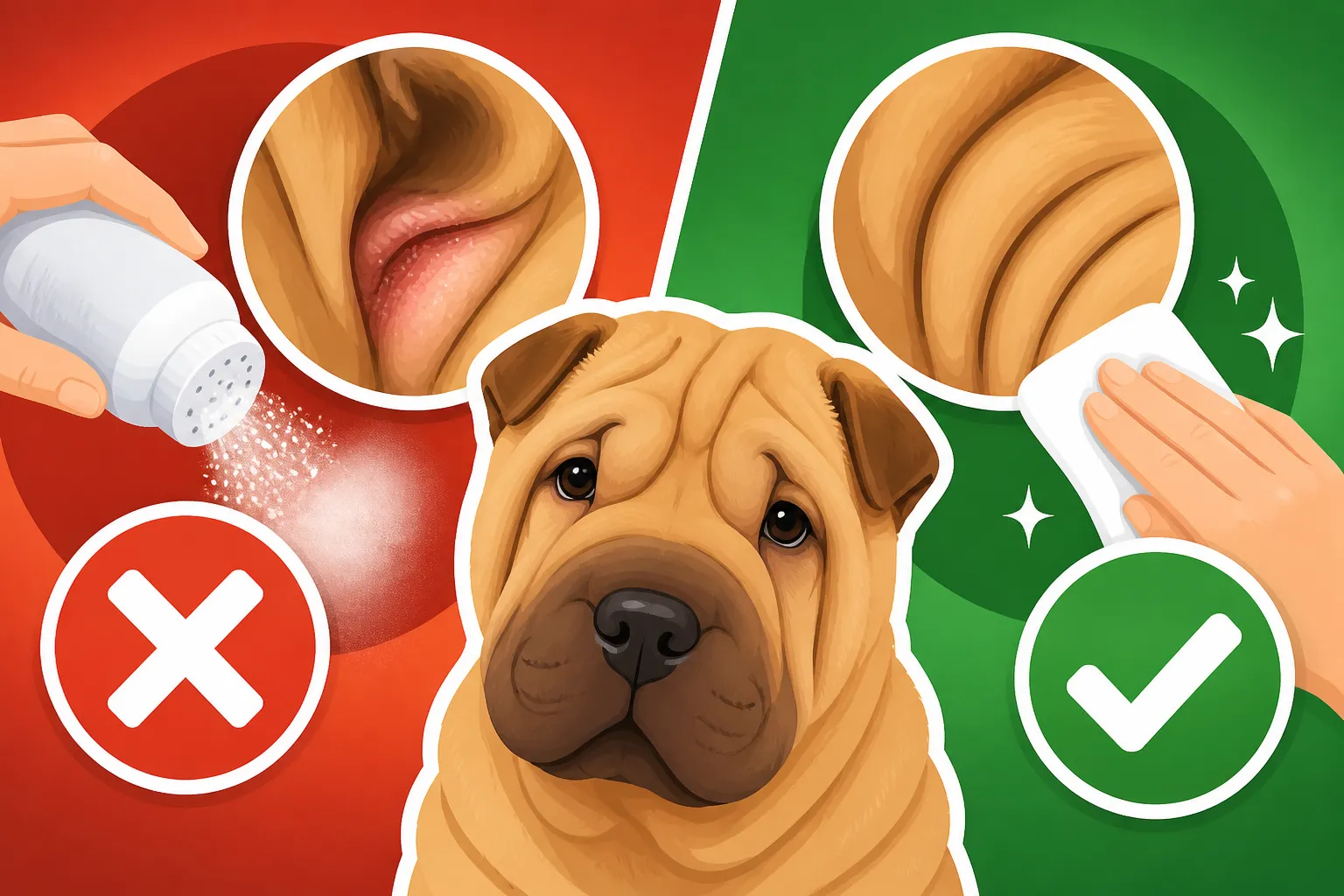
Here's the critical distinction: while powder might absorb a little surface moisture, it doesn't effectively dry out the deep, humid crevices of a Shar Pei's folds. Instead, what often happens is that the powder mixes with the natural oils, dead skin cells, and any existing moisture or discharge, creating a thick, clumpy paste. This paste then gets trapped within the folds, effectively sealing in the moisture rather than eliminating it. Think of it like trying to dry a wet sponge by sprinkling flour on it – you don't actually get a dry sponge; you get a muddy mess. This creates an even more potent environment for bacteria and yeast to flourish, turning a minor dampness issue into a full-blown skin infection.
Understanding the Shar Pei's Unique Skin and Folds
To truly care for a Shar Pei's folds, you first need to appreciate just how unique their skin structure is. It's not just about aesthetics; those wonderful wrinkles create a microclimate that demands specific attention and care. Understanding this unique physiology is the foundation for effective prevention and treatment of common skin issues.
The Microclimate Within Those Wrinkles
Imagine tiny, warm, humid caves nestled all over your Shar Pei's body. That's essentially what each fold creates. Unlike flat skin exposed to open air, the layers of skin in a Shar Pei's folds are constantly pressed together, limiting air circulation. This lack of airflow, combined with body heat and any trapped moisture from drool, tears, bathing, or even just humidity in the air, results in a consistently warm and moist environment. It's the perfect setup for microbial growth – bacteria and yeast absolutely thrive in such conditions. This specific environment is why Every Fold on a Shar Pei Is a Place Something Grows.
Why Dampness is the Enemy
In these warm, moist, airless pockets, dampness isn't just an inconvenience; it's the primary antagonist. When skin stays persistently damp, its natural protective barrier starts to break down. The skin becomes macerated, meaning it softens and weakens, making it far more susceptible to irritation and infection. This is precisely how Skin Fold Dermatitis on a Shar Pei often begins. Even a small amount of moisture that isn't thoroughly dried can quickly escalate into a painful, smelly infection, as yeast and bacteria seize the opportunity to multiply. This is a crucial concept to grasp: Why a Damp Shar Pei Develops Infection.
The Risks of Using Powder in Shar Pei Folds
While the intention behind powdering folds is usually good, the reality for a Shar Pei can be quite different. The unique anatomy of their skin means that what might be harmless for other breeds, or even for humans, can pose significant health risks for our wrinkly friends. Understanding these dangers is key to avoiding them.
Irritation, Inflammation, and Chemical Reactions
First and foremost, powders themselves can be irritants. Many commercial powders contain perfumes, talc, or other chemicals that are simply too harsh for a Shar Pei's sensitive skin. Even "natural" powders like cornstarch, while less irritating, can still cause problems. When these fine particles get trapped deep within the folds, they can rub against the skin, causing friction and mechanical irritation. This constant rubbing, especially in already damp or sensitive areas, can lead to redness, inflammation, and discomfort. Imagine having something constantly chafing in a delicate area; it's painful and can quickly break down the skin's barrier, inviting more serious issues.
Creating a Breeding Ground for Trouble
As we touched on earlier, powder's interaction with moisture is its biggest downfall in Shar Pei care. Instead of achieving dryness, the powder combines with the natural oils, sweat, and moisture to form a clumpy, impenetrable paste. This paste doesn't just sit there innocently; it becomes a sticky, occlusive layer that effectively seals in warmth and moisture. This creates an even more ideal environment for bacteria and yeast to multiply unchecked. It's like putting a warm, wet blanket over a thriving microbial colony – you're actively helping it grow. This can quickly lead to aggressive skin fold infections, characterized by foul odor, redness, discharge, and intense itching, making your dog miserable.
Inhalation Hazards and Respiratory Concerns
Beyond skin issues, there's a significant respiratory risk with using fine powders around any dog, but especially a brachycephalic breed like the Shar Pei. These dogs already have shorter snouts and potentially compromised airways, making them more susceptible to respiratory issues. When you apply powder, fine dust particles inevitably become airborne. Your Shar Pei can easily inhale these particles, which can irritate their respiratory tract, leading to coughing, sneezing, or even more serious lung inflammation over time. It's not just a concern for the dog, either; owners can also experience respiratory irritation from repeated exposure to airborne powder.
Effective Alternatives for Keeping Folds Clean and Dry
Given the risks associated with powder, it's clear we need better, safer strategies for managing a Shar Pei's beautiful but challenging folds. The good news is that effective care routines are not overly complicated, but they do require consistency and the right tools. The focus should always be on gentle cleaning and thorough drying, addressing the root cause of moisture accumulation.
The Gold Standard: Regular Cleaning and Thorough Drying
This is truly the cornerstone of healthy Shar Pei skin. Regular, gentle cleaning followed by meticulous drying is far more effective and safer than any powder. You should establish a routine based on your individual dog's needs and the depth of their folds. Some Shar Pei might need daily attention, especially in warmer, more humid climates, or if they have particularly deep facial or tail folds. Others might be fine with a few times a week.
To clean, use a soft, damp cloth or a pet-specific cleansing wipe, paying close attention to get into the crevices. Gently wipe away any debris, dirt, or discharge. After cleaning, the drying step is absolutely critical. Use a clean, dry cloth – a soft microfiber cloth works wonders – and gently pat each fold completely dry. You can also carefully use a cool-setting hairdryer, held at a safe distance, to ensure all moisture is gone. This is where patience is key, as any residual dampness can quickly undo your efforts. Remember, Care & Nutrition: Drying Is More Important Than Washing on a Shar Pei. This routine is also covered in detail in How Often a Shar Pei's Folds Need Cleaning.
Medicated Wipes and Topical Solutions
For Shar Pei prone to recurring fold infections, or those with particularly deep and stubborn wrinkles, your veterinarian might recommend medicated wipes or topical solutions. These often contain ingredients like chlorhexidine, miconazole, or ketoconazole, which are antimicrobial and antifungal. These ingredients directly target the bacteria and yeast that cause skin fold dermatitis. Using these wipes as directed by your vet can be a powerful preventative measure and a way to manage mild flair-ups. They are specifically formulated to be safe for canine skin and do not have the clumping issues of powder. You can often find these types of wipes and solutions through online retailers like Chewy or Amazon, but always consult your vet first for the correct product and usage instructions. These products are often part of the solution when considering What to Clean a Shar Pei's Folds With.
Air Circulation and Environmental Control
While you can't change your Shar Pei's skin anatomy, you can certainly influence their environment to reduce moisture accumulation. Good air circulation in your home is important, especially in warm or humid weather. If your dog spends time outdoors, ensure they have access to shade and are not exposed to prolonged dampness. In very humid climates, air conditioning or dehumidifiers can make a significant difference in keeping the ambient air drier, which in turn helps keep your Shar Pei's skin drier. A cooler, less humid environment means less sweating and less moisture building up in those precious folds, reducing the workload for your cleaning routine and making your Shar Pei much more comfortable. Consider if Whether a Shar Pei's Neck Roll Traps Moisture is a particular issue for your dog.
When to Seek Professional Veterinary Advice
Even with the best at-home care, a Shar Pei's unique skin can sometimes develop issues that require professional intervention. Knowing when to call the vet is crucial for addressing problems quickly and preventing them from escalating into more severe conditions. Don't hesitate if you're ever unsure; it's always better to be safe than sorry when it comes to your dog's health.
Recognizing Signs of Infection or Irritation
Your Shar Pei's folds should ideally be clean, dry, and free of strong odors. Any deviation from this should raise a red flag. Be vigilant for signs such as:
- Redness or Inflammation: The skin within the folds appears pink, red, or even angry.
- Foul Odor: A strong, yeasty, or sour smell emanating from the folds is a classic sign of bacterial or yeast overgrowth. You might notice this even if Whether a Shar Pei's Folds Smell When Healthy is not present normally.
- Discharge: Any wetness, pus, or crusting that isn't from recent cleaning.
- Itching or Discomfort: Your dog may be rubbing their face, shaking their head excessively (if it's facial folds), or trying to scratch at their body folds. They might also shy away from being touched in those areas, indicating pain.
- Hair Loss: In severe cases, you might notice thinning hair or bald patches within or around the folds.
- Pain: Your dog might vocalize or react defensively when you try to examine their folds.
These symptoms are clear indicators that an infection or significant irritation is present and warrants immediate veterinary attention. Don't try to self-diagnose or treat with home remedies; your vet can accurately identify the cause and provide the right treatment. Pay close attention to Signs a Shar Pei's Fold Has Turned.
The Vet's Role in Proper Fold Management
When you bring your Shar Pei to the vet with fold issues, they will perform a thorough examination, which may include taking samples (swabs or skin scrapings) from the affected areas to determine if it's a bacterial, yeast, or even parasitic infection. This diagnostic step is essential because different types of infections require different medications.
Your vet can then prescribe appropriate treatments, which might include:
- Oral Antibiotics or Antifungals: For systemic infections.
- Topical Medicated Shampoos, Wipes, or Ointments: Specifically designed to treat the localized infection. Your vet can guide you on the best products, which might be different from over-the-counter options.
- Pain Relief or Anti-inflammatory Medications: To make your dog more comfortable.
- Dietary Changes: If allergies are suspected to be contributing to skin irritation.
Beyond acute treatment, your vet can also help you develop a long-term preventative care plan tailored to your Shar Pei's specific needs. They can advise on the best cleaning products, frequency of care, and discuss if more involved solutions like surgical reduction of excessive folds might be an option in very severe, recurrent cases (though this is less common). This partnership with your vet is invaluable for managing your Shar Pei's unique skin health throughout their life.
Practical Tools and Products for Shar Pei Fold Care
Now that we've established that powders are out, let's talk about what does work. Equipping yourself with the right tools and products is essential for maintaining your Shar Pei's skin health. The goal is always to keep those folds clean, dry, and free from irritation or infection.
Gentle Cleansers and Wipes
For daily or regular cleaning, you'll want something gentle yet effective. Avoid harsh soaps or anything with strong perfumes that could irritate sensitive skin.
- Pet-Specific Cleansing Wipes: These are a lifesaver for quick clean-ups, especially for facial folds. Look for wipes that are alcohol-free and formulated for sensitive skin. Brands often carry unscented options. Some wipes may even contain mild antimicrobial agents like chlorhexidine, which can be helpful for preventative care, but always check with your vet before using medicated wipes regularly without a specific issue. You can often find a good selection of these on Chewy or Amazon.
- Soft Cloths and Warm Water: Sometimes, simple is best. A clean, soft cloth dampened with warm water can be perfectly adequate for wiping away daily grime and moisture. Always have a supply of these clean cloths on hand.
- Veterinary-Recommended Solutions: If your Shar Pei is prone to yeast or bacterial issues, your vet might suggest specific solutions, such as those containing chlorhexidine or malaket, which can be applied with a cotton ball or soft cloth. These are designed to cleanse and reduce microbial load without causing further irritation.
Remember, the key is consistency. Make checking and cleaning your Shar Pei's folds part of your regular grooming routine.
Drying Aids and Techniques
This is arguably the most critical step in fold care after cleaning. Leaving any moisture behind is an open invitation for problems.
- Ultra-Absorbent Cloths: Microfiber cloths are excellent because they are super absorbent and soft. Dedicate a specific set of these cloths just for drying your Shar Pei's folds. Pat, don't rub, to avoid irritating the skin.
- Cotton Pads or Balls: For very deep or tight folds, especially around the eyes or nose, cotton pads or balls can be useful for getting into those tiny crevices to absorb moisture.
- Cool-Setting Hair Dryer: For some Shar Pei, especially those with extensive body wrinkles or after a full bath (How Often a Shar Pei Needs a Bath), a hairdryer on the coolest setting and lowest speed can be invaluable. Hold it at a safe distance and gently lift the folds to ensure air circulates and the skin is completely dry. Be extremely careful not to use heat, as this can burn or dehydrate the skin. This ensures How Long a Shar Pei Takes to Dry is minimized.
- Air Drying (with caution): While preferable to powder, simply letting your Shar Pei "air dry" after cleaning is rarely sufficient for deep folds. The microclimate within the folds means air doesn't circulate well, and moisture can linger for a long time. Always follow cleaning with active drying.
When a Vet-Prescribed Medicated Product is Necessary
It's vital to reiterate that if you notice any signs of infection (redness, odor, discharge, pain), you should stop any at-home remedies and contact your veterinarian immediately. Over-the-counter products, while sometimes helpful for mild prevention, are often not potent enough to clear an established infection, and using the wrong product can make things worse.
Your vet will diagnose the specific type of infection (bacterial, yeast, or mixed) and prescribe the appropriate medicated solution. This might be a specific topical ointment, cream, or a more potent medicated wipe. They might also prescribe oral medications if the infection is widespread or severe. Adhering strictly to your vet's instructions for medicated products is crucial for successful treatment and preventing recurrence. Don't hesitate to ask your vet about products available from reputable sources like Chewy or Amazon if you prefer online shopping, but always get their recommendation first.
Disclaimer
This article is for general informational purposes only and does not constitute professional advice. Laws, prices and regulations vary by location and change over time. Consult a qualified professional for guidance on your specific situation.