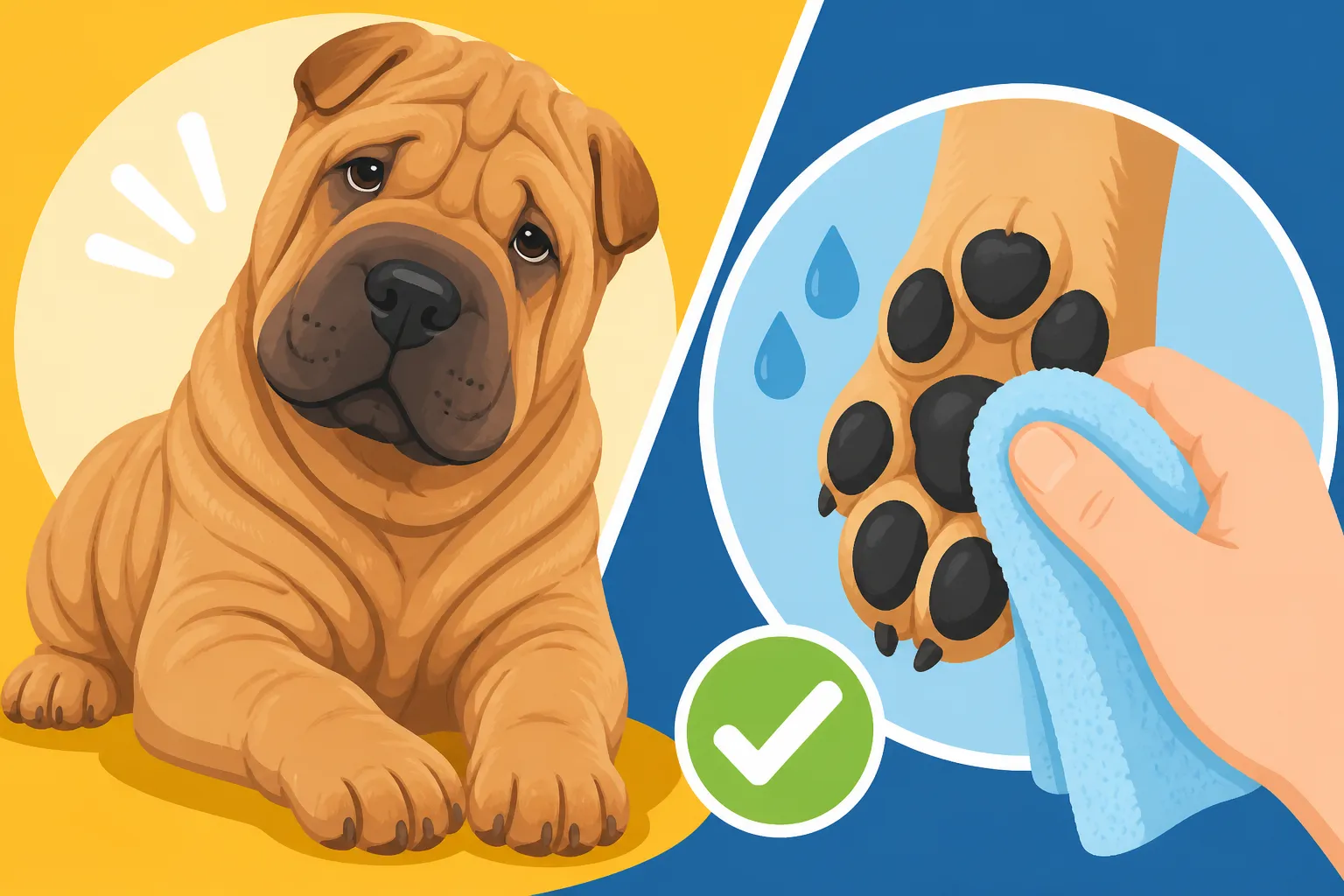
Whether a Shar Pei Should Be Dried Between the Toes
If you're a Shar Pei owner, you know the struggle: keeping all those magnificent, velvety folds clean and dry is a constant battle. But it's not just the obvious wrinkles on their face and body that demand your attention; those little spaces between their toes can be easily overlooked, yet they are prime real estate for moisture-related problems. This guide will walk you through why diligently drying your Shar Pei's paws, especially between those precious toes, is absolutely essential for their health and comfort, and how to make it a stress-free part of your routine.
The Unique Challenge of Shar Pei Paws
Let's face it, Shar Peis are not built like other dogs. Their signature loose skin, while adorable, means they have an abundance of folds and pockets where moisture can get trapped. This isn't just about their dramatic facial wrinkles; it extends to their entire body, including their paws. Unlike breeds with tight, smooth skin, a Shar Pei's paw pads and the skin between their toes can be surprisingly… well, foldy. This creates a perfect, warm, damp environment for all sorts of unwelcome guests to set up shop.
Imagine how a damp towel left crumpled in a humid bathroom can start to smell musty and eventually grow mildew. Now picture that on your dog's foot, where the natural warmth of their body, combined with moisture from a walk in damp grass, a bath, or even just heavy dew, creates an ideal breeding ground. It's not just about a little dampness; it's about the consistent presence of moisture in areas that don't get much airflow. This often overlooked area is actually a critical point in their overall skin health. Every Fold on a Shar Pei Is a Place Something Grows, and the interdigital skin is no exception.
Why Those Toes Are Trouble Spots
The skin between a Shar Pei's toes, known as the interdigital spaces, is especially vulnerable. It's often covered by fur, which, while offering some protection, also acts like a sponge, holding onto water. This combination of trapped moisture, lack of air circulation, and the natural heat of your dog's body can quickly lead to irritation. We're talking about more than just a fleeting dampness; we're talking about a persistent humidity that softens the skin, making it weaker and more susceptible to microscopic invaders.
Consider your own experience with wet feet in shoes for too long – the skin gets pruny, sensitive, and itchy. For a Shar Pei, this sensation is amplified, and they can't simply take off their "shoes." The constant dampness breaks down the skin's natural barrier, leaving it open to bacteria and yeast that are naturally present on their skin but only become problematic when conditions are right. It’s a silent, often unseen battle brewing right there between their pads, which is why drying them properly is a non-negotiable part of their care.
The Risks of Undried Shar Pei Paws
Ignoring those damp spaces between your Shar Pei's toes isn't just a minor oversight; it can quickly escalate into painful and recurring health issues. The consequences range from mild irritation to serious infections that require veterinary intervention, causing discomfort for your beloved companion and considerable expense for you. It's a classic case of an ounce of prevention being worth a pound of cure.
Interdigital Dermatitis and Yeast Infections
The most common culprit when paws stay wet too long is a condition often called interdigital dermatitis. This is essentially an inflammation of the skin between the toes, frequently caused or exacerbated by bacterial or yeast overgrowth. The classic signs are redness, itching, and often a distinctly unpleasant odor – that tell-tale "corn chip" or yeasty smell. If you're noticing your Shar Pei constantly licking, chewing, or even limping on a paw, especially after a walk on wet ground or a bath, their interdigital spaces might be the source of the problem.
Left untreated, these infections can become chronic, deep-seated, and incredibly painful. Imagine walking around with a persistent, itchy rash between your fingers or toes; that's what your Shar Pei might be experiencing. They might start avoiding walks, refusing to put weight on the affected paw, or become visibly distressed. Skin Fold Dermatitis on a Shar Pei often presents in similar ways, just in different locations. These localized infections can also be a sign of underlying issues, like Food Allergies in a Shar Pei or other sensitivities that make their skin more prone to inflammation.
Hot Spots and Secondary Bacterial Infections
Beyond general dermatitis, persistent moisture can also lead to "hot spots," which are acute moist dermatitis lesions. These pop up incredibly fast, often overnight, and appear as red, raw, oozing sores. Your Shar Pei might furiously lick or chew at the area, which only makes the problem worse, creating a vicious cycle of irritation and self-trauma. The warmth and dampness provide the perfect environment for bacteria to multiply rapidly, turning a small patch of irritation into a painful, spreading lesion.
The bacteria involved are often normal inhabitants of the skin, like Staphylococcus, but when the skin barrier is compromised by moisture and constant licking, they can invade deeper tissues. This can necessitate antibiotics, special medicated shampoos, and sometimes even Elizabethan collars to prevent further self-mutilation. It’s a truly frustrating experience for both dog and owner, highlighting why Drying Is More Important Than Washing on a Shar Pei and diligent drying after any exposure to moisture is crucial.
How to Effectively Dry Your Shar Pei's Paws
Now that we understand why it's so important, let's talk about the how. Drying a Shar Pei's paws isn't a race; it's a careful, deliberate process. Making it a positive experience from puppyhood can save you a lot of grief (and vet bills!) down the line.
Tools and Techniques for Thorough Drying
First, you'll want the right tools. Skip the rough bath towels you use for yourself; they can be abrasive and not absorbent enough for those deep folds. Opt for soft, highly absorbent microfiber towels. These are fantastic because their tiny fibers can wick away moisture much more effectively. You can find excellent options on retailers like Amazon or Chewy. Some owners even use specialized paw dryers, which are essentially small, quiet blow dryers designed for pets, usually found with pet grooming supplies. Just be mindful of the heat setting; you want cool or lukewarm air, never hot, to avoid skin burns or discomfort.
Here’s a step-by-step approach:
- Start Gentle: After a bath or a walk in wet conditions, gently blot the top and bottom of each paw with your microfiber towel. Don't rub vigorously, as this can irritate damp skin.
- Finger Power: Use your fingers to gently spread the toes apart, exposing the skin and fur in between the pads.
- Targeted Blotting: Take a corner of your towel or a fresh, smaller cloth, and carefully blot these interdigital spaces. Get right down into the crevices. You might be surprised how much moisture lingers there.
- Air Flow (Optional but Recommended): If your Shar Pei tolerates it, a cool setting on a pet dryer (or even a regular hairdryer held at a safe distance) can work wonders for ensuring complete dryness. Keep the dryer moving constantly to prevent localized heat build-up.
- Check for Residue: After bathing, ensure no shampoo residue is left behind, as this can also be an irritant. Rinse, rinse, and rinse again, especially between the toes, and then dry thoroughly.
| Drying Method | Pros | Cons | Best Use Case |
|---|---|---|---|
| Microfiber Towel | Highly absorbent, gentle, inexpensive | Can be time-consuming for very wet paws | Everyday drying after walks, initial bath drying |
| Pet Dryer (Cool Air) | Thorough, speeds drying, good airflow | Requires dog cooperation, can be noisy | After baths, for dogs prone to paw infections |
| Absorbent Paw Mitts | Easy to use, good for quick drying | Less effective for deep interdigital spaces | Quick post-walk clean-up, superficial drying |
| Drying Box/Kennel | Hands-free, consistent drying | Expensive, larger equipment, requires acclimation | Professional grooming, multi-dog households |
Making it a Positive Routine
No one wants to wrestle a disgruntled Shar Pei just to dry their paws. Start early with puppies! Handle their paws frequently, gently spreading their toes, even when they're dry. Pair this with treats and praise. Make it a game. A lick mat smeared with peanut butter or a favorite chew can be a wonderful distraction during drying time, turning a potential struggle into a quiet, enjoyable bonding moment.
The frequency of paw drying depends on your dog's activities and environment. After every bath, it's non-negotiable. If your Shar Pei loves splashing in puddles, romping in dewy grass, or if you live in a humid climate, daily checks and quick drying sessions might be necessary. Think of it as part of their regular Caring for a Shar Pei Past Seven routine, as older dogs might be less tolerant of discomfort and more prone to skin issues.
For Shar Peis with existing skin sensitivities or chronic paw licking, your vet might recommend specific drying solutions or wipes with antiseptic properties. Products designed to address yeast or bacteria often contain ingredients like chlorhexidine or miconazole. Always consult your veterinarian before introducing new products, as their unique skin can be quite reactive.
Recognizing and Preventing Paw Issues
Even with the best drying routine, it's important to know the signs of trouble so you can act quickly. Prevention is key, but early detection is your next best line of defense.
Signs Your Shar Pei's Paws Need Attention
Your Shar Pei communicates discomfort in various ways, and their paws are no exception. Keep an eye out for these tell-tale signs:
- Excessive Licking or Chewing: This is often the first and most obvious sign. If your Shar Pei is constantly gnawing at their paws, especially between the toes, it's a red flag.
- Redness and Inflammation: Gently spread their toes and look closely. Is the skin inflamed, red, or irritated? Healthy skin between the toes should look pale pink and smooth.
- Odor: A yeasty, musty, or frankly foul smell emanating from their paws is a strong indicator of a bacterial or yeast infection. Whether a Shar Pei's Folds Smell When Healthy – usually not, and certainly not bad.
- Swelling: Paws might appear puffy or swollen, particularly between the pads.
- Discharge: You might notice clear, yellowish, or brownish discharge, which could be pus or fluid from a hot spot.
- Limping or Reluctance to Walk: If it hurts to put weight on their paws, they'll show it.
- Lesions or Sores: Look for any open wounds, scabs, pustules, or hair loss in the affected areas.
If you observe any of these symptoms, a trip to the vet is in order. Self-treating can sometimes make the problem worse or mask a more serious underlying condition.
Holistic Prevention and Ongoing Care
Beyond diligent drying, several other aspects of care can contribute to healthy Shar Pei paws:
- Regular Nail Trims: Overgrown nails can change how your dog distributes weight, potentially splaying their toes and creating more friction and moisture traps. Keeping nails trimmed helps maintain proper foot structure.
- Paw Waxes or Balms: For dogs with dry, cracked pads, a protective paw wax can create a barrier against moisture and irritants. However, ensure it's breathable and doesn't trap too much moisture between the toes. Brands like Ollie might offer paw balms, but again, always check with your vet for suitability, especially if there's any existing skin irritation.
- Appropriate Footwear: In extreme weather (very hot pavement, icy conditions, salty roads), dog boots can protect paws from external irritants and excessive moisture, although many Shar Peis aren't keen on wearing them! Introduce them gradually and positively if you go this route.
- Diet and Allergies: Sometimes, recurring paw issues aren't just about external moisture; they're symptoms of underlying allergies. Food Allergies in a Shar Pei or environmental allergies can manifest as itchy paws, leading to excessive licking and secondary infections. Your vet might suggest an elimination diet or allergy testing if paw problems are chronic.
- Regular Grooming: For Shar Peis with longer fur between their pads, a quick trim can help improve air circulation and reduce moisture retention. However, be extremely careful if you choose to trim yourself, as the skin between the pads is very delicate. A professional groomer or your vet can usually help with this.
The commitment you make to understanding and addressing the unique needs of your Shar Pei's paws will pay dividends in their overall health and happiness. It might seem like a small detail, but for these incredible dogs, it's a huge part of living comfortably in their beautiful, wrinkly skin.
Disclaimer
This article is for general informational purposes only and does not constitute professional advice. Laws, prices and regulations vary by location and change over time. Consult a qualified professional for guidance on your specific situation.


