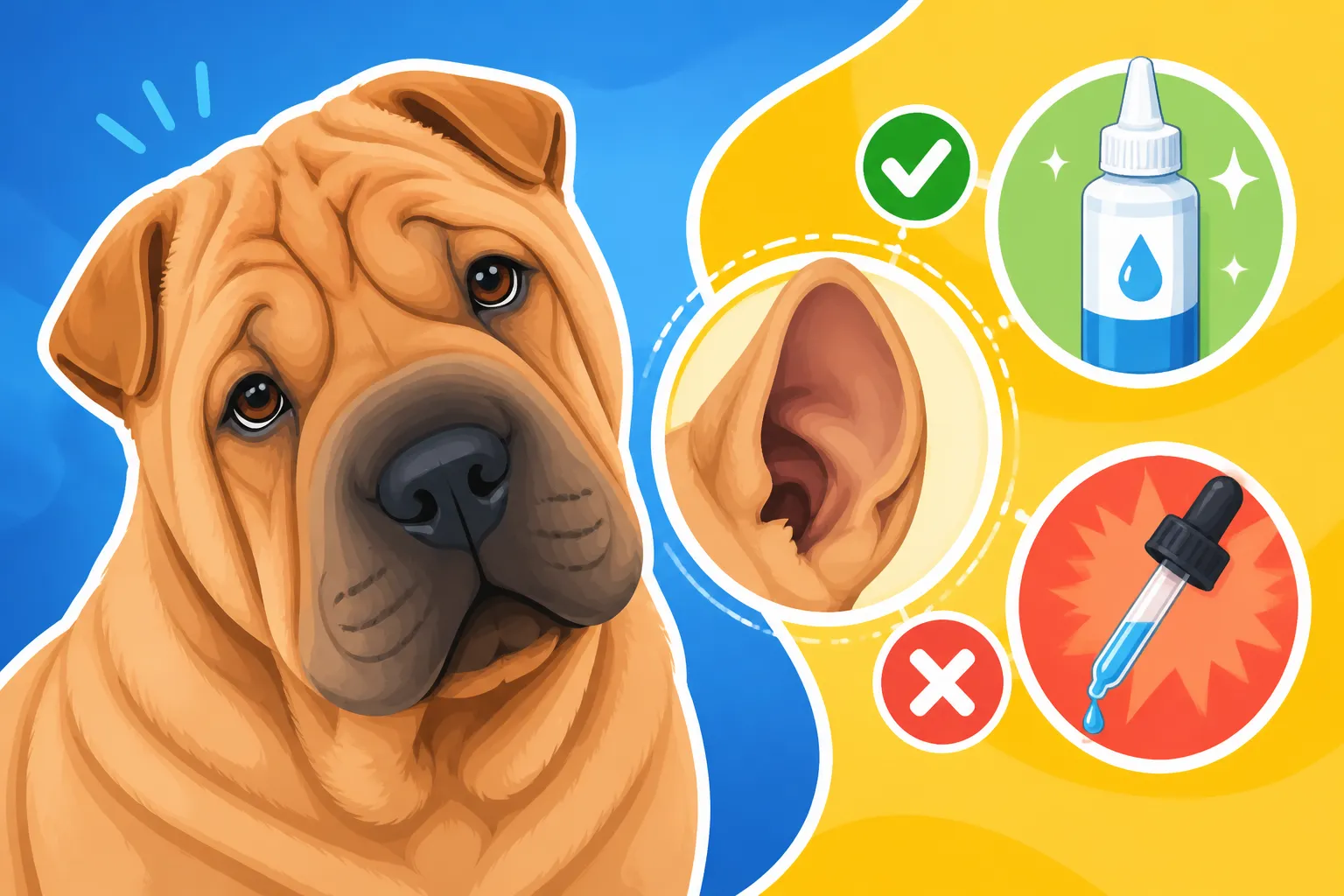
Whether a Drying Solution Suits a Shar Pei’s Ears
If you're a Shar Pei owner, you know the struggle: those adorable, tiny ears are a magnet for moisture, dirt, and all sorts of trouble, often leading to frustrating, recurring infections. It feels like you're constantly battling an invisible enemy in those little folded-over canals! This guide will walk you through the specifics of why your Shar Pei's ears are so prone to dampness, why proper drying is absolutely critical, and what drying solutions actually work to keep those sensitive ears healthy and happy.
The Unique Challenge of Shar Pei Ears
Let's face it, a Shar Pei's ears are undeniably cute, but they are also a veterinary challenge wrapped in a furry package. Unlike many breeds with open, upright, or even pendulous ears that allow for ample airflow, your Shar Pei has those characteristic small, tightly folded ears that sit close to the head. This isn't just a cosmetic trait; it creates a perfect storm for moisture retention and bacterial or yeast overgrowth.
Imagine trying to dry a deep, narrow cave after a rain shower. That's essentially what you're dealing with when it comes to your Shar Pei's ear canals. They are incredibly narrow, often almost vertical, and the opening is frequently obscured by skin folds or heavy ear flaps. This anatomical quirk means that even a small amount of moisture from a bath, a swim, or even just humidity in the air, gets trapped inside, creating a warm, damp environment that microorganisms absolutely love. It's a prime breeding ground for the very infections we're all trying to avoid. A Shar Pei Has the Narrowest Ear Canals of Any Breed delves deeper into just how unique this anatomy truly is.
Compounding this issue is the fact that many Shar Pei have other underlying skin sensitivities or allergies, which can further exacerbate ear problems. An ear that's already prone to inflammation due to allergies will be even more susceptible to secondary infections when moisture is present. You might be meticulously cleaning and still finding issues, and it often comes back to that persistent dampness that just won't evaporate on its own. It’s a constant battle, and it's easy to feel defeated when it seems like you’re doing everything right.
Why Proper Ear Drying Is Non-Negotiable
For a Shar Pei, simply "letting the ears air dry" after a bath or a splash in a puddle isn't an option; it's practically an invitation for infection. The tightly sealed nature of their ear canals means that air circulation is minimal to non-existent. Without active intervention, that moisture can sit there for hours, even days, fermenting and fostering the growth of bacteria and yeast. This isn't just about preventing a minor itch; it's about safeguarding your dog's long-term ear health and comfort.
Untreated or recurring ear infections are incredibly painful for your Shar Pei. They can cause intense itching, head shaking, pawing at the ears, and even lead to more serious complications like hematomas (blood blisters on the ear flap from vigorous shaking) or chronic changes to the ear canal itself, such as thickening and narrowing, making future infections even harder to treat. How Often a Shar Pei Gets an Ear Infection highlights just how common these issues are. In severe, chronic cases, the ear canal can even calcify or close over completely, potentially leading to irreversible hearing loss and necessitating expensive and invasive surgery like a Total Ear Canal Ablation (TECA). This is why preventative care, especially thorough drying, is paramount.
Beyond the immediate discomfort and potential for severe health issues, there's also the emotional toll on both you and your dog. Dealing with a dog in pain, frequent vet visits, and the constant application of drops can be stressful and heartbreaking. Establishing a consistent, effective ear-drying routine is a proactive step that can save your Shar Pei from unnecessary suffering and you from significant veterinary bills down the line. It truly is one of the most important preventative measures you can take for your wrinkled friend.
Choosing and Using Effective Ear Drying Solutions
When it comes to drying your Shar Pei's ears, you need products specifically designed to remove moisture and create an unfavorable environment for microbial growth. Simply wiping the visible outer ear isn't enough; you need solutions that can safely reach deeper into that narrow canal.
Here’s a breakdown of effective drying solutions and how to use them:
Astringent Ear Cleaners with Drying Agents
These products often contain ingredients like boric acid, salicylic acid, or alcohol (in appropriate, diluted concentrations) that help to dry out the ear canal while also providing mild antiseptic properties. They work by changing the pH within the ear, making it less hospitable for yeast and bacteria, and helping to evaporate lingering moisture.
To use them effectively:
- Preparation: Gently lift your Shar Pei’s ear flap to expose the ear canal. If there's a lot of visible wax or debris, you might want to use a dedicated ear cleaner (not just a drying solution) first to clear it out. What to Clean a Shar Pei's Ears With offers guidance on this initial step.
- Application: Squirt a generous amount of the drying solution directly into the ear canal until it's full. Don't be shy; you want it to penetrate deep.
- Massage: Gently massage the base of your dog’s ear for about 30 seconds. You should hear a squishing sound, which means the solution is working its way down and breaking up any debris.
- Allow Shaking: Let your Shar Pei shake their head vigorously. This is crucial as it helps dislodge the solution and any loosened debris from the canal. Have a towel ready!
- Wipe Clean: Use a clean cotton ball or soft tissue to wipe away any excess solution, wax, or debris from the visible parts of the outer ear and ear flap. Never use cotton swabs inside the ear canal, as they can push debris further in and damage the delicate structures. Why Cotton Swabs Are Wrong for a Shar Pei's Ear explains the risks in detail.
For frequency, if your Shar Pei swims or gets wet regularly, applying a drying solution after each exposure is a good idea. For routine maintenance, once or twice a week might suffice, but always consult your vet for a schedule tailored to your dog's specific needs. Many excellent drying solutions can be found on platforms like Chewy or Amazon, offering a wide range of options to discuss with your vet.
Ear Wipes with Drying Properties
For less severe moisture issues or as a quick follow-up to a full cleaning, specialized ear wipes can be useful. These wipes are usually infused with drying and antiseptic ingredients. While they won't penetrate as deeply as a liquid solution, they are excellent for cleaning the accessible outer ear folds and the initial part of the ear canal. They're also super handy for a quick wipe-down after a walk in humid weather or a light rain. Just ensure they are free of harsh chemicals or strong perfumes that might irritate sensitive Shar Pei skin.
Post-Bath Drying Techniques
Even with a liquid drying solution, physical drying is vital. After baths, use soft towels to blot as much moisture as possible from the outer ear and surrounding fur. For the inner ear, you can use a hairdryer on the coolest setting and lowest speed, held at a safe distance (at least 12-18 inches) from the ear. Gently lift the ear flap to allow some airflow into the canal. Be extremely careful not to use heat, as this can burn your dog's delicate skin and exacerbate any existing inflammation. The goal is gentle evaporation, not rapid drying with high heat. Whether a Shar Pei's Ears Should Be Dried After Bathing emphasizes this crucial step.
Here's a quick comparison of popular ear drying solutions:
| Solution Type | Main Benefit | Best Use Case | Application Method | Frequency |
|---|---|---|---|---|
| Astringent Liquid Drops | Deep penetration, antiseptic action | After swimming/bathing, regular maintenance | Squirt into canal, massage, allow shaking | 1-3 times/week or as needed |
| Medicated Ear Wipes | Convenient, surface cleaning | Quick touch-ups, outer ear folds, minor moisture | Wipe outer ear, accessible canal | Daily to a few times/week |
| Gentle Hair Dryer (Cool/Low) | Evaporates surface moisture | After bathing/wet play, helps air circulation | Low/cool setting, held at distance, lift ear flap | After each wetting |
| Desiccant Powders (Vet-approved) | Absorbs moisture, can help with hair | Specific cases of excessive moisture and ear hair (less common for Shar Pei due to tiny canals) | Puff lightly into outer canal, only if advised by vet | As directed by vet |
Remember, consistency is key. Integrating these drying practices into your Shar Pei's routine, especially after any exposure to water, can make a world of difference in preventing those dreaded ear infections.
Beyond Drying: Comprehensive Ear Care for Your Shar Pei
While proper drying solutions are a powerful tool, they are just one component of a holistic approach to keeping your Shar Pei's ears healthy. Their unique anatomy means that they will always be prone to ear issues, but with diligent care, you can significantly reduce the frequency and severity of problems.
Regular Cleaning and Monitoring
Beyond drying, a consistent ear cleaning schedule is essential. Your veterinarian can recommend a suitable ear cleaner and demonstrate the correct technique. For many Shar Pei, weekly or bi-weekly cleaning is a good starting point, but some may need more or less depending on their individual tendencies and history of infections. Regularly inspecting your Shar Pei’s ears for any signs of redness, discharge, odor, or discomfort is also paramount. How Often a Shar Pei's Ears Need Cleaning is a useful guide for establishing this routine. Early detection of a budding problem can often prevent it from escalating into a full-blown infection requiring antibiotics. If you notice any of these symptoms, don't hesitate to contact your vet.
Addressing Underlying Issues
Often, chronic ear infections in Shar Pei aren't just about moisture; they can be symptoms of deeper health problems like allergies. Food allergies or environmental allergies can cause inflammation and itching throughout the skin, including the ears, making them more susceptible to secondary infections. If your Shar Pei experiences persistent ear problems despite diligent cleaning and drying, it’s crucial to work with your veterinarian to investigate potential allergic triggers. This might involve dietary changes, allergy testing, or other treatments to manage the underlying condition. While brands like Ollie focus on nutrition, addressing food sensitivities with a high-quality, appropriate diet can sometimes indirectly improve skin and ear health, though it's not a direct ear-drying solution.
Professional Veterinary Care
Never underestimate the importance of regular veterinary check-ups. Your vet can provide professional ear cleanings, especially if there's a buildup of wax or deep-seated debris that you can't manage at home. They can also use an otoscope to examine the deep structures of the ear canal and eardrum, catching issues that aren't visible to the naked eye. If an infection does take hold, your vet can identify the specific type of bacteria or yeast involved through cytology (looking at a swab under a microscope) and prescribe the most effective medication. Sometimes, sedation might even be needed for a thorough examination and cleaning, particularly if the ear is very painful or the canals are extremely narrow. Whether a Shar Pei Needs Sedation for an Ear Exam provides further context on this. Prevention is always better than cure, and your vet is your best partner in this endeavor.
By combining appropriate drying solutions with a consistent cleaning regimen, vigilant monitoring, and professional veterinary oversight, you can give your beloved Shar Pei the best chance at a lifetime of healthy, comfortable ears. It takes effort, but seeing your dog free from discomfort is absolutely worth it.
Disclaimer
This article is for general informational purposes only and does not constitute professional advice. Laws, prices and regulations vary by location and change over time. Consult a qualified professional for guidance on your specific situation.


