Whether the Shar Pei Boom Damaged the Breed
For many dog lovers, the Shar Pei's distinctive look and intriguing history were an irresistible combination. But the sudden surge in their popularity decades ago, while saving them from near extinction, also cast a long shadow over the breed's future. This guide will explore how the "Shar Pei boom" led to significant challenges in health and temperament, and what responsible owners and breeders are doing to overcome these lasting impacts.
The Shar Pei's Near Extinction and Dramatic Rescue
It's hard to imagine now, with the breed being relatively well-known, but there was a time when the Shar Pei teetered on the brink, almost vanishing from the world entirely. This wasn't due to a lack of appeal, but rather a perfect storm of historical circumstances that nearly wiped them out. Understanding this low point is crucial to grasping the intense pressure that led to their eventual, explosive popularity.
The Low Point in the 1970s
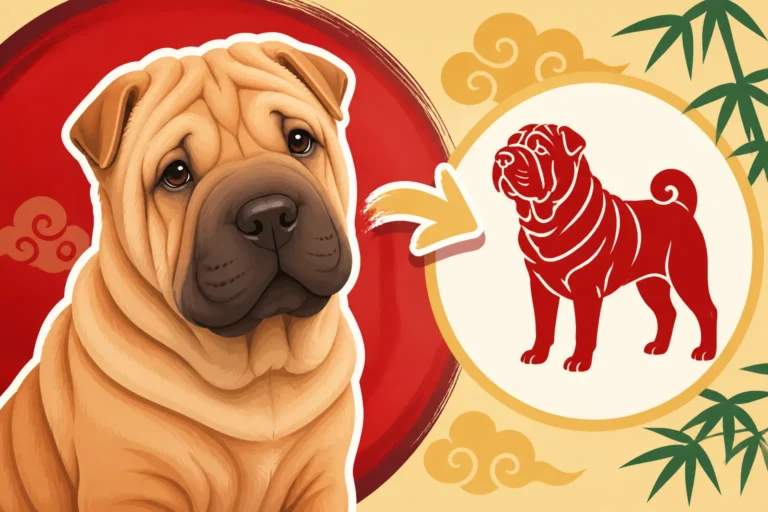
Picture this: the 1970s, and the Shar Pei breed was facing an existential crisis. In mainland China, where they originated, economic and political changes had made dog ownership, especially for larger breeds, incredibly difficult, if not outright forbidden. Dogs were seen as luxuries or pests, and severe taxes and restrictions were imposed. This led to a drastic reduction in their numbers, with many dogs being culled. It was a bleak time for many traditional Chinese breeds, and the Shar Pei suffered immensely. They had once been common working dogs in the Guangdong province, used for guarding, hunting, and even fighting, but their usefulness was now overlooked in favor of a more utilitarian approach to society. The few remaining Shar Pei were scattered, often hidden, and certainly not thriving.
The genetic bottleneck created by this near-extinction event was severe. A healthy breed needs a diverse gene pool to remain robust and adaptable, but the Shar Pei's was shrinking to dangerous levels. It's speculated that by the mid-1970s, only a handful of true Shar Pei remained, primarily in Hong Kong and Macau, held by a few dedicated fanciers who recognized their unique heritage and fought to keep them alive. These were truly the last custodians of the breed, holding onto a precious living history that was close to fading forever.
Matgo Law's Urgent Appeal
It was against this desperate backdrop that Matgo Law, a Hong Kong businessman and devoted Shar Pei enthusiast, made a plea that would change the breed's destiny. In 1978, he penned an impassioned letter to an American dog magazine, Dogs (also known as Dogs Magazine at the time), titled "Send Us Some Shar Pei." He painted a stark picture of the breed's plight, describing them as "the last remaining specimens" and appealing to Western dog lovers to help save them. He explicitly stated that the remaining dogs faced extermination. His letter was a cry for help, an urgent call to action to prevent a unique piece of canine history from disappearing forever.
The response was overwhelming. The article struck a chord with American dog enthusiasts who were captivated by the exotic, wrinkled appearance and the dramatic story of a breed on the verge of extinction. Suddenly, everyone wanted to help, and more specifically, everyone wanted a Shar Pei. This appeal wasn't just a quiet conservation effort; it ignited a firestorm of interest, setting the stage for the breed's rapid importation and subsequent boom in popularity. It was a heroic act of preservation, but one that, inadvertently, opened the door to a whole new set of challenges for the Shar Pei breed.
The Sudden Surge in Popularity and Its Consequences
The incredible story of a rare breed saved from oblivion created a powerful mystique around the Shar Pei. Suddenly, these dogs were not just pets; they were living relics, symbols of a dramatic rescue, and a conversation piece all rolled into one. This allure, combined with their distinctive appearance, fueled a demand that the existing, small population simply couldn't meet responsibly.
Rapid Growth and the Lure of Novelty
Once Matgo Law's article hit the stands and the first few Shar Pei arrived on American soil, the breed's popularity exploded. People were fascinated by their unique look: the deep wrinkles, the "hippopotamus" muzzle, the small, curled tail, and that striking blue-black tongue they share with the Chow Chow. They were exotic, intriguing, and unlike any other dog most people had ever seen. The novelty factor was huge, and suddenly, the Shar Pei became a status symbol, a must-have for those looking for something truly different.
This demand wasn't a slow, steady increase; it was a rapid, almost exponential surge. Everyone, it seemed, wanted to be one of the few to own this "rarest dog in the world," a title the Guinness Book of World Records briefly bestowed upon them. This high demand, unfortunately, created fertile ground for less scrupulous individuals to enter the breeding scene. When money is to be made quickly, ethical considerations often take a backseat. The focus shifted from preserving a healthy breed to simply producing as many puppies as possible to capitalize on the craze. The breed's uniqueness became its vulnerability, as the very traits that made it desirable were often exaggerated for market appeal.
The Rise of Unethical Breeding Practices
The demand for Shar Pei puppies far outstripped the supply from dedicated, ethical breeders. This vacuum was quickly filled by backyard breeders and puppy mills who saw the Shar Pei as a cash cow. Their primary goal was volume and speed, not health, temperament, or adherence to the breed's true historical standards. This led to a significant dilution of the breed's quality, both physically and behaviorally.
These opportunistic breeders often neglected crucial steps like health testing, proper socialization of puppies, and careful selection of breeding pairs. They bred any two Shar Pei they could get their hands on, often without regard for genetic lineage, existing health issues, or temperament flaws. Their breeding stock might have come from the same limited genetic pool that was already a concern, further intensifying any predisposition to certain conditions. The charming wrinkles, in particular, became a focus, leading to the breeding of dogs with increasingly exaggerated folds that would later cause severe health problems. The initial heroic rescue effort, meant to save the breed, was inadvertently undermined by the very boom it created, as the sudden explosion in numbers prioritized quantity over the foundational quality of the Shar Pei. You might find a wider range of grooming or healthcare products now at places like Chewy that cater to their unique needs, precisely because these issues became so prevalent.
Health Decline: The Unintended Cost of the Boom
The rapid, unregulated expansion of the Shar Pei population during the boom years undeniably led to a significant decline in the breed's overall health. When the focus shifts from careful genetic selection to mass production, the most vulnerable traits are often the first to suffer. For the Shar Pei, this meant a dramatic increase in the prevalence and severity of certain genetic conditions, directly linked to their unique physical characteristics.
Exacerbated Genetic Health Issues
The original Shar Pei population that Matgo Law sought to save was already genetically limited, a bottleneck created by the breed's near annihilation. When the "boom" hit, many new breeders started with this already narrow gene pool, and instead of working to diversify and strengthen it, they often inadvertently intensified existing issues through indiscriminate breeding. Without a robust understanding of canine genetics or a commitment to health screening, dogs carrying genes for serious hereditary conditions were bred freely, passing those vulnerabilities down to countless offspring.
One of the most devastating examples is the proliferation of Familial Shar Pei Fever Is Not an Infection (FSF) and its associated condition, amyloidosis. FSF, characterized by recurrent fevers and swollen hocks, is now known to be linked to the same gene mutation that causes the breed's distinctive wrinkles. When breeders began selecting for more wrinkles, they unwittingly increased the likelihood of FSF in their lines. This then dramatically increased the risk of Amyloidosis Is What Actually Kills a Shar Pei, a fatal disease where an abnormal protein builds up in organs, most commonly the kidneys. Many unsuspecting owners found themselves with puppies who, despite appearing healthy, would later suffer from these debilitating and expensive conditions. The costs associated with managing these chronic conditions can be substantial, making veterinary care a significant part of Four Bills Every Shar Pei Owner Should Expect.
The 'Wrinkle Race' and Exaggerated Features
The very trait that made the Shar Pei so captivating—its abundant wrinkles—became a double-edged sword during the boom. The demand for "more wrinkled" or "super wrinkled" puppies led breeders to select for an extreme manifestation of this characteristic. This wasn't just about aesthetics; it had direct, negative health consequences. The gene responsible for these wrinkles also dictates the production of hyaluronic acid, which gives the skin its characteristic thickness and looseness. The more wrinkles, the more this acid, and the higher the risk for related health problems. For a deeper dive into this, consider reading Which Gene Duplication Causes a Shar Pei's Wrinkles and Why Hyaluronic Acid Makes a Shar Pei Wrinkle.
Excessive skin folds, particularly around the face, became a breeding priority, leading to a rise in conditions like entropion, where the eyelids roll inward, causing eyelashes to scratch the cornea. For a puppy, Entropion in a Shar Pei Puppy Is an Emergency, Not a Cosmetic Issue and can cause immense pain and even lead to blindness if not corrected. The deep folds on the body also created perfect breeding grounds for bacteria and yeast, leading to chronic skin fold dermatitis. Skin Is the Shar Pei's Largest Problem by Surface Area, and these infections can be painful, itchy, and require constant vigilance and often expensive medicated shampoos and wipes, readily available at pet supply stores like Chewy. The breed's unique ear structure, already prone to issues, was sometimes exacerbated by general skull conformation changes associated with extreme wrinkling, making them highly susceptible to ear infections, as noted in A Shar Pei Has the Narrowest Ear Canals of Any Breed. The pursuit of a hyper-wrinkled appearance, initially charming, proved to be a severe detriment to the breed's welfare.
Temperament and Behavioral Challenges
Beyond the obvious physical ailments, the Shar Pei boom also had a profound, often overlooked, impact on the breed's temperament. When breeding programs prioritize appearance and speed of production over careful selection for stable, desirable personality traits, the fundamental character of the breed can be compromised. Many individuals who acquired Shar Pei during the boom were unprepared for the complex behavioral needs of a dog whose temperament had been overlooked.
Diluted Breed Standards for Temperament
The original Shar Pei was a dog of purpose: a guardian, a hunter, and a farm dog. They were bred to be independent, vigilant, and often reserved with strangers—traits perfectly suited for their historical roles. A Shar Pei Was Bred to Guard, Not to Greet, and this inherent wariness requires careful management and understanding from an owner. However, during the boom, as puppy mills and casual breeders sought to churn out puppies, the nuanced understanding of the Shar Pei temperament was often lost. They weren't breeding for a dog with a stable, confident personality that could discern friend from foe; they were breeding for the next wrinkled face.
This lack of selective breeding for temperament led to an increase in undesirable traits. Some Shar Pei became overly fearful, prone to anxiety, or even unpredictably reactive due to poor genetic foundations. Resource guarding, aloofness, and strong territorial instincts, while present in the original breed, became exaggerated or mishandled in many lines. The result was a generation of Shar Pei that were often challenging for the average pet owner, leading to misunderstandings and, sadly, many dogs ending up in shelters or rescues. The breed's reputation suffered, unfairly, as the actions of irresponsible breeders created dogs that deviated from the breed's true, noble character.
The Impact of Poor Socialization and Training
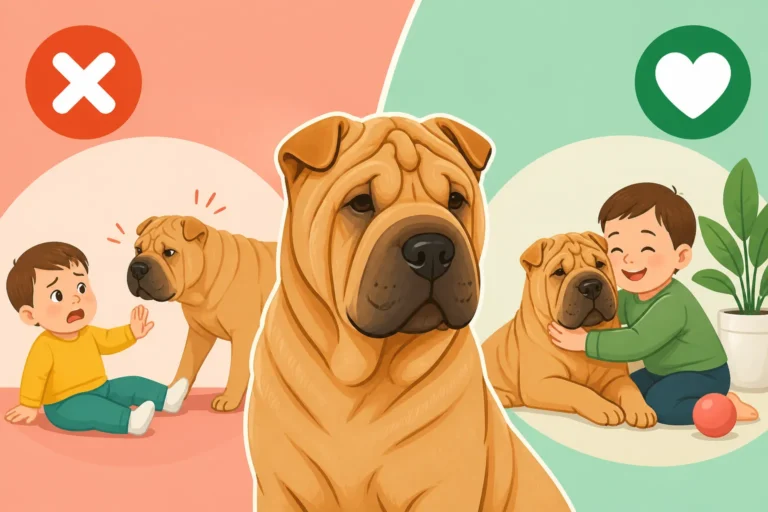
Compounding the genetic predisposition to certain temperaments was the widespread lack of proper socialization and training during the boom. Many new owners, drawn in by the Shar Pei's exotic looks, were simply not equipped to handle a breed that demands consistent, early, and positive socialization. These dogs, with their inherent guarding instincts and often limited peripheral vision due to their facial structure, need to be introduced to a wide variety of sights, sounds, people, and other animals from a very young age. Without this critical early exposure, a Shar Pei can become fearful, reactive, and defensive.
The sensitive period for socialization in puppies closes around 12 to 16 weeks. Socialize a Shar Pei Before Twelve Weeks or Pay for It Later is not just a catchy phrase; it's a vital piece of advice for this breed. During the boom, puppies were often sold too young, sometimes without any meaningful early life experiences, or ended up in homes where owners didn't understand the importance of this foundational training. Furthermore, Shar Pei are not typically known for being highly dog-social; in fact, Dog to Dog Is the Shar Pei Problem, Not Dog to Person for many. This makes responsible, carefully managed interactions paramount. Owners often found themselves overwhelmed by a dog that was aloof with strangers, wary of other dogs, and resistant to harsh training methods. The boom's legacy wasn't just physical illness, but also a generation of Shar Pei struggling with behavioral issues that could have been mitigated with better breeding practices and owner education.
The Road to Recovery and Responsible Ownership
While the Shar Pei boom left an indelible mark on the breed, it's not a story without hope. Dedicated individuals and organizations have worked tirelessly to undo the damage, focusing on health, temperament, and education. The future of the Shar Pei lies in the hands of responsible breeders and informed owners who understand the breed's unique needs and history.
The Efforts of Dedicated Breeders and Rescues
Thankfully, not all breeders during the boom were opportunistic. Many responsible breeders, appalled by the decline in breed health and temperament, doubled down on their commitment to ethical practices. These individuals diligently screened their breeding stock for hereditary diseases, prioritized sound temperament, and carefully planned their litters. They embraced health testing, often going beyond the minimum requirements, to identify and mitigate genetic predispositions to conditions like Familial Shar Pei Fever, amyloidosis, hip and elbow dysplasia, thyroid issues, and certain eye conditions. Understanding issues like What SPAID Means for a Shar Pei has allowed more targeted health screening.
Breed-specific rescues have also played an absolutely critical role. They take in Shar Pei who have been abandoned or surrendered, often due to health or behavioral issues stemming from irresponsible breeding or unprepared owners. These rescues provide veterinary care, rehabilitation, and careful placement into new, loving homes. They also serve as invaluable educational resources, teaching prospective owners about the breed's unique requirements and challenges. These organizations are often the unsung heroes, cleaning up the aftermath of the boom and providing a safety net for Shar Pei in need. Their work helps to re-establish a positive perception of the breed by demonstrating that, with proper care and attention, Shar Pei can be wonderful companions.
What Prospective Owners Should Look For Today
If you're considering bringing a Shar Pei into your home, it's more important than ever to do your homework and choose wisely. The days of simply finding "the rarest dog" are long gone, and the focus should now be squarely on finding a healthy, well-socialized puppy from a reputable source. Here’s what to look for:
- Health Testing: A reputable breeder will be transparent about the health of their breeding dogs and their lineage. They should be able to provide documentation of health clearances for hips, elbows, patellas, thyroid, eyes (OFA, CERF), and importantly, specific Shar Pei concerns like Familial Shar Pei Fever and renal amyloidosis. Don't be shy about asking for proof. This is crucial given the breed's history of genetic issues.
- Temperament Assessment: Ask to meet both parents if possible, or at least the mother. Observe their temperament. Are they calm, confident, and appropriately reserved, or are they fearful, aggressive, or overly boisterous? A good breeder will also socialize their puppies extensively from birth, exposing them to various sights, sounds, and gentle handling.
- Ethical Practices: A responsible breeder will have a waiting list, interview prospective owners thoroughly, and provide a comprehensive contract. They won't always have puppies available immediately. They will be knowledgeable about What a Shar Pei Puppy Costs From a Health Testing Breeder and openly discuss the lifelong commitment involved. Avoid breeders who sell to pet stores, offer multiple breeds, or don't allow you to visit their premises.
- Education and Support: A good breeder will act as a mentor, providing ongoing support and advice for the lifetime of your dog. They should educate you about the breed's specific care needs, including skin fold cleaning, ear care, and the importance of diet, for which online retailers like Chewy offer a vast array of specialized products.
- Consider a Rescue: Don't overlook breed-specific rescues. Adopting an adult Shar Pei can be incredibly rewarding. Rescues often have a thorough understanding of their dogs' health and temperament, providing a clear picture of what you're bringing home.
By being diligent and informed, you can help support the efforts of those dedicated to the Shar Pei's well-being and ensure that the legacy of the boom years becomes one of recovery and resilience, rather than continued decline.
| Aspect of Breeding | Responsible Breeders | Irresponsible Breeders / Puppy Mills |
|---|---|---|
| Primary Goal | Health, Temperament, Breed Standard | Profit, Quantity, Appearance Extremes |
| Health Testing | Extensive genetic screening, vet checkups for parents and puppies | Minimal or no health testing, hidden health issues |
| Temperament | Select for stable, confident, classic Shar Pei temperament | Little to no regard for temperament, can lead to fear or aggression |
| Socialization | Early and diverse exposure for puppies, raised in home environment | Limited or no socialization, often raised in kennels |
| Genetic Diversity | Strives to broaden genetic pool, avoid close line breeding | Breeds related dogs, exacerbating genetic issues |
| Knowledge | Deep understanding of breed history, health, behavior | Limited knowledge, focus on quick sales |
| Support | Offers lifetime support, resources, takes dogs back if needed | No follow-up, no support after sale |
| Pricing | Reflects investment in health, care, and quality breeding | Undercuts prices, often a sign of cutting corners |
| Transparency | Open about health records, facilities, breeding practices | Secretive about facilities, avoids questions about health |
Disclaimer
This article is for general informational purposes only and does not constitute professional advice. Laws, prices and regulations vary by location and change over time. Consult a qualified professional for guidance on your specific situation.