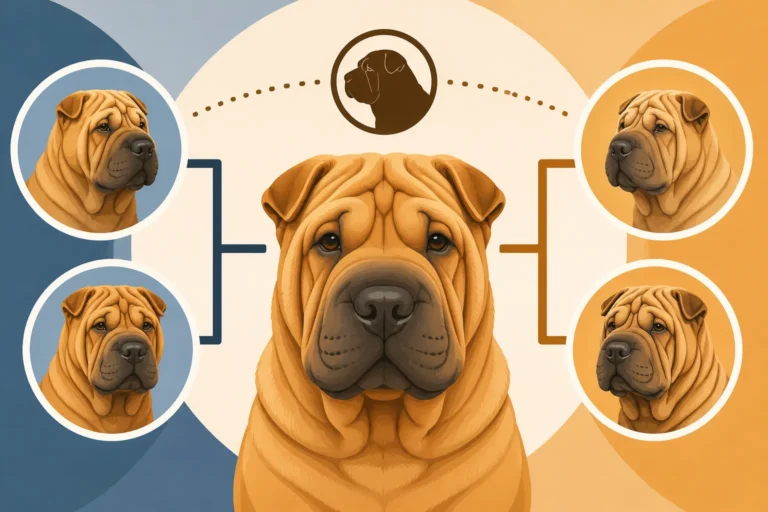
Whether a Shar Pei Suits a First Time Owner
The dream of bringing home a Shar Pei puppy, with their adorable wrinkles and unique personality, is incredibly captivating. However, many first-time dog owners, swept up in that initial charm, don't fully realize the intense commitment, specialized care, and unique challenges that come with owning this ancient breed. This comprehensive guide will walk you through the realities of Shar Pei ownership, helping you honestly assess if you're truly ready for the journey, especially if this is your very first dog.
The Shar Pei Temperament: More Than Just a Wrinkled Face
It's easy to fall in love with the Shar Pei's distinctive appearance, but their temperament is equally unique and often misunderstood. These aren't your typical Golden Retrievers or Labradors, eager to please and boisterously friendly with everyone they meet. A Shar Pei's personality is complex, rooted deeply in their history, and requires an owner who understands and respects their inherent traits.
Aloofness Towards Strangers and Guarding Instincts
One of the first things you'll notice about a Shar Pei is their reserved nature. They aren't typically the kind of dog to enthusiastically greet every stranger on the street or at your front door. Instead, they tend to be quite aloof, observing new people with a cautious, sometimes wary, demeanor. This isn't rudeness; it's simply how they're wired. Originally bred for guarding and hunting in rural China, they have a strong instinct to protect their home and family. A Shar Pei Was Bred to Guard, Not to Greet. This means they can be excellent watchdogs, alert to anything out of place, but it also means a first-time owner needs to be diligent about managing introductions and ensuring visitors understand the dog's boundaries.
Imagine a scenario: you've got friends coming over, and your Shar Pei, let's call him Winston, is usually found lounging placidly. But the moment the doorbell rings, his ears perk up, and he positions himself between your guests and the living room. He might not bark incessantly, but his body language, a stiff stance, direct gaze, and lack of tail wag, clearly communicates his vigilance. For a first-time owner, this can be unsettling if you're used to dogs that are instant social butterflies. It requires understanding that this isn't aggression, but a deep-seated protective drive that needs calm, confident management, not punishment.
The "One Person" Dog Tendency
Many Shar Pei tend to bond fiercely with one primary person in the household, becoming their shadow and confidante. While they will certainly love and tolerate other family members, that special connection, that deep loyalty, often centers on a single individual. This intense bond can be incredibly rewarding, but it can also be challenging for a household with multiple people, especially if everyone wants equal attention from the dog.
Consider a busy family with two parents and two children. The Shar Pei, perhaps named Mochi, might choose one parent as "their" person. Mochi might follow this parent from room to room, seek them out for cuddles, and even bring them toys preferentially. If the other parent or children try to engage Mochi with the same level of intensity, they might be met with a polite but firm disinterest, or even a subtle move away. This isn't a flaw in the dog or a lack of affection for others, but a deeply ingrained preference. A first-time owner might struggle with how to ensure Mochi still respects and interacts positively with everyone, requiring consistent training and clear boundaries from all family members to avoid Mochi becoming overly possessive or defensive of "their" person.
The Realities of Shar Pei Health: A Significant Commitment
One of the most crucial considerations for any prospective Shar Pei owner, and particularly for a first-timer, is the breed's well-documented health issues. These aren't minor, occasional ailments; they are often chronic, can be life-threatening, and demand ongoing vigilance and significant financial resources. Understanding these health challenges upfront is non-negotiable.
Familial Shar Pei Fever and Amyloidosis
Perhaps the most infamous health concern for the breed is Familial Shar Pei Fever (FSF). This hereditary condition causes recurrent episodes of fever, lethargy, pain, and sometimes swollen hocks. Familial Shar Pei Fever Is Not an Infection. While a fever episode itself can be alarming and require veterinary attention, the truly devastating aspect is its link to amyloidosis. Amyloidosis occurs when abnormal protein deposits (amyloid) build up in organs, most commonly the kidneys, leading to organ failure.
Imagine your young Shar Pei, usually full of playful energy, suddenly becomes withdrawn, refuses food, and feels hot to the touch. Their temperature spikes, and they might even be too painful to move. This isn't just a simple flu; it's an FSF episode, and it's terrifying for any owner, let alone a first-timer who has no experience with such a dramatic onset of illness. Each episode potentially contributes to the silent, progressive damage of amyloidosis, which is ultimately what often shortens a Shar Pei's life. Managing FSF requires immediate veterinary care, often medication like colchicine, and careful monitoring for signs of kidney damage, which means lifelong regular check-ups and diagnostic tests.
Skin, Eye, and Ear Problems
Beyond FSF, the very features that make a Shar Pei so distinct—their abundant wrinkles, small eyes, and narrow ear canals—are also sources of chronic health problems.
Skin Fold Dermatitis and Allergies
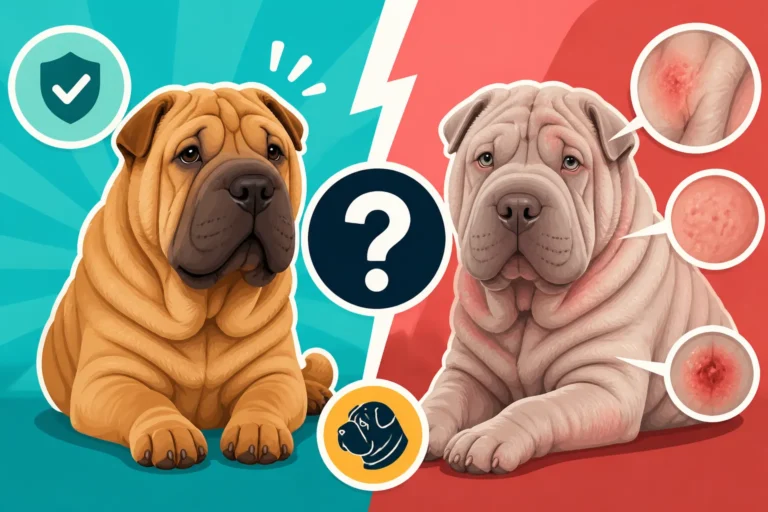
Those adorable wrinkles are perfect breeding grounds for bacteria and yeast if not kept meticulously clean and dry. Skin fold dermatitis, an infection occurring between the folds, is incredibly common. Skin Is the Shar Pei's Largest Problem by Surface Area. Furthermore, Shar Pei are prone to a range of skin allergies, which can lead to intense itching, redness, hair loss, and secondary infections.
Picture this: your Shar Pei starts scratching almost constantly, developing red, irritated patches, especially in their deepest folds. The skin might even develop a distinctive, yeasty odor. As a first-time owner, you might initially dismiss it as a minor itch or a seasonal allergy. However, with Shar Pei, these issues can quickly escalate. You'll find yourself needing special medicated shampoos, wipes, and potentially costly allergy workups, dietary changes, or long-term medications. Even buying regular supplies can become a specialized task, with reputable online retailers like Chewy often stocking the specific brands and formulations recommended by veterinarians for sensitive or allergic skin.
Entropion and Narrow Ear Canals
The Shar Pei's deep-set eyes, often partially obscured by wrinkles, make them highly susceptible to entropion, a condition where the eyelid rolls inward, causing eyelashes to rub against the cornea. Entropion in a Shar Pei Puppy Is an Emergency, Not a Cosmetic Issue. This is not just uncomfortable; it can lead to painful corneal ulcers, scarring, and even blindness if left untreated. Many Shar Pei puppies require temporary "tacking" sutures to hold the eyelids open, and some will need permanent corrective surgery as adults.
Compounding this, Shar Pei have unusually narrow ear canals. A Shar Pei Has the Narrowest Ear Canals of Any Breed. This anatomical quirk, combined with often moist, warm environments due to their head folds, makes them highly prone to chronic ear infections. These aren't just a quick round of drops; they can be persistent, painful, and require regular, often expensive, veterinary treatment, including specialized cleanings, cultures, and long courses of prescription medication. For a first-time owner, these ongoing medical needs can be overwhelming, both emotionally and financially.
Training and Socialization: A Lifelong Project
While all dogs benefit from consistent training and socialization, for a Shar Pei, it's absolutely non-negotiable. Their inherent protective instincts, coupled with a fiercely independent streak, mean they are not a breed you can simply "wing it" with. A first-time owner needs to be prepared for a dedicated, consistent, and often patient approach to their education.
The Critical Socialization Window
The period between 3 and 16 weeks of age is paramount for a Shar Pei puppy's socialization. During this time, they need to be safely and positively exposed to a wide variety of sights, sounds, people, and other well-behaved dogs. Socialize a Shar Pei Before Twelve Weeks or Pay for It Later. Failing to do so can lead to an adult Shar Pei who is fearful, reactive, or even aggressive towards anything new or unfamiliar.
Imagine bringing home your adorable Shar Pei puppy at 8 weeks. You might be tempted to keep them close, protecting them from the world. However, every day missed in that crucial socialization window can mean an uphill battle later. A lack of early, positive experiences could result in an adult dog who lunges and barks at every passing dog on walks, or who cowers and snaps at new guests. For a first-time owner, navigating these behavioral challenges without prior experience can be incredibly difficult, often requiring the expensive intervention of professional trainers or behaviorists.
Independence and Training Challenges
Shar Pei are intelligent dogs, but they are also notoriously independent and can have a stubborn streak. They were bred to work independently, making their own decisions while guarding, not to blindly follow commands. The Headstrong Streak Nobody Trains Out of a Shar Pei. This means that while they can be trained, it often requires more patience, creativity, and consistency than training a breed that lives to please its owner.
Picture trying to teach your Shar Pei to "come" when called in a distracting environment. A Golden Retriever might bound back enthusiastically; your Shar Pei, on the other hand, might give you a look that clearly says, "What's in it for me?" or simply ignore you because something more interesting has captured their attention. Traditional force-based training methods are almost always counterproductive with a Shar Pei, potentially leading to resentment and a breakdown of trust. Positive reinforcement, using high-value treats and praise, is essential. Even then, you'll need to be prepared for moments where their independent nature shines through, and they'll decide that your command isn't worth their effort at that particular moment. Consistent training classes, and perhaps even some online resources for positive reinforcement techniques, available from places like Chewy that offer training guides and products, will be your best friends.
The Financial Commitment of Shar Pei Ownership
Owning any dog involves financial responsibility, but with a Shar Pei, these costs can be significantly higher and more unpredictable due to their breed-specific health challenges. Four Bills Every Shar Pei Owner Should Expect. A first-time owner might underestimate the true expense, which goes far beyond just food and initial vaccination shots.
Veterinary Care and Medications
As discussed, Shar Pei are prone to several chronic health conditions. This translates into regular, often specialized, veterinary visits, ongoing medications, and diagnostic tests.
| Cost Category | Example Shar Pei Needs | Frequency | Potential Cost Impact for First-Time Owners |
|---|---|---|---|
| Routine Vet Visits | Yearly check-ups, vaccine boosters | Annually | Standard, but a healthy baseline is important. |
| FSF Management | Emergency visits for fever, blood work, urine tests, Colchicine prescriptions | As needed (can be frequent) | High, especially for emergency after-hours care. |
| Kidney Monitoring | Urine Protein:Creatinine (UPC) ratio, kidney panels | Every 6-12 months from age 2 | Essential for early detection of amyloidosis, ongoing cost. |
| Eye Care | Eye tacking, entropion surgery, specialist consultations | Often in puppyhood, potentially adult surgery | Significant, specialist fees can be high. |
| Ear Care | Ear exams, cultures, prescription ear drops, medicated flushes | Frequent, often ongoing | Chronic, can lead to costly surgical intervention if canals close. |
| Skin Care | Medicated shampoos, wipes, allergy tests, prescription medications | Ongoing, seasonal or year-round | Substantial, especially for prescription foods or immunotherapy. |
| Specialist Referrals | Ophthalmologist, dermatologist, internal medicine specialist | As needed | Very high, especially if multiple visits or procedures are required. |
For a first-time owner, facing these bills can be a major source of stress. A routine check-up might suddenly uncover the need for an expensive specialist consultation or a lifelong prescription. Pet insurance can be a lifesaver, but it's crucial to understand what it covers, especially regarding pre-existing conditions if you get an older dog, or breed-specific ailments if you get a puppy. It's often recommended to get insurance before any issues arise to maximize coverage.
Specialized Supplies and Diet
Due to their unique needs, Shar Pei often require more than just generic dog supplies. This includes special grooming tools, specific cleaning solutions for their folds, and often specialized diets.
Think about the sheer volume of products a Shar Pei might need that other breeds rarely do. You'll likely be buying medicated shampoos, antimicrobial wipes for folds, specialized ear cleaners, and potentially prescription dog food if they develop allergies. Finding these specialized items sometimes means going to particular pet stores or ordering online from retailers like Chewy, who carry a wider selection of veterinary diets and grooming aids. These items often come with a higher price tag than conventional products. Even their diet might be more expensive; if they have food sensitivities or kidney disease, they might require a prescription or limited ingredient diet, which can add a significant amount to your monthly grocery bill.
Daily Care and Lifestyle Considerations
Beyond the financial and medical aspects, the day-to-day care of a Shar Pei also demands a particular lifestyle and commitment that a first-time owner might not anticipate.
Grooming and Hygiene
A Shar Pei's iconic wrinkles require diligent attention. It's not just about looking good; it's about preventing painful and costly infections. Every Fold on a Shar Pei Is a Place Something Grows.
Regular cleaning of skin folds is an absolute must. This involves gently wiping out debris and moisture with appropriate wipes or cotton balls and ensuring the skin is completely dry afterward. Skipping this step, even for a few days, can lead to redness, irritation, and a nasty infection. Their ears also need frequent, gentle cleaning with a vet-approved solution, being careful not to push anything down their narrow canals. As a first-time owner, establishing this routine early and consistently is key. It's a hands-on commitment, not a passive one, and some Shar Pei can be less than enthusiastic about having their sensitive areas handled. Building positive associations from puppyhood with treats and praise is vital.
Exercise and Heat Sensitivity
While Shar Pei aren't typically high-energy dogs, they do need regular exercise to stay healthy and happy. However, their unique physiology means you need to be very mindful of temperatures. Heat Management Is Daily Work With a Shar Pei.
Their compact muzzle and sometimes heavy coat make them prone to overheating, especially in warm or humid weather. A brisk walk on a hot afternoon, which might be fine for a leaner, longer-nosed breed, could quickly lead to heatstroke in a Shar Pei. For a first-time owner, recognizing the subtle signs of overheating—excessive panting, lethargy, red gums—and knowing how to react is critical. This means walks need to be timed for cooler parts of the day (early morning or late evening), and on hot days, outdoor exercise should be replaced with indoor play or mental stimulation. A cooling mat or a kiddie pool might become essential summer accessories. You won't find your Shar Pei jogging alongside you in the midday sun.
Conclusion: Are You Ready for a Shar Pei?
Bringing a dog into your life is a huge decision, and with a Shar Pei, it's a decision that comes with a unique set of joys and significant responsibilities. For a first-time owner, the steep learning curve, combined with the breed's distinct temperament and extensive health needs, can be overwhelming.
While Shar Pei are incredibly loyal, intelligent, and affectionate companions to their chosen families, they are not a "beginner" breed. They require an owner who is patient, committed to consistent positive reinforcement training and early socialization, financially prepared for significant veterinary expenses, and diligent about daily grooming and health monitoring. If you're looking for a dog that's universally friendly, requires minimal grooming, and comes with a low risk of health issues, a Shar Pei is probably not the right fit for your first canine companion.
However, if you've done your research, are realistic about the challenges, have the time, resources, and dedication to meet their specific needs, and are prepared for a dog with a truly unique personality, then the bond you form with a Shar Pei can be incredibly deep and rewarding. They will test your patience, stretch your budget, and demand your full attention, but for the right person, a Shar Pei is an irreplaceable member of the family.
Disclaimer
This article is for general informational purposes only and does not constitute professional advice. Laws, prices and regulations vary by location and change over time. Consult a qualified professional for guidance on your specific situation.