Whether the Shar Pei Could Be Outcrossed
It’s a heartbreaking reality for many Shar Pei owners: you love your wrinkly companion with all your heart, but you also constantly worry about their health. From fevers that spike without warning to chronic skin issues and the ever-present threat of kidney disease, it often feels like you're fighting an uphill battle against their very genetics. This deep dive will explore a question often whispered among concerned owners and dedicated breeders alike: could outcrossing, introducing new blood from another breed, be a viable path to a healthier future for the Shar Pei, or is it a bridge too far?
Understanding "Outcrossing" in Dog Breeding
When we talk about outcrossing, it sounds very scientific and perhaps a little intimidating. But at its heart, it’s a strategy that has been used, and debated, in dog breeding for a long time. It’s a concept that directly addresses the challenges faced by breeds with limited genetic diversity, and for a breed like the Shar Pei, which has faced significant population bottlenecks, it's a conversation that can feel incredibly urgent.
What Does Outcrossing Actually Mean?
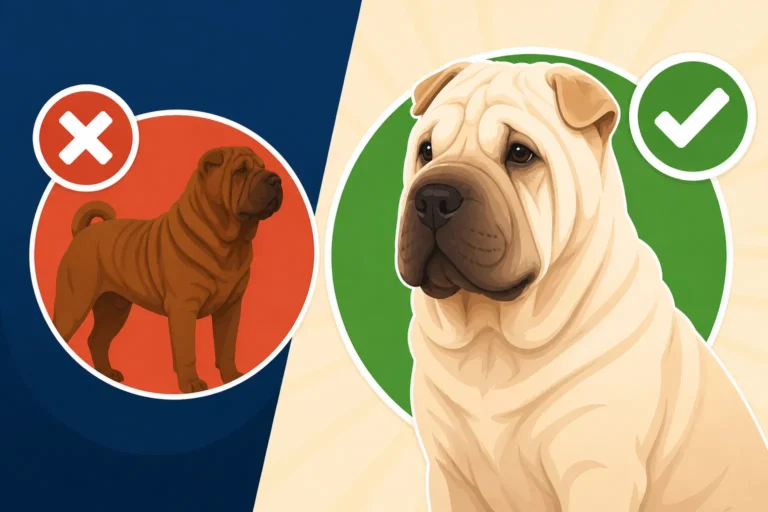
Simply put, outcrossing in dog breeding refers to the practice of mating dogs from two different, unrelated breeds. The goal is to introduce new genetic material into a breed's gene pool, which has become too narrow, often leading to an increased prevalence of hereditary health conditions. Think of it like this: if a family has been intermarrying for generations, certain genetic traits, good or bad, become much more concentrated. If a harmful recessive gene is present, it's much more likely to manifest as a disease. Introducing an unrelated individual brings in a fresh set of genes, which can dilute the concentration of those problematic traits and boost overall genetic vigor.
It's not about creating a new designer crossbreed, which is a common misconception. Instead, a well-planned outcross program involves carefully selecting an unrelated breed, usually one known for its health and temperament, and then systematically breeding the resulting offspring back to purebred Shar Pei for several generations. The aim is to retain the essential characteristics and appearance of the Shar Pei while integrating the genetic diversity needed to reduce the incidence of debilitating diseases. It's a long-term commitment, not a quick fix, and it requires immense dedication and careful record-keeping to track the genetic contributions.
Why Breeders Consider Outcrossing
Breeders typically consider outcrossing when a breed faces significant, widespread health issues that are directly linked to a lack of genetic diversity or the unfortunate concentration of specific detrimental genes. In some cases, the gene pool has become so shallow that continuing to breed within the existing lines simply perpetuates the problems. It’s a recognition that maintaining "purity" at all costs might actually be harming the breed.
For breeds that have faced drastic population reductions, perhaps due to wars, disease, or simply changing fashions, their genetic base can become incredibly small. The Shar Pei is a prime example of this, as we know Sixty Shar Pei Were Left in 1978. When only a handful of dogs survive to rebuild an entire breed, the genetic diversity is bound to suffer. This "bottleneck effect" means that while these few survivors saved the breed from extinction, they also inadvertently concentrated certain genetic predispositions. Over time, these predispositions can become widespread health crises.
Beyond the historical bottlenecks, specific genetic mutations can also drive the discussion around outcrossing. If a particular mutation, like the one contributing to One Mutation Gave the Shar Pei Its Wrinkles and Its Fever, is almost universal within the breed and causes significant health problems, introducing genes from a breed that doesn't carry that mutation could be seen as a way to dilute its impact. It's a desperate measure for some, a necessary evolution for others, but always born from a deep concern for the dogs' welfare.
The Shar Pei's Unique Genetic Predicament
Understanding why outcrossing is even a conversation for the Shar Pei requires a good look at their history and the genetic challenges they face today. It’s a story of survival, popularity, and unfortunately, the unintended consequences of both.
The Narrow Genetic Bottleneck of the Modern Shar Pei
The history of the modern Shar Pei is truly remarkable, a testament to dedicated individuals who pulled the breed back from the brink. However, this heroic effort came at a genetic cost. As the numbers dwindled to such a critically low point in the 1970s, the entire gene pool was funneled through an incredibly small number of dogs. This means that a significant portion of all Shar Pei alive today trace their ancestry back to a handful of individuals. This situation is often referred to as a "genetic bottleneck."
Imagine trying to restart a huge library with only a few dozen books. You'd be missing vast amounts of information, and any errors or peculiarities in those initial books would become dominant features in your new library. Similarly, when the Shar Pei population was rebuilt, the genetic traits present in those few founding dogs became overwhelmingly common throughout the revived breed. This concentration of genes means that both desirable traits (like that unique appearance) and undesirable ones (like certain disease predispositions) became highly prevalent. What Being Saved Did to the Shar Pei's Health is a topic that breeders and owners grapple with constantly, as the very act of saving the breed inadvertently locked in some of its current struggles.
This narrow genetic base has far-reaching implications. It makes the breed more susceptible to various health issues because there's less genetic variety to provide natural resistance or resilience. When a problematic gene becomes widespread, there are fewer "clean" genes available to dilute its effect. This situation makes it increasingly difficult to breed away from certain conditions purely through selective breeding within the existing population. This lack of diversity is a core reason Whether the Shar Pei's Bottleneck Explains Its Health is so crucial to discussions about the breed's future.
The Health Challenges Driving the Discussion
The Shar Pei is, sadly, notorious for a range of health issues, many of which are believed to be linked to their distinctive physical traits and the genetic bottleneck. The poster child of these problems is undoubtedly Shar Pei Fever, formally known as Familial Shar Pei Fever (FSF). This condition, which is a syndrome of recurrent fevers and inflammation, isn't an infection in itself, but a genetic inflammatory disorder. We know that Familial Shar Pei Fever Is Not an Infection, but rather a manifestation of a mutation related to their excessive skin mucin.
The real tragedy of FSF, beyond the acute discomfort of the fever episodes themselves, is its devastating long-term consequence: Amyloidosis. Amyloidosis Is What Actually Kills a Shar Pei. Amyloidosis is a condition where abnormal protein deposits build up in organs, primarily the kidneys, leading to organ failure. This makes kidney health a constant vigil for Shar Pei owners. The connection between the unique wrinkling gene and FSF, and subsequently amyloidosis, means that the very trait that defines the breed is intimately tied to its most serious health crisis. How Copy Number Changes a Shar Pei's Risk further illustrates this genetic conundrum, showing how the number of copies of a certain gene can heighten their susceptibility.
Beyond FSF and amyloidosis, Shar Pei frequently contend with a host of other issues stemming from their morphology:
- Entropion: Their deep-set eyes and heavy wrinkles often mean the eyelids roll inward, causing eyelashes to scratch the cornea. This is not just uncomfortable; it can lead to severe pain, ulcers, and even blindness if not treated promptly.
- Skin Fold Dermatitis: Those adorable folds are breeding grounds for yeast and bacteria, leading to chronic skin infections that require diligent care and often medication.
- Narrow Ear Canals: Shar Pei have exceptionally narrow ear canals, making them prone to chronic ear infections and often requiring specialized veterinary care, sometimes even surgery.
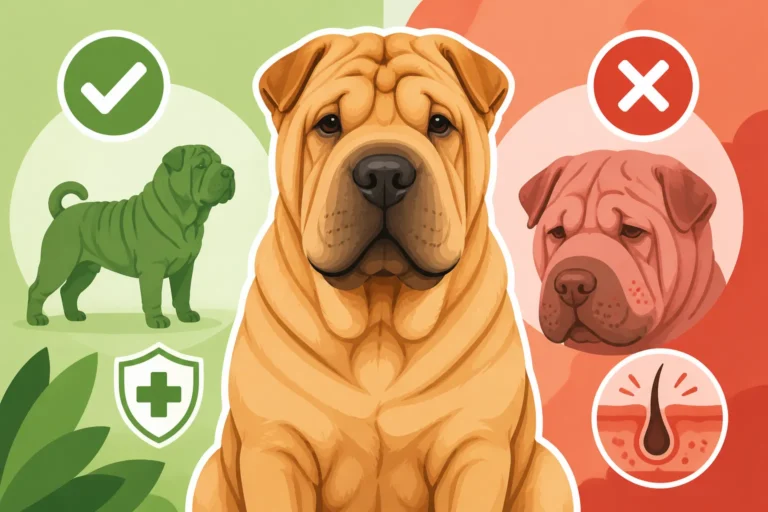
These prevalent and often costly conditions weigh heavily on owners and breeders. When faced with a breed where a significant percentage of individuals are affected by serious, genetically linked diseases, the ethical question of "what can we do to make them healthier?" naturally leads to considering radical options like outcrossing.
The Pros and Cons of Outcrossing for Shar Pei Health
Considering outcrossing for a beloved, ancient breed like the Shar Pei is never a decision taken lightly. It's fraught with complex ethical, practical, and emotional considerations. It requires a hard look at what could be gained versus what might be lost.
Potential Benefits: A Broader Gene Pool
The primary, most compelling argument for outcrossing is the potential to significantly improve the overall health and vitality of the Shar Pei by expanding its genetic diversity. Imagine the difference a wider range of genes could make:
- Reduced Incidence of Hereditary Diseases: By introducing genes from a breed not predisposed to conditions like FSF and amyloidosis, the frequency of these problematic genes within the Shar Pei population could be diluted. This means fewer dogs suffering from painful fevers and fewer facing early kidney failure. Over several generations, if a program is successful, you could see a marked decrease in these breed-defining health problems, ultimately leading to a longer, healthier average lifespan. For many owners, the question of How Long a Shar Pei Lives is overshadowed by the quality of that life, which outcrossing aims to improve.
- Increased Genetic Vigor (Hybrid Vigor): Outcrossing can introduce what's known as "hybrid vigor" or heterosis. This is the phenomenon where the offspring of genetically distinct parents are often healthier, more robust, and more fertile than their inbred parents. This doesn't mean creating a mixed-breed dog, but rather infusing new vitality into a purebred line. A healthier, more robust Shar Pei might have a stronger immune system, better resilience to common illnesses, and simply a better quality of life overall.
- Addressing Structural Issues: While the focus is often on internal diseases, outcrossing could also, theoretically, introduce genes that subtly modify some of the extreme physical traits that contribute to health problems. For example, a slightly wider ear canal or less exaggerated facial wrinkling could reduce the incidence of ear infections and entropion. This is a delicate balance, as the distinctive appearance is part of the Shar Pei's appeal, but a healthier version might be a worthy trade-off. Discussions around Whether a Less Wrinkled Shar Pei Is Healthier are directly relevant here, as genetic modifications could ease the burden of their signature folds.
| Potential Benefit | How it Helps the Shar Pei |
|---|---|
| Increased Genetic Diversity | Reduces the prevalence of specific disease-causing genes (e.g., FSF/amyloidosis), making the breed more resilient to hereditary conditions. |
| Hybrid Vigor / Heterosis | Improves overall health, robustness, immune function, and fertility. Dogs may be generally hardier and less prone to minor ailments. |
| Dilution of Problematic Genes | Decreases the likelihood of dogs inheriting two copies of a harmful recessive gene, leading to fewer affected individuals. |
| Potential for Structural Improvement | Could subtly modify extreme physical traits (e.g., excessive wrinkles, narrow ear canals) that currently cause health issues like entropion or chronic ear infections, without losing type. |
Significant Concerns and Unintended Consequences
Despite the tantalizing prospect of improved health, outcrossing is met with considerable resistance for very valid reasons. The concerns are not merely about tradition but also about potentially introducing new problems and diluting the very essence of the breed.
- Loss of Breed Type and Identity: This is perhaps the most immediate and emotional concern. Breeders have spent generations carefully curating the unique Shar Pei look and temperament. Introducing another breed means those distinctive traits—the head shape, the coat texture, the "hippopotamus" muzzle, the curled tail, and the aloof yet loyal personality—could be altered. It's a risk of losing what makes a Shar Pei, well, a Shar Pei. Even if the goal is to breed back to purebred appearance, the initial crosses will look very different, and it can take many generations to re-establish type while retaining genetic diversity.
- Introduction of New Health Problems: While the intention is to reduce existing health issues, there's always a risk of inadvertently introducing new genetic problems from the outcross breed. Every breed has its own set of predispositions, and even a "healthy" outcross breed might carry recessive genes for conditions not currently seen in Shar Pei. This could create a new set of challenges down the line, complicating breeding efforts even further.
- Challenges with Temperament: Shar Pei have a very specific temperament: independent, sometimes wary of strangers, and often dog-aggressive. These traits, while challenging, are part of their historical working purpose and breed standard. An outcross could introduce temperamental traits that are undesirable or inconsistent with the Shar Pei's nature, such as excessive friendliness, excitability, or a complete loss of their guarding instinct. Retaining the desired temperament alongside physical type is a huge undertaking.
- Acceptance within Breed Clubs and the Public: This is a major hurdle. Purebred dog clubs and registries often have strict rules against outcrossing, making it difficult for breeders pursuing such programs to have their dogs recognized or registered as purebred Shar Pei. This can ostracize breeders and make it harder to gain acceptance for the "new" lines. Public perception is also a factor; many people seek a purebred Shar Pei for its distinct characteristics, and an outcrossed dog, even one meant to improve health, might not be what they're looking for. The idea of a Shar Pei that looks or acts significantly different is a hard pill for many to swallow.
The Reality and Future of Shar Pei Outcrossing
The discussion around outcrossing for the Shar Pei is complex, deeply rooted in history, and fraught with emotional attachment to the breed's identity. It's not a simple yes or no answer, but a nuanced debate about the very definition of responsible breeding.
The Hurdles of Breed Preservation and Purity
For many dedicated breeders, the concept of "purity" is paramount. They have poured their lives into preserving the Shar Pei as it is, striving to meet breed standards and honor its history. The idea of introducing another breed feels like a betrayal of that legacy, a dilution of centuries of careful development. This sentiment is incredibly powerful and shapes the reluctance to embrace outcrossing on a wide scale.
The challenge lies in defining what "preservation" truly means. Does it mean preserving the breed exactly as it currently exists, health issues and all, or does it mean preserving a healthy, viable population of dogs that still embody the spirit and essential characteristics of the Shar Pei? This philosophical divide often sits at the heart of the debate. Breed clubs, like the American Kennel Club (AKC), have very strict rules about registration, and typically, dogs resulting from an outcross would not be recognized as purebred. This lack of recognition makes it incredibly difficult for breeders to legitimize such programs or find suitable homes for their puppies, even if they are healthier.
Furthermore, outcrossing projects are incredibly resource-intensive and require immense commitment. They demand careful genetic testing, meticulous record-keeping, and the willingness to manage generations of dogs that might not fit the traditional mold. Finding an appropriate outcross breed that offers the right genetic benefits without introducing new, equally problematic traits is also a huge undertaking. It requires deep knowledge of canine genetics and the specific health profiles of multiple breeds, not just the Shar Pei. You're trying to correct one set of problems without inadvertently creating another. For example, selecting a breed with a vastly different temperament could make the first generation of crosses incredibly challenging to place in homes.
Alternative Approaches to Improving Shar Pei Health
While outcrossing remains a highly controversial and often unofficial path, many breeders and veterinary professionals are actively pursuing other strategies to improve Shar Pei health within the existing gene pool. These methods are generally more widely accepted within traditional breed communities, even if they sometimes face resistance.
- Responsible Selective Breeding: This is the cornerstone of all ethical dog breeding. It involves carefully choosing breeding pairs based on extensive health testing and an understanding of their pedigrees. For Shar Pei, this means screening for FSF susceptibility, checking kidney function, and evaluating for structural issues like entropion or narrow ear canals. Breeders who focus on health over extreme aesthetics are trying to reduce the prevalence of problem genes through thoughtful mating decisions. This includes moving away from breeding dogs with multiple copies of the specific gene associated with FSF, even if it means sacrificing some of the extreme wrinkling. Discussions about Whether Breeding for Fewer Wrinkles Would Help are vital here.
- Genetic Testing: Advances in genetic science offer powerful tools. While a definitive genetic test for FSF/Amyloidosis has been challenging due to its complex inheritance, breeders are using what information is available to make more informed decisions. For other conditions, genetic markers can help identify carriers or affected individuals, allowing breeders to avoid certain pairings. Encouraging owners to keep a Whether a Shar Pei Owner Should Keep a Fever Log also provides valuable data for breeders tracking FSF in their lines.
- Open Health Registries and Data Sharing: Greater transparency about health issues within breed lines can empower breeders to make better choices. If breeders are honest about the health problems present in their dogs' pedigrees, others can avoid perpetuating those issues. Organizations and databases that collect and share health information can be invaluable resources.
- Veterinary Care and Management: For existing Shar Pei, advanced veterinary care and proactive management of their health challenges are crucial. This includes regular check-ups, monitoring kidney function, and diligent fold and ear cleaning. Products available from retailers like Chewy, such as specialized medicated shampoos, ear cleaners, and prescription diets, play a huge role in managing their daily health needs. Even simple things like maintaining a proper diet, perhaps with supplements like fish oil for skin health, can make a difference.
- Emphasizing "Bone Mouth" or Traditional Shar Pei: There is a growing movement within the breed to promote the "bone mouth" Shar Pei, which is thought to be closer to the original, less exaggerated type. These dogs generally have fewer wrinkles and often fewer associated health problems. Advocates suggest that breeding towards this more moderate physical type could naturally reduce the incidence of conditions like entropion and skin fold dermatitis, and potentially even FSF, as the underlying genetic mutation for mucin production would be less pronounced.
In conclusion, the question of whether the Shar Pei could be outcrossed is answered with a resounding "yes, it is genetically possible and has been done on a small scale in some rare instances for specific health goals." However, the question of whether it should be outcrossed, and whether such programs could gain widespread acceptance and success, remains a much larger, more contentious issue. It touches upon the very heart of breed identity, the ethics of genetic intervention, and the long-term vision for the health and future of this truly unique dog. Ultimately, it requires profound introspection and courageous decisions from the global Shar Pei community.
Disclaimer
This article is for general informational purposes only and does not constitute professional advice. Laws, prices and regulations vary by location and change over time. Consult a qualified professional for guidance on your specific situation.