Whether Matgo Law Owned the Last Shar Pei
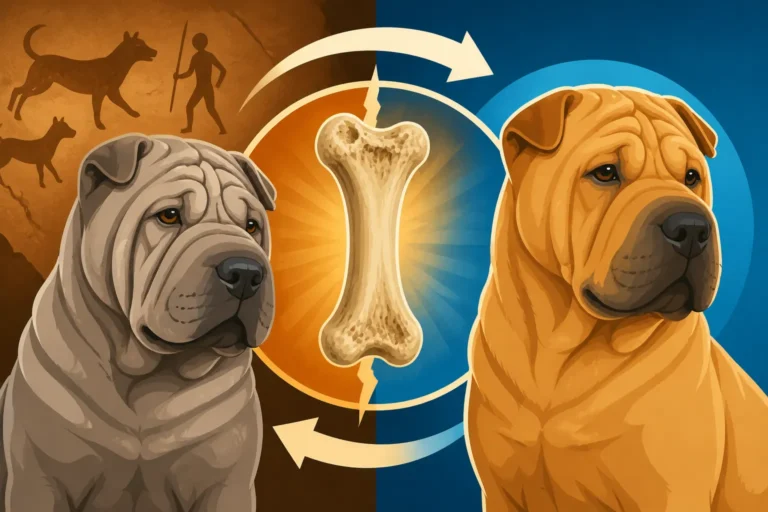
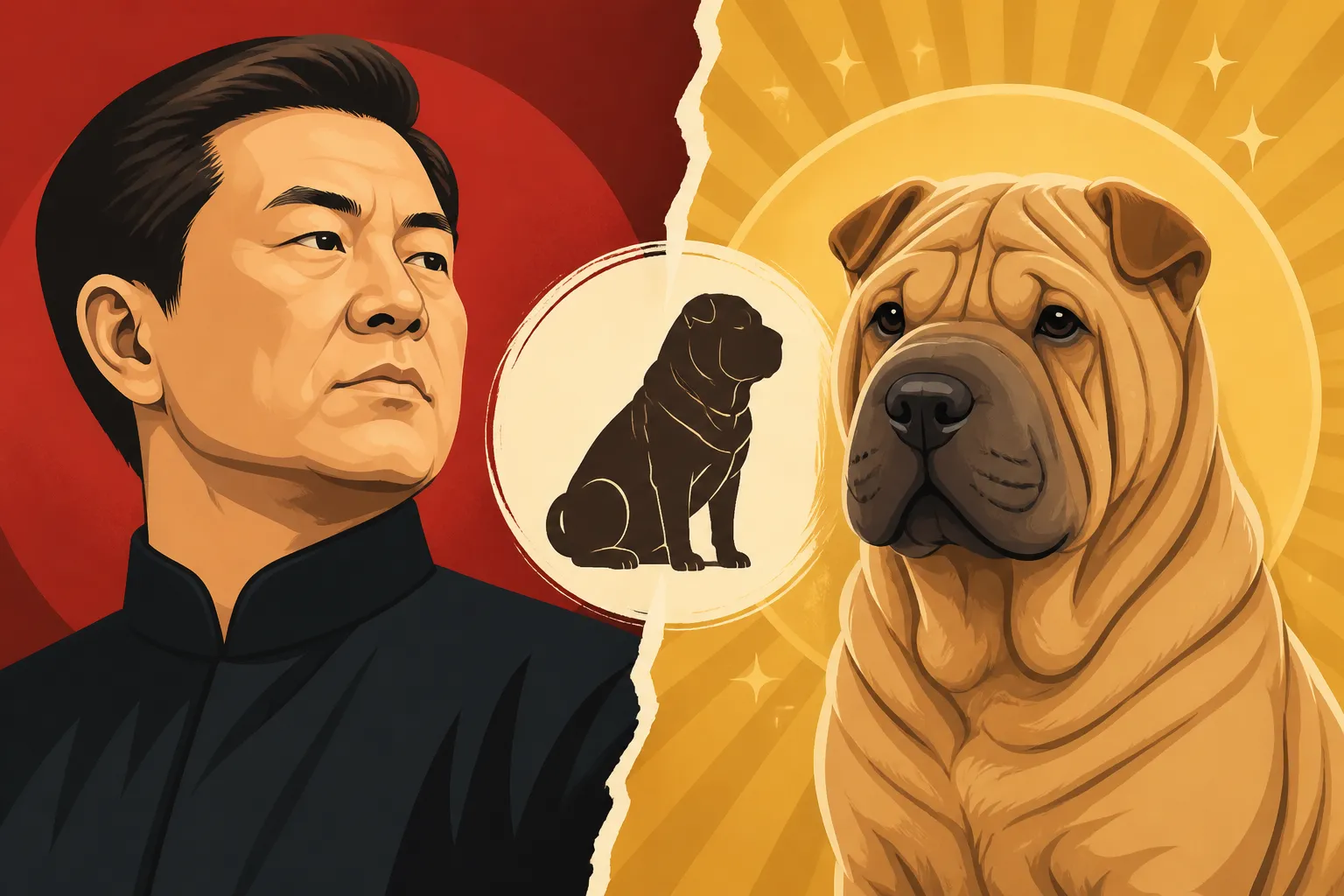
It’s a common misconception, one that circulates through breed forums and casual conversations, that Matgo Law owned the single last Shar Pei on Earth before he made his desperate plea. The truth is a little more nuanced, and while his actions were absolutely pivotal in saving this incredible breed from the brink, the reality of the Shar Pei's near extinction and subsequent revival is a complex story of perseverance, passion, and a surprisingly small number of dedicated individuals working against immense odds. This guide will delve into the historical context, Matgo Law’s critical role, and what "saving" the Shar Pei truly entailed for its genetic future.
The Shar Pei's Grim Reality: On the Brink, Not Just a Single Dog
Imagine a breed you adore, one whose unique appearance and steadfast loyalty are deeply ingrained in history, suddenly facing eradication. That was the harrowing reality for the Shar Pei in the mid-20th century. When Matgo Law stepped onto the scene, the breed wasn't down to a single individual, but it was perilously close to disappearing forever, scattered and largely forgotten.
The Near Eradication of Dogs in Mid-20th Century China
The decline of the Shar Pei was not an isolated incident; it was a symptom of broader societal changes in China. During the mid-20th century, particularly after the establishment of the People's Republic of China, dog ownership became frowned upon and even explicitly discouraged. Dogs were seen as symbols of bourgeois extravagance, competitors for scarce food resources, and potential carriers of disease. Government policies, including heavy taxation on dog ownership and direct culling efforts, led to a catastrophic reduction in the dog population across mainland China. It wasn't just Shar Pei that suffered; many native Chinese breeds faced similar fates. Villages that once teemed with working dogs and companions were left silent. The few Shar Pei that remained were often hidden away in remote areas or kept by individuals who risked significant social and economic penalties. The sheer scale of the culling meant that what was once a common working dog, guarding homes and livestock in rural areas, had virtually vanished from its homeland. The historical record suggests that the numbers were so low that finding any purebred Shar Pei was akin to searching for a needle in a haystack. This period truly highlights Why the Shar Pei Nearly Died Out in China.
The Perilous Numbers of the 1970s
By the 1970s, the situation was dire. While not reduced to one dog, the global Shar Pei population was certainly in the double digits, and some estimates put it even lower. The breed was almost exclusively found in Hong Kong, a British territory at the time, where the political climate allowed for some degree of continued dog ownership and breeding, albeit on a very small scale. Even there, they were a rare sight. The quality and purity of these remaining dogs were also questionable, as generations of indiscriminate breeding in desperate circumstances meant that distinct breed characteristics might have been diluted or lost. It was in this incredibly bleak context that people began to sound the alarm. The breed wasn't simply endangered; it was teetering on the precipice of non-existence. This extreme scarcity is why the claim of a single "last" Shar Pei took root in the popular imagination – the reality was only slightly less dramatic. When people asked How Many Shar Pei Were Left in the 1970s, the answer was terrifyingly few.
Matgo Law's Crucial Intervention: A Clarion Call, Not a Sole Rescue
Matgo Law's contribution to the Shar Pei's survival is legendary, and rightly so. He wasn't guarding the absolute last dog, but his foresight and courage in recognizing the breed's plight and actively seeking international help were nothing short of heroic. His actions were the spark that ignited the global rescue effort.
The Legendary Letter to Dogs Magazine
It was in 1978 that Matgo Law, a Hong Kong-based breeder, penned his now-famous letter to Dogs magazine, a prominent American publication. This wasn't a casual inquiry; it was a desperate plea to the Western world, highlighting the imminent extinction of what he believed to be one of the rarest breeds on Earth. His letter vividly described the Shar Pei's unique characteristics—the loose skin, the blue-black tongue, the scowling expression—and implored readers to help save these ancient dogs. He was acutely aware that without intervention, the breed would be lost forever. The magazine understood the gravity of the situation and published his letter, transforming it from a private concern into an international emergency. This letter was not just a historical document; it was a lifeline, flung across oceans to a community of dog lovers who might be able to help. To learn more about this pivotal moment, you can read about The Year Matgo Law Wrote His Letter and Which Magazine Published the Shar Pei Appeal.
From Plea to Global Rescue Mission
The response to Matgo Law's letter was overwhelming. Dog enthusiasts and breeders from the United States, in particular, were captivated by the story of this mysterious, ancient breed on the brink. They saw an opportunity, not just to own a unique dog, but to participate in a genuine conservation effort. Individuals and small groups began making arrangements to import Shar Pei from Hong Kong. This wasn't a simple process; it involved navigating international shipping regulations, veterinary checks, and the inherent challenges of transporting live animals over vast distances. The initial dogs that arrived in the West were incredibly precious, and their arrival marked the true beginning of the breed's revival. It was a testament to the power of a single letter and the collective will of a passionate community. While Matgo Law was a catalyst, the actual task of gathering and importing the few remaining Shar Pei was a monumental undertaking involving many dedicated people. Many people wonder How Many Shar Pei Reached America First during this period.
The Shar Pei's Narrow Genetic Bottleneck and Its Legacy
The fact that the Shar Pei was saved by so few individuals has had profound and lasting consequences for the breed's health and genetic diversity. This "bottleneck effect" means that while the breed survived, it carries a genetic legacy that owners must be aware of.
Building a Breed from a Handful of Dogs
Imagine trying to rebuild an entire library with only a few dozen books. That's essentially what happened with the Shar Pei. The few dogs that made it to the West formed the foundation stock for the entire modern breed outside of China. This extremely limited gene pool meant that any genetic predispositions present in those original dogs were amplified and passed down through generations. There simply wasn't enough diversity to "breed out" certain traits or conditions effectively. Every breeding decision became critically important, as it would shape the health and future of the entire breed. This is why discussions around How Narrow the Shar Pei's Founding Gene Pool Was are so vital for understanding current Shar Pei health challenges. Dedicated early breeders had to make tough choices, balancing the need to increase numbers with the desire to preserve the unique characteristics of the breed.
The Health Ramifications of Limited Diversity
The most significant consequence of this genetic bottleneck is the prevalence of certain health issues within the Shar Pei breed today. Conditions like Familial Shar Pei Fever (FSF), amyloidosis, various skin conditions, and eye problems are disproportionately common in Shar Pei compared to many other breeds. FSF, for example, is directly linked to a genetic mutation that also contributes to their distinctive wrinkles. When a breed's population shrinks to such a critical level, even if it recovers in numbers, the genetic diversity often remains low. This makes the breed more susceptible to inherited diseases and less resilient to new health challenges. For Shar Pei owners, understanding this history isn't just an interesting fact; it's crucial for proactively managing their dog's health. It underscores why regular vet check-ups, genetic screening where available, and careful breeding practices remain so important. The health of a Shar Pei today is a direct result of What Being Saved Did to the Shar Pei's Health.
Let's look at the contrast between common perception and the historical reality:
| Aspect | Common Perception (Myth) | Historical Reality |
|---|---|---|
| Number of Dogs | Matgo Law owned "the last" Shar Pei. | The breed was reduced to dozens, primarily in Hong Kong. |
| Matgo Law's Role | He single-handedly saved the breed. | He was the crucial catalyst who alerted the world. |
| Rescue Effort | One person's isolated effort. | A collective international effort followed his plea. |
| Genetic Diversity | Not a major concern, as long as numbers rose. | Extremely limited, leading to inherited health challenges. |
| Breed's Status | Saved from extinction by one act. | Saved, but with a complex genetic legacy and ongoing challenges. |
The Path to Revival: From a Handful to a Household Name
The journey from near extinction to becoming a recognized breed was arduous, involving immense dedication and, inevitably, some missteps along the way.
Early Breeding Programs and Dedicated Individuals
Once the initial Shar Pei arrived in the West, the real work began. These precious few dogs became the foundation for structured breeding programs. Early adopters and breeders took on the immense responsibility of increasing the population while striving to maintain breed type and, ideally, improve health. This period was characterized by careful mating decisions, meticulous record-keeping, and a deep commitment to the survival of the breed. These individuals weren't just pet owners; they were genetic stewards. They invested significant time, money, and emotional energy into understanding the unique needs of the Shar Pei, from its health predispositions to its temperament. They collaborated, shared knowledge, and often faced skepticism from the wider dog community about this "new" and unusual breed. Many of these foundational breeders made their own sacrifices, traveling extensively and pouring over pedigrees, all to ensure that the Shar Pei would not vanish from the world. Owners today, for instance, might rely on pet supply giants like Chewy for their specialized breed-specific nutrition, a luxury unheard of during those pioneering days.
The Shar Pei Boom and Its Aftermath
The uniqueness of the Shar Pei, with its deep wrinkles and distinctive "hippopotamus" muzzle, captured the public imagination in the 1980s. Its exotic appeal led to a rapid surge in popularity, often referred to as the "Shar Pei boom." This sudden fame was a double-edged sword. On one hand, it significantly increased the breed's numbers and ensured its survival. On the other, it attracted unscrupulous breeders, often referred to as "puppy mills," who prioritized profit over health and temperament. These breeders often disregarded genetic health testing, breeding dogs with known issues or exaggerating physical traits like wrinkles to appeal to market demand. This period unfortunately led to a proliferation of Shar Pei with exacerbated health problems, making the breed's genetic situation even more complicated. The boom also meant that many Shar Pei ended up in homes unprepared for their unique care requirements and independent personalities, leading to an increase in rescue situations. It’s a sad truth that Whether the Shar Pei Boom Damaged the Breed is a topic still discussed today, with many believing the rapid expansion diluted the diligent work of early, responsible breeders. This is why finding a reputable breeder today is paramount; you want a dog whose lineage reflects careful consideration, not just market trends. Even with the best breeding, a Shar Pei will often require specific health products, from specialized shampoos to ear cleaners, readily available through retailers like Chewy.
The Breed Today: A Testament to Resilience and Ongoing Challenges
Today, the Shar Pei is a recognized breed worldwide, cherished for its loyal nature and striking appearance. However, the legacy of its near extinction and subsequent bottleneck remains. Owners are well-advised to be proactive about their Shar Pei's health, understanding the predispositions that come with its genetic history. This includes regular veterinary care, genetic screening, and often, a commitment to specialized diets or cleaning routines for their unique skin and ears. While no longer "the rarest dog on Earth" (a title it once held according to Guinness World Records), the Shar Pei continues to be a breed that requires a dedicated owner. The journey from Matgo Law's desperate letter to the breed's current status is a powerful reminder of how fragile a breed's existence can be and how human intervention, for better or worse, can shape its destiny. For everyday care items, from specialized food to joint supplements for an aging Shar Pei, online pet supply stores like Chewy offer a convenient way to meet their specific needs. Understanding their history helps us appreciate the resilience of these incredible dogs and better prepare ourselves for the responsibilities of owning one.
Disclaimer
This article is for general informational purposes only and does not constitute professional advice. Laws, prices and regulations vary by location and change over time. Consult a qualified professional for guidance on your specific situation.