Whether the Shar Pei Appeal Was a Commercial Move
It’s a sad reality that sometimes, the very features that make a dog breed unique can also lead to its exploitation. The Shar Pei, with its distinctive wrinkles and stoic demeanor, captured hearts globally, but many have wondered if its dramatic rise from near extinction was truly about saving a breed, or if commercial interests quickly took over. This guide aims to unravel the history of the Shar Pei's appeal, examining the initial rescue efforts and how the breed's sudden popularity in the West opened doors for both dedicated enthusiasts and less scrupulous opportunists.
The Brink of Extinction and the Call for Help
Imagine a breed teetering on the edge, with only a handful of individuals left in the entire world. That was the grim reality for the Shar Pei in the 1970s, a situation that truly paints a picture of desperation, not commercial opportunity. The breed, historically a working dog in rural China, had suffered immensely due to political and economic shifts, particularly the heavy dog taxes and outright eradication efforts in mainland China following the Communist Revolution.
The Dire Situation in the 1970s
During the mid-20th century, dog ownership in China became a luxury and, in many areas, an impossibility. Large-scale culling was common, and indigenous breeds like the Shar Pei faced an existential threat. These dogs, once common guard dogs and farm helpers, were seen as relics of a bygone era or, worse, as symbols of bourgeoisie excess. Their numbers dwindled dramatically, pushing them to the very brink of disappearing forever. It was a truly heartbreaking situation for anyone who cherished these unique animals, and the thought of such a distinct lineage vanishing was a powerful motivator for those who knew their value.
At this point, survival was the only goal. There was no widespread market or commercial interest for Shar Pei outside of their homeland, largely because so few even knew they existed, let alone that they were facing extinction. The breed was practically unknown to the Western world, and its distinctive appearance had not yet become a novelty item. The focus was purely on preservation, a race against time before their genetic line was irretrievably lost. This initial phase was driven by a deep sense of responsibility and a love for the breed's heritage, not profit margins. You can read more about How Many Shar Pei Were Left in the 1970s.
Matgo Law's Historic Plea
It was against this desperate backdrop that Matgo Law, a Hong Kong businessman and devoted Shar Pei owner, made his now-famous appeal to the international community. In 1978, he penned an article for Dogs magazine, titled "The Last Shar Pei," begging for help to save the remaining few dogs. His intention was not to create a lucrative market but to secure a future for a breed he deeply cared for, highlighting its unique qualities and its perilous situation. It was a genuine cry for assistance, broadcast to a world largely unaware of the Shar Pei's plight.
Who Matgo Law Was and The Year Matgo Law Wrote His Letter are crucial details in this story. His message resonated deeply with dog enthusiasts, particularly in the United States, who were captivated by the exotic appearance and tragic story of this "rarest dog on earth." The article generated an outpouring of interest, leading to the importation of the first Shar Pei to the West. This initial movement was unequivocally a rescue mission, spurred by compassion and a desire to conserve genetic diversity, rather than a calculated commercial enterprise. People were genuinely moved by the narrative of a unique breed facing oblivion.
The Immediate Aftermath and Rising Popularity
Once Matgo Law's plea reached the global stage, the response was swift and overwhelming. The Shar Pei went from being virtually unknown to suddenly being highly sought after, leading to a rapid change in its trajectory. This period marked the beginning of both its salvation and, arguably, the start of its commercial challenges.
The Influx of Shar Pei to the West
Following Matgo Law's urgent appeal, several individuals and small groups responded, importing the few available Shar Pei from Hong Kong. How Many Replies the Shar Pei Letter Drew speaks to the incredible interest. These initial imports formed the genetic foundation for almost all Western Shar Pei today. The dogs that arrived were often not pristine examples of the breed, as breeders were simply trying to save any viable individuals they could find. These were rescue animals first and foremost, survivors who carried the hopes for an entire breed's future. The people involved at this stage were pioneers, driven by a passion for rare breeds and a commitment to their preservation.
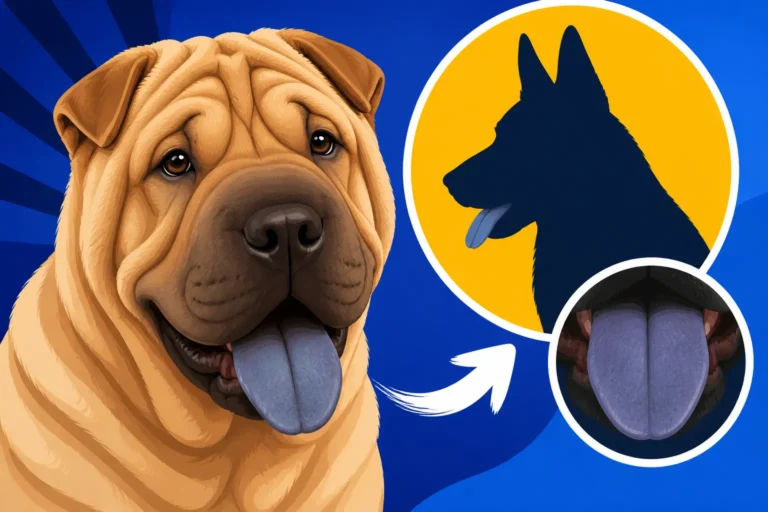
The sheer novelty of the Shar Pei, with its deep wrinkles, blue-black tongue, and unique temperament, made it an instant sensation. It was unlike any other dog breed commonly seen in the West. This initial fascination, born out of altruism, quickly caught the eye of a broader public. As more people learned about these "wrinkled wonders," demand began to outstrip the very limited supply, setting the stage for the commercialization that would follow. The desire to own something so distinctive and rare naturally grew, creating an environment where prices for these dogs could easily escalate.
The Role of Novelty and Demand
The Shar Pei's unusual appearance was undeniably a major factor in its explosive popularity. In a world where many breeds were familiar, the Shar Pei was a fascinating enigma. Its deep wrinkles, small ears, and "hippopotamus" muzzle were a visual magnet. This novelty, combined with the compelling story of its rescue, created a perfect storm for public interest. Everyone, it seemed, wanted a Shar Pei. This surge in demand, while initially beneficial for ensuring the breed's survival, quickly shifted the focus from preservation to acquisition.
As demand soared, prices for Shar Pei puppies rose dramatically. It wasn't long before individuals saw the financial potential in breeding these "rare" dogs. This transition, from a rescue effort to a commercial boom, happened rapidly. People were willing to pay significant sums for a Shar Pei puppy, believing they were acquiring a piece of living history and an undeniably unique companion. This created a fertile ground for both reputable breeders who saw an opportunity to fund health testing and improve the breed, and those who simply wanted to cash in on the craze. The initial compassionate intent started to blur as the financial incentives became more apparent.
The Commercial Realities of a "Rare" Breed
The sudden fame and escalating prices for Shar Pei inevitably led to commercial exploitation. While dedicated breeders continued their efforts to establish healthy lines, others viewed the breed solely as a means to make money, often at the expense of the dogs' well-being.
Breeding for Appearance Versus Health
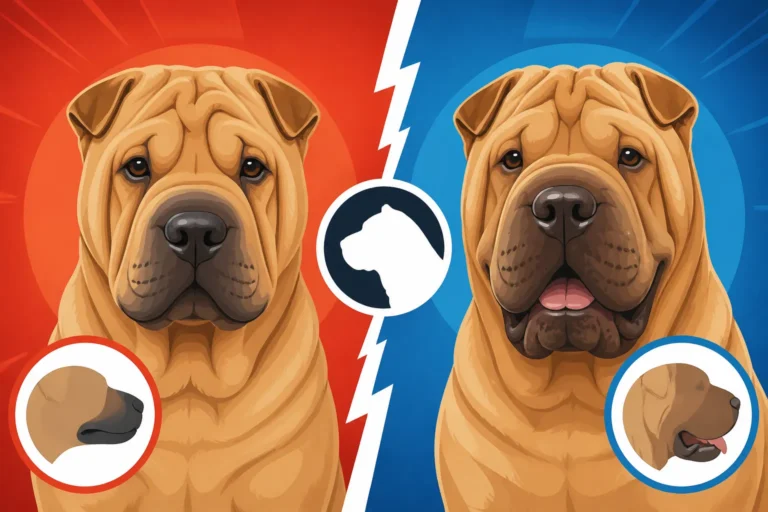
Once the Shar Pei gained traction, particularly in show rings and popular culture, breeders faced immense pressure. The characteristics that made the breed distinctive – primarily its deep wrinkles and padded muzzle – became highly exaggerated through selective breeding. Many new breeders, driven by market demand and the desire for "more wrinkles," prioritized these aesthetic traits over fundamental health considerations. This was a critical turning point where the original rescue mission began to contend with less ethical commercial motivations.
It was in this era that the breed's unique genetic predispositions, such as One Mutation Gave the Shar Pei Its Wrinkles and Its Fever, became more pronounced. Dogs with excessively wrinkled skin or exaggerated "meat mouths" were often bred without sufficient understanding of the health consequences. This included problems like severe entropion, which affects the eyes, and the increased risk of Familial Shar Pei Fever, a systemic inflammatory disease. The intense focus on physical traits, fueled by a competitive market, meant that many breeders overlooked the long-term health and welfare implications, creating significant challenges for the breed that persist to this day. You might wonder Whether Breeders Knew the Wrinkle Gene Carried the Fever back then; often, the knowledge was limited or ignored in the pursuit of popular features.
The Explosion of Puppy Mills and Unethical Practices
The high price tags attached to Shar Pei puppies made them an incredibly attractive commodity for large-scale, often inhumane, breeding operations known as puppy mills. These facilities prioritize quantity over quality, breeding dogs rapidly with little to no regard for health, temperament, or genetic screening. The focus was purely on meeting the overwhelming demand and maximizing profit. This represented the stark commercial reality where the breed's appeal was undeniably exploited.
Dogs from these operations often lacked proper socialization and received inadequate veterinary care, leading to a host of physical and behavioral issues for unsuspecting owners. The "rare breed" mystique of the Shar Pei, coupled with its distinct appearance, allowed these unethical breeders to command high prices while cutting corners on care. This period saw a significant increase in dogs with genetic health problems, poor temperaments, and a shorter overall lifespan, tarnishing the breed's reputation and causing immense heartache for many new owners. It's a stark reminder that while the initial appeal was for preservation, the subsequent commercial boom brought with it a darker side of animal husbandry.
Long-Term Consequences and the Modern Shar Pei
The boom-and-bust cycle of the Shar Pei's popularity left a lasting impact, shaping the breed's health, public perception, and the efforts of dedicated individuals working to undo the damage.
The Price of Popularity
The initial surge in Shar Pei popularity, though born from a noble rescue effort, ultimately had a high price. Whether the Shar Pei Boom Damaged the Breed is a question with a clear answer: yes, it did. Rapid, indiscriminate breeding by commercial operations led to an explosion of health problems. Familial Shar Pei Fever, once perhaps less common, became a widespread issue, as did severe skin conditions, eye problems like entropion, and ear infections, all exacerbated by exaggerated features bred for appearance. Many owners, drawn in by the unique look, found themselves facing substantial veterinary bills and heartbreaking health struggles with their beloved companions.
This era also saw the Shar Pei's temperament sometimes suffer. Dogs from puppy mills, often unsocialized and bred from anxious parents, could be fearful or reactive, leading to challenges for owners who weren't prepared for the breed's inherent guarding instincts and potential aloofness. The image of the "rare and exotic" Shar Pei was slowly replaced by a growing awareness of its complex health and behavioral needs. This shift highlighted the difference between the romanticized idea of owning a unique dog and the challenging realities that emerged from unchecked commercial breeding. You can often find specialized supplies and food for Shar Pei health on sites like Chewy, which speaks to the need for careful care for this breed.
Efforts Towards Responsible Breeding and Rescue
Thankfully, not all was lost. In response to the health crisis and the influx of poorly bred dogs, dedicated Shar Pei enthusiasts, ethical breeders, and rescue organizations stepped up. These groups have worked tirelessly to reverse the damage, focusing on health testing, temperament screening, and responsible breeding practices. Their efforts are a testament to the enduring love for the breed, moving beyond superficial appearances to prioritize genuine well-being. Today, many reputable breeders actively strive to reduce the incidence of genetic diseases and to produce Shar Pei that are both healthy and true to their original purpose.
Rescue organizations, often overwhelmed by dogs surrendered due to health issues or behavioral challenges, play a crucial role. They provide a safety net for Shar Pei that have fallen victim to commercial breeding, offering veterinary care, rehabilitation, and finding loving homes. Why Shar Pei Fill Rescues and What Adopting One Involves is a poignant reminder of the ongoing work these groups do. These organizations, often supported by donations and volunteers, are the unsung heroes in the Shar Pei's story, continuously working to mitigate the negative impacts of the breed's commercialized past. When looking for specialized diets or supplements for a rescue Shar Pei, many owners turn to reliable pet supply retailers like Chewy for their varied selection.
The journey of the Shar Pei, from near extinction to global fame, is a complex narrative. While its initial appeal was undeniably a genuine rescue effort, the breed's unique appearance made it ripe for commercial exploitation once its numbers recovered. This led to significant challenges for the breed's health and welfare. Today, the legacy of that commercial boom means that prospective owners must be diligent, seeking out reputable breeders who prioritize health and temperament, or considering adoption from a dedicated Shar Pei rescue. Choosing the right pet products, whether it's a specific shampoo for their unique skin from Chewy or specialized food, is a small but important part of supporting a healthy Shar Pei.
| Phase of Shar Pei Popularity | Primary Motivation | Key Characteristics | Impact on Breed |
|---|---|---|---|
| Pre-1970s (China) | Working/Guard Dog | Utility, rarity | Near extinction |
| 1978 (Matgo Law's Appeal) | Preservation/Rescue | Novelty, urgency | Initial Western interest |
| Early Boom (1980s) | Novelty/Status | Exotic look, high prices | Rapid increase in numbers, some health issues emerge |
| Peak Popularity (1990s) | Commercial Profit | Exaggerated features, mass breeding | Widespread health problems, puppy mills |
| Modern Era | Responsible Breeding/Rescue | Health testing, temperament focus | Efforts to mitigate past damage, ongoing care challenges |
Disclaimer
This article is for general informational purposes only and does not constitute professional advice. Laws, prices and regulations vary by location and change over time. Consult a qualified professional for guidance on your specific situation.