Whether People Buy Shar Pei for the Wrinkles Alone
A Shar Pei’s wrinkles can be the first thing people notice, and it is easy to fall for that folded puppy face. But choosing a dog for appearance alone can leave new owners surprised by the breed’s independent temperament, careful grooming needs, and potential health concerns. This guide explains what the wrinkles mean—and what to consider before bringing a Shar Pei home.
Why Shar Pei wrinkles attract so much attention
The look is memorable, but it changes with age
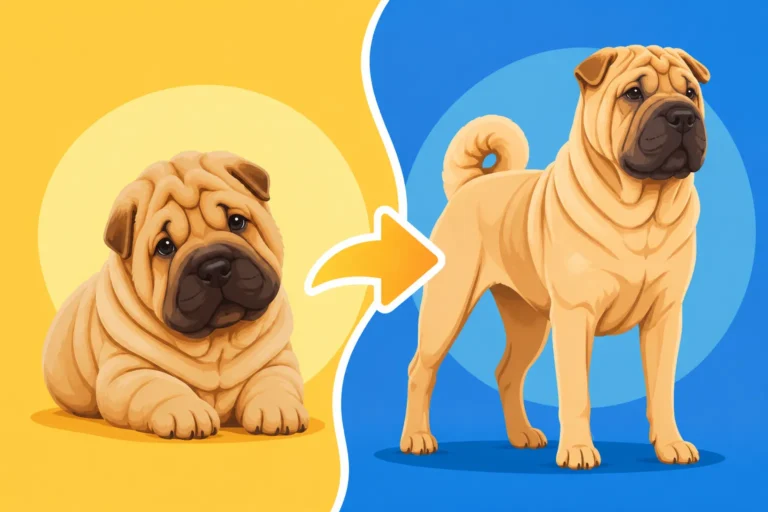
Shar Pei puppies often have loose skin and pronounced folds, especially around the head and neck. As they mature, their bodies grow into some of that skin, so an adult may look less dramatically wrinkled than the puppy someone first fell in love with. The face, neck, and shoulders can retain folds, but the amount and placement vary between individual dogs.
That change can catch people off guard. Someone who expects a puppy’s entire body to stay deeply folded may feel disappointed when the dog develops a more settled adult outline. On the other hand, a family that chose the breed for its personality and habits is less likely to feel that its dog has somehow “lost” the feature that made it appealing.
Wrinkles are not a reliable shortcut for judging what a Shar Pei will look like as an adult, either. Genetics, coat and body type, and individual development all influence appearance. If you are comparing puppies, ask the breeder about the parents and adult relatives, but remember that family resemblance is a clue, not a guarantee. For more on how puppy skin changes, see Whether a Shar Pei Puppy's Skin Predicts the Adult.
The folds are part of a biological story
A Shar Pei’s characteristic skin is connected to more than a cute appearance. The breed’s distinctive wrinkles are associated with changes involving hyaluronic acid, a substance found in connective tissue. The genetic story behind the look also matters to health: research has linked the wrinkle-associated genetic change with the breed’s risk of familial Shar Pei fever. That does not mean every wrinkly dog will become ill, but it is a reason to avoid treating heavy folds as a feature to maximize without considering welfare.
A prospective owner does not need to understand every detail of canine genetics to make a thoughtful choice. It is enough to recognize that a dramatic look may come with questions worth asking. A responsible breeder should be willing to discuss health history and the appearance of adult dogs in their lines, rather than presenting more wrinkles as an unquestioned sign of quality.
For a closer look at the relationship between appearance and health, read Which Gene Duplication Causes a Shar Pei's Wrinkles and How the Wrinkle Gene Also Triggers Fever. The practical takeaway is simple: admire the folds, but do not make the number or depth of wrinkles your main measure of a puppy’s suitability or health.
What buying a Shar Pei for appearance alone can overlook
Temperament is a bigger part of daily life than looks
Shar Pei are often described as reserved or independent. Individual dogs differ, of course, but a new owner should not assume that a dog who looks soft and cuddly will automatically enjoy being approached, hugged, or handled by everyone. Some Shar Pei are devoted to their families yet cautious around unfamiliar people. Patient introductions and respectful handling matter.
Think about an ordinary busy afternoon: a visitor comes through the front door, children are excited, and the dog is resting nearby. A person choosing only for the puppy’s appearance may not have considered how the dog responds to strangers, noise, or being disturbed. A better match comes from learning what the breed may need and deciding whether that fits your household’s routines. A Shar Pei Was Bred to Guard, Not to Greet gives more context for the breed’s reserved tendencies.
Socialization and training help, but they are not a promise that every dog will become outgoing or enjoy every situation. It is sensible to arrange calm, positive experiences early, teach household members how to approach the dog, and provide a quiet place where it can rest undisturbed. If you are choosing a puppy, ask how it has been introduced to everyday sounds, people, and handling.
Health and routine care should factor into the decision
The folds themselves need sensible attention, but they are only one part of Shar Pei care. A dog may need help with skin irritation, allergies, ear problems, or eye conditions; the risk and severity vary from dog to dog. Shar Pei can also be affected by familial Shar Pei fever, a breed-associated inflammatory condition. Not every dog develops these problems, and a particular appearance cannot tell you with certainty what an individual dog’s future health will be.
It can help to think beyond the puppy purchase. Can you arrange routine veterinary care, respond promptly if your dog seems uncomfortable, and manage the time involved in grooming and monitoring? A healthy-looking puppy still needs preventive care, and good daily habits do not eliminate inherited risk. Skin Is the Shar Pei's Largest Problem by Surface Area and A Shar Pei Has the Narrowest Ear Canals of Any Breed explain why skin and ears deserve attention.
Ask breeders specific, open-ended questions rather than relying on a broad promise that the puppies are “healthy.” Find out what health issues have appeared in related dogs, whether parents or close relatives have had recurring fever episodes, and what veterinary care the puppies have received. Be wary of anyone who dismisses reasonable questions or insists that a particular look proves a dog is healthy.
A practical way to assess a Shar Pei beyond the wrinkles
Compare appearance with everyday needs
Before deciding, picture the dog as an adult—not just as a folded puppy. Consider how its temperament might fit your household, what care it may need, and whether you are prepared for veterinary costs that can vary depending on the dog’s health and where you live. A breed should suit the life you can offer, not only the image you want to bring home.
| What catches your eye | What to consider alongside it | A useful question to ask |
|---|---|---|
| Deep puppy wrinkles | Folds and skin need regular observation, and the puppy’s adult appearance may change | What do adult dogs from this line look like? |
| A broad, padded muzzle | Appearance alone cannot tell you about an individual dog’s health | What health issues have appeared in close relatives? |
| A quiet puppy | Reserved behavior may continue as the dog matures | How does the puppy respond to new people and handling? |
| A low-maintenance-looking coat | Skin, ears, eyes, and nails still need routine care | What grooming and veterinary needs have you seen in this line? |
| A striking or unusual look | Popularity and appearance are not substitutes for responsible breeding | Can I meet the puppy’s parents or see information about them? |
When you meet a puppy, watch how it behaves rather than focusing only on photographs or coat color. Does it recover after a mild surprise? Does it seem comfortable with gentle, appropriate handling? Are the puppies being raised in clean surroundings, with their needs met? No single observation guarantees a particular temperament or health outcome, but thoughtful questions and careful observation give you a more useful picture than appearance alone.
If you are considering adoption, ask the rescue or previous caregiver what is known about the dog’s medical history, comfort with handling, and behavior around visitors and other animals. A rescue dog may have an incomplete history, so plan for a veterinary check and allow time for the dog to settle. The right match is not necessarily the dog with the most dramatic wrinkles; it is the dog whose needs you understand and can meet.
Make care part of the decision before bringing the dog home
Build a realistic care plan before you commit. This might include regular veterinary visits, a routine for checking the skin and ears, and a way to track changes in appetite, energy, or comfort. A simple written note on your phone can make it easier to notice patterns and explain them to your veterinarian.
For routine supplies, some owners use retailers such as Chewy to find basics like grooming tools, washable bedding, or food recommended by their veterinary team. The important part is choosing supplies that suit the individual dog rather than buying products because they are marketed for wrinkles. If your Shar Pei has irritated skin, ask a veterinarian what is appropriate; adding scented wipes or applying powders without guidance can make a problem harder to assess.
Chewy may also be one place to compare ordinary care items, but shopping does not replace professional advice when a dog has persistent itching, odor, redness, discharge, or pain. Those signs deserve attention, particularly if they are new or getting worse. For everyday care routines, Every Fold on a Shar Pei Is a Place Something Grows and Drying Is More Important Than Washing on a Shar Pei offer useful background. Owners who are organizing a care kit may find What a Shar Pei Owner Should Have at Home helpful as well.
Choosing for the whole dog, not just the photograph
Questions that reveal whether the match is right
Before buying or adopting, ask yourself what you want from a dog beyond its appearance. Do you want an outgoing companion who welcomes strangers, or are you comfortable with a dog that may be more selective? Will you supervise interactions with children and visitors? Can you handle routine grooming and keep up with veterinary care if a problem arises? These questions are not reasons to avoid the breed; they are ways to avoid an impulsive mismatch.
Ask the breeder or rescue about the dog’s individual behavior, health history, and daily needs. If you are speaking with a breeder, ask to see where the puppies are raised and how the adult dogs behave. A responsible person should welcome respectful questions, explain what they know, and be honest about what cannot be predicted. Avoid pressure to decide immediately based on a puppy’s looks or claims that a rare appearance guarantees a better dog.
It is also reasonable to pause. If you are mainly drawn to the folds but have not yet considered the dog’s temperament, care, and health, take time to learn more before committing. Meeting adult Shar Pei can be especially helpful because it gives you a more realistic sense of the breed beyond the puppy stage.
A thoughtful choice lasts longer than a first impression
There is nothing wrong with finding a Shar Pei’s wrinkles charming. Appearance is often what introduces someone to a breed. The trouble comes when that first impression becomes the whole reason for choosing a dog. Folds can change as a puppy grows, while the responsibilities of companionship—training, exercise, preventive care, patience, and daily attention—remain.
A careful choice respects both sides of the picture. Appreciate the distinctive look, but ask what lies behind it and how the dog might fit into your life. Learn about the breed’s health concerns, meet or ask about adult relatives, and make sure the individual dog’s needs are ones you are prepared to meet. That is a more reliable foundation for a good relationship than choosing a Shar Pei for the wrinkles alone.
Disclaimer
This article is for general informational purposes only and does not constitute professional advice. Laws, prices and regulations vary by location and change over time. Consult a qualified professional for guidance on your specific situation.