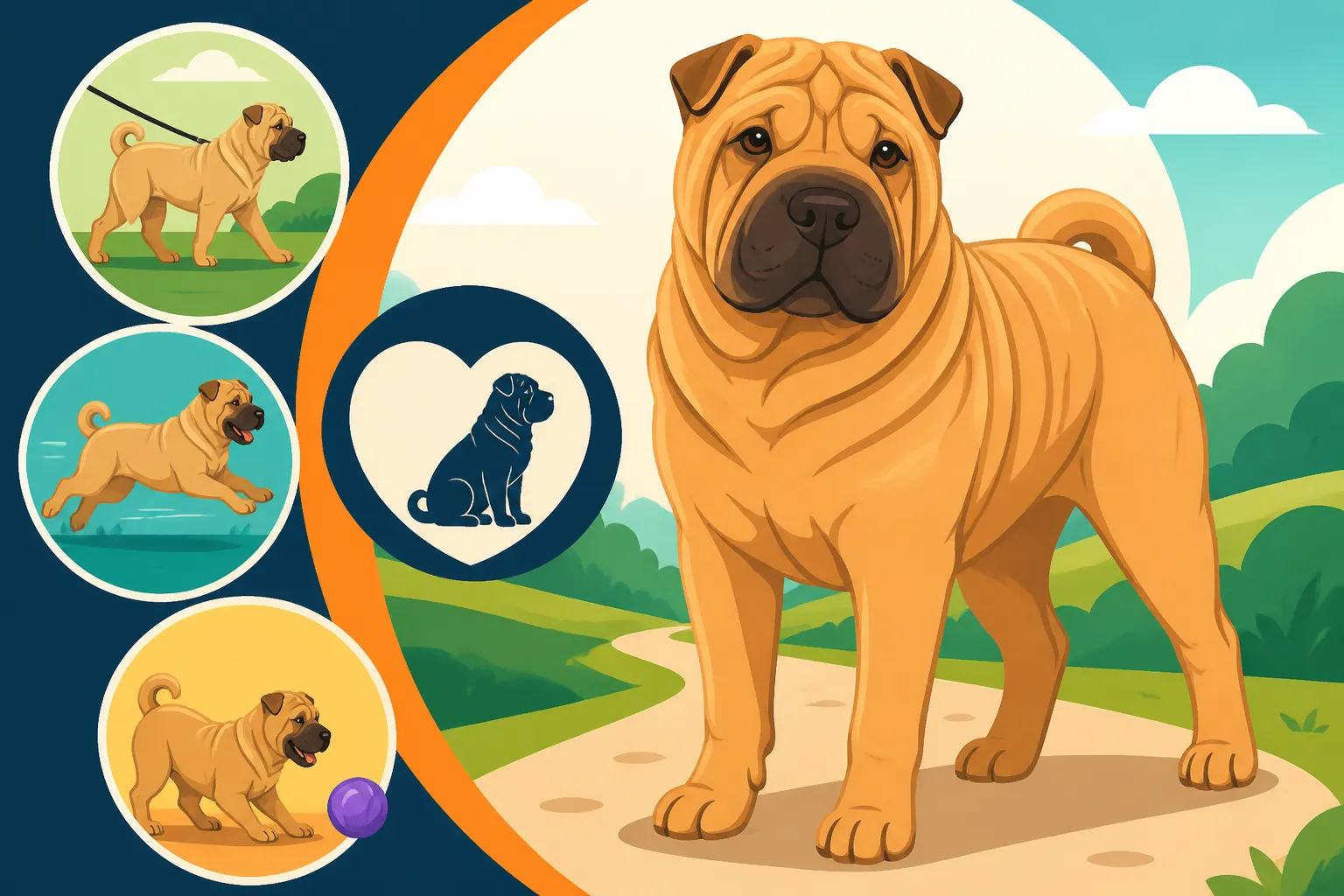
How Much Exercise a Shar Pei Needs
One of the biggest misconceptions about our beloved Shar Pei is that they’re just glorified couch potatoes who only need a short potter around the block. Oh, if only it were that simple! While they might enjoy a good nap on the sofa as much as the next dog, underestimating their need for proper, consistent exercise can lead to a host of behavioral issues and even impact their physical well-being. This guide is here to unravel the truth about how much activity your Shar Pei genuinely needs, helping you strike that perfect balance between enthusiastic outdoor exploration and much-needed chill time, all while keeping their unique health considerations in mind.
Understanding the Shar Pei's Energy Levels
It's easy to look at a Shar Pei, with their soulful eyes and often serene demeanor, and assume they're low-energy dogs. But that would be a mistake! While they're not typically high-octane, never-stop breeds like some working dogs, they possess a quiet stamina and a need for mental and physical engagement that often surprises new owners. Their history plays a huge part in understanding their inherent drive.
The Shar Pei's Ancestral Role and Its Impact on Activity
Imagine ancient China, where the Shar Pei first emerged not as a pampered lapdog, but as a multi-purpose farm dog. These were working animals, entrusted with a variety of tasks that required both intelligence and physical capability. They were guardians of the homestead, protecting families and livestock from intruders. This meant patrolling boundaries, being alert, and possessing the physical prowess to defend if necessary. They were also used for hunting, which requires bursts of energy, tracking skills, and endurance. What Job the Shar Pei Held in Rural China gives us a good look into their past.
These ancestral roles aren't just fascinating historical tidbits; they’re etched into the Shar Pei's DNA. Even today, your wrinkly companion carries that latent capacity for patrolling, observing, and moving. They aren't built for marathon running, certainly, but they are built for purposeful activity. This means they benefit from routines that allow them to engage their senses, explore their environment, and feel like they're "doing a job," even if that job is just accompanying you on a walk around the neighborhood or investigating interesting smells in the park. Without an outlet for this ingrained drive, that quiet energy can easily morph into boredom, and boredom, as many Shar Pei owners know, is the mother of all mischief.
Beyond the Couch Potato Stereotype
The image of a Shar Pei as a total couch potato often comes from seeing them in their natural indoor habitat: curled up, snoozing peacefully. And yes, they excel at this! They are masters of relaxation and can comfortably spend hours napping. However, this resting period is usually earned after a period of adequate stimulation. If your Shar Pei is constantly restless, chewing inappropriately, or displaying an unusual amount of destructive behavior, it might not be boredom or a "stubborn streak"; it could be a sign that their physical and mental energy isn't being properly channeled.
A Shar Pei benefits immensely from a consistent routine that includes daily exercise. It helps them maintain a healthy weight, which is crucial for a breed prone to joint issues and other health concerns. Regular activity also promotes good circulation, strengthens muscles, and keeps their minds sharp. More importantly, it helps burn off that pent-up energy, allowing them to truly relax when they are indoors. Think of it less as a chore and more as an investment in their overall happiness and longevity. A well-exercised Shar Pei is generally a calmer, happier, and more well-adjusted family member.
Tailoring Exercise to Your Shar Pei's Unique Needs
Just like people, every Shar Pei is an individual, and their exercise needs can vary based on several factors. What works for a robust young adult might be far too much for an older dog, or even for a puppy who's still growing. It's crucial to pay close attention to your dog and adapt their routine accordingly, always keeping their breed-specific health challenges at the forefront.
Age and Stage: Puppy, Adult, and Senior Considerations
Puppies: Shar Pei puppies are bundles of boundless energy, but their developing bones and joints are incredibly delicate. Over-exercising a puppy can lead to serious orthopedic problems down the line. Instead of long, forced walks or strenuous runs, focus on short, frequent play sessions throughout the day. Supervised free play in a secure yard, or short, gentle walks (5 minutes per month of age, twice a day, is a good general rule of thumb) are ideal. Allow them to self-regulate – when they're tired, they'll stop. Mental stimulation is also vital for puppies, so incorporate puzzle toys or short training sessions. For foundational training that incorporates play, programs like those offered by BAXTER & Bella can be incredibly helpful for new puppy owners.
Adults: Once your Shar Pei is fully grown, typically around 18-24 months, their exercise needs will hit their peak. Most healthy adult Shar Pei will thrive on about 45 minutes to an hour of moderate exercise daily. This can be split into two or three sessions. Think brisk walks, engaging play, or even some light jogging if your dog enjoys it and is conditioned for it. This is also the stage where you can really explore different types of activities to see what your Shar Pei enjoys most, whether it's exploring new trails or chasing a ball in the yard. How Much Exercise a Shar Pei Needs as an adult can truly shape their behavior and health.
Seniors: As your Shar Pei enters their golden years (typically around 7 years old, but some are spry longer), their exercise needs will naturally decrease. They might still enjoy walks, but they'll be shorter, slower, and more frequent. Joint pain, arthritis, and declining stamina become real concerns. Focus on gentle activities that keep them moving without putting undue stress on their bodies, such as slow sniff-walks, gentle play, or even hydrotherapy if recommended by your vet. The key is to keep them mobile and engaged, but always prioritize comfort and avoid pushing them beyond their limits. Caring for a Shar Pei past seven definitely involves adjusting their physical routine.
Health Concerns That Dictate Exercise Limits
The unique conformation and genetic predispositions of the Shar Pei mean that certain health issues can significantly impact their exercise capacity. Being aware of these is not about being overly paranoid, but about being a responsible, proactive owner.
Heat Sensitivity: This is perhaps the most critical consideration. Shar Pei are not built for heat. Their relatively short muzzles (even in "meat mouth" types), dense coats, and often smaller nostrils make them prone to overheating. A short walk on a warm day can quickly turn into a medical emergency. Why Heat Limits a Shar Pei's Walk is a topic every Shar Pei owner needs to understand deeply. Always exercise in the cooler parts of the day – early morning or late evening – and avoid midday sun entirely. Look for signs of overheating like excessive panting, drooling, red gums, or stumbling.
Joint Issues: Like many medium to large breeds, Shar Pei can be prone to hip and elbow dysplasia, as well as arthritis. Over-exercising, especially high-impact activities like jumping or running on hard surfaces, can exacerbate these conditions. Maintain a healthy weight to reduce strain on joints and opt for softer surfaces like grass or dirt trails.
Skin and Eye Issues: While not directly limiting exercise, conditions like entropion (inverted eyelids) or skin fold dermatitis can cause discomfort that makes a dog less willing to be active. If your dog is squinting or seems itchy and uncomfortable, they won't enjoy their walk, and pushing them could make things worse. Ensure any medical issues are managed by your vet. Entropion in a Shar Pei Puppy Is an Emergency, Not a Cosmetic Issue highlights the urgency of addressing such conditions.
Cardiac or Respiratory Problems: Less common, but still possible, are underlying heart or lung conditions that could limit your Shar Pei's ability to exert themselves. Any excessive coughing, shortness of breath after minimal exercise, or fainting spells warrant an immediate vet visit. Always consult your veterinarian before starting any new or intense exercise regimen, especially if your dog has known health issues.
Daily Exercise Routines for a Healthy Shar Pei
So, what does a typical, healthy exercise routine look like for a Shar Pei? It's all about consistency, variety, and paying attention to their cues. A mix of structured activity and mental stimulation is the recipe for a happy, well-balanced Pei.
Structured Walks and Leashed Exploration
For most adult Shar Pei, daily structured walks are the cornerstone of their exercise routine. Aim for two walks a day, each lasting between 20-30 minutes, or one longer walk for 45-60 minutes, depending on the weather and your dog's stamina. These aren't just potty breaks; they're opportunities for exploration and engagement.
During these walks, let your Shar Pei sniff! Sniffing is incredibly enriching for dogs; it allows them to gather information about their environment, which is mentally stimulating and can be just as tiring as physical exertion. Vary your routes to keep things interesting – new sights, sounds, and smells will prevent boredom. Walking on a leash also reinforces good manners and strengthens your bond. It's important that these walks are controlled; a Shar Pei was bred to guard, not to greet, so mindful leash handling in public spaces is key.
Consider the surface you're walking on. Hard pavement can be tough on joints over time. If possible, incorporate walks on grass, dirt trails, or even through a local park. Always carry water, especially in warmer weather, and offer it frequently. Reflective gear or a light-up collar can be a good idea for early morning or evening walks, particularly if you're out near roads. Remember, the goal is consistent, moderate activity, not pushing them to exhaustion.
Indoor Activities and Mental Stimulation
On days when the weather is simply too hot or too cold, or if your Shar Pei isn't feeling 100%, indoor activities become vital. Don't underestimate the power of mental exercise! A tired mind can be just as good as a tired body for a Shar Pei.
Puzzle Toys: These are fantastic for Shar Pei. Toys that dispense treats when manipulated, like those you can find on Amazon, challenge their problem-solving skills and keep them engaged. Start with easier puzzles and gradually increase the difficulty. This prevents boredom and can provide a constructive outlet for their natural intelligence and drive.
Training Sessions: Even if your Shar Pei knows all the basic commands, short, fun training sessions can be a great way to bond and stimulate their minds. Teach new tricks, refine existing commands, or practice impulse control games. The Headstrong Streak Nobody Trains Out of a Shar Pei doesn't mean they're untrainable; it means you need to make it engaging and rewarding. Five to ten minutes of focused training, a few times a day, can make a big difference.
Hide-and-Seek: Hide treats or toys around the house and encourage your Shar Pei to find them. This taps into their natural scenting abilities and provides mental enrichment. Start easy and make it progressively harder. Even a simple game of fetch in a hallway can burn some energy on a rainy day.
Safe Outdoor Play and Enrichment
When conditions are right, outdoor play beyond leashed walks can be wonderful for a Shar Pei. Just ensure it's safe, supervised, and appropriate for their breed characteristics.
Secure Yard Play: If you have a securely fenced yard, allow your Shar Pei some free time to explore. They might enjoy sniffing around, basking in a cool spot, or chasing a favorite toy. Keep an eye on them for signs of overheating or overexertion. Ensure they have access to shade and fresh water at all times. Remember, a Shar Pei needs a strong fence; their guarding instincts mean they will often try to patrol perceived boundaries, and some are surprisingly agile.
Interactive Games: Short games of fetch (again, watch for overheating), or even just tossing a soft toy they can pounce on, can be good. Avoid high-impact jumps or quick stops and starts that could strain joints. Tug-of-war can also be a fun, interactive game, but ensure you teach them to release the toy on command to prevent resource guarding issues.
Supervised Socialization (with caution): While a Shar Pei was bred to guard, not to greet other dogs, some individuals can enjoy carefully managed, one-on-one playtime with a well-matched, calm canine friend. Public dog parks are generally NOT recommended for Shar Pei due to their often reserved nature, tendency to be selective with other dogs, and limited peripheral vision which can lead to startling easily. Dog to Dog Is the Shar Pei Problem, Not Dog to Person is a crucial understanding for Shar Pei owners. If you introduce them to another dog, do it on neutral territory, on leash, and supervise closely.
Managing Exercise in Challenging Conditions
One of the biggest hurdles for Shar Pei owners is navigating exercise when the weather isn't cooperating. Their unique physiology means they don't do well in extremes of temperature, especially heat. Being prepared and knowing how to adapt is crucial for their safety and comfort.
Why Heat Limits a Shar Pei's Walk
This point cannot be stressed enough: Shar Pei are highly susceptible to heatstroke. Their physical attributes, from their often-brachycephalic (short) muzzles that make panting less efficient for cooling, to their dense coats that can trap heat, conspire against them in warm weather. Unlike many breeds that can cool down more effectively, a Shar Pei struggles immensely.
When temperatures rise, even a seemingly short walk can become dangerous. The pavement can be scorching hot, burning their paw pads. The humidity makes it even harder for them to dissipate heat through panting. Signs of overheating in a Shar Pei include excessive panting, drooling, lethargy, bright red gums, incoordination, vomiting, or collapse. If you see any of these, it's an emergency. Get them to a cool place immediately, apply cool (not ice cold) water to their body, especially paw pads and groin, and contact your vet.
To mitigate this, exercise your Shar Pei during the coolest parts of the day – typically before 8 AM and after 7 PM, or even later during peak summer. On truly hot days, a quick potty break is all they need, with the majority of their exercise coming from indoor games or mental stimulation. Cooling mats, cooling vests, and access to plenty of fresh, cool water are not luxuries for a Shar Pei; they are necessities. Many cooling products can be found on Amazon.
Cold Weather Considerations and Protective Gear
While heat is the primary concern, extreme cold can also pose challenges, especially for Shar Pei with very short "horse coats" or those who are more sensitive. Most Shar Pei handle cool to cold weather much better than heat, but they're not Arctic dogs either.
In freezing temperatures, consider a dog coat or sweater, especially for older or thinner Shar Pei. Their single coat, while dense, isn't designed for prolonged exposure to sub-zero temperatures. Watch for shivering, reluctance to move, or lifting paws off the cold ground. Paw balm or booties can protect their pads from ice, snow, and de-icing chemicals, which can be irritating or even toxic if licked.
During cold weather walks, ensure they're still getting enough exercise, but be mindful of icy patches that could lead to slips and falls, especially for an older dog. After walks, always check their paw pads for ice balls or salt, and gently wipe them clean. A brisk walk in crisp, cool air can be invigorating for a Shar Pei, but common sense and protective measures should always be employed when temperatures plummet.
| Shar Pei Age/Stage | Recommended Exercise Duration | Key Considerations |
|---|---|---|
| Puppy (Up to 18 months) | 15-30 minutes per day, split into multiple short sessions | Focus on free play, short sniff walks (5 mins per month of age, twice daily). Avoid forced exercise, jumping, or long runs to protect developing joints. Prioritize mental stimulation. Always supervised. |
| Adult (18 months – 7 years) | 45-60 minutes per day, split into 1-2 sessions | Brisk walks, engaging play. Can include light jogging if conditioned. Monitor for heat sensitivity. Vary routes, allow sniffing. Incorporate mental games. |
| Senior (7+ years) | 20-40 minutes per day, split into shorter, more frequent sessions | Gentle, slow walks. Focus on comfort and mobility. Avoid strenuous activity. Adapt to joint pain or decreased stamina. Hydrotherapy may be beneficial. Ensure easy access to rest. |
Tools and Strategies for Successful Shar Pei Exercise
Making exercise a positive and safe experience for your Shar Pei often comes down to having the right equipment and a good understanding of their unique behavioral traits. A little preparation goes a long way in ensuring both you and your dog enjoy your time together.
Essential Gear for Walks and Outdoor Adventures
Choosing the right gear is particularly important for a Shar Pei, given their physical conformation and potential sensitivities.
Harnesses vs. Collars: For most Shar Pei, a well-fitting, comfortable harness is preferable to a collar, especially if they are prone to pulling. Their loose skin around the neck can make a collar less secure and more likely to slip. Also, a collar puts direct pressure on their trachea, which can be problematic for a breed already prone to respiratory sensitivity, especially when excited or pulling. A front-clip harness can be particularly effective for controlling pulling, gently redirecting their momentum without causing discomfort. Look for harnesses made of breathable material, as excessive coverage can contribute to overheating in warm weather. Whether a Harness Suits a Shar Pei Better is a common question, and generally, the answer is yes.
Leashes: A standard 4-6 foot leash is usually ideal. It gives your Shar Pei enough room to explore safely without allowing them to get too far ahead or behind. Avoid retractable leashes, as they offer less control and can be dangerous, especially with a strong, independent dog like a Shar Pei.
Cooling Gear: As mentioned, cooling mats and vests are invaluable for summer months. A portable water bottle with an attached bowl is also a must-have for any walk, regardless of the temperature. You can find a wide array of options on Amazon.
Poop Bags: Let's be responsible owners! Always carry enough bags and dispose of waste properly.
Training for Leash Manners and Engagement
A well-exercised Shar Pei is one that can enjoy their walks safely and calmly. This requires good leash manners, and given their independent nature, consistent training is key.
Early Socialization and Training: Start early! Socialize a Shar Pei Before Twelve Weeks or Pay for It Later is critical advice. Exposing your Shar Pei puppy to various sights, sounds, and experiences in a positive way will build their confidence and reduce reactivity later on. Consistent, positive reinforcement-based training for leash walking is essential. Use high-value treats to reward loose-leash walking, and practice in low-distraction environments before moving to busier areas.
Positive Reinforcement: Shar Pei respond best to positive reinforcement. Harsh corrections or force will often lead to them shutting down or becoming more resistant. Make training fun and rewarding. If your Shar Pei is food motivated (and many are!), use that to your advantage. Programs like BAXTER & Bella can provide excellent guidance and structured lessons for teaching leash manners and other obedience skills, which can significantly enhance your walking experience.
Understanding Their Body Language: Shar Pei can be hard to read due to their wrinkles and small ears, but understanding their subtle cues is vital. If they stiffen, stare, or pull intensely towards another dog or person, it’s a sign they're uncomfortable or about to react. Learn to anticipate these situations and redirect their attention with a treat or a verbal cue. Their peripheral vision is limited, so they can be easily startled, which underscores the importance of controlled walks and proactive handling. How a Shar Pei's Wrinkles Hide Its Expression makes reading them a challenge that owners must master.
Recognizing When Enough is Enough (or Too Much)
This is perhaps the most important aspect of exercising a Shar Pei: learning to listen to your dog. They can’t tell you in words if they’re tired, hot, or in pain, so it’s up to you to be their advocate and interpreter. Pushing a Shar Pei too far can have serious consequences.
Signs Your Shar Pei is Over-exercised or Overheating
It’s tempting to think that more exercise is always better, but for a Shar Pei, there's a definite sweet spot, and exceeding it can be detrimental.
Excessive Panting and Drooling: While panting is normal during exercise, excessive panting, especially if it's rapid, deep, and continuous long after stopping activity, is a huge red flag. Frothy drool is another sign of distress. This is often the first and most obvious indicator of overheating.
Lethargy and Reluctance to Move: If your Shar Pei suddenly slows down, lags behind, or completely refuses to move during a walk, pay attention. They might also appear unusually tired or sluggish for hours after returning home. This isn't just "being lazy"; it's a sign of physical fatigue or heat stress.
Stumbling or Lack of Coordination: This is a more serious sign and indicates that their body systems are struggling. Muscle weakness, disorientation, or an inability to walk in a straight line require immediate intervention.
Bright Red or Pale Gums: Healthy gums are typically pink. If they become bright red, it often indicates increased blood flow due to overheating. Pale or bluish gums are also an emergency sign, suggesting shock or oxygen deprivation.
Vomiting or Diarrhea: Gastrointestinal upset can be a symptom of severe heatstroke or extreme stress on the body.
If you observe any of these signs, especially in warm weather, act quickly. Get your dog to a cool, shaded area, offer small amounts of water, and apply cool (not cold) water to their body, particularly on their belly, inner thighs, and paw pads. Don't submerge them in ice water, as this can cause shock. Contact your veterinarian immediately.
The Importance of Rest and Recovery
Just as important as exercise is allowing your Shar Pei adequate rest and recovery time. Their quiet demeanor might make it seem like they are always resting, but true recovery from physical exertion is different from just napping.
Scheduled Downtime: After an active walk or play session, ensure your Shar Pei has a quiet, comfortable, cool place to rest undisturbed. This allows their muscles to recover, their body temperature to regulate, and their mind to unwind. Don't immediately launch into another activity or expect them to be ready for vigorous play.
Observation for Soreness: Keep an eye on your Shar Pei after more strenuous activity. Are they limping slightly? Are they stiff when they get up? Are they favoring a paw? These could be signs of muscle soreness, joint discomfort, or an injury. If stiffness persists or worsens, a vet visit is warranted. Whether a Shar Pei Hides Pain is a valid concern, as many dogs instinctually mask discomfort.
Quality Sleep: A well-exercised Shar Pei will generally sleep soundly. Ensure they have a comfortable bed in a quiet location where they won't be constantly disturbed. Good quality sleep is crucial for their overall health, immune system, and emotional well-being. By balancing active periods with ample rest, you help your Shar Pei thrive, ensuring they have the energy and health to enjoy many happy years by your side.
Disclaimer
This article is for general informational purposes only and does not constitute professional advice. Laws, prices and regulations vary by location and change over time. Consult a qualified professional for guidance on your specific situation.


