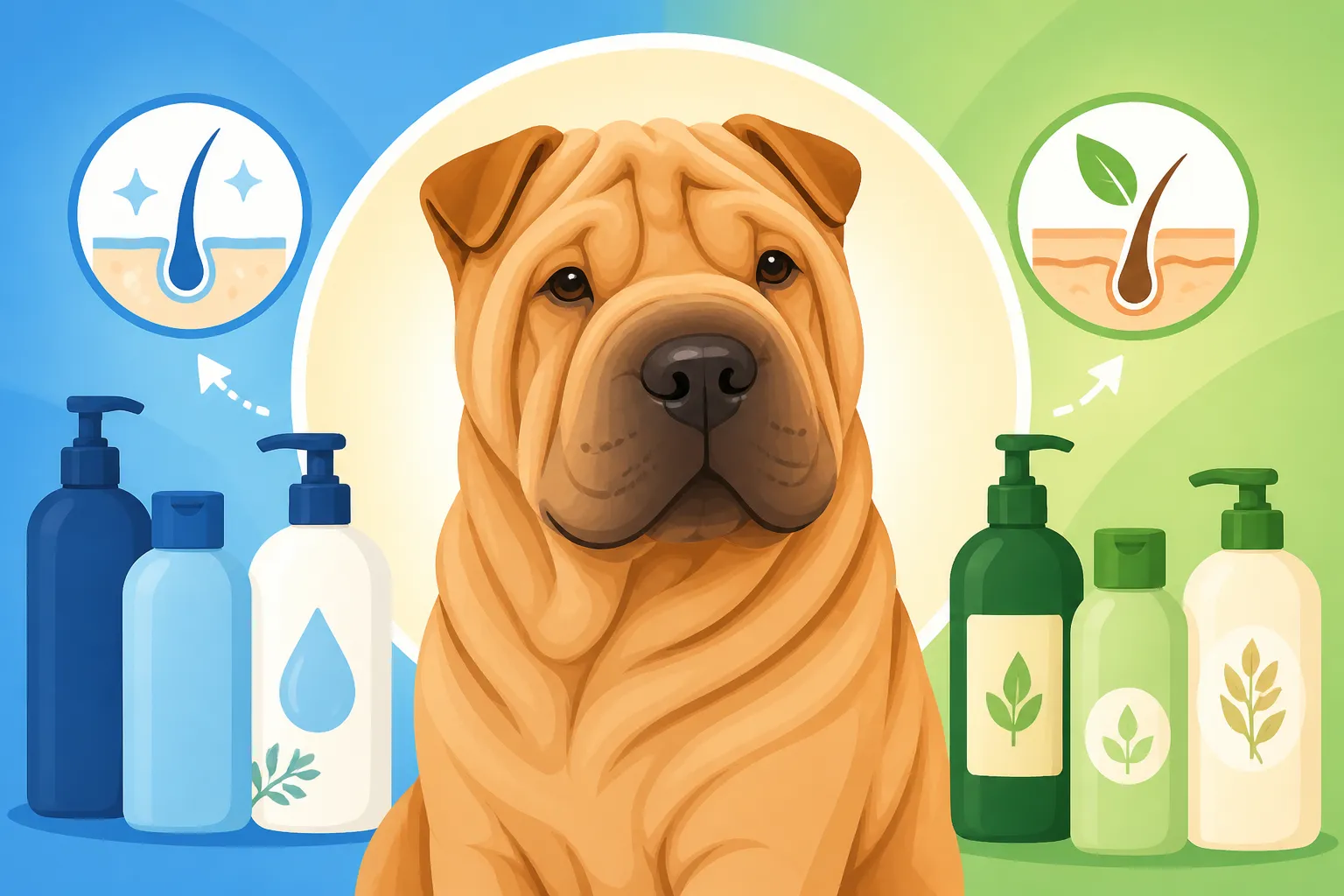
Which Shampoo Suits a Shar Pei’s Skin
If you've ever found yourself staring at an aisle full of dog shampoos, feeling utterly overwhelmed and just wanting to pick the right one for your wrinkly friend, you are not alone. Shar Pei skin is a whole different ballgame, prone to a unique set of challenges that can make finding the perfect shampoo feel like searching for a needle in a haystack. This guide is here to cut through the confusion and help you confidently choose a shampoo that truly suits your Shar Pei's delicate and often troublesome skin, preventing those frustrating flare-ups and keeping them comfortable.
Understanding Your Shar Pei's Unique Skin Needs
Let's be real, a Shar Pei isn't just any dog. Their incredible, distinctive appearance comes with a very specific set of dermatological considerations that we, as their devoted owners, absolutely need to understand. Ignoring these nuances is like trying to fit a square peg in a round hole – it just won't work, and it'll leave your pup itchy and miserable.
Why Shar Pei Skin Is So Different
The very thing that makes our Shar Pei so endearing – those luxurious, abundant wrinkles – is also the primary source of their skin's vulnerability. Unlike other breeds, a Shar Pei's skin isn't just folded; it's also incredibly thick and often produces an excess of mucin, which is a jelly-like substance that gives them that unique, somewhat puffy appearance, especially in puppies. This mucin can create a perpetually moist environment deep within the skin folds, an ideal breeding ground for bacteria and yeast. Think of it like a tiny, warm, damp microclimate happening all over their body, particularly in those deep facial wrinkles, neck folds, and even around their tail base.
Beyond the physical structure, Shar Pei are genetically predisposed to certain conditions. They have a higher incidence of Skin Is the Shar Pei's Largest Problem by Surface Area compared to many other breeds. This means their skin often needs more specialized care and a proactive approach rather than a reactive one. The goal isn't just to treat problems when they arise, but to create an environment where problems are less likely to start in the first place, and your choice of shampoo plays a huge role in that.
Common Skin Issues a Shar Pei Faces
Because of their unique skin architecture and genetic background, Shar Pei are unfortunately prone to a variety of frustrating skin issues. It’s not a matter of if they'll face a skin challenge, but often when and how often.
- Allergies: Just like us, Shar Pei can suffer from environmental allergies (atopy) or Food Allergies in a Shar Pei. These often manifest as intense itching, redness, ear infections, and secondary skin infections. An allergic Shar Pei might incessantly chew their paws, rub their face, or scratch their body, sometimes leading to raw, irritated patches. The skin can become greasy or dry, and the constant irritation can compromise the skin barrier.
- Yeast Infections (Malassezia Dermatitis): That warm, moist environment within the folds is yeast heaven. When yeast overgrows, it leads to a distinct yeasty odor – often described as cheesy or corn chip-like – along with redness, itchiness, and sometimes a greasy or flaky coat. You'll often spot this in the armpits, groin, between the toes, and deep within facial wrinkles. It’s a very common complaint, and something many Shar Pei owners learn to recognize all too well.
- Bacterial Infections (Pyoderma): Often a secondary issue to allergies or yeast, bacterial skin infections can make an already uncomfortable situation much worse. These present as pustules, red bumps, crusting, hair loss, and sometimes focal areas of wet, inflamed skin often called "hot spots." They can be incredibly painful and are a clear sign that your dog needs both topical and sometimes systemic treatment.
- Dry Skin: Despite the mucin, some Shar Pei can still suffer from dry, flaky skin, especially in less wrinkled areas or during drier seasons. This can be itchy and uncomfortable, leading to dandruff and a dull coat. Finding a balance to moisturize without creating too much dampness in the folds is key.
Understanding these common culprits helps us zero in on the types of ingredients and formulations that will be most beneficial, and crucially, which ones to steer clear of.
Deciphering Shampoo Labels: Ingredients to Look For and Avoid
Navigating the world of dog shampoo ingredients can feel like reading a foreign language. There are so many options, so many claims, and frankly, a lot of marketing fluff. For a Shar Pei, being an informed label-reader isn't just helpful, it's essential for their skin health and comfort.
Beneficial Ingredients for Shar Pei Skin
When you're sifting through bottles, keep an eye out for these superhero ingredients. They are often the active components in shampoos designed to soothe, heal, and protect sensitive or compromised skin.
- Oatmeal (Colloidal Oatmeal): This is a classic for a reason. Oatmeal is incredibly soothing and anti-inflammatory. It helps to calm irritated, itchy skin by forming a protective barrier and reducing redness. For a Shar Pei with general itchiness or mild allergic reactions, an oatmeal-based shampoo can be a real lifesaver, offering gentle relief without harsh chemicals.
- Ceramides: These are lipid molecules that naturally occur in the skin and are crucial for maintaining a healthy skin barrier. When the skin barrier is compromised (which often happens with allergies and infections in Shar Pei), it loses moisture and becomes more vulnerable to irritants. Shampoos containing ceramides help to repair and strengthen this barrier, leading to healthier, more resilient skin.
- Chlorhexidine: This is a powerful antiseptic agent that is widely used in veterinary medicine. It's excellent for tackling bacterial and yeast infections. If your Shar Pei is prone to pyoderma or yeast overgrowth, a shampoo with chlorhexidine (often at a 2-4% concentration) can be incredibly effective at killing the offending microbes. It has residual activity, meaning it continues to work on the skin even after rinsing.
- Miconazole: Often paired with chlorhexidine, miconazole is an antifungal agent. It specifically targets yeast infections, including Malassezia, which is a common problem in Shar Pei folds. A combination of chlorhexidine and miconazole is frequently recommended by veterinarians for active bacterial and yeast dermatitis.
- Salicylic Acid: This beta-hydroxy acid is a keratolytic agent, meaning it helps to shed dead skin cells and clear out pores. For Shar Pei with greasy, flaky skin, or those prone to blocked hair follicles, salicylic acid can help to normalize skin turnover and prevent buildup. It's often found in medicated shampoos aimed at conditions like seborrhea.
- Essential Fatty Acids (e.g., Omega-3 and Omega-6): While often given orally, some shampoos incorporate essential fatty acids to help nourish the skin from the outside in. These contribute to a healthy skin barrier and can reduce inflammation, supporting overall skin health. Look for ingredients like fish oil or linoleic acid derivatives.
Ingredients to Approach with Caution
Just as important as knowing what to look for is knowing what to avoid. Certain ingredients, while fine for some breeds, can exacerbate issues in a Shar Pei's sensitive skin.
- Harsh Detergents (Sulfates): Ingredients like Sodium Lauryl Sulfate (SLS) or Sodium Laureth Sulfate (SLES) are common foaming agents. While they create a satisfying lather, they can strip the skin of its natural oils, leading to dryness and irritation. For a Shar Pei, whose skin barrier is already often delicate, this can worsen existing conditions or trigger new ones. Opt for sulfate-free formulations whenever possible.
- Artificial Fragrances and Dyes: Many commercial shampoos are loaded with synthetic scents and colors to appeal to human owners. However, these are common irritants and allergens for dogs, especially those with sensitive skin like a Shar Pei. They can cause itching, redness, and contact dermatitis. Always choose shampoos that are "fragrance-free" or "dye-free," or those that use only natural, mild scents from essential oils known to be safe for dogs (though even natural essential oils should be used cautiously).
- Certain Essential Oils: While some essential oils can have beneficial properties, many are too concentrated or inappropriate for canine skin. Tea tree oil, for example, can be toxic to dogs, especially in high concentrations. Always check with your vet or choose shampoos specifically formulated for dogs with carefully selected, dilute essential oils known to be safe and beneficial, like lavender or chamomile, which are known for their calming properties. Even then, "fragrance-free" is usually the safest bet for a Shar Pei with active skin issues.
- Alcohol: Found in some quick-drying or antiseptic solutions, alcohol can be extremely drying and irritating to a Shar Pei's skin, especially if it's already inflamed or broken. Always check for alcohol in the ingredient list and avoid it in shampoos.
| Shampoo Type / Condition | Key Beneficial Ingredients | What It Does | When to Use It |
|---|---|---|---|
| General Maintenance | Colloidal Oatmeal, Aloe Vera, Gentle Cleansers | Soothes, moisturizes, maintains skin barrier | Regular baths for generally healthy, mildly itchy skin |
| Bacterial/Yeast | Chlorhexidine (2-4%), Miconazole, Ketoconazole | Kills bacteria and yeast, reduces infection | Active infections, preventive for prone dogs |
| Allergy/Sensitive | Hydrocortisone (topical), Pramoxine, Ceramides, | Reduces itching, inflammation, repairs skin barrier | Allergic flare-ups, chronic sensitive skin |
| Dry/Flaky Skin | Humectants (Glycerin), Emollients (Lanolin, Urea) | Hydrates skin, reduces flaking | Dry seasons, older dogs, general skin dryness |
| Greasy/Seborrheic | Salicylic Acid, Sulfur, Coal Tar (vet only) | Controls oil, sheds dead skin, reduces scaling | Oily coat, dandruff, seborrheic dermatitis (vet guidance crucial) |
Types of Shampoos for Specific Shar Pei Skin Conditions
Now that we know what to look for, let's talk about the specific categories of shampoos and when each might be appropriate for your Shar Pei. It's not a one-size-fits-all situation, and what works beautifully for one Shar Pei might actually aggravate another.
Medicated Shampoos for Active Infections
When your Shar Pei is actively battling a skin infection, a regular "fluffy and clean" shampoo just won't cut it. This is where medicated shampoos become indispensable. These are powerful tools designed to treat specific microbial overgrowths.
- Antifungal Shampoos: If your vet has diagnosed a yeast infection (Malassezia dermatitis), an antifungal shampoo is your primary weapon. These typically contain ingredients like miconazole or ketoconazole. They work by disrupting the cell walls of the yeast, effectively killing them off. You'll often find these combined with antibacterial agents because yeast and bacteria frequently co-exist in skin infections. For instance, you might see products available through Chewy or your vet that specifically mention these dual-action ingredients. Regular use, as prescribed by your vet, is crucial for clearing these stubborn infections.
- Antibacterial Shampoos: For bacterial skin infections (pyoderma), chlorhexidine-based shampoos are the gold standard. As mentioned, chlorhexidine is a broad-spectrum antiseptic that kills a wide range of bacteria. These shampoos are vital for reducing the bacterial load on the skin, allowing the skin to heal. It's important to follow the contact time instructions on these products – typically 5-10 minutes – to allow the active ingredients to do their job properly. Skipping this step significantly reduces their effectiveness.
It’s crucial to understand that medicated shampoos are treatments, not just cleansers. They should be used under veterinary guidance, as the type of medication and frequency of bathing will depend on the severity and type of infection. They can be incredibly effective at managing chronic issues and preventing recurrence when used consistently.
Hypoallergenic and Sensitive Skin Shampoos
For Shar Pei prone to allergies or general skin sensitivity without an active infection, hypoallergenic and sensitive skin shampoos are often the best choice. These are formulated to minimize the risk of irritation.
- Limited Ingredient Formulations: The core principle behind these shampoos is simplicity. They contain fewer ingredients, reducing the chances of a specific component triggering an allergic reaction. Look for options labeled "hypoallergenic," "for sensitive skin," or "allergy-friendly." They often feature very mild, plant-derived cleansers and steer clear of common irritants. Some premium brands, which you might find on platforms like Amazon or directly from specialty pet retailers, focus heavily on these formulations.
- Gentle and pH-Balanced: A dog's skin has a different pH balance than human skin. Using human shampoo, even gentle baby shampoo, can disrupt their skin barrier. Hypoallergenic dog shampoos are specifically pH-balanced for canine skin. They also tend to have a very gentle lather, designed to clean effectively without stripping natural oils or causing dryness. Ingredients like colloidal oatmeal, aloe vera, and ceramides are frequently found in these types of shampoos, offering soothing and barrier-supporting benefits. They’re excellent for maintenance bathing once an active infection is under control, or for dogs who simply have reactive skin.
Moisturizing and Soothing Shampoos for Dryness
Even with all that mucin, some Shar Pei can experience dry, flaky, or dull skin, especially if they are bathed frequently with drying products, or in arid climates. These shampoos focus on restoring hydration and comfort.
- Humectants: Ingredients like glycerin and urea are humectants, meaning they attract moisture from the environment and draw it into the skin. When included in a shampoo, they help to hydrate the skin during the bath and leave it feeling softer and less tight. This is important for maintaining skin elasticity and preventing micro-cracks in the skin barrier that can lead to irritation.
- Emollients and Conditioners: After cleansing, emollients help to seal in moisture and soften the skin. Ingredients such as lanolin, fatty acids, and various oils (like coconut oil or shea butter) act as emollients. Many moisturizing shampoos will include these alongside conditioners to help smooth the coat and provide a protective layer. Often, a good moisturizing shampoo will be followed by a rinse-off conditioner designed for sensitive skin, creating a two-step approach to hydration. This can be particularly beneficial for a Shar Pei with a drier coat or those experiencing What a Shar Pei's Skin Tells You Before Its Behavior Does by flaking.
Application Techniques and Post-Bath Care for a Shar Pei
Choosing the right shampoo is only half the battle. How you apply it and, perhaps even more critically, how you dry your Shar Pei afterward, can make or break the effectiveness of your bathing routine. For a breed prone to skin issues, proper technique is non-negotiable.
The Importance of Proper Lather and Contact Time
We've all been there: a quick scrub, a rinse, and out they go. But with a Shar Pei, especially when using medicated shampoos, rushing the process is a recipe for failure.
- Pre-Wet Thoroughly: Before applying any shampoo, ensure your Shar Pei is completely saturated with lukewarm water. This helps the shampoo distribute evenly and activates the cleansing agents. Use a shower sprayer for best results, getting water all the way down to their skin, not just on top of their coat.
- Lather Gently and Thoroughly: Apply shampoo, starting from the neck and working your way down, paying extra attention to all those glorious folds. This is where bacteria and yeast love to hide. Gently massage the shampoo into the skin, making sure to get beneath every crease on their face, neck, body, and around the tail. Don't be afraid to really open up those folds to ensure the shampoo reaches the skin underneath. For some Shar Pei, particularly those with a very dense coat or deep folds, you might need to dilute the shampoo slightly in a cup of water before applying to ensure better penetration.
- Respect Contact Time: This is critical for medicated shampoos. If the label says "leave on for 10 minutes," set a timer and actually leave it on for 10 minutes. The active ingredients need that time to penetrate the skin and do their work, whether that's killing yeast, bacteria, or soothing inflammation. During this waiting period, keep your Shar Pei contained (a leash attached to the tub can help) and distract them with gentle praise or a lick mat smeared with peanut butter. For non-medicated, soothing shampoos, 5 minutes is usually sufficient to allow the beneficial ingredients to absorb.
Thorough Rinsing and Drying
If there's one area where Shar Pei owners cannot cut corners, it's rinsing and drying. Incomplete rinsing and inadequate drying are two of the biggest culprits behind recurrent skin infections. Drying Is More Important Than Washing on a Shar Pei because moisture left in the folds is an open invitation for problems.
- Rinse, Rinse, Rinse!: After the appropriate contact time, rinse your Shar Pei even more thoroughly than you think is necessary. Any shampoo residue left on the skin can be an irritant, leading to itching, flaking, or even triggering a new infection. Again, use a shower sprayer and feel along their body, running your hands through their coat and deep into their folds to ensure every last bit of suds is gone. The water should run completely clear. Pay special attention to their armpits, groin, under their chin, and within those deep facial wrinkles.
- The Drying Imperative: This is paramount for Shar Pei. Their dense coat and deep folds trap moisture like nobody's business. Start by towel-drying vigorously, getting out as much water as possible. Then, move to a pet-specific forced air dryer (not a human hairdryer, which can be too hot and burn their skin, or too weak to be effective). Direct the airflow into and under every single fold. Lift the wrinkles on their face, stretch out their neck, open up their armpits – whatever it takes to ensure the skin underneath is completely dry. If you don't have a forced air dryer, use multiple clean, dry towels and pat, blot, and air-dry in a warm, draft-free room, checking every fold every 10-15 minutes until completely dry. Some owners even gently use a cotton swab or a soft cloth to carefully dry inside the deeper folds. This process takes time and patience, but it's perhaps the single most important step in preventing Whether a Shar Pei's Folds Smell When Healthy from turning into a full-blown infection.
When to Consult Your Veterinarian or a Dermatologist
While selecting the right shampoo and perfecting your bathing technique can go a long way, there are times when over-the-counter solutions just aren't enough. Recognizing these moments is crucial for your Shar Pei's long-term health and comfort. You wouldn't try to fix a broken bone with a band-aid, and similarly, severe skin issues require professional intervention.
Recognizing Persistent or Worsening Symptoms
It's easy to dismiss a little scratch or a bit of flaking, especially when you're used to your Shar Pei having sensitive skin. However, knowing when a minor issue is escalating to something more serious is key.
- When to Worry: If your Shar Pei's itching becomes relentless, they start losing hair in patches, develop raw or bleeding areas, or the skin turns bright red and inflamed, it's definitely time to call the vet. A strong, persistent odor (yeasty or foul) is another huge red flag. Look out for any new lumps, bumps, or pustules that don't resolve quickly with your usual gentle care. If your dog seems lethargic, has a reduced appetite, or is generally miserable due to their skin, that's a clear sign of a significant problem. These aren't just cosmetic issues; they can be very painful and impact your dog's overall quality of life. Sometimes, these symptoms are actually linked to underlying systemic issues, not just a surface skin problem.
- Failed Home Management: If you've diligently used a recommended over-the-counter shampoo for a few weeks, followed all the bathing instructions, and the symptoms either haven't improved or have actually gotten worse, stop guessing. Continuing to experiment with different shampoos at home without a diagnosis can delay effective treatment and prolong your dog's discomfort. This is often the point where you need to switch from being an at-home caregiver to a professional advocate for your pet. Remember, managing What a Shar Pei's Skin Costs a Year can be substantial, but early intervention often prevents more expensive, complicated problems down the line.
The Role of Professional Diagnosis and Prescription Shampoos
Your veterinarian is your best ally in managing your Shar Pei's skin health. They have the tools and knowledge to get to the root of the problem.
- Accurate Diagnosis is Key: When you bring your Shar Pei to the vet with a skin issue, they won't just recommend a shampoo based on symptoms. They'll perform diagnostic tests, which might include skin scrapes to check for mites (like Demodex), cytology (looking at cells under a microscope) to identify yeast or bacteria, and sometimes even fungal cultures or biopsies. This thorough approach allows them to pinpoint the exact cause of the problem. Without a precise diagnosis, you're just treating symptoms, which is rarely effective long-term.
- Prescription-Strength Solutions: Based on the diagnosis, your vet can prescribe specific medicated shampoos that are far more potent and targeted than anything you can buy over the counter. These might contain higher concentrations of chlorhexidine or miconazole, or other active ingredients like ethyl lactate, benzoyl peroxide, or even prescription-strength steroids for severe inflammation. They might also recommend oral medications (antibiotics, antifungals, or anti-allergy drugs) to work in conjunction with the topical treatments. In complex cases, your vet might suggest a referral to a veterinary dermatologist, a specialist who focuses solely on skin conditions. Whether a Shar Pei Owner Should See a Dermatologist is a question many owners face, and it's often the best path to finally resolving stubborn skin issues. They can offer advanced diagnostics and therapies tailored specifically for your Shar Pei's unique dermatological challenges.
Disclaimer
This article is for general informational purposes only and does not constitute professional advice. Laws, prices and regulations vary by location and change over time. Consult a qualified professional for guidance on your specific situation.


