How to Dry a Shar Pei Properly
If you're a Shar Pei owner, you know the struggle: getting your beloved wrinkly companion truly dry after a bath or an unexpected swim. It’s not just about them shaking water all over your bathroom; it’s a critical health concern. Those adorable folds, that dense coat – they're perfect hiding places for moisture, which can quickly turn into uncomfortable and costly skin infections. This guide is here to walk you through the proper techniques and tools to ensure your Shar Pei is thoroughly dry, keeping them happy, healthy, and smelling fresh.
Why a Shar Pei's Unique Coat Demands Special Drying Attention
Owning a Shar Pei means understanding their unique physical traits, and nowhere is this more critical than with their skin and coat. Unlike many breeds where a quick towel-off suffices, a Shar Pei's dense, often bristly fur, coupled with those iconic wrinkles and folds, creates a perfect storm for trapped moisture and subsequent skin problems if not dried meticulously. It’s a frustration many owners face, feeling like you’ve dried them for an hour only to find dampness lurking deep within a fold.
The Pitfalls of Dampness in Shar Pei Skin Folds
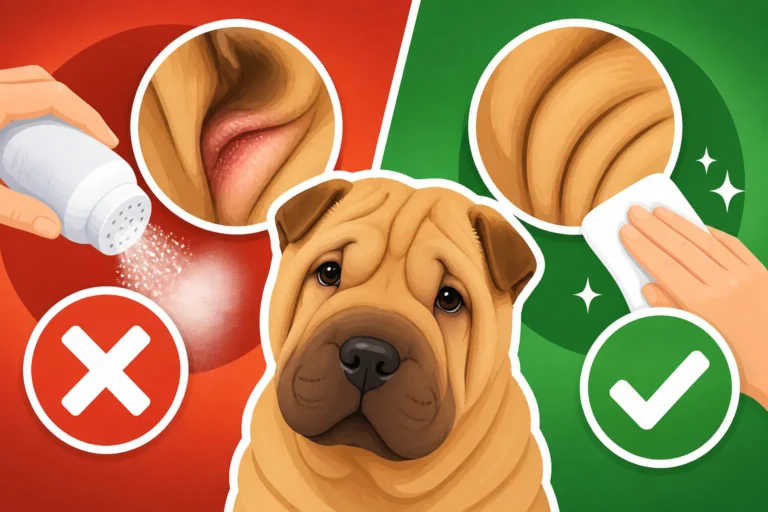
Those beautiful, expressive wrinkles, especially around the face, neck, and sometimes even the body, are prime real estate for moisture to hide. When these areas remain damp, they create a warm, humid environment – an ideal breeding ground for bacteria and yeast. This can rapidly lead to a common and painful condition known as skin fold dermatitis. You might start to notice redness, irritation, an unpleasant odor, and your Shar Pei constantly trying to scratch or rub the affected area. It’s not just uncomfortable for them; it can escalate into a severe infection requiring veterinary intervention, antibiotics, and medicated shampoos. We’ve all been there, noticing that tell-tale smell or a persistent itch, wondering if we missed a spot. Every Fold on a Shar Pei Is a Place Something Grows highlights just how vigilant we need to be.
The Density and Texture of a Shar Pei's Coat
Shar Pei are known for their distinctive coat, which can range from the very short, harsh "horse coat" to the slightly longer, softer "brush coat." Regardless of the type, the underlying density of their fur is significant. It's designed to protect them, but it also means water clings to it tenaciously, making it hard for air to circulate and promote natural drying. Simply rubbing with a towel might get the surface dry, but deep down, near the skin, moisture can linger for hours. This residual dampness can lead to general skin irritation, hot spots, or exacerbate existing skin sensitivities. It can feel like drying a thick, bristly carpet, no matter how much effort you put in, and it's a frustration that often leads to shortcuts that ultimately cause problems.
Essential Tools for Drying Your Wrinkly Pal
Before you even think about getting your Shar Pei wet, assembling the right arsenal of drying tools is crucial. Trying to dry them with inadequate equipment is like trying to bail out a leaky boat with a teacup – frustrating and ineffective. Investing in good tools upfront can save you a lot of headache (and vet bills!) down the line.
High-Absorbency Towels
Forget your old bath towels; for a Shar Pei, you need towels that mean business. Microfiber towels designed for pets are absolute game-changers. They are specifically engineered to absorb a far greater volume of water much faster than traditional cotton towels. Having several on hand allows you to get most of the surface water off quickly. Imagine having a towel that feels like it's sucking the water right out of their coat – that's what you're aiming for. You can often find great multi-packs of these on sites like Amazon, making it easy to always have a clean, dry one ready.
Pet-Specific Blow Dryers
While your human hairdryer might seem like a quick solution, most are too hot and not powerful enough for a Shar Pei's dense coat. A dedicated pet blow dryer, often called a "force dryer" or "high-velocity dryer," is a non-negotiable tool for proper drying. These dryers push a high volume of unheated or low-heat air, effectively blasting water out of the coat rather than just evaporating it. They significantly reduce drying time and, more importantly, can reach those deep-seated layers of fur and skin folds where moisture loves to hide. Look for models with adjustable speed and heat settings. You can find a range of options on platforms like Chewy or specialty pet supply stores.
| Drying Tool Category | Purpose | Key Benefit for Shar Pei | Where to Find |
|---|---|---|---|
| High-Absorbency Towels | Initial water removal | Rapidly wicks away bulk water from dense coat, preparing for deeper drying. Prevents prolonged soaking. | Amazon, Chewy, Pet Stores |
| Pet-Specific Force Dryer | Deep coat drying and fold aeration | Blasts water out of dense fur and forces air into deep wrinkles, preventing microbial growth. Reduces drying time significantly. | Online pet retailers (e.g., Chewy), specialty grooming stores |
| Cotton Balls/Pads | Ear fold cleaning | Gently absorbs moisture and debris from the outer ear folds and visible ear canal entrance. | Grocery stores, drugstores |
| Soft Face Cloths/Wipes | Face and muzzle fold drying | Gentle yet effective for delicate facial wrinkles. Can apply medicated wipes if needed. | Grocery stores, pet stores, Amazon (for wipes) |
| Drying Mitts/Gloves | Hands-on drying for sensitive areas | Allows for tactile drying around eyes, muzzle, and paws, offering better control and comfort. | Pet stores, Amazon |
Other Useful Accessories
Beyond the main tools, a few smaller items can make a big difference:
- Cotton balls or soft cloths: Perfect for gently drying around the eyes, inside ear flaps, and within delicate facial folds.
- A comb or brush: Useful for parting the fur while blow-drying, helping the air reach the skin and ensuring thoroughness.
- Treats: Keep plenty of high-value treats on hand! Drying can be a lengthy process, and positive reinforcement will make it a much more pleasant experience for your Shar Pei, making future baths far less stressful.
- Medicated wipes (optional): If your Shar Pei is prone to skin fold issues, your vet might recommend specific medicated wipes. These can be used after drying to keep folds clean and inhibit microbial growth. You might be able to get these through your vet or sometimes on specialty sites like Chewy.
The Step-by-Step Guide to Drying Your Shar Pei
This isn't a race; it's a thorough operation designed to prevent skin issues. Take your time, be patient, and remember those treats! The goal is not just "dry," but "bone dry" – especially in those vulnerable spots.
Initial Towel Drying: Getting the Bulk Off
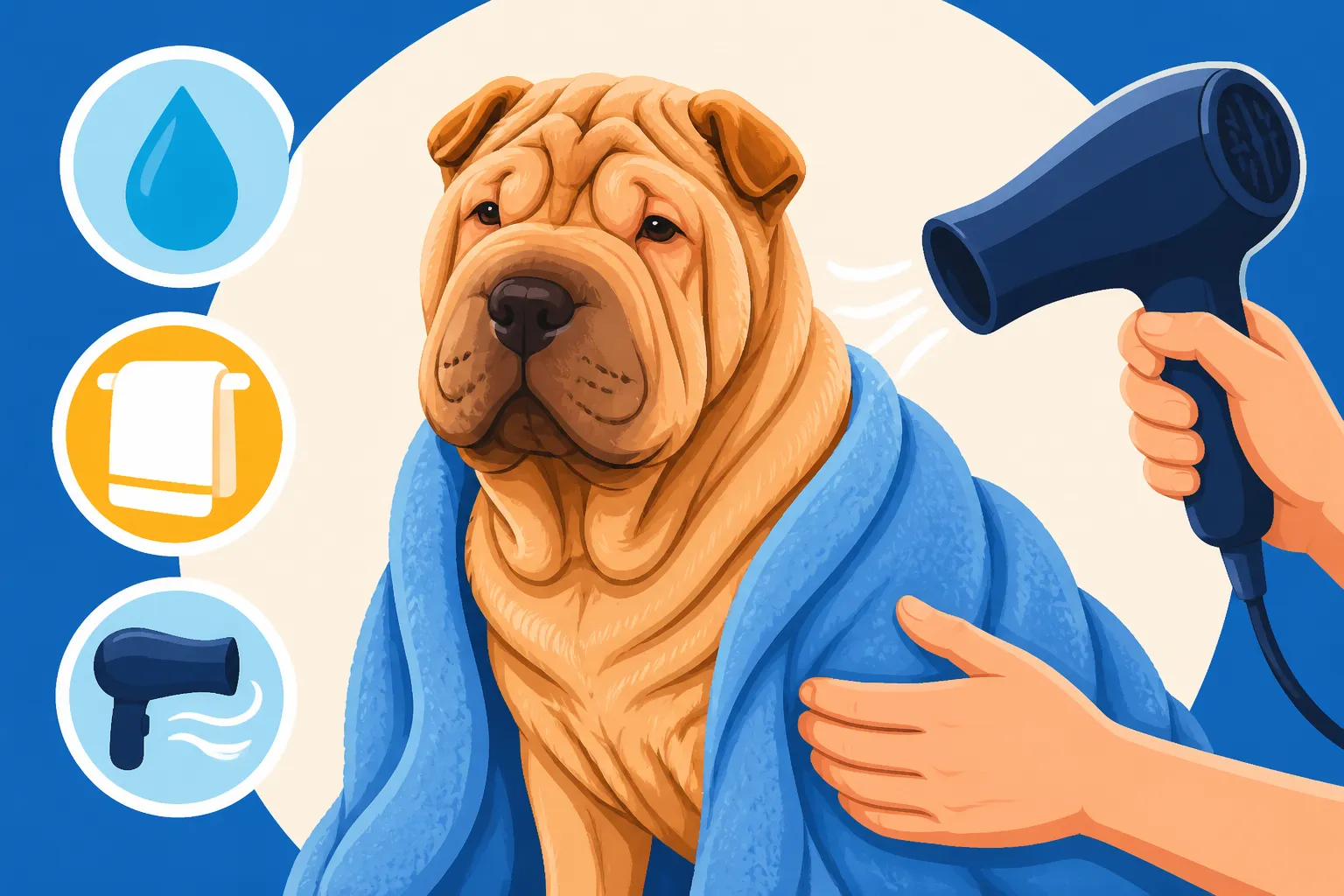
As soon as the bath is over, wrap your Shar Pei in one of those high-absorbency microfiber towels. Don't just rub vigorously; instead, press the towel firmly onto their coat, squeezing out as much water as possible. Work in sections, starting from the head and moving down their body. Use multiple towels if needed. The aim here is to get rid of the dripping wetness and reduce the workload for your blow dryer. Gently pat and squeeze the water from their body, legs, and tail. Pay particular attention to the belly and chest, areas that often hold a surprising amount of water. This stage is about absorption, not friction, to avoid irritating their sensitive skin.
Mastering the Art of Blow Drying
Now for the main event: the pet-specific force dryer. If your Shar Pei isn't accustomed to it, introduce it gradually. Let them sniff it while it's off, then turn it on low away from them, offering treats. Gradually bring it closer. The noise can be startling, but most dogs adjust with positive reinforcement.
Start on a low-heat, medium-speed setting. Hold the nozzle a few inches away from their coat, constantly moving it. Never hold it in one spot for too long, as this can cause discomfort or even burns.
Work systematically:
- Start with the body: Use the dryer to literally push water out of their coat. You'll see the water droplets flying off. Work in small sections, lifting the fur to ensure the air reaches the skin.
- Tackle the legs and tail: These areas can be tricky, especially under the tail and between the toes.
- Address the head last: This is often the most sensitive area. Use a lower speed and focus on pushing air through the wrinkles, but be extremely careful around the eyes and ears. Some Shar Pei might tolerate a smaller, less powerful handheld dryer for the face if the force dryer is too intense.
Think of it as a massage with air. Use your fingers to separate their wrinkles and ensure the air is getting into the deepest crevices. A good technique involves holding a fold taut with one hand and drying deep into the crease with the other. This prevents moisture from getting trapped again as soon as you release the fold.
Special Attention Areas: Folds, Ears, and Paws
These are the problem zones, the places where infections are most likely to brew. Skimping on drying here is a direct invitation to discomfort for your Shar Pei.
Drying the Facial and Body Folds Thoroughly
The facial folds are perhaps the most critical. After initial towel drying, use your fingers to gently separate each fold. With your pet dryer on a low setting, direct the airflow into these crevices, ensuring they are completely dry. You can also use a soft, dry cloth or cotton ball to dab deep into the folds. For deeper body folds, like those around the neck, chest, or tail base, repeat the process. Lift the fold, direct the air, and feel with your fingers to ensure no dampness remains. This is where patience truly pays off. If your dog has a particularly prominent tail fold, remember Whether a Shar Pei's Tail Fold Needs Attention – it absolutely does!
Ensuring Bone-Dry Ears
Shar Pei have notoriously narrow ear canals, making them highly susceptible to ear infections. After bathing, moisture can easily get trapped, especially if water seeped into the canal. Begin by thoroughly drying the outer ear flap with a towel or soft cloth. Then, use cotton balls or pads to gently absorb any visible moisture from the entrance of the ear canal. Never use cotton swabs (Q-tips) inside the ear canal itself, as this can push debris further in or damage delicate structures. If you have a pet dryer, you can direct a very low flow of cool air around the ear opening, but never directly into the canal. A Shar Pei Has the Narrowest Ear Canals of Any Breed and How Often a Shar Pei Gets an Ear Infection underscore why this meticulous care is so important.
Drying Between the Toes and Paw Pads
Don't forget the paws! Moisture trapped between the paw pads and toes can lead to yeast infections or irritating interdigital dermatitis. After towel drying, gently separate each toe and use the pet dryer on a low setting to dry the fur and skin thoroughly. You might be surprised how much moisture can hide here. Feel with your fingers to ensure there's no dampness left. This often-overlooked step is essential for overall paw health and comfort.
Common Drying Mistakes to Avoid
Even with the best intentions, it's easy to fall into habits that aren't ideal for your Shar Pei. Recognizing these common mistakes can help you refine your drying routine and keep your pup healthier.
Using Too Much Heat
One of the biggest culprits is using a human hairdryer or a pet dryer on too high a heat setting. Shar Pei skin is sensitive, and high heat can quickly lead to burns, dryness, or irritation. It also creates a breeding ground for bacteria if the skin gets too warm and damp. Always opt for low or no heat, relying on high airflow to do the work. Remember, the goal is to displace water, not bake it off. If the air feels too hot on your own hand, it's too hot for your Shar Pei.
Rushing the Process
We all have busy lives, but rushing the drying process with a Shar Pei is a false economy. Cutting corners almost guarantees that moisture will be left behind in those critical folds and deep within their dense coat. This leads to the very skin problems you're trying to prevent, costing you more time and money at the vet in the long run. Allocate ample time for a thorough drying session, and consider it part of your Shar Pei's essential grooming routine. Patience and diligence are your best friends here.
Neglecting the Underside and Hidden Folds
It's easy to focus on the top and sides of your Shar Pei, where the wrinkles are most obvious. However, the underside, armpits, groin area, and around the tail are equally susceptible to trapped moisture and skin issues. These areas are often less visible and can be awkward to reach, making them prime spots for dampness to linger unnoticed. Make a conscious effort to lift legs, check under the tail, and feel around the entire body to ensure every crease and cranny is completely dry. Drying Is More Important Than Washing on a Shar Pei isn't an exaggeration; it really is about that follow-through.
Post-Drying Care and Maintenance
Once your Shar Pei is completely dry, your job isn't quite finished. A little post-drying care can go a long way in preventing issues and ensuring their comfort. This maintenance routine helps reinforce all the hard work you just put in.
Checking for Residual Dampness and Irritation
After you’ve put away the dryer and towels, give your Shar Pei a final once-over. Run your hands over their entire body, paying special attention to all the folds – facial, neck, body, and tail. Feel for any lingering dampness. If you find any, grab a fresh, dry microfiber cloth and gently dab the area or use your dryer on a very low, cool setting for a quick touch-up. Also, check for any redness or signs of irritation, especially if they’ve been fidgety during the drying process. Early detection of any sensitivity means you can address it before it becomes a full-blown problem.
Applying Skin Fold Protectants or Wipes (if recommended)
For Shar Pei particularly prone to skin fold dermatitis, your veterinarian might recommend specific protective balms, powders, or medicated wipes. If you use these, apply them only after your Shar Pei is completely dry. These products create a barrier against moisture and inhibit bacterial or yeast growth. Always follow your vet's instructions for application. You might apply a thin layer of a prescribed ointment into specific folds, or use a gentle, antiseptic wipe for routine cleaning between baths. Products like these can sometimes be purchased through your vet or online through pet pharmacy sections of sites like Chewy or Amazon.
Regular Fold Cleaning Between Baths
Proper drying after a bath is crucial, but the work doesn't stop there. Between full baths, especially for Shar Pei with very deep folds, regular spot cleaning and drying of these areas is essential. A quick daily wipe with a soft, damp cloth followed by thorough drying can prevent moisture and debris from accumulating. This is particularly important for facial folds where tear stains or food particles can gather. Think of it as preventative maintenance; a few minutes a day can save you a lot of trouble and expense down the road. How Often a Shar Pei's Folds Need Cleaning really drives home the message that this isn't just a post-bath ritual.
Disclaimer
This article is for general informational purposes only and does not constitute professional advice. Laws, prices and regulations vary by location and change over time. Consult a qualified professional for guidance on your specific situation.