Whether the Shar Pei Could Be Outcrossed
Outcrossing for the Shar Pei breed introduces unrelated genetic material to reduce hereditary health issues and improve diversity.
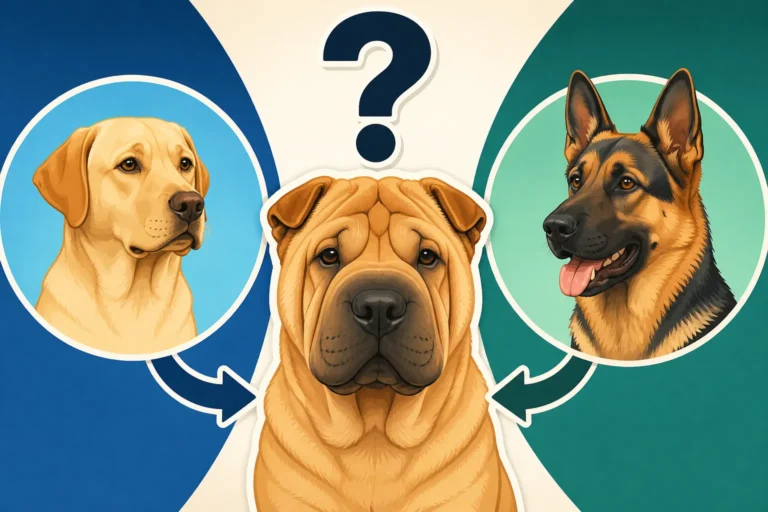
Outcrossing for the Shar Pei breed introduces unrelated genetic material to reduce hereditary health issues and improve diversity.
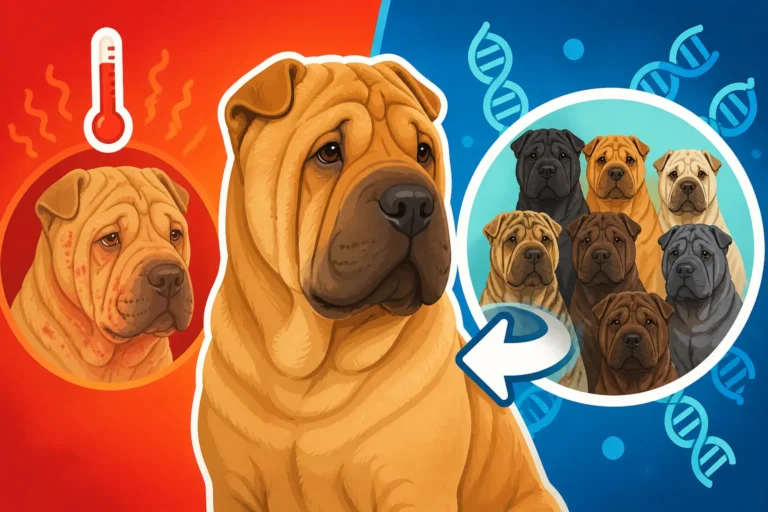
Familial Shar Pei Fever and the HYAL2 gene mutation explain how a wider gene pool could reduce breed health problems.
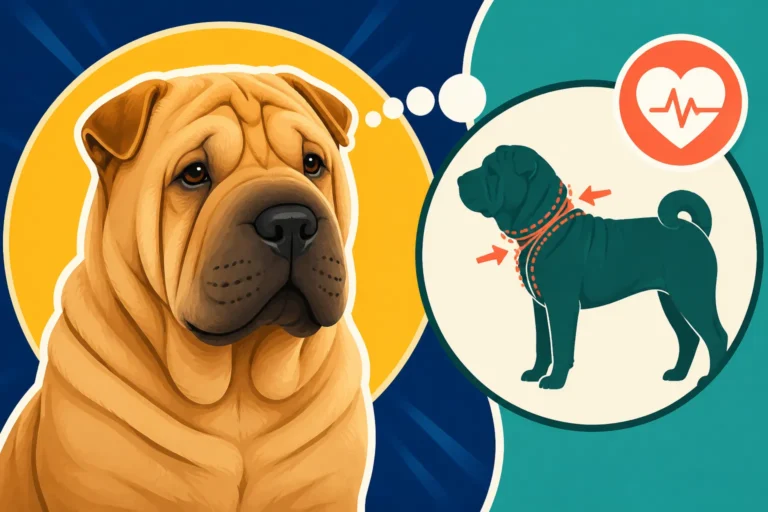
The historical genetic bottleneck affecting sixty surviving Shar Pei dogs explains the breed modern health challenges.
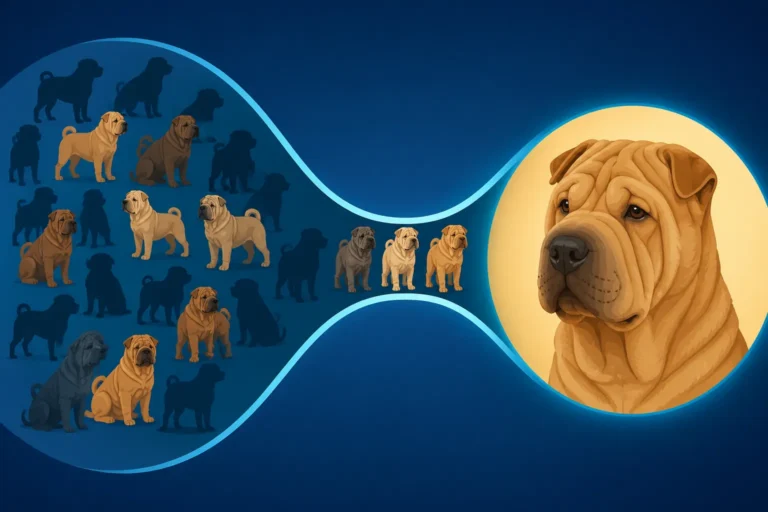
The Shar Pei founding gene pool dropped to fewer than sixty dogs worldwide before international rescue efforts revived the breed.
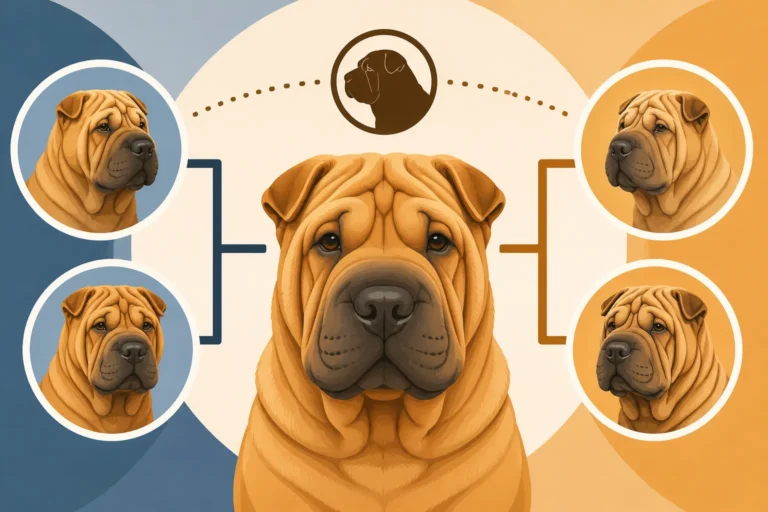
The early American Shar Pei population descended from a tiny group of imported dogs, resulting in close genetic relationships.
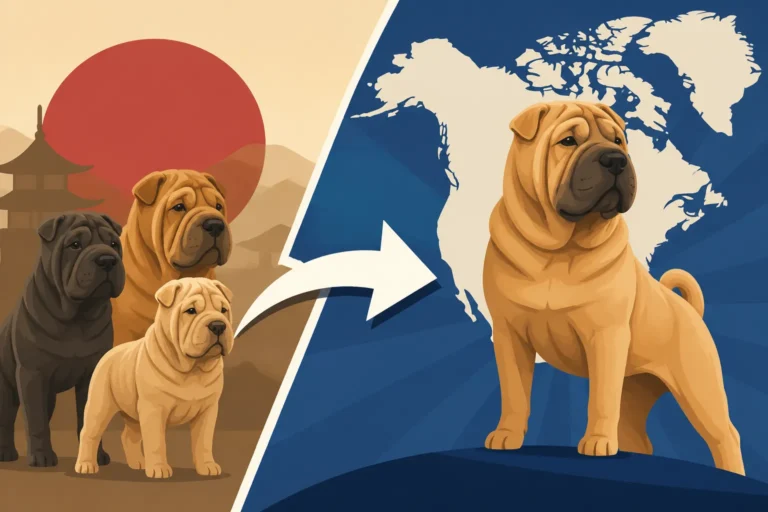
The precise number of Shar Pei dogs brought to America to revive the endangered Chinese breed from extinction.

Shar Pei history reveals whether 1970s rescue efforts by Matgo Law were driven by commercial exploitation or preservation.

Matgo Law wrote a famous 1978 letter detailing the desperate rescue of endangered Shar Pei dogs from extinction.
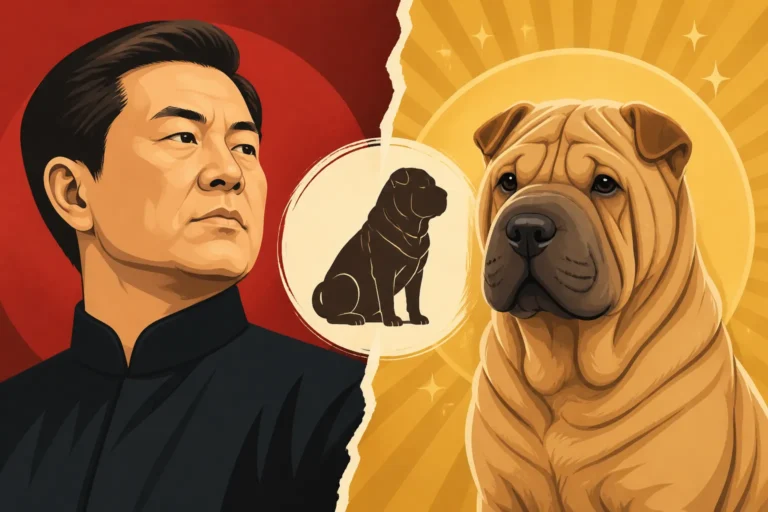
Matgo Law and a dedicated group of individuals saved the Shar Pei from near extinction in mid-twentieth-century China.

Matgo Law lived in Hong Kong during the twentieth century, providing a sanctuary that saved the endangered Shar Pei dog breed.