Whether a Shar Pei Belongs at a Dog Park
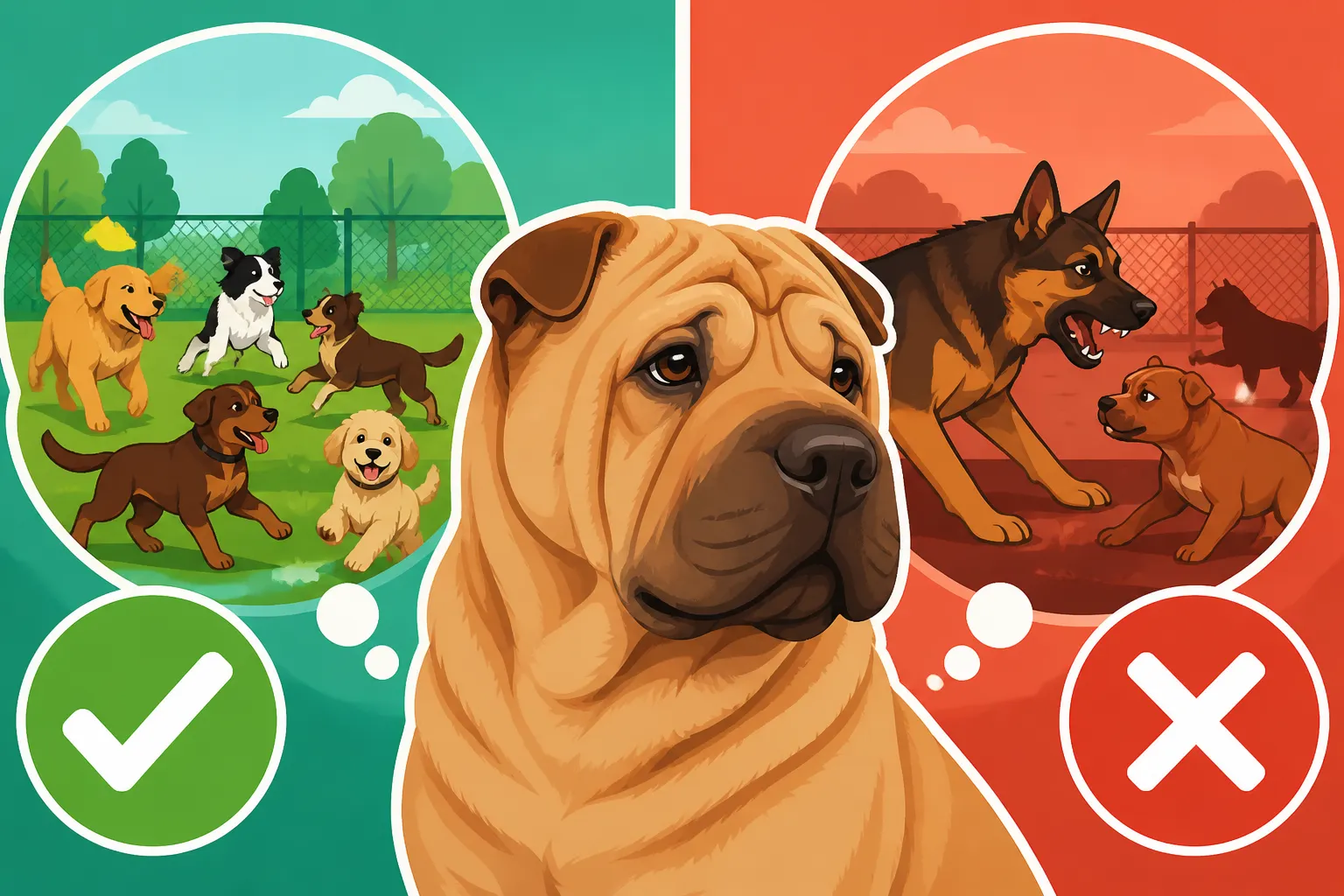
The thought of taking your beloved Shar Pei to a public dog park can be really appealing. You imagine them running freely, making new doggy friends, and burning off all that energy, but for many Shar Pei owners, this idyllic scene often clashes with the reality of their breed's unique quirks and potential challenges. This guide will dive deep into why dog parks might not be the best fit for your Shar Pei, exploring their natural temperament, communication style, and physical needs to help you make an informed decision and find the best ways to keep your wrinkled companion happy and safe.
Understanding the Shar Pei Temperament and Instincts
Shar Pei are a truly unique breed, and understanding their inherent traits is the first step in deciding if a dog park is a good idea. They weren't bred for frolicking in open fields with strangers; their history tells a very different story, one of guarding and independence. This strong heritage shapes how they view the world and interact with other dogs.
The Guardian Nature of the Shar Pei
Originating from China, the Shar Pei was historically bred for a variety of tasks, including hunting, herding, and most notably, guarding. This isn't a Golden Retriever who thinks every stranger is a friend; a Shar Pei's default setting is often one of reserved caution, bordering on suspicion, especially when it comes to unfamiliar dogs or people. They tend to be highly protective of their family and their territory, which includes you and the space around you. In a busy, unpredictable environment like a dog park, this protective instinct can easily be misinterpreted or, worse, triggered by an overly enthusiastic, unknown dog. It's not about aggression for aggression's sake; it's about their ingrained need to assess and protect, and a dog park often provides too many variables for them to feel secure. A Shar Pei Was Bred to Guard, Not to Greet.
When a Shar Pei encounters an unfamiliar dog, especially one that approaches too quickly or without proper canine etiquette, their guardian instincts can kick in. This isn't a breed that’s likely to roll over and invite play with just any dog; they need time to observe and decide if a new interaction is safe. The constant flow of new dogs in a dog park makes this impossible. They’re constantly on high alert, which is exhausting for them and potentially dangerous for others. We have to remember their roots; they were bred to be vigilant, not universally social.
Independent Spirit vs. Group Play
Shar Pei are known for their independent, sometimes stubborn, nature. They're often described as having a "cat-like" personality, choosing when and with whom they want to engage. While they form incredibly strong bonds with their human families, their desire for close-knit, intimate relationships doesn't usually extend to a free-for-all play session with a rotating cast of characters at a dog park. They're not generally motivated by the sheer joy of group play in the same way many sporting or herding breeds might be.
This independence means that a Shar Pei might not seek out interactions at a dog park, preferring to stick close to their owner or observe from a distance. If they are approached by an insistent dog, their independent spirit can translate into a firm refusal to engage, which, again, can be misunderstood by a more boisterous playmate. It’s also important to consider that a dog park environment, with its often chaotic energy, can be incredibly overwhelming for a dog that prefers a more structured, predictable social scene. Their independent streak also means that recall in a high-distraction environment can be particularly challenging, putting them at risk if an interaction goes south.
Shar Pei Communication Style and Socialization Challenges
One of the biggest hurdles for a Shar Pei at a dog park lies in their unique physical characteristics and how these impact their ability to communicate effectively with other dogs. Canine communication relies heavily on subtle facial expressions and body language, and a Shar Pei's signature wrinkles can inadvertently create misunderstandings.
Reading a Wrinkled Face: The Miscommunication Factor
Imagine trying to read someone's mood when half their face is covered. That's a bit like what other dogs experience when interacting with a Shar Pei. Their deep wrinkles, particularly around their muzzle and eyes, can obscure crucial facial cues that other dogs rely on to gauge intent and mood. A tight mouth, a furrowed brow, or subtle eye movements—all vital signals in canine communication—can be lost or muted by the folds of their skin. This can lead to other dogs misinterpreting a Shar Pei's signals, potentially viewing caution as aggression, or simply failing to pick up on warnings. How a Shar Pei's Wrinkles Hide Its Expression.
This miscommunication can be a recipe for disaster in a dog park. A Shar Pei might be giving clear "leave me alone" signals through body language that a Pitbull or a Labrador might miss entirely because of the physical barriers. Conversely, a playful lunge from another dog might be perceived by the Shar Pei as a threat due to the lack of clear, appeasing signals from the other dog, sparking a defensive reaction. It creates a perpetual state of potential misunderstanding, making truly harmonious interactions difficult and stress levels high for all involved.
Socialization Needs Versus Dog Park Free-for-All
Proper socialization for a Shar Pei is absolutely critical, but it's not the same as throwing them into the deep end of a busy dog park. True socialization means carefully introducing them to a variety of sights, sounds, people, and well-mannered dogs in a controlled, positive environment during their critical developmental period. Socialize a Shar Pei Before Twelve Weeks or Pay for It Later. A dog park, with its often unregulated and unpredictable nature, is rarely the ideal place for this crucial early learning, and can actually be detrimental.
For an adult Shar Pei who might already be prone to dog-dog reactivity, a dog park can be a nightmare scenario, reinforcing negative associations and potentially leading to outright aggression. Instead of building confidence, it can erode it, making them more fearful and reactive in future encounters. When considering a Shar Pei and other dogs, it's often observed that Dog to Dog Is the Shar Pei Problem, Not Dog to Person. This means that while they might be indifferent or aloof with human strangers, their interactions with unfamiliar dogs require much more careful management and supervision. Trying to force a Shar Pei into a situation that goes against their natural inclinations and communication style is unfair to them and potentially unsafe for everyone else.
The Physical Limitations and Safety Concerns at Dog Parks
Beyond temperament and communication, Shar Pei have several unique physical attributes that make dog parks inherently risky. Their structure, skin, and susceptibility to certain conditions mean that the rough-and-tumble play of a dog park can lead to injury or exacerbate existing health issues.
Vision Impairment and Startle Reflex
The Shar Pei's charming, deep-set eyes are another feature that significantly impacts their suitability for a dog park. Their heavy brow and skin folds often restrict their peripheral vision, giving them a much narrower field of view compared to many other breeds. This means they literally cannot see other dogs approaching from the sides or behind as easily. Why a Shar Pei Startles: It Cannot See You Coming. Imagine trying to navigate a crowded, unpredictable space with tunnel vision; it’s disorienting and stressful.
This limited peripheral vision contributes to a heightened startle reflex. A dog that suddenly appears in their limited field of vision can easily surprise them, leading to a defensive snap or lunge out of fear, rather than aggression. This isn't a malicious act; it's a natural reaction to being startled when they haven't seen an approach. In a dynamic dog park where dogs run, chase, and change direction constantly, the chances of a Shar Pei being caught off guard are incredibly high, potentially leading to conflicts that could have been avoided if they had better visibility. Their inability to clearly see what's happening around them makes them vulnerable and can turn a supposed fun outing into a terrifying ordeal.
Skin Sensitivity and Injury Risk
The Shar Pei's most iconic feature—their abundant loose skin and wrinkles—is also a significant vulnerability in the rough play often seen at dog parks. While this skin might have offered some protection in their ancient role, in modern dog-on-dog play, it's a huge liability. During any kind of wrestling or even accidental bumps, their loose skin can be easily torn or stretched, leading to deep lacerations and infections. Their skin folds, while adorable, are also prime breeding grounds for bacteria if they get damp or injured, turning a small scrape into a serious skin infection very quickly.
Furthermore, their brachycephalic (short-nosed) tendencies, though less pronounced than some other breeds, and their dense coat, can make them prone to overheating, especially during energetic play on a warm day. Why Heat Limits a Shar Pei's Walk. A dog park offers little control over temperature or exertion levels, and a Shar Pei could quickly become dangerously overheated without an owner even realizing the severity of the situation. Given their potential for respiratory issues and heat sensitivity, pushing them to run and play intensely in an uncontrolled environment poses a real health risk beyond just skin tears.
Alternatives to Dog Parks for Shar Pei Exercise and Socialization
If dog parks are off the table, what can you do to ensure your Shar Pei is well-exercised and properly socialized? Thankfully, there are many fantastic alternatives that cater much better to their specific needs and temperament, allowing them to thrive in safer, more controlled environments.
Structured Playdates and Small Group Activities
Instead of the chaos of a dog park, consider arranging controlled playdates with one or two well-known, calm dogs. Look for friends or family members with dogs who have a proven track record of respectful interactions. These small, supervised gatherings allow your Shar Pei to interact positively without being overwhelmed. You can host them in your own yard or a friend's, where you can control the environment and duration of play. This kind of interaction helps them build confidence in a predictable setting.
Another excellent option is joining a small, organized dog walking group or even a specialty class like nose work or trick training. These activities provide mental stimulation and physical exercise in a structured setting where interactions are managed by an instructor. Places like BAXTER & Bella offer online resources and training programs that can guide you through appropriate socialization methods and help you find safe ways for your dog to learn and interact. This approach prioritizes quality over quantity when it comes to dog-dog interactions, which is much more beneficial for a Shar Pei.
Individual Exercise and Mental Stimulation
For physical exercise, focus on activities you can do one-on-one with your Shar Pei or in less crowded areas. Daily walks, especially during cooler parts of the day, are essential. Remember that An Hour a Day Suits a Shar Pei, and Heat Cuts It Short, so tailor the duration and intensity to their comfort and the weather conditions. Exploring new walking routes can keep things interesting for them. Long lines in a securely fenced, private area can allow them to run and explore safely without the risk of an off-leash park.
Mental stimulation is just as important as physical for an intelligent breed like the Shar Pei. Puzzle toys, snuffle mats, and scent games are excellent ways to engage their minds. Teach them new tricks, practice obedience commands, or even try a structured search game in your yard. These activities build their confidence, strengthen your bond, and provide a healthy outlet for their energy without the stress and risks of a dog park. Many of these items can be found readily on platforms like Amazon, making it easy to equip yourself with engaging enrichment tools.
Preparing Your Shar Pei for Public Interactions
Even if you avoid dog parks, your Shar Pei will still encounter other dogs and people in daily life. Preparing them for these interactions is key to ensuring they remain calm and confident. This involves careful, positive exposure and a focus on building their trust in you as their guide.
Leash Training and Controlled Exposures
Mastering leash manners is paramount for a Shar Pei. A well-trained Shar Pei on a leash is far safer and more manageable in public than one who pulls or reacts unpredictably. Use positive reinforcement methods and high-value treats to make leash training a rewarding experience. Practice walking in various environments, starting with quiet areas and gradually introducing more distractions as your dog builds confidence. If you're struggling, consider enrolling in a basic obedience class with a trainer experienced in independent breeds. These classes offer controlled socialization opportunities where interactions with other dogs are supervised and structured, rather than free-form.
When out and about, be your Shar Pei's advocate. If another dog approaches too quickly or without an owner's control, don't hesitate to politely step in and create space. You can also use commands like "watch me" to redirect your dog's focus onto you, reinforcing that you are the one to look to in uncertain situations. Always carry treats to reward calm behavior when encountering other dogs, building positive associations with these interactions.
Building Confidence and Trust
A confident Shar Pei is a well-adjusted Shar Pei, and this confidence comes from consistent, fair handling and a strong bond with their owner. Engage in regular training sessions, not just for obedience, but to continually build their problem-solving skills and sense of accomplishment. Positive reinforcement helps them understand what you want and makes them eager to please, even with their independent streak. What Motivates a Shar Pei. This bond of trust is invaluable when navigating the outside world.
It's also important to understand What Happens to an Undersocialized Shar Pei. They can become fearful, reactive, and withdrawn, making even simple tasks like vet visits stressful. By focusing on quality, controlled socialization early on, and continuing positive exposure throughout their lives, you can help your Shar Pei develop into a calm, confident companion who can handle public situations without feeling overwhelmed. This might involve carefully managed walks in dog-friendly areas, brief greetings with familiar dogs, or even just observing the world from a distance, all while feeling secure in your presence and guidance.
| Factor | Dog Park Suitability for Shar Pei | Recommended Alternatives |
|---|---|---|
| Temperament | Low: Guarding instincts, independent, not group-oriented | Structured playdates, individual activities, obedience classes |
| Communication | Low: Wrinkles obscure signals, leads to misunderstandings | Controlled one-on-one interactions, professional training |
| Vision | Low: Restricted peripheral vision, high startle risk | Leashed walks in predictable areas, secure long-line runs |
| Physical Vulnerability | Low: Skin tears, overheating risk in rough play | Cooler environment exercise, mental stimulation, careful handling |
| Socialization | Harmful: Unpredictable, negative experiences possible | Early, positive, controlled exposure to well-mannered dogs |
| Owner Control | Minimal to None in uncontrolled environment | Private property, fenced areas, leashed walks with advocate |
Conclusion
Ultimately, whether a Shar Pei "belongs" at a dog park isn't a simple yes or no, but when we weigh their unique history, temperament, communication challenges, and physical vulnerabilities, the scales heavily tip towards no. It's not a judgment on the breed, but an acknowledgment of their specific needs. While the idea of a dog park seems appealing for exercise and socialization, for a Shar Pei, it often presents more risks than rewards, leading to stress, potential conflict, and even injury.
Instead, Shar Pei owners are better served by creating controlled, predictable environments for their dogs. This means carefully chosen playmates, structured training, engaging mental enrichment, and consistent, calm guidance from you. By understanding and respecting what makes a Shar Pei truly tick, you can provide them with a rich, fulfilling life that caters to their natural instincts and keeps them safe, happy, and well-adjusted. Your Shar Pei might not be the life of the dog park party, but they can certainly be the loyal, confident companion you always envisioned, thriving in an environment built just for them.
Disclaimer
This article is for general informational purposes only and does not constitute professional advice. Laws, prices and regulations vary by location and change over time. Consult a qualified professional for guidance on your specific situation.