What Temperature a Shar Pei Is Comfortable In
One of the most profound challenges Shar Pei owners face is simply keeping their beloved wrinkly companions comfortable day in and day out. Their unique physiology, from those adorable folds to their distinct snout shape, means they experience temperature in ways vastly different from many other breeds. This guide will delve deep into understanding your Shar Pei's thermal needs, helping you create an environment where they can truly thrive, free from the stress of being too hot or too cold.
The Unique Thermoregulation Challenges of a Shar Pei
Owning a Shar Pei means understanding that their body isn't designed quite like most other dogs'. Those distinctive features that make them so captivating also introduce specific challenges when it comes to regulating their body temperature. It's not just about looking different; it's about how their very structure interacts with the environment.
Why Their Wrinkles Are More Than Just Cute
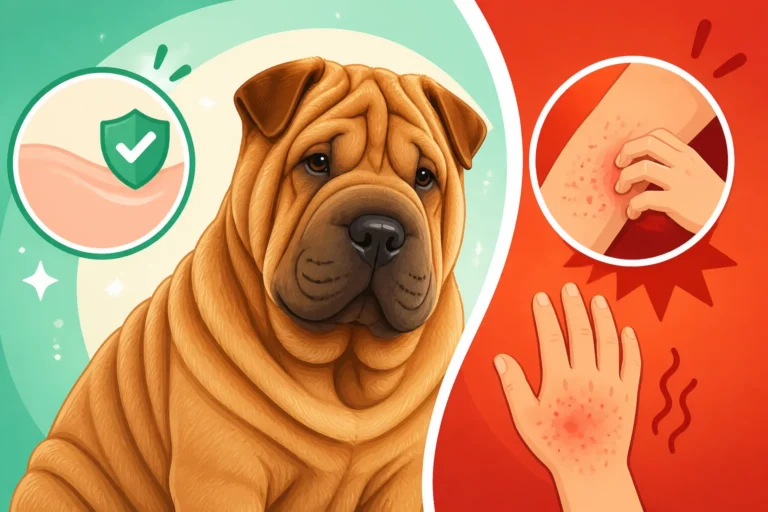
Let's be honest, those luxurious wrinkles are a huge part of the Shar Pei's appeal. They're soft, they're unique, and they make for some incredible puppy pictures. But from a thermoregulation standpoint, they can be a real double-edged sword. Deep skin folds, especially around the face, neck, and body, are notorious for trapping heat. Imagine wearing a heavy, non-breathable blanket that's constantly bunched up against your skin – that's a bit like what a very wrinkly Shar Pei experiences.
These folds significantly reduce the surface area available for heat to dissipate naturally from the skin. Airflow is restricted, and moisture (from sweat, bathing, or even just humidity) can get caught in those valleys, creating a warm, damp microclimate. This isn't just uncomfortable; it can also be a breeding ground for yeast and bacterial infections, which themselves can generate heat and further irritate your dog. It's a constant battle to keep those folds clean and dry, not just for hygiene, but for comfort too.
The Impact of Their Brachycephalic Tendencies
While not as extreme as a Bulldog or Pug, many Shar Pei exhibit what's known as brachycephalic tendencies. This refers to their somewhat shortened snout and flattened face. Dogs primarily cool themselves through panting. When they pant, air passes over the moist surfaces of their tongue and respiratory tract, and as the moisture evaporates, it carries heat away from their body. This is a highly efficient cooling mechanism for most dogs.
However, for a Shar Pei with a shorter muzzle, the mechanics of panting are less efficient. The restricted airways can make it harder for them to move air quickly and effectively, meaning they can't cool down as rapidly as a longer-nosed breed. This makes them particularly susceptible to overheating, especially during exercise or in warm weather. Their breathing might sound heavier or more labored when they're hot, which is a clear sign their body is working harder than it should be to regulate temperature. This issue ties directly into How Easily a Shar Pei Overheats and is a primary reason why heat management is such a critical aspect of their daily care.
Pinpointing the Ideal Comfort Zone for Your Wrinkly Pal
Finding that sweet spot where your Shar Pei is neither too warm nor too chilled is an ongoing process, not a one-time setting. Their comfort isn't just about a number on a thermostat; it's about paying close attention to them as individuals and understanding how their environment affects them.
The Goldilocks Zone: Not Too Hot, Not Too Cold
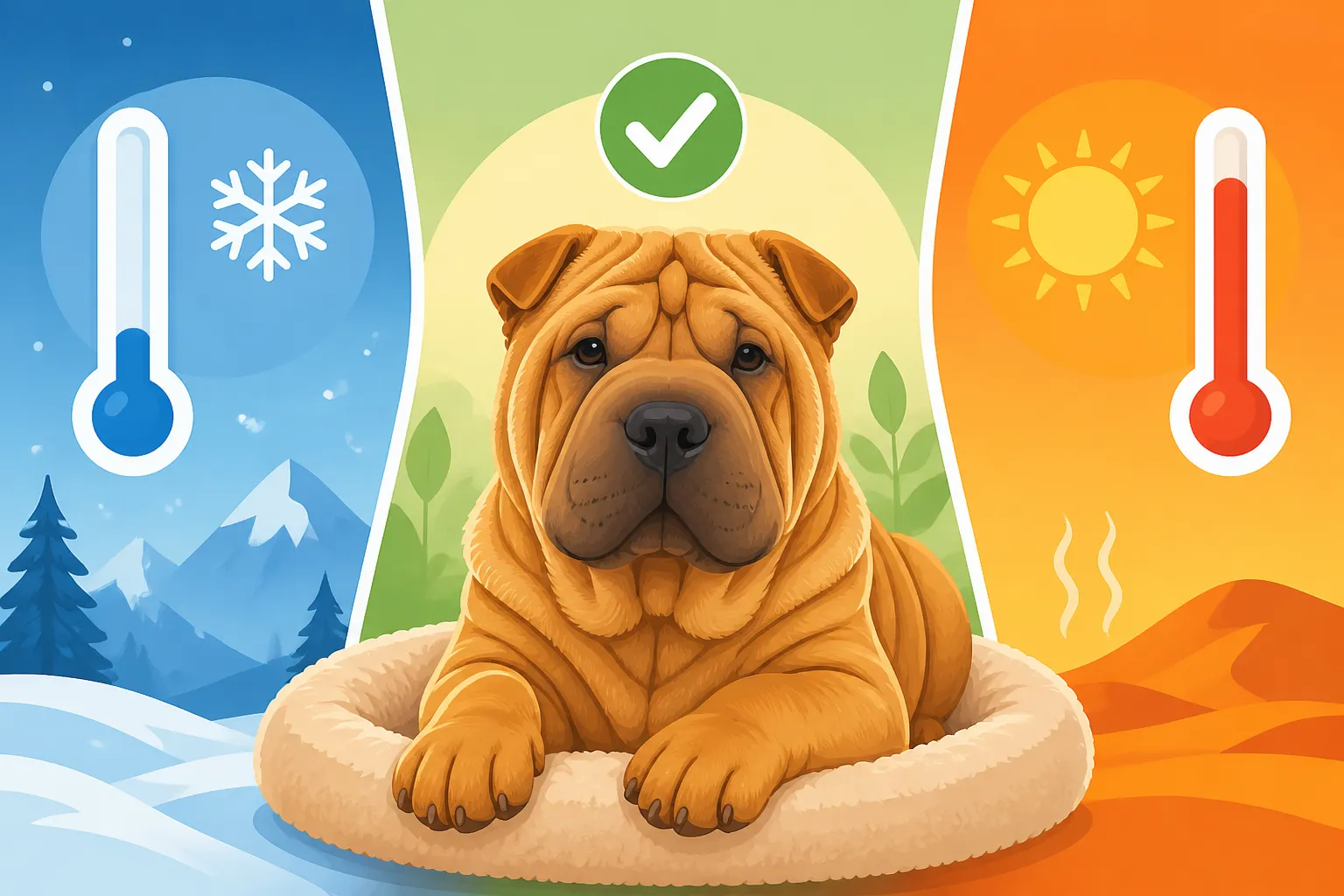
Generally, most Shar Pei thrive in a comfortable ambient temperature range between 65°F (18°C) and 75°F (24°C). Think about the temperature you'd find most comfortable lounging in your home – that's often a good starting point for your Shar Pei, too. Within this range, their body can usually maintain its core temperature without excessive effort, meaning less panting when it's warm and less shivering when it's cool.
Temperatures dipping much below 60°F (15°C) can start to feel chilly for some Shar Pei, particularly those with a very short Horse Coat or older dogs who might have less body fat to insulate them. Conversely, anything consistently above 80°F (27°C) starts to push them into a risky zone where overheating becomes a significant concern. This is especially true if there's high humidity, which makes it even harder for their panting mechanism to work effectively. Remember, these are general guidelines, and your individual dog might have slightly different preferences based on their age, health, and activity level.
How Their Coat Type Influences Temperature Perception
The Shar Pei breed actually comes in a few different coat types, and while all are short, they can have a subtle impact on how your dog experiences temperature. The two most common are the "Horse Coat" and the "Brush Coat."
The Horse Coat is very short, stiff, and prickly, feeling almost like sandpaper. Because it's so incredibly short, it offers less insulation. A Horse Coat Shar Pei might feel the cold more keenly than a Brush Coat, especially in drafty conditions or outdoors in cooler temperatures. They also tend to dry out quickly, which is a blessing in damp conditions, but if they get chilled, that lack of insulating fur means they'll stay cold. On the other hand, the minimal fur might seem like it would help with heat, but the underlying skin folds still trap warmth.
The Brush Coat is slightly longer, softer, and smoother, feeling more like velvet. This slightly longer fur provides a bit more insulation against both cold and heat, acting as a small buffer. However, this extra length can also mean it takes a little longer to dry if it gets wet, increasing the risk of getting chilled or developing skin issues in damp folds. Regardless of coat type, the critical factor remains the inherent challenge of their skin folds and brachycephalic tendencies. Both coat types require diligent care, but knowing which your dog has can help you anticipate their reactions to environmental temperatures.
Recognizing the Early Warning Signs of Temperature Stress
Your Shar Pei can't tell you in words when they're too hot or too cold, but their body language and physical symptoms speak volumes. Learning to read these subtle (and sometimes not-so-subtle) cues is paramount to their well-being and can literally be life-saving. Don't wait for extreme signs; early intervention is always best.
When Your Shar Pei Is Overheating: Beyond Excessive Panting
Excessive panting is, of course, the most obvious sign of overheating in any dog, and it's certainly true for a Shar Pei. But for our wrinkly friends, there are other crucial indicators you need to watch for. If their panting becomes loud, rapid, and labored, almost like they're struggling to catch their breath, that's a red flag. Beyond that, look for changes in their gums – they might appear brighter red than usual, or even bluish if oxygen intake is severely compromised. Their tongue might also look abnormally dark red and swollen.
You might also notice a general lethargy, weakness, or stumbling, as if they're disoriented or uncoordinated. They may seek out cool, tiled floors or try to burrow into shaded areas. Excessive drooling, vomiting, or diarrhea are also serious indicators that their body is in distress. In severe cases, they might collapse, or their eyes might appear glazed over. If you see any of these more advanced symptoms, you need to act immediately. Get them to a cooler environment, offer water, and consider using cool, damp cloths on their neck and armpits. This is when you should consult with your vet, as heatstroke is a life-threatening emergency. What Temperature Is Too Hot for a Shar Pei goes into more detail about critical temperatures, and understanding How Easily a Shar Pei Overheats is crucial for prevention.
When Your Shar Pei Is Too Cold: Subtle Hints
While overheating tends to get more attention for Shar Pei, they can also get uncomfortably cold, especially in specific conditions. The signs of being too cold can sometimes be more subtle than overheating. Obvious shivering is a clear giveaway, but also look for a hunched posture, with their tail tucked low and their body pulled in tight, trying to conserve warmth. They might seem reluctant to move, preferring to stay curled up in a warm spot.
Their ears and paws might feel unusually cold to the touch. If you have a very short-coated Shar Pei, like a Horse Coat, they might even start to shiver indoors if the house temperature drops too low. Older Shar Pei, or those with underlying health conditions, are particularly vulnerable to feeling the cold more acutely. While less immediately life-threatening than heatstroke, prolonged exposure to cold can lead to hypothermia, which is also a serious medical emergency. Ensuring they have a warm, draft-free place to sleep and considering a coat for outdoor winter walks, as discussed in Whether a Shar Pei Needs a Coat in Winter, can make a big difference.
Practical Strategies for Maintaining Optimal Comfort
Ensuring your Shar Pei is always at a comfortable temperature takes a proactive and consistent approach. It’s not just about reacting when they’re too hot or cold, but about setting up their environment and routine to prevent those extremes in the first place.
Cooling Down Your Shar Pei: Active and Passive Methods
When the mercury rises, a Shar Pei needs all the help they can get to stay cool. Passive cooling starts with simple environmental control: always provide plenty of fresh, cool water, and ensure they have access to shaded areas outdoors. If they're in a kennel or crate, make sure it's not in direct sunlight and has good airflow. Limiting exercise during the hottest parts of the day is non-negotiable; try morning or evening walks instead. Remember, Heat Management Is Daily Work With a Shar Pei and should be a top priority.
For active cooling, consider investing in specific products designed for pets. Cooling mats, which often contain gel that activates with pressure, can be a godsend. You can find a wide variety of options for these on platforms like Amazon or Chewy. Cooling vests that you soak in water and then put on your dog can also help by promoting evaporative cooling over their core. Some owners use small fans pointed at their dog's resting area. If your dog is getting too warm, applying cool (not icy!) damp cloths to their neck, armpits, and groin can help bring their temperature down. Never force a severely overheated dog to drink or submerge them in icy water, as this can cause shock.
Warming Up Your Shar Pei: Keeping the Chill Away
While the focus often leans towards cooling a Shar Pei, keeping them warm and cozy when temperatures drop is just as important. Indoors, ensure their sleeping area is away from drafts and elevated off cold floors. A soft, thick bed or a pile of blankets gives them a place to burrow and retain their body heat. For Shar Pei with very short Horse Coats or older dogs who feel the cold more, a dog sweater or coat can be a practical solution, especially if your home gets chilly or they spend time outdoors in cold weather.
If you're heading out for a walk in cooler temperatures, a dog coat can provide that crucial layer of insulation. Just make sure it fits well and doesn't restrict movement or rub their skin folds. Monitor them closely for shivering or reluctance to move, which are signs they're not warm enough. Providing a heated bed for an older or ailing Shar Pei can offer immense comfort and help soothe stiff joints.
The Importance of Environmental Control Indoors
Your home's internal environment plays the biggest role in your Shar Pei's daily comfort. During warmer months, air conditioning is often a necessity, not a luxury, for a Shar Pei. Keeping your home within that ideal 65-75°F (18-24°C) range provides a consistent, safe haven. If you don't have AC, consider using fans strategically to create air movement, but remember fans only circulate air; they don't cool it. In high humidity, a dehumidifier can also make a significant difference, as drier air allows for more effective evaporative cooling through panting.
In colder seasons, maintaining a comfortable indoor temperature and ensuring their resting spots are warm and insulated is key. Consider where their bed is located; is it near a drafty window or door? Moving it to a more sheltered spot can make a world of difference. For dogs who enjoy a bit more seclusion, a covered bed or a soft dog den can create a wonderfully snug retreat. Consistent indoor temperature control reduces stress on their system and allows them to relax without constantly trying to adjust their body temperature.
Everyday Care to Support Temperature Regulation
Beyond managing their immediate environment, a holistic approach to your Shar Pei's daily care can significantly contribute to their ability to regulate temperature and maintain overall comfort. This includes what goes into their body and how you manage their unique skin.
Hydration and Nutrition: More Than Just Food and Water
It might seem obvious, but proper hydration is absolutely critical for a Shar Pei's ability to cool down. Water is essential for all bodily functions, including the evaporative cooling process of panting. Always ensure your Shar Pei has constant access to fresh, clean, cool water. On hot days, adding ice cubes to their water bowl or offering a frozen treat can encourage them to drink more. Some Shar Pei might appreciate a shallow, wide water bowl to avoid getting their facial folds excessively wet, which can lead to skin issues.
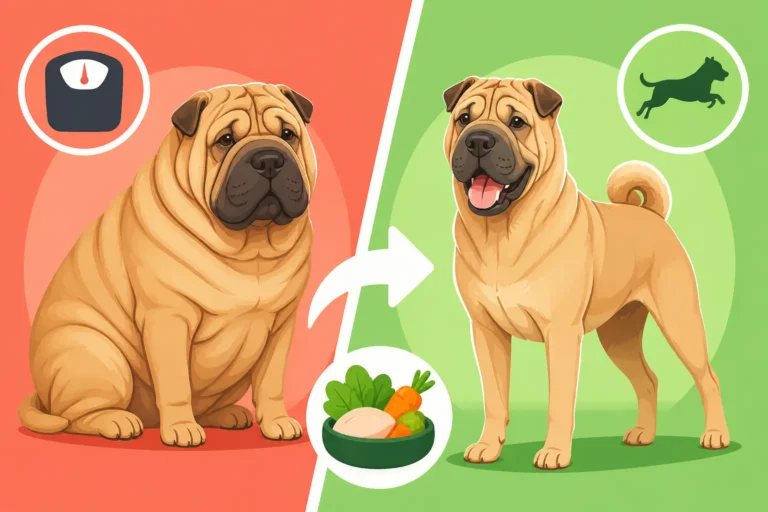
A balanced, high-quality diet also plays an indirect but important role. A dog that is well-nourished and maintains a healthy weight is better equipped to handle environmental stressors, including temperature fluctuations. Obesity can exacerbate heat intolerance by adding an extra layer of insulation and putting more strain on their cardiovascular system. If your Shar Pei has food sensitivities, a specific diet can improve their overall skin health, reducing inflammation that might add to heat retention. Exploring fresh food options, like those offered by Ollie, could be beneficial for some dogs, potentially improving hydration through higher moisture content and supporting overall vitality.
Grooming and Hygiene for Thermal Comfort
Those magnificent wrinkles and their unique skin really are the Shar Pei's largest problem by surface area. Regular grooming and meticulous hygiene are non-negotiable for their comfort and health, especially concerning temperature regulation. Clean, dry skin folds are less likely to harbor bacteria or yeast, which can cause painful infections. These infections not only lead to discomfort, itching, and odor but can also generate localized heat, making your dog feel even warmer.
Regularly cleaning their folds with appropriate wipes or a damp cloth, followed by thorough drying, prevents moisture and debris from building up. You can find excellent, gentle fold-cleaning wipes and solutions on Chewy or Amazon. Pay particular attention to the facial folds, neck wrinkles, and the tail base. Remember, Drying Is More Important Than Washing on a Shar Pei because moisture left behind is a primary culprit for skin issues. While baths help keep them clean, they need to be followed by meticulous drying to prevent chilling or skin irritation. How Often a Shar Pei's Folds Need Cleaning depends on the individual dog and their wrinkle depth, but it's often a daily or every-other-day task.
Knowing When to Call the Vet
While diligent home care can prevent many issues, there will be times when professional veterinary intervention is necessary. If your Shar Pei is showing severe signs of overheating like collapse, persistent vomiting, diarrhea, or difficulty breathing, immediate veterinary care is essential. Heatstroke can be fatal very quickly. Similarly, if they are severely lethargic, unresponsive, or experiencing prolonged shivering in cold weather, it's time for a vet visit to rule out hypothermia or other cold-related issues.
Even less dramatic signs, such as persistent skin irritation or unusual odors coming from their folds despite regular cleaning, warrant a trip to the vet. These could be signs of underlying infections that are making your dog chronically uncomfortable and affecting their ability to regulate temperature. Don't underestimate What a Shar Pei's Skin Tells You Before Its Behavior Does; sometimes skin changes are the first clue that something is amiss internally or externally. Your vet can provide tailored advice, prescribe appropriate treatments, and help you establish a routine that keeps your unique Shar Pei as comfortable and healthy as possible throughout the year.
Here's a quick reference for Shar Pei temperature comfort zones:
| Temperature Range | Shar Pei Comfort Level | Recommended Action |
|---|---|---|
| Below 40°F (4°C) | Dangerously Cold | Limit outdoor time significantly. Use a warm coat/sweater for short potty breaks. Provide heated indoor bedding. |
| 40-60°F (4-15°C) | Cool to Chilly | Generally comfortable for walks, but monitor for shivering. Consider a light coat, especially for Horse Coats. |
| 60-75°F (15-24°C) | Ideal Comfort Zone | Most Shar Pei are very comfortable. Normal activity is fine. Ensure fresh water is always available. |
| 75-85°F (24-29°C) | Warm to Hot | Limit strenuous activity. Provide plenty of shade & water. Cooling mats/vests can be very beneficial. |
| Above 85°F (29°C) | Dangerously Hot | Avoid all but essential outdoor time. Keep indoors with AC. Monitor closely for signs of overheating. Emergency Risk. |
Disclaimer
This article is for general informational purposes only and does not constitute professional advice. Laws, prices and regulations vary by location and change over time. Consult a qualified professional for guidance on your specific situation.