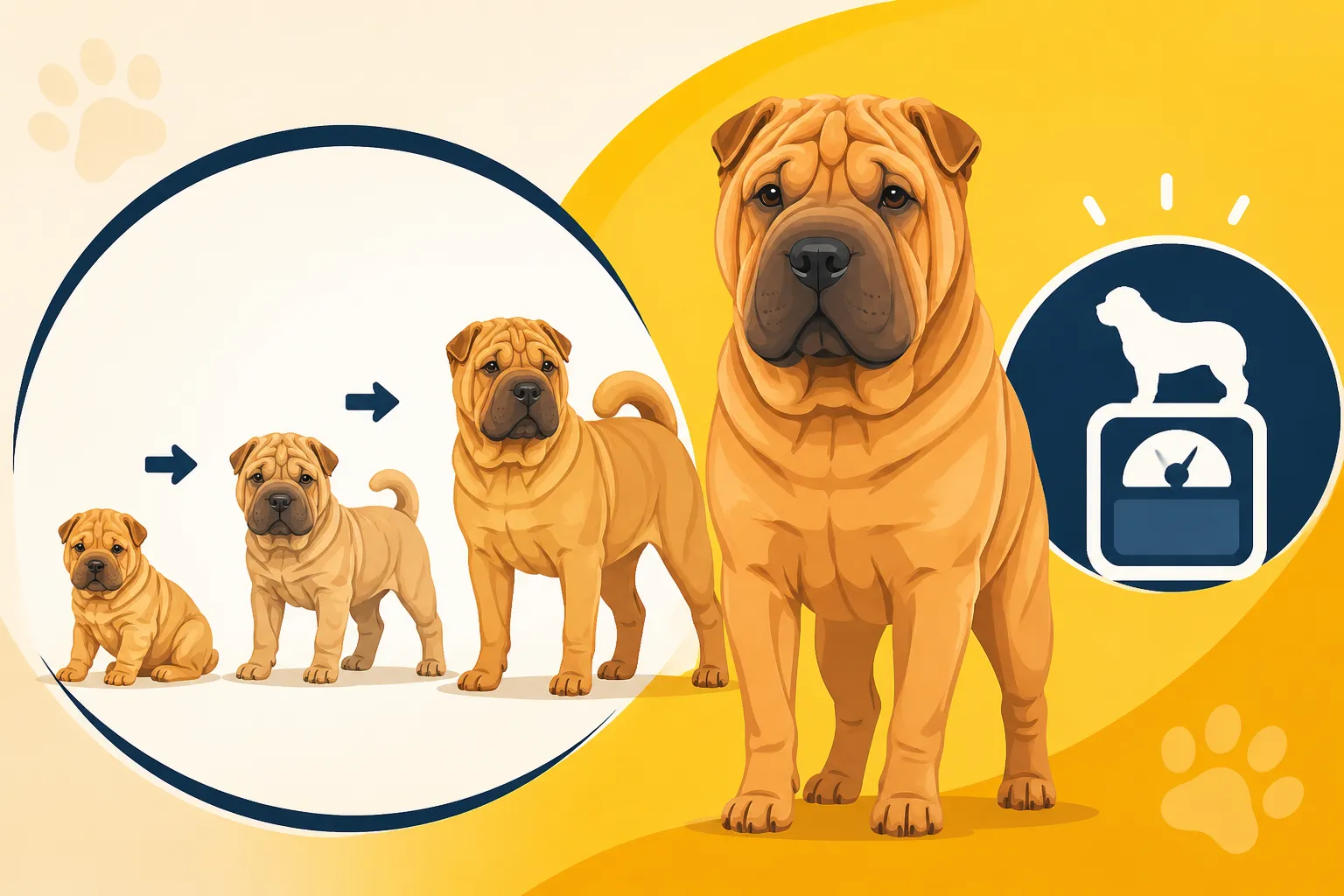
The Age a Shar Pei Reaches Full Weight
One of the most common anxieties for a new Shar Pei owner is watching their puppy grow, trying to figure out if they're "on track" or if those adorable rolls mean they're getting too big too fast. It's truly a balancing act between the expected breed standard and the unique journey of your individual dog. This comprehensive guide will walk you through the typical growth phases of a Shar Pei, help you understand what "full weight" actually means for this distinctive breed, and provide practical advice on how to monitor their development to ensure they're healthy and thriving as they mature.
Understanding Shar Pei Growth Stages
Just like with human children, a Shar Pei's journey from tiny, wrinkly pup to dignified adult is broken down into several key stages, each with its own physical and developmental milestones. It's never a straight line, and you'll see spurts and plateaus that can sometimes make you wonder what's normal.
Puppyhood: Rapid Changes
The first few months of a Shar Pei's life are a whirlwind of growth. From eight weeks when they typically come home, up to about six months, they're growing at an incredible rate. Their bones are lengthening, their muscles are developing, and those famous wrinkles are often at their most prominent, making them look almost cartoonish. During this time, proper nutrition is paramount, but it's not about making them grow as fast as possible. Instead, it's about providing a balanced diet that supports healthy, steady growth without putting undue stress on their developing joints. You might notice your puppy seeming to grow into their skin a bit, then suddenly have another growth spurt where those wrinkles return with a vengeance. This is all part of the process.
Many new owners wonder How Fast a Shar Pei Puppy Should Grow, and while there are averages, individual variations are significant. You might get a chart from your breeder, but remember that every puppy is unique. Frequent, small meals of high-quality puppy food are crucial, as their tiny stomachs can't handle large quantities but their energy needs are high. This stage is also when you're establishing foundational habits, including healthy eating patterns, which will impact their weight later on.
Adolescence: Filling Out
Once your Shar Pei hits around six months, that breakneck pace of puppy growth usually starts to slow down a little, but they are far from done. This adolescent period, often lasting until 18 months or even two years of age, is when they start to "fill out." They gain muscle mass, their chest broadens, and they might start to lose some of that exaggerated puppy wrinkle, especially on their body, settling into the more defined wrinkles typically seen in adult Shar Pei. This is where their lean muscle mass increases, and their frame truly solidifies.
It's a time when many owners start to transition their pups from puppy food to adult formulas. When a Shar Pei Moves to Adult Food is a common question, and generally, around 12-18 months is a good guideline, though larger or slower-maturing individuals might benefit from puppy food a little longer. Pay close attention to their body condition during this phase. They're still growing, but the type of growth is changing. They need sustained energy and nutrients to build strong bones and muscles, not just to add bulk. This stage can be tricky because their appetite might remain high, but their caloric needs per pound of body weight are actually decreasing compared to peak puppy growth.
Adulthood: The Plateau
Most Shar Pei reach their full skeletal size by 12-18 months of age, but they often continue to put on muscle and mature in terms of weight and overall body condition until they are around two years old. This is the age when a Shar Pei truly reaches its full, mature weight. While their height might be set earlier, their lean body mass and the final "filling out" of their frame often continue into their second year. So, while you might think your dog is fully grown at one year, they're still likely to gain a few more pounds of muscle and density.
After two years, their weight should stabilize. Any significant fluctuations after this point, barring pregnancy or illness, usually indicate changes in diet, exercise, or health. It's crucial to understand that "full weight" doesn't mean "heaviest weight." It means the ideal, healthy weight for their individual frame and build. Just like people, some Shar Pei are naturally stockier, others leaner, even within the same breed standard. Regular check-ins with your vet are important to ensure they maintain this healthy adult weight.
Factors Influencing Your Shar Pei's Mature Weight
While you can't control genetics, several factors play a huge role in determining your Shar Pei's final weight and overall body condition. Being aware of these can help you manage your dog's health more effectively.
Genetics and Lineage
The genetic blueprint inherited from their parents plays the most significant role in determining your Shar Pei's adult size and build. Just like children often resemble their parents, a Shar Pei puppy will likely have a similar frame and general size to its sire and dam. If both parents are larger, stockier Shar Pei, your puppy is more likely to grow into a similar adult. Conversely, if the parents are on the smaller, leaner side of the breed standard, you can expect your pup to follow suit.
This is why choosing a reputable breeder is so important. A good breeder will be transparent about the size and health history of their breeding stock and can give you a reasonable estimate of what to expect from your puppy's adult weight. They can share information about What an Adult Shar Pei Weighs on average, but also within their specific lines. Different lines might produce slightly different sizes and builds. Some "Meat Mouth" Shar Pei tend to be heavier and more substantial than the "Bone Mouth" type, for example. Understanding your dog's genetic background provides a solid baseline for managing their weight expectations.
Nutrition and Diet
What you feed your Shar Pei, from puppyhood right through to adulthood, has a profound impact on their growth and final weight. Overfeeding a puppy in an attempt to make them bigger, or feeding a diet too rich in calories without appropriate exercise, can lead to excessive weight gain. This isn't healthy, especially for a growing puppy, as it can put stress on developing joints and exacerbate potential breed-specific health issues.
A balanced diet, appropriate for their life stage and activity level, is key. If you're feeding a commercial kibble, ensure it's a high-quality brand that meets AAFCO standards. For those considering fresh food options, services like Ollie offer customized meal plans that can be beneficial for managing weight and providing optimal nutrition. If your Shar Pei has specific dietary sensitivities, which is not uncommon for the breed, a limited ingredient diet might be necessary. Whether a Shar Pei Needs a Limited Ingredient Food is a question many owners face, often driven by skin issues or digestive upset. Whatever food you choose, portion control is crucial. Use a measuring cup and stick to recommended serving sizes, adjusting based on your dog's activity level and body condition. Too many treats, or sharing human food, can quickly add unwanted pounds.
Exercise and Lifestyle
A Shar Pei's activity level directly correlates with their weight. A well-exercised Shar Pei is more likely to maintain a healthy weight and muscle tone. While they aren't marathon runners, they do need regular, moderate exercise. An hour a day of walking, playtime, or mental stimulation is generally a good target, often broken into two shorter walks. However, remember that Shar Pei are sensitive to heat due to their unique facial structure and coat, so always adjust exercise based on weather conditions. How Much Exercise a Shar Pei Needs will fluctuate, particularly as they age or if they have certain health conditions like Familial Shar Pei Fever Is Not an Infection.
A sedentary lifestyle, combined with free-feeding or overfeeding, is a recipe for an overweight dog. Lack of exercise can lead to muscle loss and fat gain, even if the dog isn't eating excessively. It's about balancing caloric intake with caloric output. Consistent daily activity, even if it's just a brisk walk around the block and some indoor play, helps keep their metabolism healthy and their weight in check. For those in apartment living, mental stimulation like puzzle toys or training sessions can supplement physical activity when outdoor options are limited or weather is extreme.
What "Full Weight" Means for a Shar Pei (and why it matters)
It's easy to get caught up in numbers on a scale, but for a Shar Pei, "full weight" isn't just about hitting a specific number. It's about achieving a healthy, mature body condition that supports their overall well-being.
Breed Standard vs. Individual Health
The breed standard for a Shar Pei typically describes a moderately sized, compact dog, often within a certain weight range (e.g., 45-60 pounds for an adult). However, these are guidelines, not strict rules. There will always be individual variation. A healthy "full weight" for your Shar Pei might be at the lower or higher end of the standard, or even slightly outside it, depending on their unique frame. For example, a taller, leaner Shar Pei might be perfectly healthy at 40 pounds, while a more compact, muscular one could be 65 pounds and also be in excellent condition.
The most important thing is your dog's body condition score, not just the number on the scale. Can you feel their ribs easily without seeing them protruding? Do they have a discernible waist when viewed from above? Is there an abdominal tuck when viewed from the side? These visual and tactile cues are often more telling than a static weight figure. Your veterinarian is the best resource for assessing your Shar Pei's ideal body condition. They can help you determine if your dog is Signs a Shar Pei Is Overweight or underweight, and create a plan to get them to their optimal health.
Why Overweight is a Problem for Shar Pei
An overweight Shar Pei faces a myriad of health risks, some of which are particularly concerning for this breed. Excess weight puts additional strain on their joints, potentially worsening conditions like hip or elbow dysplasia, even if they're not a commonly afflicted breed. More critically, for a Shar Pei, extra fat can exacerbate skin fold dermatitis because folds become deeper and trap more moisture and debris. This creates a perfect breeding ground for yeast and bacterial infections, leading to discomfort, itching, and expensive veterinary bills.
Being overweight can also contribute to breathing difficulties, especially in Shar Pei with more prominent "meat mouths," as extra fat around the neck and chest can compress airways. It also increases the risk of diabetes, heart disease, and can even shorten their lifespan. Furthermore, it can complicate the management of Familial Shar Pei Fever Is Not an Infection, as an overweight dog may struggle more during a fever episode and be less resilient. Preventing obesity is far easier and healthier than trying to get Getting Weight Off a Shar Pei once the pounds have piled on. Proactive management of their diet and exercise is an act of love that contributes directly to their quality of life.
Monitoring Your Shar Pei's Weight and Health
Keeping an eye on your Shar Pei's weight is an ongoing responsibility that pays dividends in their long-term health and happiness. It's not just about annual vet visits; it's about regular home checks and knowing when to seek professional advice.
Regular Weigh-Ins and Body Condition Scoring
Once your Shar Pei has reached their full adult weight, usually around two years old, consistent monitoring becomes critical. Aim for monthly weigh-ins at home if you have a suitable scale, or during routine trips to the vet or even some pet supply stores like Chewy or your local feed store often have scales available. Keep a log of their weight to track any trends. More importantly, get comfortable with body condition scoring (BCS). This involves feeling your dog's ribs, spine, and waist.
A dog with an ideal BCS will have ribs that are easily felt but not seen, a visible waist when viewed from above, and an abdominal tuck when viewed from the side. If you can't easily feel their ribs without pressing, or if they have no discernible waist, it's a red flag. Conversely, if ribs are sharply visible or hip bones protrude, they might be underweight. Learning to "read" your dog's body can tell you more about their true condition than the number on the scale alone.
| Body Condition Score | Ribs | Waist | Abdominal Tuck | General Appearance |
|---|---|---|---|---|
| 1: Emaciated | Easily visible, no fat cover | Extreme | Obvious | Severe muscle loss, prominent bones |
| 2: Very Thin | Easily felt, minimal fat cover | Marked | Apparent | Minimal fat, some muscle loss |
| 3: Thin | Easily felt, slight fat cover | Clearly visible | Good | Ribs palpable, slight abdominal tuck |
| 4: Ideal | Easily felt, thin fat cover | Well-proportioned | Present | Ribs palpable with slight pressure, distinct waist, lean muscle mass |
| 5: Overweight | Difficult to feel, moderate fat cover | Present, but slight | Minimal | Ribs felt with firm pressure, waist less apparent, slight fat deposits over lumbar area |
| 6: Obese | Very difficult to feel, heavy fat cover | Absent | Absent | Ribs covered by thick fat, no waist, heavy fat deposits over base of tail and back |
When to Consult Your Vet
Don't hesitate to reach out to your veterinarian if you notice significant, unexplained weight changes, either up or down, especially after your Shar Pei has reached their full adult weight. Unexpected weight loss can be a sign of underlying health issues, including kidney disease (Why a Shar Pei's Kidneys Need Watching From Two Years Old), dental problems, or other serious conditions. Rapid weight gain, despite consistent diet and exercise, can also indicate metabolic issues like Signs a Shar Pei's Thyroid Is Low.
Your vet can help you assess your dog's current condition, review their diet and exercise routine, and recommend any necessary adjustments or diagnostic tests. They can guide you on portion sizes, discuss suitable food options, and help you understand how factors like Whether a Neutered Shar Pei Gains Weight might affect your Shar Pei. Remember, proactive health management, especially concerning weight, is one of the best ways to ensure your unique and beloved Shar Pei lives a long, healthy, and comfortable life.
Disclaimer
This article is for general informational purposes only and does not constitute professional advice. Laws, prices and regulations vary by location and change over time. Consult a qualified professional for guidance on your specific situation.