What an Adult Shar Pei Weighs
It’s a common worry for Shar Pei owners, isn't it? You look at your beloved, wrinkly companion and wonder, "Are they the right size? Are they carrying too much, or not enough, weight?" It’s tricky because their unique build and those beautiful folds can hide a lot. This guide is here to help you understand the typical weight range for an adult Shar Pei, what influences it, and how to tell if your dog is at a healthy weight, so you can keep them thriving for years to come.
Understanding the Typical Weight Range for an Adult Shar Pei
When we talk about the weight of an adult Shar Pei, it's important to remember that there isn't a single, rigid number. Like us, dogs come in a range of sizes and builds, even within the same breed. However, there are established breed standards that give us a good benchmark for what’s generally considered healthy.
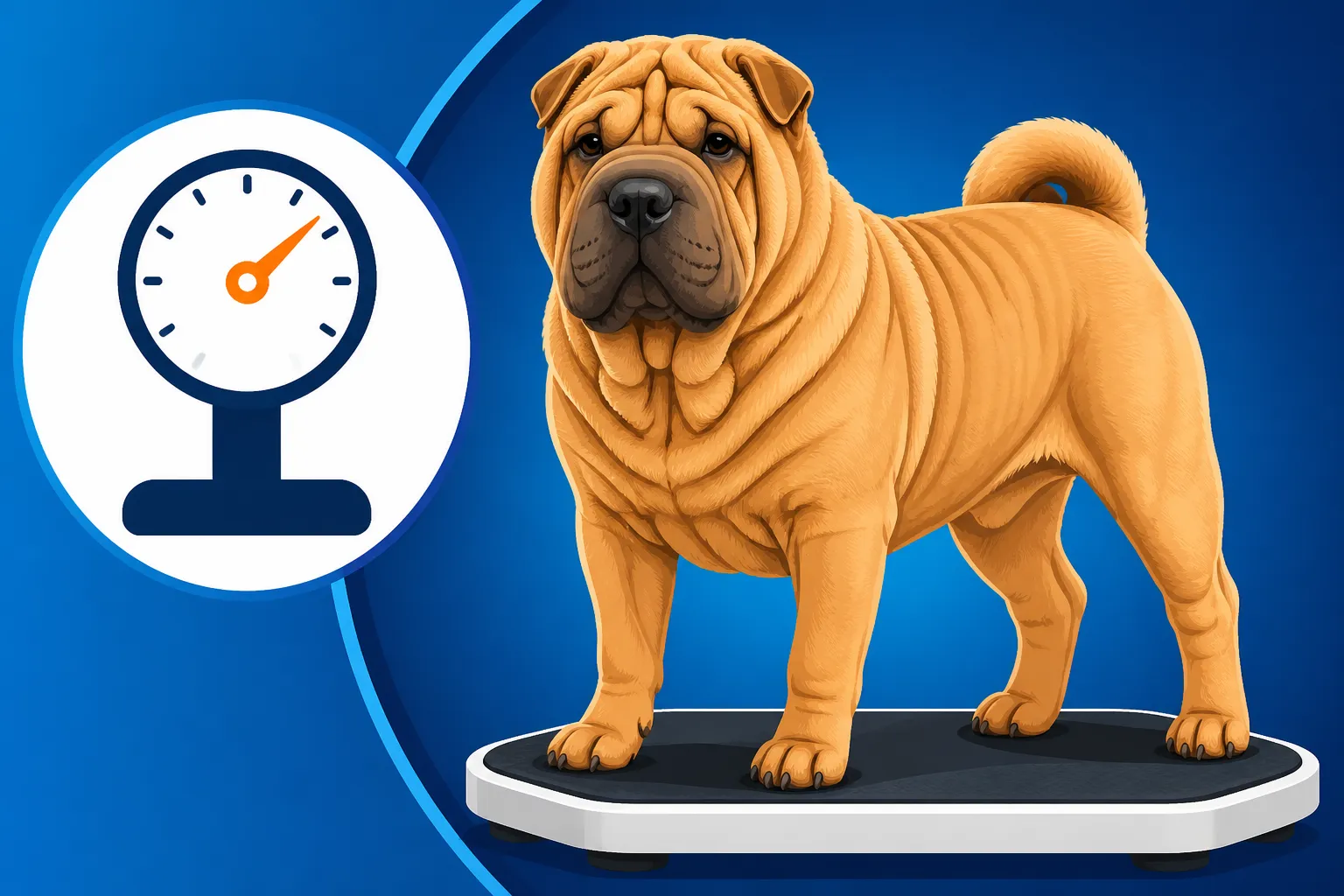
Most adult Shar Pei typically fall within a weight range of 45 to 60 pounds (approximately 20 to 27 kilograms). This range can vary slightly depending on whether you have a male or a female, and also on their individual genetics and lineage. Males tend to be on the higher end of this range, often weighing between 55 to 60 pounds, while females usually sit comfortably between 45 to 55 pounds.
This might seem like a fairly broad spectrum, and it is! It accounts for natural variations in bone structure and muscle mass. Some Shar Pei are more compactly built, while others might be a bit leaner. The key is to look at your dog’s overall body condition rather than just fixating on a number on the scale. For instance, a very muscular 55-pound female might be perfectly healthy, while a less athletic 55-pound female could be carrying a little extra. It's truly about proportion and condition. Understanding The Age a Shar Pei Reaches Full Weight can also give you context, as puppies will naturally weigh less and gradually fill out. You'll notice that Whether a Shar Pei Puppy Grows Into Its Skin is a common observation as they mature.
Factors Influencing Your Shar Pei's Adult Weight
The final adult weight of your Shar Pei isn't just a roll of the genetic dice; it's a dynamic interplay of several factors. Owners often find themselves wrestling with these elements to ensure their dog stays within a healthy range.
Genetic Predisposition and Breed Type
Genetics play a huge role, naturally. The Shar Pei breed itself has some variations that can influence size and build. For example, there's talk of "bone mouth" and "meat mouth" types. Historically, the "bone mouth" Shar Pei tended to be a bit lighter and more agile, while the "meat mouth" type, with its more padded muzzle and perhaps more substantial body, might naturally trend towards the higher end of the weight spectrum. It's a subtle difference, but one that dedicated enthusiasts often discuss. Understanding What a Meat Mouth Shar Pei Is and What a Bone Mouth Shar Pei Is can give you more insight into these nuances. Even within these types, individual parentage will dictate a lot about your dog's likely mature size.
Diet and Nutritional Intake
This is probably the most controllable factor in your Shar Pei's weight. What you feed them, how much you feed them, and how often all contribute significantly. An adult Shar Pei needs a balanced diet formulated for their size and activity level. Overfeeding, even slightly, over months and years, can lead to substantial weight gain. Just a few extra kibbles each meal can really add up.
It's not just about the quantity of food, but also the quality. Foods high in fillers or excessive calories can contribute to weight issues. Owners sometimes struggle to find the perfect balance, especially with a breed that can sometimes have sensitive stomachs or allergies. Trying different reputable brands, perhaps from a platform like Chewy, allows you to find one that suits your Shar Pei’s specific needs. If you’re curious about specific amounts, you might want to delve into How Many Cups a Day an Adult Shar Pei Eats.
Exercise Levels and Activity
A Shar Pei, despite its somewhat regal and sometimes lazy demeanor, still needs regular exercise. While they aren't typically marathon runners, they do require daily walks and opportunities for mental and physical stimulation. A sedentary Shar Pei is much more prone to weight gain than one that gets consistent activity. This can be a challenge, especially if you live in a climate where heat limits outdoor activity, as Shar Pei can overheat easily due to their brachycephalic tendencies and dense coats.
Even 30-60 minutes of moderate activity, split into two walks a day, can make a huge difference. Without enough activity, even a perfectly portioned diet can lead to a creeping increase in weight. It's also worth remembering that as they get older, their exercise needs might change, but the importance of movement remains. For more details on this, check out How Much Exercise a Shar Pei Needs.
Health Conditions
Underlying health issues can also impact a Shar Pei’s weight, sometimes in unexpected ways. For instance, hypothyroidism, a condition where the thyroid gland doesn't produce enough hormones, is not uncommon in Shar Pei. One of the classic signs of hypothyroidism is unexplained weight gain, even when diet and exercise remain consistent. If you suspect your Shar Pei is gaining weight without a clear reason, it's always worth a vet visit to rule out such conditions. Signs a Shar Pei's Thyroid Is Low can provide more information on what to look for.
Other conditions that might affect appetite or metabolism could also play a role, although less commonly related to weight gain. Conversely, some Shar Pei may struggle to maintain weight if they have chronic illnesses or malabsorption issues, though this is less frequent.
Spay/Neuter Status
It's a common observation, and often a frustration for owners: dogs, particularly females, can sometimes gain weight after being spayed or neutered. This isn't because the procedure itself makes them fat, but rather because it alters their metabolism and can slightly reduce their energy requirements. Many owners find their Shar Pei needs a slight adjustment in food intake or an increase in activity to counteract this metabolic shift post-procedure. It’s a subtle change, but one that can lead to noticeable weight gain over time if not addressed. The article Whether a Neutered Shar Pei Gains Weight goes into more depth on this specific issue.
Recognizing a Healthy Weight vs. Under or Overweight
Identifying whether your Shar Pei is at a healthy weight isn't always as simple as looking at them, thanks to those charming wrinkles! Many owners are accustomed to seeing very heavily folded Shar Pei, and might mistakenly assume a rounder body is normal. This is why using a body condition score (BCS) is far more reliable than just looking or relying solely on the number on the scale.
The Body Condition Score (BCS)
The BCS is a visual and tactile assessment of your dog's body fat. It's usually scaled from 1 (emaciated) to 9 (obese), with 4-5 being ideal.
- Ribs: Can you easily feel your Shar Pei's ribs without pressing hard? They shouldn't be visibly sticking out (underweight), but you should be able to feel them distinctively, like knuckles under a thin blanket, not lost under a thick mattress.
- Waist: When you look down at your Shar Pei from above, do they have a noticeable "tuck" or indentation behind their ribs? An ideal Shar Pei will have a discernible waist, even with their loose skin. If they look like a solid cylinder from head to tail, they're likely overweight.
- Abdominal Tuck: From the side, does their belly tuck up slightly from their chest to their hind legs? It shouldn't hang low or be distended.
- Spine: You should be able to feel the tops of their vertebrae with light pressure. If they protrude sharply, your dog is likely too thin. If you can't feel them at all, they're likely overweight.
Here's a simplified guide for assessing your Shar Pei's body condition:
| Feature | Underweight (BCS 1-3) | Ideal Weight (BCS 4-5) | Overweight (BCS 6-9) |
|---|---|---|---|
| Ribs | Easily visible, sharp to the touch | Easily felt without heavy pressure, slight fat cover | Hard to feel, covered by thick layer of fat |
| Waist | Extreme hourglass shape, very pronounced | Noticeable tuck behind ribs, visible from above | Little to no waist, broad back, looks like a cylinder |
| Abdominal Tuck | Very pronounced, almost hollow | Slight tuck upwards | Flat or drooping abdomen |
| Spine | Prominent and easily felt | Palpable with light pressure | Difficult to feel under fat |
| Fat Cover | Minimal to none | Minimal, but present over bony areas | Significant, rolls of fat often visible (especially in folds) |
It's particularly important for Shar Pei owners to pay attention to the tactile assessment, as those beautiful, characteristic wrinkles can sometimes mask a dog's true body shape. A veterinarian is always your best resource for an accurate body condition assessment.
Dangers of Being Underweight or Overweight for Shar Pei
Both ends of the weight spectrum come with significant risks for any dog, but especially for a Shar Pei.
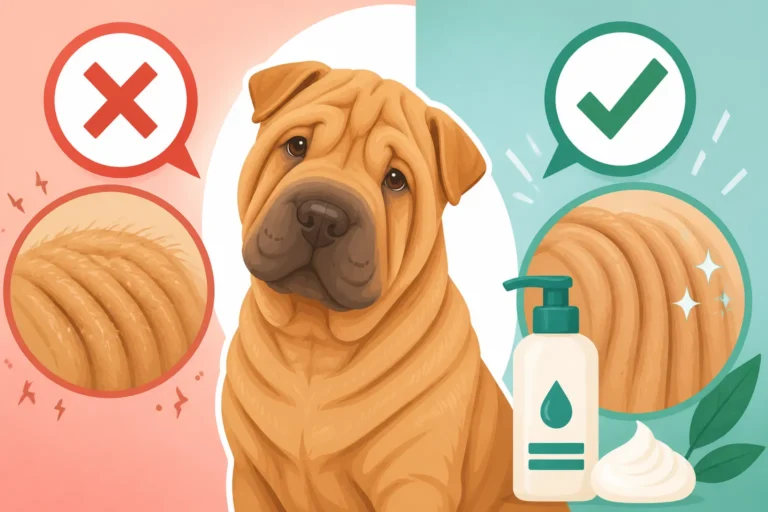
Underweight Risks: A Shar Pei that is consistently underweight might be struggling with an underlying health issue, such as parasites, malabsorption, or chronic illness. They might have a weakened immune system, be more susceptible to infections, and lack the energy for normal activities. This can also affect their skin health, which is already a prominent concern for the breed, making them more prone to dryness or irritation.
Overweight Risks: This is arguably a more common problem for many breeds, and Shar Pei are no exception. Excess weight puts undue stress on their joints, potentially worsening or leading to conditions like arthritis, especially as they age. It also exacerbates their natural tendency for heat intolerance, making them more susceptible to overheating, which is a serious concern. Overweight Shar Pei are also more prone to developing diabetes, heart disease, and breathing difficulties.
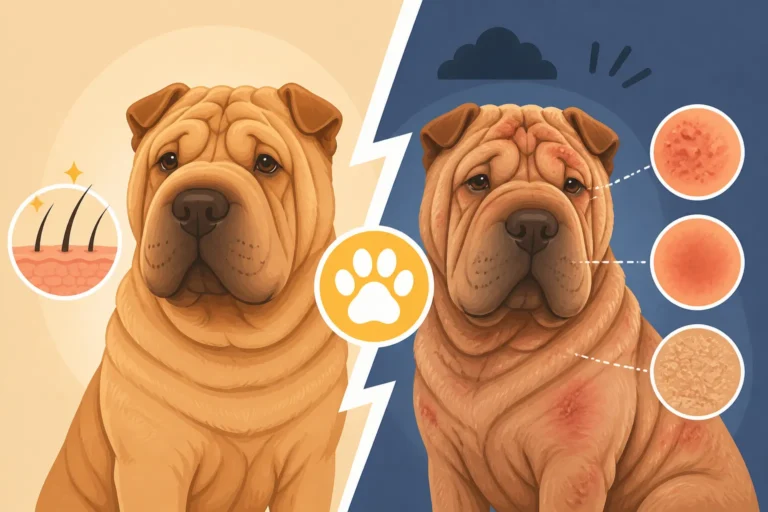
Crucially for Shar Pei, excess weight can worsen skin fold dermatitis. More fat means deeper, tighter folds, creating even more trapped moisture and heat, which are breeding grounds for yeast and bacterial infections. This can lead to persistent skin issues, discomfort, and increased vet bills. Whether Extra Weight Makes a Shar Pei's Folds Worse really highlights this specific breed challenge. Recognizing Signs a Shar Pei Is Overweight early can prevent a cascade of health problems.
Maintaining a Healthy Weight for Your Shar Pei
Keeping your Shar Pei at an ideal weight is an ongoing commitment, but it's one of the most impactful things you can do for their long-term health and happiness. It involves a combination of careful management and consistent effort.
Regular Veterinary Check-ups and Monitoring
Your veterinarian is your best partner in managing your Shar Pei's weight. During routine check-ups, your vet will perform a body condition score, weigh your dog, and discuss any concerns you might have. They can help you spot subtle changes before they become major problems. If you're struggling to get your Shar Pei to maintain a healthy weight, your vet can also screen for underlying health conditions like hypothyroidism or develop a tailored feeding plan.
Don't hesitate to ask your vet to demonstrate how to properly feel your dog's ribs and spine to assess fat cover. This hands-on guidance can be invaluable, especially with a wrinkly breed. Regular visits also ensure you're addressing other breed-specific health concerns, like kidney monitoring, which indirectly affects their overall well-being and appetite.
Portion Control and Diet Adjustments
This is where the rubber meets the road. Even the best dog food won't prevent weight gain if you're feeding too much. Always measure your Shar Pei's food. Don't just eyeball it. The feeding guidelines on the bag are a starting point, but every dog is an individual. Your Shar Pei's activity level, metabolism, age, and whether they're spayed/neutered will all influence their caloric needs.
If your Shar Pei is starting to gain weight, the first step is often to slightly reduce their portion size or switch to a lower-calorie, high-quality food. Be patient; gradual changes are often best. If you give treats, factor those calories into their daily intake. Consider healthy, low-calorie options like small pieces of carrot or green bean instead of high-calorie biscuits. Using a slow feeder bowl, readily available on Amazon, can also help your Shar Pei feel fuller with less food by making mealtime last longer. For those looking for more controlled, fresh options, a service like Ollie delivers pre-portioned meals. What an Adult Shar Pei Eats and How Many Cups a Day an Adult Shar Pei Eats delve deeper into specific feeding practices.
Appropriate and Consistent Exercise
As discussed, exercise is crucial. It’s not just about burning calories, but also about building muscle, improving cardiovascular health, and providing mental enrichment. Aim for daily walks, even if they're shorter on hotter days. Interactive play in a securely fenced yard can also be a great way to get them moving. Think about activities your Shar Pei enjoys – some love a good game of fetch (for a few throws!), while others prefer a sniffing walk around the neighborhood.
If you have an older Shar Pei or one with joint issues, consider gentler forms of exercise, such as short, frequent walks or even hydrotherapy, if available. Consistency is key; a little bit every day is far better than sporadic bursts of intense activity. You might find that on very hot days, you need to be creative, perhaps walking at dawn or dusk, or engaging in indoor play. This also ties into How Much Exercise a Shar Pei Needs.
Addressing Underlying Health Issues
If you've diligently managed diet and exercise and your Shar Pei is still struggling with their weight, it's critical to revisit your vet. Persistent weight gain despite efforts, or unexplained weight loss, nearly always points to an underlying medical issue. Conditions like hypothyroidism or even certain medications can impact a dog's weight. Early diagnosis and treatment of these issues are vital for their overall health and can often resolve the weight concern. For example, once a hypothyroid Shar Pei is on appropriate medication, managing their weight becomes much more straightforward.
Sometimes, the weight issue might be a symptom of a larger problem, like pain that prevents them from exercising, or digestive issues that prevent nutrient absorption. Never assume it's just laziness or greed. Your vet can perform blood tests or other diagnostics to get to the bottom of it. Remember, managing their weight effectively now can help prevent more serious issues down the line, including making it easier to navigate conditions like Getting Weight Off a Shar Pei.
Disclaimer
This article is for general informational purposes only and does not constitute professional advice. Laws, prices and regulations vary by location and change over time. Consult a qualified professional for guidance on your specific situation.