Whether a Shar Pei Puppy’s Skin Predicts the Adult
It's incredibly exciting to bring a new Shar Pei puppy home, full of those adorable, squishy wrinkles, but many new owners quickly start to wonder: will all these folds stay? More importantly, can I tell from my puppy's skin today what kind of skin challenges they'll face as an adult? This guide is here to help you navigate the fascinating, and sometimes frustrating, world of Shar Pei skin development, offering insights into what those puppy wrinkles mean for the future and how to best care for them from the start.
Understanding the Shar Pei's Unique Skin Development
The Shar Pei is, without a doubt, known for its distinctive loose skin and deep wrinkles. What many don't realize is that a puppy's skin is often a dramatic, exaggerated version of what they'll carry into adulthood. This can lead to a lot of questions and sometimes, unnecessary worry, for new owners.
The Dynamic Nature of Puppy Wrinkles
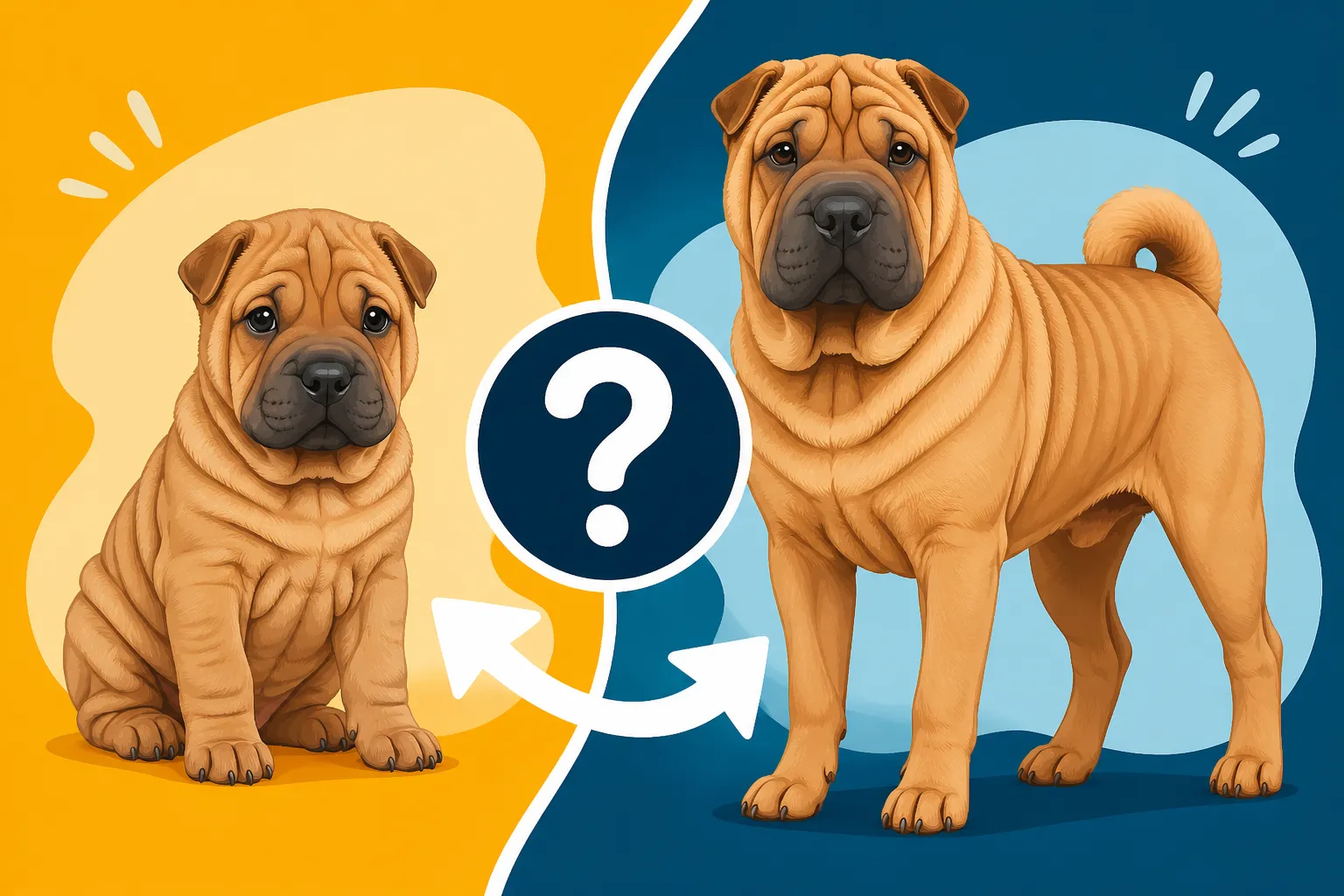
When you first meet a Shar Pei puppy, you might be struck by the sheer volume of wrinkles covering its entire body. They often look like little walking blankets, with rolls of skin that seem disproportionate to their small frames. This is completely normal and, in fact, expected. A significant factor behind this abundant wrinkling is the presence of excess hyaluronic acid in their skin. This substance helps the skin retain moisture and volume, contributing to that wonderfully soft, plush, and very wrinkled appearance. However, as the puppy grows, they tend to "grow into" a lot of this extra skin. The body changes shape, stretches out, and the wrinkles often become less pronounced, settling primarily around the head, neck, and sometimes the shoulders and tail base in a well-proportioned adult. You might wonder Why a Shar Pei Puppy Has More Wrinkles Than an Adult. It's largely due to this rapid growth and the initial abundance of hyaluronic acid that eventually stabilizes.
It’s easy to project future problems onto those cute puppy rolls, but patience is truly a virtue here. Many of those early body wrinkles will smooth out, especially on the back and legs. What tends to remain are the wrinkles on the face, forming that signature frown, and possibly some rolls around the neck and chest. However, even these can vary greatly. The key is to observe and understand that a very wrinkly puppy doesn't necessarily mean an adult constantly battling skin fold infections, though vigilance is always wise. It's simply part of their unique developmental journey.
Genetic Factors and Coat Types
The degree of wrinkling in a Shar Pei is heavily influenced by genetics, specifically a mutation in the HAS2 gene, which is responsible for hyaluronic acid production. Dogs with more copies of this mutation tend to have more wrinkles. While you can't see the gene copies, you can certainly see the outcome. Beyond the quantity of wrinkles, the type of coat can also influence how those wrinkles look and feel, and how easily they might be affected by environmental factors.
Shar Pei primarily come in two recognized coat types: horse coat and brush coat. A horse coat is very short, stiff, and often prickly to the touch, sometimes described as feeling like sandpaper. These dogs often have more pronounced wrinkles that can feel tighter and sometimes lead to more irritation if not managed properly. On the other hand, a brush coat is slightly longer, softer, and smoother. While still wrinkled, the folds might appear a bit softer and perhaps less prone to superficial irritation simply because the hair offers a bit more cushioning. Understanding How a Horse Coat Shar Pei Differs From a Brush Coat can help you anticipate some nuances in care, though both types demand attention to skin health.
Regardless of coat type, the underlying genetic predisposition for certain skin sensitivities remains. The texture of the coat might affect how easily moisture gets trapped or how quickly a fold can become inflamed, but the core issue of the Shar Pei's unique skin structure, with its potential for mucinosis or skin fold dermatitis, is present in both. This is why consistent, thoughtful care is paramount from the earliest days, no matter how velvety or bristly your puppy's coat feels.
When Puppy Skin Concerns Indicate Future Adult Issues
While many puppy wrinkles are purely aesthetic and will resolve with growth, there are certain skin conditions that can manifest in puppyhood and genuinely serve as indicators of potential adult challenges. Knowing what to look for can help you intervene early and manage these issues proactively.
Early Warning Signs of Skin Fold Dermatitis
Skin fold dermatitis is a common issue for Shar Pei, caused by moisture and friction getting trapped in the deep folds, creating a warm, damp environment perfect for bacteria and yeast to thrive. In puppies, these folds are often extra deep and numerous, making them particularly vulnerable. While some minor redness or dampness might be fleeting, persistent signs are a call to action.
Look closely at the skin inside your puppy's folds. Are there areas that are consistently red, inflamed, or excessively moist? Do you notice a foul odor emanating from any particular fold? This could be anywhere – around the muzzle, eyes, neck, armpits, groin, or even the tail base. Every Fold on a Shar Pei Is a Place Something Grows, and puppies, with their extra rolls, have more places for trouble to brew. If left unaddressed, these early irritations can quickly escalate into painful infections, teaching your puppy from a young age that its skin is a source of discomfort.
Catching these signs early means you can start a routine of meticulous cleaning and drying, potentially preventing full-blown infections. It’s about being observant and diligent. If you see persistent redness or discharge, a vet visit is in order. They can confirm if it's dermatitis and prescribe appropriate topical treatments or recommend a specific cleaning regimen. Addressing these minor irritations promptly in puppyhood can set the stage for better skin health as an adult, reducing the likelihood of chronic, recurring issues.
Mucinosis and Its Early Presentation
Another condition unique to the Shar Pei, often seen in puppyhood, is mucinosis. This is characterized by excessive amounts of mucin (a gel-like substance, part of hyaluronic acid) under the skin, giving the dog a puffy, almost "jelly-like" appearance. It's linked to the same genetic mutation that causes their wrinkles. Some puppies are born with what's called "vesicular mucinosis," presenting as clear, jelly-filled blisters or bubbles on the skin, often around the head or neck.
While some degree of puffiness is common and normal for a Shar Pei puppy, particularly if they have an abundance of wrinkles, severe or blister-like mucinosis can be a concern. What Cutaneous Mucinosis Is can give you a deeper dive into the science, but for a puppy owner, the key is recognizing when the puffiness goes beyond typical "puppy fat" or healthy skin rolls. If your puppy feels excessively soft and spongy all over, or if you see those distinct jelly-like bubbles, it's worth discussing with your vet. Many puppies will have a phase of mucinosis that resolves naturally as they mature, as their body learns to regulate hyaluronic acid production.
However, in some cases, mucinosis can persist into adulthood, leading to chronic skin thickening, increased susceptibility to skin infections, and sometimes even contributing to issues like Familial Shar Pei Fever. Whether a Puffy Shar Pei Puppy Has Mucinosis can be a normal part of their development, but severe or ongoing mucinosis might indicate a higher genetic predisposition to skin challenges throughout their life. Your vet can help differentiate between transient puppy puffiness and a more significant, ongoing issue requiring management.
Nurturing Healthy Skin from Puppyhood to Adulthood
The proactive care you provide during your Shar Pei's puppyhood can significantly impact their skin health and comfort throughout their adult life. Establishing good habits early is crucial for preventing common Shar Pei skin issues.
Proper Care for Puppy Skin and Folds
Consistent and correct hygiene is the cornerstone of healthy Shar Pei skin. Those adorable folds, particularly on the face, neck, and tail, are magnets for moisture, dirt, and trapped debris. Without regular cleaning, they become breeding grounds for bacteria and yeast, leading to irritation and infection. Start a gentle cleaning routine from a young age to get your puppy accustomed to the process.
For daily fold cleaning, use soft cotton pads or gauze moistened with a gentle, veterinarian-approved antiseptic wipe or solution. You can find excellent options for pet-safe wipes and cleansers on platforms like Amazon or Chewy. Gently wipe inside every fold, ensuring you remove any accumulated dirt, food particles, or moisture. After cleaning, and this is critical, thoroughly dry the folds. Drying Is More Important Than Washing on a Shar Pei because dampness is the enemy. You can use a clean, dry piece of gauze or a soft cloth. For very deep folds, a little cornstarch (unscented) can help absorb moisture, but always consult your vet first, as some powders can exacerbate issues if used incorrectly. Knowing How Often a Shar Pei's Folds Need Cleaning is key; for puppies, it might be daily, especially after meals or playtime, gradually reducing as they grow and their folds settle.
Regular bathing is also essential, but it needs to be done correctly. Use a veterinarian-recommended shampoo, possibly a medicated one if your puppy has sensitive skin. Focus on thorough rinsing to ensure no shampoo residue is left behind, as this can irritate the skin. The drying process post-bath is just as important, if not more so. Use towels to blot the coat dry, then follow up with a low-heat hairdryer, carefully separating the folds to ensure no moisture is trapped. This meticulous approach in puppyhood prevents many future headaches and teaches your Shar Pei that handling and grooming are positive experiences.
Nutritional Support for Developing Skin
What goes into your Shar Pei puppy's body is just as important as what goes on it when it comes to skin health. A high-quality, balanced diet provides the essential nutrients for a strong skin barrier, healthy coat, and robust immune system, all of which contribute to warding off dermatological issues.
Many Shar Pei can be prone to food sensitivities or allergies, which often manifest as skin problems like itching, redness, or recurring infections. While it's not always evident in puppyhood, starting with a diet designed for sensitive stomachs or with a limited number of common allergens can be beneficial. Look for foods with a single novel protein source (e.g., duck, lamb, salmon) and easily digestible carbohydrates. Brands like Ollie, known for their fresh, gently cooked meals, often offer recipes with fewer common irritants and high-quality proteins that can support sensitive systems. You might also explore options from Chewy, which has a wide selection of limited ingredient diets. Understanding Which Protein Suits a Shar Pei and whether A Shar Pei Needs a Limited Ingredient Diet can be a game-changer for long-term skin health.
Omega-3 fatty acids, found in fish oil, are particularly beneficial for skin health, reducing inflammation and improving coat quality. Many premium dog foods include these, but supplements can also be added under vet guidance. If you notice your puppy is excessively itchy, has chronic ear infections, or shows signs of gastrointestinal upset, these could be indicators of a food sensitivity. A discussion with your vet about an elimination diet could be warranted to pinpoint any dietary triggers. Proactive nutritional care supports not only their skin but their overall well-being, helping them thrive into adulthood with fewer health complications.
Conclusion
The journey of a Shar Pei's skin from puppy to adult is a fascinating one, marked by the unique qualities of their breed. While those abundant puppy wrinkles are mostly a phase they’ll grow out of, paying close attention to early signs of skin fold dermatitis or severe mucinosis can provide crucial clues about potential adult challenges. The good news is that with consistent, diligent care—including thorough cleaning and drying of folds, and a high-quality, skin-supportive diet—you can significantly influence your Shar Pei's long-term comfort and health. Your proactive efforts now will lay the foundation for a lifetime of happier, healthier skin for your beloved companion.
| Feature | Shar Pei Puppy Skin | Adult Shar Pei Skin | Implications for Health |
|---|---|---|---|
| Wrinkle Quantity | Numerous, often covering entire body | Fewer, concentrated on head, neck, and sometimes tail | More folds in puppyhood mean higher risk of early irritation, but most resolve. |
| Puffiness | Often very soft, "jelly-like" due to excess mucin | Typically less puffy, skin firmer, mucinosis may persist in some. | Transient mucinosis is common; persistent or severe forms can indicate chronic issues. |
| Fold Depth | Can be very deep and tight, especially on the face | Tend to relax and open up, though still present | Deep, tight folds require diligent cleaning to prevent infections in both stages. |
| Sensitivity | Highly sensitive, prone to initial irritation | Can remain sensitive, requires ongoing management | Early proactive care builds resilience; neglect can lead to chronic conditions. |
| Observation | Watch for persistent redness, dampness, foul odors | Continue vigilance for signs of dermatitis, allergies | Early detection and intervention prevent escalation of problems. |
Disclaimer
This article is for general informational purposes only and does not constitute professional advice. Laws, prices and regulations vary by location and change over time. Consult a qualified professional for guidance on your specific situation.