Where the Name Shar Pei Comes From
It's easy to look at a Shar Pei with their deeply furrowed brow and wonderfully loose skin and simply fall in love with their unique appearance. But have you ever stopped to wonder where their rather distinctive name actually came from? It’s not just a cute moniker; the name "Shar Pei" holds a beautiful, descriptive truth about this ancient breed, offering a peek into their origins and the very characteristics that make them so special, and sometimes, a little challenging.
Unpacking the Name "Shar Pei"
The name "Shar Pei" is a direct transliteration from Cantonese, the dialect spoken in the southern Chinese province where this remarkable breed originated. For many of us, hearing a foreign name just sounds exotic, but for the Shar Pei, its name is a literal description that owners quickly come to understand. This isn't just a catchy label; it tells you something fundamental about the dog staring back at you with those deep-set eyes.
The Literal Translation
When we break down "Shar Pei," we find two distinct characters: "Shar" (沙, shā) and "Pei" (皮, pí). The character shā translates most directly to "sand." Now, before you imagine a dog covered in beach sand, think about the texture of sand – granular, slightly abrasive, and coarse. The character pí means "skin" or "hide." So, put them together, and you get "sand skin." It's surprisingly straightforward, isn't it? This isn't about their color, or where they like to roll; it's a descriptor of how their coat actually feels to the touch, and it’s something you learn about intimately as a Shar Pei owner.
Many people might assume the name refers to the various fawn or cream colors often seen in the breed, making them think of desert sands. While some Shar Pei do sport sandy hues, the name isn't a reference to their palette. It's truly about the unique tactile sensation of their fur, particularly for those with the original "horse coat." Imagine running your hand over coarse sandpaper – not painfully so, but definitely not silky smooth like a retriever or fluffy like a Samoyed. That distinct sensation is what their ancient breeders were describing.
"Sand Skin" in Practice
For those who have lived with a Shar Pei, the term "sand skin" makes immediate and perfect sense. Their coat, especially the very short "horse coat" variety, has a distinctive, bristly texture that is unlike almost any other dog breed. It's not soft and luxurious; it's tough, resilient, and, yes, feels a bit like rough sand or bristles. This unique characteristic is one of the first things people notice when they pet a Shar Pei, often with a surprised expression.
This texture isn't just a quirky trait; it's a functional one, too. Historically, this rugged coat would have offered some protection from the elements and from potential skirmishes, whether with other animals or in their roles as guardians. It's a coat designed for durability, not for softness, which again, speaks to the practical, working nature of the breed. You certainly wouldn't mistake a Shar Pei for a fluffy lap dog just by touch! This is also why Why a Shar Pei's Coat Feels Like Sandpaper is such a common question amongst new owners.
How the Name Captures the Breed's Essence
The name "Shar Pei" goes beyond just a physical description; it subtly hints at the breed's stoic, independent, and sometimes rugged nature. Just as sand is unyielding and can be quite abrasive, so too can the Shar Pei's personality be perceived. They aren't typically fawning, overly eager dogs; they possess a dignified reserve and a strong sense of self. They're often described as independent thinkers, much like a solitary grain of sand, yet they form incredibly deep bonds with their chosen family.
This "sand skin" also symbolizes their resilience. Shar Pei have endured a fascinating and at times precarious history, nearly going extinct before being famously saved by dedicated breeders. Their ability to persevere, much like how sand stands up to wind and water, is a testament to their inherent toughness. The name, therefore, is a beautiful, compact encapsulation of both their outward appearance and their inner character, making it one of the most fitting breed names you'll ever encounter.
Beyond the Literal: The Historical Context of the Name
Understanding the literal translation of "Shar Pei" is just the beginning. To truly appreciate the name, we need to delve into the historical context of the breed itself. Dogs were named for a reason in ancient times, often reflecting their purpose, appearance, or a dominant trait. The Shar Pei's name isn't an exception; it's deeply rooted in its traditional life and environment in southern China.
Ancient Origins and Early Uses
The Shar Pei is an ancient breed, with its origins stretching back hundreds, if not thousands, of years in southern China, particularly around the city of Dialak in the Kwangtung province. These weren't pampered pets; they were multi-purpose working dogs. They served as guardians for peasant farmers, herded livestock, and were even used for hunting. Imagine a dog needing to be nimble enough to catch small game, brave enough to confront intruders, and tough enough to withstand the elements of rural life.
Their ancestors weren't bred for show rings or cuddly appearances. They were bred for utility and resilience. The "sand skin" coat would have been ideal for this lifestyle. It's a low-maintenance coat that could withstand exposure to thorny bushes, muddy fields, and damp conditions. It wouldn't mat easily and would repel dirt, much like a good working dog's coat should. The name wasn't a whimsical choice; it was a practical observation about a dog built for a specific, demanding life. What a Shar Pei Was Originally Bred to Do truly paints a picture of their hard-working heritage.
The Environment of Early Shar Pei
The landscape where the Shar Pei originated was rugged and varied. Southern China is known for its diverse terrain, from coastal areas to mountainous regions, with humid summers and cooler winters. A dog living and working in this environment needed a coat that offered protection without being cumbersome. A thick, fluffy coat might have been a hindrance in the heat and prone to matting in the humidity.
The coarse, short "sand skin" coat provided a protective barrier without adding unnecessary bulk. It allowed for air circulation, helping them manage heat, while still offering a degree of insulation when temperatures dropped. It’s also surprisingly water-resistant, allowing them to shake off moisture quickly. This meant less time spent drying off after working in wet conditions, and a reduced risk of skin issues that can plague breeds with dense undercoats in humid climates. The name, therefore, also reflects an adaptation to their native environment.
How the Name Reflected Function
Beyond mere appearance, the name "Shar Pei" encapsulated the breed's functional robustness. A "sand skin" implies a tough, hardy exterior, something resistant to wear and tear. This was crucial for a dog that might spend its days patrolling property, engaging with other animals, or hunting in dense undergrowth. Their loose skin, another defining feature, also played into this functional role, often giving them an advantage in conflicts, allowing them to twist and turn without vital organs being easily damaged.
The combination of the unique skin and coat texture essentially created a resilient package. The name wasn't just descriptive; it was almost a badge of honor, signifying a dog that was built to last and perform in challenging circumstances. It set them apart from other dogs and communicated their unique selling points to potential owners seeking a robust and capable working companion.
The Unique Coat and Its Sensory Impact
One of the most defining characteristics of the Shar Pei, apart from its abundant wrinkles, is its distinct coat. This isn't just a visual trait; it's a tactile experience that lives up to the "sand skin" moniker. As a Shar Pei owner, you quickly become accustomed to this unique texture, and it shapes some of your grooming routines.
The Distinct Texture of a Shar Pei's Coat
When you first pet a Shar Pei, especially one with a classic horse coat, you might do a double-take. It's genuinely bristly. It's coarse, short, and stands away from the body just enough to give it that "sandy" feel. This isn't a coat you bury your face in for soft comfort. Instead, it's a testament to their rugged heritage. The individual hairs are stiff and springy, giving the coat a rough, sandpaper-like quality that some people find surprising.
This distinct texture is actually a genetic trait, tied to the same gene that gives them their characteristic wrinkles. The mucin in their skin contributes to the unique feel as well. It’s a coat that you feel, rather than just see. For owners, this means that while they don't shed excessively compared to some breeds, those short, stiff hairs tend to weave themselves into carpets and upholstery with tenacity! Finding grooming gloves or brushes specifically designed for short, coarse coats, often found at places like Chewy, can be a real game-changer for managing this unique texture.
Why "Sand Skin" Is More Than Just a Description
"Sand skin" is more than just a literal translation; it's an immersive descriptor. It evokes a sense of ancientness, resilience, and a connection to the earth. It conjures an image of a dog built to withstand, not to be delicate. This isn't just a marketing term; it's an accurate portrayal of the physical reality of the dog. Imagine being in rural China, surrounded by farmers and their dogs, and someone observes this particular breed, noting its skin feels like sand. It's a simple, elegant, and entirely fitting label.
Moreover, this coat has practical benefits beyond its historical working roles. It's relatively easy to keep clean as dirt doesn't cling to it easily. While Shar Pei do need regular bathing and careful drying, especially in their folds, their coat itself doesn't typically require extensive brushing or professional grooming in the way a long-haired or curly-coated breed might. The "sand skin" is low-maintenance in its design, a feature that many busy owners appreciate, even if it does feel a bit rough on the hands.
The Different Coat Types and Their Feel
While "horse coat" is the most famous for its sand-like texture, Shar Pei actually come in a few different coat types, all of which still retain some aspect of that classic "Shar Pei" feel.
- Horse Coat: This is the shortest and harshest coat type, truly living up to the "sand skin" name. The hairs are stiff, coarse, and very short, often irritating sensitive human skin on contact. If you have a horse coat, you understand exactly what the name means. How a Horse Coat Shar Pei Differs From a Brush Coat is a good read for anyone trying to tell the difference.
- Brush Coat: This is a slightly longer, softer version of the horse coat, but it's still far from plush. The hairs are typically less than an inch long, and while not as needle-like as the horse coat, they still have a firm, resilient feel. It's like a fine-bristled brush, still holding onto that "sand" quality, just a bit more refined. This is the most common coat type seen today, particularly in Western countries.
- Bear Coat: This is the longest coat type, considered a fault in the breed standard but still found. Bear coats are much softer and longer, usually over an inch, and may even have a slight undercoat. While visually very different, even a bear coat Shar Pei often retains a surprising underlying coarseness in its fur compared to truly soft, long-haired breeds. It's as if the "sand" is still there, just buried under a bit more fluff.
Regardless of the length, the distinctive character of the Shar Pei's fur contributes to its identity and helps us understand why its Chinese name is so apt.
Cultural Significance and the Shar Pei's Identity
The name "Shar Pei" isn't just about a practical description; it's also intertwined with the breed's cultural identity and its fascinating journey from rural China to global recognition. The name carried with it a sense of heritage and uniqueness that resonated with dog enthusiasts around the world.
The Shar Pei's Place in Chinese Culture
For centuries, the Shar Pei was a local dog, largely unknown outside of its specific region in southern China. It wasn't a dog of emperors or widely depicted in art like some other Chinese breeds. Instead, it was a practical working dog for the common people. Its name, "sand skin," was likely a colloquial, straightforward description used by the farmers and villagers who relied on these dogs. This grounded, unpretentious naming further emphasizes its working-class roots.
The breed's reputation within its native culture would have been one of loyalty, vigilance, and quiet strength. They were protectors, not performers. The name, therefore, connects the modern Shar Pei directly to this humble yet vital past. It ensures that even as the breed gained international fame and sometimes became associated with exaggerated features, its fundamental identity as a hardy, functional dog is preserved in its very name.
How the Name Became Known Globally
The Shar Pei's dramatic rescue from near extinction in the 1970s is a legendary tale in the dog world. Faced with a devastating dog tax and eventual extermination policies in mainland China, only a handful of Shar Pei survived, primarily in Hong Kong and Taiwan. It was a plea from Matgo Law, a Hong Kong breeder, published in an American dog magazine, that brought the breed to international attention. One Letter to a Dog Magazine Saved the Shar Pei tells this incredible story.
When these few, precious dogs began to be imported to the West, their unique appearance and equally unique name captivated dog lovers. "Shar Pei" wasn't Americanized or translated into an English equivalent like "Sand Dog" or "Wrinkled Hound." The original Cantonese name was kept, adding to the breed's mystique and authenticity. This decision helped to preserve its cultural roots and made it instantly recognizable as something distinct and exotic. The name became synonymous with its striking appearance and rarity.
The Name's Enduring Legacy
Today, "Shar Pei" is globally recognized. It evokes an immediate image of a wrinkled dog with a distinctive coat. The name has become a brand, a symbol of a breed that defied extinction and carved out a unique niche in the hearts of dog owners worldwide. It stands as a testament to the power of simple, descriptive language to define an entire species.
This enduring legacy also comes with a responsibility for owners. When you say "Shar Pei," you're not just naming your dog; you're invoking centuries of history, a unique genetic heritage, and a specific set of characteristics that require understanding and dedicated care. Knowing what "Shar Pei" truly means allows owners to appreciate the layers of history and practicality behind their beloved companion, making the bond even richer.
Common Misconceptions and Alternative Interpretations
While the core meaning of "Shar Pei" as "sand skin" is widely accepted, the exotic nature of the name and the breed's unique appearance have led to some interesting misconceptions and alternative interpretations over the years. It's always fascinating to see how a name can take on a life of its own.
Debunking Myths About the Name
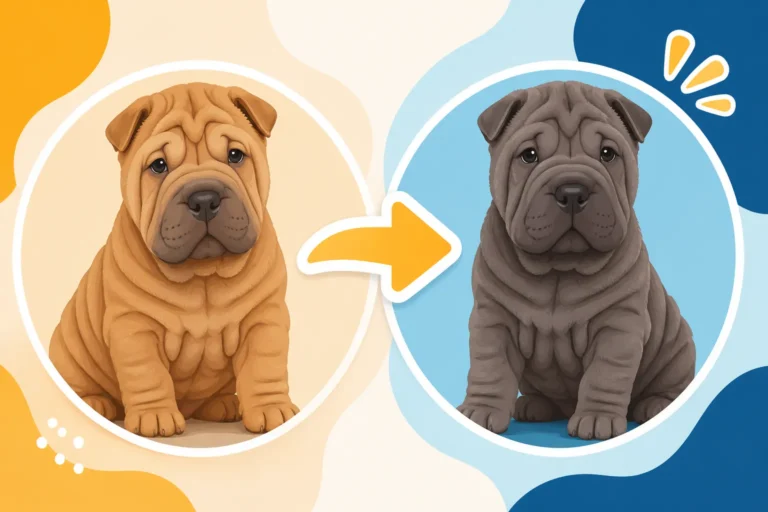
One common misconception is that "Shar Pei" refers to the sandy or fawn colors often seen in the breed. While many Shar Pei are sandy-colored, this is purely coincidental. The name is about texture, not hue. If the name meant "sand-colored skin," then a black or blue Shar Pei would technically be misnamed, which isn't the case. Their black or blue coats still possess that coarse, sand-like texture.
Another myth sometimes heard is that the name refers to their origin in sandy regions. While the breed's native environment included varied terrain, it wasn't exclusively sandy deserts. Again, the emphasis is on the skin's feel, not the ground it walked on. It's easy to jump to these conclusions given the breed's striking appearance, but the simple, tactile truth of "sand skin" is far more direct.
Regional Variations and Dialectal Nuances
While "Shar Pei" is the standard transliteration from Cantonese, it's worth remembering that language has regional nuances. In different parts of China, or even within different dialects of Cantonese, there might have been slightly varied pronunciations or even alternative descriptive names used colloquially for these dogs. However, "Shar Pei" gained prominence primarily through Hong Kong's role in the breed's survival and subsequent introduction to the West.
The consistency of the name's translation across various breed clubs and historical documents suggests that "sand skin" was indeed the primary and most accurate descriptor understood by those most familiar with the dogs. It wasn't a complex, poetic name, but a functional, everyday term that resonated with the people who bred and worked with these animals.
The Evolution of Breed Naming Conventions
The way dog breeds are named has evolved dramatically over time. In ancient cultures, names were often direct and functional, describing a dog's job (e.g., Sheepdog, Terrier for "earth dog"), a location (e.g., Labrador, German Shepherd), or a key physical trait, as in the Shar Pei's case. In more recent times, names can be more evocative, combining elements, or even simply becoming fashionable.
The Shar Pei's name harks back to those ancient, straightforward naming conventions. It reflects a time when a dog's utility and immediate physical traits were paramount. It's a name that grounds the breed firmly in its historical context, before the age of selective breeding for exaggerated features or purely aesthetic purposes. It reminds us that at its heart, the Shar Pei was, and still is, a dog defined by its unique "sand skin."
Why Understanding the Name Matters to Owners
Knowing the literal meaning of "Shar Pei" might seem like a trivial bit of trivia, but for owners, it's actually quite significant. It deepens your connection to your dog, helps you appreciate their unique qualities, and even informs how you approach their care and personality.
Connecting with Your Dog's Heritage
When you understand that your Shar Pei's name literally means "sand skin," it’s like getting a direct message from the past. It connects your furry family member to centuries of history, to the farmers of ancient China who first observed and named these remarkable dogs. This connection can enrich your ownership experience, transforming a simple name into a meaningful link to a rich cultural heritage.
It helps you see beyond just the cute wrinkles or the deep-set eyes and appreciate the working-dog lineage and the resilience that is part of their very identity. You're not just owning a dog; you're becoming a custodian of a living piece of history, whose name carries the weight of its origins. This understanding fosters a deeper respect for the breed and its unique journey.
Appreciating Their Unique Traits
The "sand skin" name draws direct attention to one of the Shar Pei's most defining physical characteristics. For new owners, this often explains why their dog's coat feels so unusual. It validates the tactile experience and provides a clear, simple reason for it. This appreciation extends to understanding the practical implications of their coat.
For instance, that bristly coat, while unique, can sometimes be a bit dry or prone to minor irritations, especially in the folds. Knowing the origins of "sand skin" can prompt owners to be mindful of their Shar Pei's skin health. Using appropriate shampoos, conditioners, or skin balms, easily found on platforms like Chewy, becomes more than just grooming; it's caring for a characteristic that defines their very name. It also makes sense why their ears might be more prone to issues given the lack of airflow from those tight, small ears, something that requires diligent care. A Shar Pei Has the Narrowest Ear Canals of Any Breed and Skin Is the Shar Pei's Largest Problem by Surface Area are both key articles that delve into these very specific care needs related to their unique physique.
Fostering a Deeper Bond
Ultimately, understanding the name Shar Pei helps to build a deeper, more informed bond with your dog. It fosters a sense of pride in their uniqueness and helps you to explain their distinctive features to others. When someone asks about your Shar Pei, you can share not just anecdotes about their personality, but also the fascinating story behind their name.
This knowledge also encourages owners to seek out information about other breed-specific traits, from their famous "fever" to their independent personality. Being well-informed allows you to anticipate potential health concerns, understand their behavioral quirks, and provide the best possible care, leading to a happier, healthier life for your Shar Pei, and a more fulfilling relationship for you.
Taking Care of that "Sand Skin"
Now that we've truly appreciated what "Shar Pei" means, let's talk about what that "sand skin" implies for daily care. That unique coat and underlying skin require specific attention to keep your Shar Pei comfortable and healthy. It's not just about looking after their distinctive appearance, but actively preventing common issues that can arise from those very traits.
Regular Grooming for Skin Health
While the Shar Pei's coat might be short, it still requires regular attention to maintain healthy skin. The "sand skin" can be prone to dryness or mild irritation, especially if not cared for properly. Regular brushing, even with a short-coated breed, helps to remove loose hairs, distribute natural oils, and stimulate circulation. A soft rubber curry brush works wonders on their coat, gently massaging the skin beneath and encouraging healthy cell turnover.
Bathing your Shar Pei needs to be done with care, too. Because of their wrinkles and skin folds, moisture can easily get trapped, leading to bacterial or yeast infections. It’s not just the bathing that's important, but the thorough drying afterwards. Every single fold, from their brow to their tail, needs to be gently but completely dried. This is where high-quality towels and even a pet-specific low-heat blow dryer can be incredibly useful. You can often find a great selection of these specialized grooming tools on websites like Chewy, ensuring you have the right equipment for your "sand skin" companion. Drying Is More Important Than Washing on a Shar Pei emphasizes just how critical this step is.
| Coat Type | Texture Description | Grooming Frequency | Drying Importance | Common Issues (related to coat) |
|---|---|---|---|---|
| Horse Coat | Very short, bristly, harsh | Moderate | Very High | Irritation, fold dermatitis |
| Brush Coat | Short, slightly softer | Moderate | High | Fold dermatitis, moisture traps |
| Bear Coat | Longer, softer, shaggy | High | Moderate | Matting (less common), shedding |
Managing the Folds and Wrinkles
The very features that give the Shar Pei its distinctive look – the folds and wrinkles – also require diligent care. These areas, particularly on the face, neck, and sometimes around the tail, can trap moisture, dirt, and debris. This creates a warm, moist environment perfect for skin fold dermatitis, which can be itchy, painful, and prone to infection.
Cleaning these folds should be part of your regular routine. Gentle, unscented wipes or a damp cloth followed by a dry one are usually sufficient for daily maintenance. If you notice any redness, odor, or discharge, it's time for a vet visit, as an infection might be brewing. Products specifically designed for skin fold care, often available at specialty pet supply retailers or even on Chewy, can be helpful to keep these areas clean and dry. Every Fold on a Shar Pei Is a Place Something Grows is a good article to review if you're concerned about fold health.
Protecting Sensitive Areas
The "sand skin" can be quite sensitive in specific areas. Their ears, for example, are famously narrow and prone to infection, necessitating careful cleaning and monitoring. Their eyes, often deep-set and sometimes affected by entropion (inward-rolling eyelids), also require attention. Understanding the unique structure of your Shar Pei, informed by the very name that describes their skin, helps you to be proactive in their care.
Whether it's making sure their eye area is kept clean, gently wiping away debris from their deep-set eyes, or being vigilant about signs of ear irritation, recognizing the implications of their unique physiology is key. The "sand skin" isn't just a surface texture; it's a window into the breed's overall health and the specific needs you'll encounter as a dedicated owner.
Disclaimer
This article is for general informational purposes only and does not constitute professional advice. Laws, prices and regulations vary by location and change over time. Consult a qualified professional for guidance on your specific situation.