The Shar Pei Against the Other Wrinkled Breeds
Bringing a new dog into your life is a huge decision, and if you've fallen in love with the distinctive look of a wrinkled breed, you're not alone! Many people adore the charm of these unique pups, but they often struggle to understand the very real differences in care, health, and temperament that come with all those adorable folds. This guide is here to unravel the mysteries of the Shar Pei and compare it to other popular wrinkled breeds, helping you decide which wrinkly wonder might best fit your home and lifestyle.
Understanding the Shar Pei's Unique Wrinkles
The Shar Pei's wrinkles aren't just a charming aesthetic; they are a defining characteristic that influences nearly every aspect of their health and care. Unlike some other breeds where wrinkles might be a stylistic preference, the Shar Pei's folds are deeply ingrained in its genetic makeup and historical purpose. Understanding this foundation is crucial before comparing them to other wrinkly companions.
The Genetic Story Behind the Folds
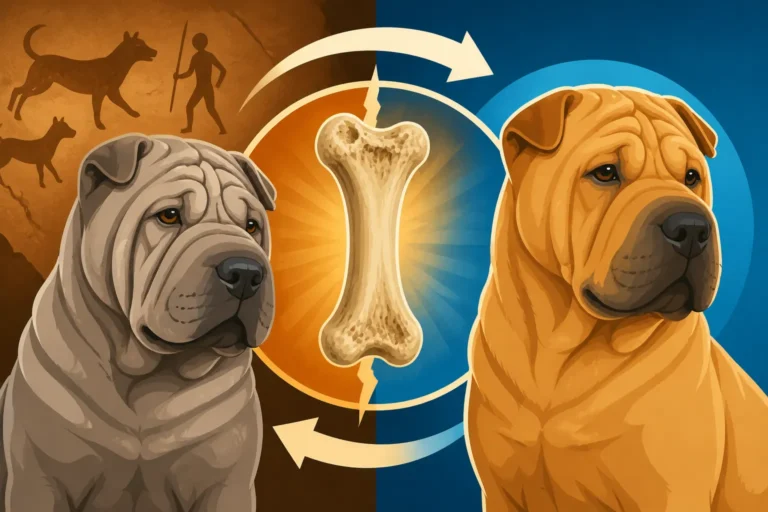
The genetic mechanism behind the Shar Pei's abundant wrinkles is quite unique. It's not just loose skin; it's a specific genetic mutation that leads to an overproduction of hyaluronic acid. This acid, stored in the skin, is what gives the Shar Pei its famously thick, padded hide. It's like having extra cushioning under the skin, creating those deep, distinctive folds. While beautiful, this genetic trait also comes with a significant health consequence: it's directly linked to their predisposition for Familial Shar Pei Fever (FSF) and systemic amyloidosis. It’s a classic example of how a single genetic change can have far-reaching effects on a breed's entire well-being. This is why you'll often hear discussions about One Mutation Gave the Shar Pei Its Wrinkles and Its Fever.
The level of hyaluronic acid can vary, and breeders sometimes talk about "copy numbers" of the relevant gene. More copies often mean more wrinkles, and unfortunately, a potentially higher risk for some of the breed's signature health issues. This isn't just cosmetic; it's a fundamental part of their biology. The dense, ropey skin, often described as feeling like sandpaper on a horse coat Shar Pei, is a direct result of this genetic characteristic. It’s truly fascinating how Why Hyaluronic Acid Makes a Shar Pei Wrinkle is more than just about aesthetics.
The Difference Between Puppy and Adult Wrinkles
One of the most common questions new Shar Pei owners have is about their puppy's wrinkles. Many Shar Pei puppies look like adorable little heaps of bunched-up fabric, with wrinkles covering their entire bodies. This is perfectly normal! Puppies often have far more skin than they seem to "grow into" as they mature. Those deep furrows on their backs, legs, and even tails tend to smooth out somewhat as they get older and fill out.
However, even as adults, a Shar Pei should retain pronounced wrinkles on its head, neck, and sometimes at the base of the tail. The ideal, according to breed standards, focuses more on a wrinkled head and expression, rather than a whole-body wrinkly adult. A significant amount of body wrinkling in an adult can sometimes indicate an exaggerated type, which may come with greater potential for skin fold dermatitis and other issues. It's a journey from the wonderfully excessive folds of puppyhood to the more refined, yet still distinctive, adult look.
Shar Pei vs. Bulldog: A Wrinkly Face-Off
When most people think of a wrinkled dog, the Bulldog often comes to mind right alongside the Shar Pei. Both breeds are undeniably iconic for their folds, but that's where many of the similarities end. Digging into their differences reveals just how unique each breed truly is.
Physical Differences and Their Health Implications
Let's talk about those wrinkles first. A Bulldog's wrinkles are primarily concentrated on its face, creating that characteristic frowning, jowly expression. Their bodies tend to be more smooth, though loose skin around the neck and chest is common. The Shar Pei, however, can have extensive wrinkling, especially on the head and neck, with a body coat that feels quite different – often harsh and bristly, giving them their "sand skin" name. A Bulldog's skin, while thick, is typically softer to the touch.
Beyond the wrinkles, their head shapes are dramatically different. Bulldogs are a classic brachycephalic (short-nosed) breed, which means their flattened faces come with inherent breathing challenges. Snorting, snoring, and heat intolerance are common. The Shar Pei, while sometimes having a "meat mouth" that can affect airflow, generally has a longer, more open muzzle than a Bulldog. While Shar Peis can Whether a Shar Pei Snores due to their unique muzzle structure, it’s typically not to the same degree or due to the same underlying airway issues as a Bulldog. This distinction is critical for understanding their exercise tolerance and heat sensitivity. A Bulldog often struggles with exertion in warm weather, needing constant vigilance. A Shar Pei also requires careful heat management, but more due to their general thermal regulation and susceptibility to fever episodes, rather than severe brachycephalic airway obstruction.
Temperament and Lifestyle Contrasts
Temperament-wise, Bulldogs are often described as laid-back, docile, and famously sweet-natured. They are typically good with children and tolerant of other pets, though early socialization is always key. Their exercise needs are moderate; short, gentle walks are usually sufficient. They are true homebodies who love to lounge and be part of the family's activities, albeit from a comfortable spot on the sofa.
The Shar Pei is a different beast entirely. They were originally bred as working dogs—guardians, hunters, and even fighters—and their independent, sometimes aloof nature reflects this heritage. While incredibly loyal and devoted to their chosen family, they can be reserved or even suspicious of strangers. Dog-to-dog aggression can be a serious issue if not carefully managed through early, extensive socialization. A Shar Pei Was Bred to Guard, Not to Greet, and this instinct is deeply embedded. They are intelligent and can be trained, but they often possess a stubborn streak that requires patience and consistency. Their exercise needs are moderate, similar to a Bulldog, but their alertness and territorial instincts mean they aren't content to be a mere "couch potato." They need mental stimulation and a clear understanding of their role in the household.
Shar Pei vs. Pug: Small Size, Big Wrinkles
Moving to the smaller end of the spectrum, the Pug is another well-loved wrinkled breed that shares some superficial similarities with the Shar Pei, but diverges significantly in size, origin, and many health considerations.
Wrinkles, Breathing, and Brachycephalic Concerns
Pugs are known for their deeply wrinkled, smushed faces. These facial folds are adorable, but like the Bulldog, the Pug is a brachycephalic breed. This flat face means they often struggle with breathing, especially in heat or during exercise. Snorting, wheezing, and reverse sneezing are common sounds in a Pug household. These issues directly impact their quality of life and lifespan, making careful weight management and climate control non-negotiable.
The Shar Pei's wrinkles, while extensive on the face and head, don't typically lead to the same severe brachycephalic airway syndrome. As mentioned, their muzzle, even if a "meat mouth," tends to offer more breathing space. However, those facial folds do require attention. Every Fold on a Shar Pei Is a Place Something Grows, meaning the deep creases around their eyes and muzzle can trap moisture, food debris, and dirt, leading to skin fold dermatitis. This is a common issue for both Pugs and Shar Peis, although the Shar Pei’s skin issues extend beyond just the face due to their unique skin composition and genetic predispositions like cutaneous mucinosis. Regularly cleaning and drying these folds is paramount for both breeds. You can find excellent fold cleaning wipes and solutions on sites like Chewy that make this daily task much easier.
Grooming and Health Needs Comparison
Grooming a Pug primarily involves managing their facial folds and their surprisingly shedding double coat. Daily or every-other-day wiping of face folds with a gentle cleanser is typically sufficient to prevent irritation and infection. Their short coat does shed, sometimes quite a lot, requiring regular brushing with a soft brush or grooming mitt.
A Shar Pei's grooming is a bit more involved due to the sheer volume and texture of their skin. Their horse coat, in particular, can be very coarse and sheds moderately but constantly. More importantly, every fold, not just on the face, needs attention. This includes neck folds, tail folds, and sometimes even folds on their legs. Drying Is More Important Than Washing on a Shar Pei because moisture trapped in these deep pockets is a breeding ground for yeast and bacterial infections. Medicated shampoos and wipes are often a routine part of a Shar Pei owner's arsenal. Beyond skin, Shar Peis have notoriously narrow ear canals, making them prone to chronic ear infections, a concern that Pugs generally don't share to the same degree. Pugs, while prone to eye issues due to their prominent eyeballs, don't typically face the emergency of entropion that Shar Pei puppies often do. Entropion in a Shar Pei Puppy Is an Emergency, Not a Cosmetic Issue.
Shar Pei vs. French Bulldog: Compact Folds and Modern Popularity
The French Bulldog has exploded in popularity in recent years, often seen as a trendy, compact companion. Like the Shar Pei, they boast distinctive wrinkles, but their overall build, energy, and health profile present a very different ownership experience.
Head Shape and Airway Considerations
French Bulldogs, like their larger Bulldog cousins, are profoundly brachycephalic. Their very short muzzles and compacted airways mean they are highly susceptible to respiratory distress, especially in heat or with strenuous exercise. This isn't just snorting; it can be life-threatening. They require constant monitoring of their breathing, strict avoidance of overheating, and often specialized veterinary care to manage or correct their airway issues. Their facial folds, while charming, are a direct consequence of their brachycephalic skull structure and contribute to potential skin issues around the nose rope and under the eyes.
The Shar Pei, as we’ve discussed, has its own unique head structure with those prominent facial and neck wrinkles. While some individual Shar Peis, particularly those with extreme "meat mouths," might experience some degree of restricted airflow, it's generally not the inherent, severe brachycephalic syndrome seen in French Bulldogs. The Shar Pei's issues often lie more with the skin within the folds rather than the airway itself. This means that while both breeds need vigilance regarding heat, the reason for that vigilance is different. For a Frenchie, it's primarily breathing; for a Shar Pei, it's preventing overheating that can trigger a fever episode.
Activity Levels and Socialization
French Bulldogs are typically playful, energetic little dogs despite their breathing limitations. They love to interact, play fetch, and are generally quite social and adaptable. Their exercise needs are moderate, consisting of short, supervised walks and indoor play. They thrive on companionship and are known for their charming, sometimes clownish personalities. They are usually good with respectful children and can get along with other pets with proper introductions.
The Shar Pei, in contrast, tends to have a more reserved and independent demeanor. While they can be playful within their trusted family circle, they are not typically the boisterous, "everyone's friend" type of dog. Their exercise needs are moderate, similar to a Frenchie, but their focus is often more on patrolling their territory or enjoying a quiet walk with their owner rather than high-energy games. Early and extensive socialization is paramount for a Shar Pei to ensure they are well-adjusted. Without it, their natural guarding instincts can lead to issues with strangers and other dogs. Socialize a Shar Pei Before Twelve Weeks or Pay for It Later isn't just a suggestion; it's a critical piece of advice for this breed. They thrive in a calm, structured environment with a clear leader.
Shar Pei vs. Neapolitan Mastiff: The Giants of the Folds
Now, let's step up in size dramatically. The Neapolitan Mastiff is a colossal breed known for its truly immense and dramatic folds, particularly around its head and dewlap. While both breeds are guardians by nature, their sheer scale and the nature of their wrinkles set them worlds apart.
Scale of Wrinkles and Skin Care Demands
The Neapolitan Mastiff is a majestic giant. Their wrinkles are less about a "compacted" appearance and more about an abundance of loose, heavy skin that hangs in deep folds around their head, neck, and chest. This creates a powerful, intimidating presence. These massive folds are prone to similar issues as other wrinkled breeds – trapping moisture, dirt, and bacteria, leading to skin infections. The sheer size of a Neapolitan Mastiff means that cleaning these extensive folds is a much more physically demanding task than with a smaller dog. They need diligent, regular cleaning to prevent odor and irritation.
A Shar Pei's wrinkles, while significant, are generally tighter and more integrated into their overall structure, giving them a more "sculpted" or "padded" look rather than the voluminous, pendulous skin of a Mastiff. The Shar Pei's skin problems, while also involving infections in the folds (Skin Fold Dermatitis on a Shar Pei), are compounded by their unique genetic predisposition to conditions like cutaneous mucinosis, where mucin builds up under the skin, giving a lumpy, "puffy" appearance. What Cutaneous Mucinosis Is is a condition largely unique to the Shar Pei and adds another layer of complexity to their skin health. So, while both require meticulous fold care, the underlying causes and expressions of their skin issues differ. High-quality medicated wipes and shampoos from a retailer like Chewy are indispensable for managing these skin challenges in either breed.
Guard Instincts and Family Dynamics
Both the Shar Pei and the Neapolitan Mastiff were bred for guarding, and this instinct is strong in both. However, their expression of this instinct differs with their size and traditional roles. Neapolitan Mastiffs are formidable protectors, imposing and naturally wary of strangers. They bond fiercely with their families and can be gentle giants within their trusted circle, but their size alone demands an experienced owner and a secure environment. Early and thorough socialization is crucial to ensure they are stable and discriminating in their protective instincts.
The Shar Pei's guarding nature is also deeply ingrained, but it often manifests as an independent and aloof vigilance. They are observant and protective, but their approach is often more subtle, sometimes even suspicious, rather than the overt, physical presence of a Mastiff. They are "one-person" or "one-family" dogs who form incredibly strong bonds, but they don't typically extend that warmth to outsiders. How a Shar Pei Treats the Family It Chose is a testament to their loyalty, but also highlights their selectivity. For families with children, both breeds require careful supervision and training, but for different reasons: the Mastiff due to its sheer size, and the Shar Pei due to its more independent and less outwardly tolerant nature, especially with boisterous play. A Shar Pei With Children in the House is a topic that requires serious consideration.
Shar Pei vs. Bloodhound: Sagging Skin, Different Purpose
The Bloodhound is instantly recognizable by its long, drooping ears and an incredible amount of loose, wrinkled skin, particularly around its face and neck. While they share the "wrinkled" descriptor, their purpose, temperament, and the nature of their skin are vastly different from the Shar Pei.
Loose Skin vs. Genetic Wrinkles
A Bloodhound's skin is less about "folds" in the Shar Pei sense and more about an extreme amount of loose, pliable skin that hangs in folds and dewlaps. This loose skin serves a functional purpose: it helps to trap scent, enhancing their incredible sense of smell as they track. The wrinkles and heavy jowls contribute to their ability to collect scent particles, creating a sort of "scent cone" around their nose. This is an evolutionary adaptation for their primary role as a scent hound, not a genetic mutation for skin thickness.
The Shar Pei's wrinkles, as we've explored, are a result of that specific genetic mutation causing hyaluronic acid overproduction. Their skin is thick and taut, forming distinct creases rather than the flowing, loose drapery of a Bloodhound. While a Bloodhound's folds still need cleaning to prevent infection, the consistency and depth are different. A Shar Pei's specific genetic makeup means they face unique health challenges like Familial Shar Pei Fever Is Not an Infection and secondary amyloidosis, conditions directly linked to their wrinkle-producing gene, which are not concerns for Bloodhounds.
Care Routines and Olfactory Prowess
Caring for a Bloodhound's skin involves managing those deep facial wrinkles and the extensive ear folds. Their long, pendulous ears are particularly prone to infections and require diligent cleaning. Their droopy eyelids can also lead to eye issues. Beyond skin and ears, the Bloodhound's most demanding care routine revolves around its exercise and mental stimulation. They are working dogs with an incredible drive to track. A bored Bloodhound is a destructive Bloodhound. They need long walks and opportunities to engage their nose, which means plenty of outdoor time and often requires a securely fenced yard, as their nose will lead them far astray.
The Shar Pei's care routine, while also demanding, is centered on different areas. Their skin folds, particularly due to the genetic mucin buildup, require constant vigilance for infections. Their tightly rolled ears are exceptionally difficult to clean and prone to chronic issues. A Shar Pei Has the Narrowest Ear Canals of Any Breed, making regular veterinary checks and sometimes sedation for ear care a necessity. While a Shar Pei needs exercise, it's typically not the extensive, scent-driven activity required by a Bloodhound. Their independent nature means they can be content with moderate activity and mental challenges that reinforce their bond with their owner. Both breeds are strong-willed, but a Bloodhound's focus is on following a scent, while a Shar Pei's stubbornness is more about deciding if your command is worth obeying.
Shared Challenges and Unique Vulnerabilities
While all these wrinkled breeds share the charming aesthetic of their folds, it's important to understand the common challenges they face and the unique vulnerabilities that truly set the Shar Pei apart. Owning any wrinkled dog means committing to a specific set of care requirements.
Common Skin Issues in Wrinkled Breeds
The most obvious shared challenge for all wrinkled breeds is the increased risk of skin fold dermatitis, also known as intertrigo. This condition occurs when skin folds rub together, trapping heat and moisture, and creating an ideal environment for bacteria, yeast, and fungi to flourish. Symptoms include redness, inflammation, odor, itching, and hair loss in the affected folds. This is a battle almost every owner of a severely wrinkled dog will face at some point.
Common areas affected include:
- Facial folds: Around the nose, eyes, and muzzle.
- Neck folds: Deep rolls of skin around the throat.
- Tail pocket: A deep fold at the base of the tail, especially in breeds with a curled tail.
- Body folds: On the chest, armpits, or groin for more heavily wrinkled dogs.
Preventative care is key, and it largely involves meticulous hygiene. Daily cleaning and thorough drying of all folds are essential. Many owners use medicated wipes or solutions prescribed by their vet, or specialized gentle cleansers found at pet supply stores like Chewy. For serious or recurring infections, oral or topical antibiotics/antifungals might be needed. Sometimes, in extreme cases where the folds cause chronic, untreatable issues or impact the dog's vision or breathing, surgical intervention (like a facelift or tail amputation) might be considered to remove the problematic skin.
| Breed | Primary Wrinkle Location | Key Health Concerns Beyond Folds | Temperament Snapshot |
|---|---|---|---|
| Shar Pei | Head, Neck, Body (puppy) | FSF, Amyloidosis, Entropion, Narrow Ear Canals, Mucinosis | Aloof, Loyal, Guarding, Independent |
| Bulldog | Face, Head | Brachycephalic Syndrome, Hip Dysplasia, Allergies | Sweet, Laid-back, Docile |
| Pug | Face | Brachycephalic Syndrome, Eye Prolapse, Patellar Luxation | Playful, Charming, Devoted |
| French Bulldog | Face, Head | Brachycephalic Syndrome, Spinal Issues, Heatstroke | Energetic, Affectionate, Adaptable |
| Neapolitan Mastiff | Head, Neck, Dewlap | Hip/Elbow Dysplasia, Bloat, Heart Issues | Protective, Calm, Majestic |
| Bloodhound | Face, Neck, Ears | Ear Infections, Ectropion/Entropion, Bloat | Scent-driven, Gentle, Stubborn |
The Shar Pei's Distinct Health Concerns
While sharing some skin challenges, the Shar Pei stands apart with a set of health issues directly linked to its unique genetic makeup and breed development. These are not common concerns in the other wrinkled breeds mentioned.
Firstly, and perhaps most famously, is Familial Shar Pei Fever Is Not an Infection (FSF). This inherited inflammatory disease causes recurrent episodes of fever, swelling of the hocks (ankles), and general malaise. These fever episodes, while often self-limiting, are not just uncomfortable; they are a precursor to the breed's most devastating illness: amyloidosis. Amyloidosis is a condition where an abnormal protein (amyloid) deposits in organs, primarily the kidneys, leading to organ failure. Amyloidosis Is What Actually Kills a Shar Pei, making FSF a far more serious issue than just a passing fever. Owners often keep a fever log to track episodes and discuss preventative medications like Colchicine with their vet.
Another significant issue, especially in puppies, is entropion. This is where the eyelid rolls inward, causing the eyelashes to rub against the cornea. In Shar Pei puppies, this is often due to the excessive head wrinkles forcing the eyelids into an unnatural position. It's incredibly painful and can lead to corneal ulcers and even blindness if left untreated. Many Shar Pei puppies require "eye tacking," a temporary procedure to roll the eyelids out, often followed by permanent surgery as adults if the issue persists. You might want to learn more about What Eye Tacking Involves for a Shar Pei.
Finally, their ear structure is notoriously problematic. As previously mentioned, Shar Peis have incredibly narrow ear canals, making them highly susceptible to chronic ear infections. The combination of warmth, moisture, and restricted airflow creates a perfect breeding ground for bacteria and yeast. Regular cleaning, often requiring specialized ear solutions and sometimes even sedation for thorough examinations or flushes, is a lifetime commitment. In severe, chronic cases, a total ear canal ablation (surgical removal of the ear canal) might be recommended to provide relief.
Understanding these unique challenges isn't meant to scare you away from a Shar Pei, but rather to prepare you for the level of commitment required. It's about being a responsible, informed owner who can provide the specialized care these wonderful, one-of-a-kind dogs truly need.
Disclaimer
This article is for general informational purposes only and does not constitute professional advice. Laws, prices and regulations vary by location and change over time. Consult a qualified professional for guidance on your specific situation.