The Year Matgo Law Wrote His Letter
It’s almost impossible to imagine a world without our beloved wrinkly companions, the Shar Pei. Yet, not so long ago, this unique breed was teetering on the very edge of extinction, a heartbreaking whisper away from disappearing forever. For those of us who adore their deep wrinkles, their quirky personalities, and that distinctive blue-black tongue, the idea of them being lost to history is truly a gut punch. This guide delves into a pivotal moment in the Shar Pei's story: the desperate plea penned by one devoted man, Matgo Law, in a single, critical year that changed everything for the breed. We'll explore the dire circumstances that led to his urgent call for help and how that seemingly small action set in motion a remarkable global rescue effort.
The Desperate Times for the Shar Pei
Before they captured the hearts of families across the globe, the Shar Pei faced an existence marked by hardship, political upheaval, and dwindling numbers. The breed, originally from southern China, had a long history as versatile farm dogs, guardians, and even hunters. But the mid-20th century brought challenges that no dog breed could easily overcome.
Why the Shar Pei Nearly Died Out in China
The 1940s and beyond were a tumultuous period in China, particularly for domestic animals. Political shifts and economic hardships led to widespread campaigns against dogs, viewing them as symbols of bourgeois decadence or simply as unnecessary consumers of scarce resources. Imagine, if you will, living in a time when owning a dog, let alone breeding one, could make you a target. It wasn't just frowned upon; it was often dangerous. Many dogs were culled, and dog ownership became a rarity. Breeders, if they existed at all, had to operate in extreme secrecy, trying to preserve their lines against overwhelming odds. The once-thriving Shar Pei population, like many other indigenous Chinese breeds, plummeted dramatically. Why dogs were killed in China in the 1940s gives a deeper look into this tragic era.
It wasn't a slow decline; it was a rapid, brutal decimation. Breeding programs ceased, and the remaining dogs were often hidden away, living a precarious existence. The concept of purebred lines, health screening, or even casual pet ownership as we know it today simply didn't exist for these dogs. Survival was the only goal, and even that was a luxury. By the 1970s, the global population of authentic Shar Pei was shockingly low, concentrated mostly in Hong Kong and Macau, with perhaps a handful remaining on the mainland. It’s hard to fathom how close we came to losing them entirely.
The World Unaware: The Isolation of the Breed's Plight
While the Shar Pei faced extinction in its homeland, the rest of the world remained largely oblivious. Information from mainland China was scarce and heavily controlled, making it difficult for international dog enthusiasts or conservationists to understand the severity of the situation. There was no internet, no easy way to share photos or pleas across borders. The few Shar Pei that existed outside of China were often mistaken for other breeds or were of questionable lineage, not representing the true, ancient Shar Pei type.
Think of it: entire breeds disappearing without a whisper heard thousands of miles away. The idea that such a distinctive and ancient breed could vanish from the face of the earth, unnoticed by the majority, is a stark reminder of how fragile a breed's existence can be. It wasn't until a dedicated individual managed to break through this veil of ignorance that the world started to pay attention. This isolation meant that when the call for help finally came, it was truly a last-minute, desperate cry.
Matgo Law's Plea: A Last-Ditch Effort
In the midst of this dire situation, one man took it upon himself to prevent the total disappearance of the Shar Pei. His actions, though seemingly small at the time, ignited a movement that would ultimately save the breed.
Who Matgo Law Was
Matgo Law was a dedicated Shar Pei breeder living in Hong Kong. He wasn't just a casual dog owner; he was deeply passionate about the breed, understanding its unique history, temperament, and health challenges. He recognized the critical state of the Shar Pei population and the dwindling genetic pool. For him, these dogs were more than just pets; they were living pieces of history, a cultural legacy on the brink. Imagine the burden he must have felt, knowing that he held a key to their survival, but needing help on a global scale. Who Matgo Law Was delves further into his impactful life and commitment to the breed.
He spent years working tirelessly, quietly trying to preserve what few dogs he could, but he knew his efforts alone wouldn't be enough. He watched as political and social climates continued to make life difficult for dog ownership, even in Hong Kong, where things were slightly better than on the mainland. He understood that without a broader intervention, the unique characteristics and ancient lineage of the Shar Pei would be lost forever. He was a visionary in his dedication, seeing a future for the breed when others might have given up.
The Magazine and the Message
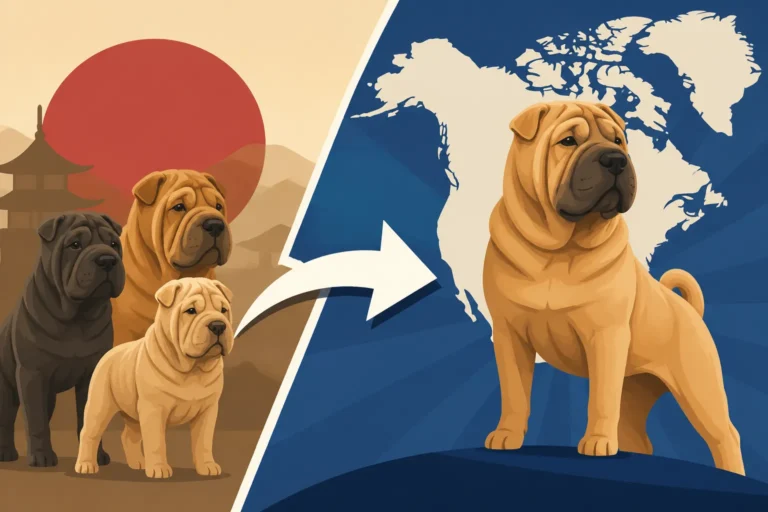
It was in the year 1978 that Matgo Law penned his now-famous letter to Dogs magazine, a prominent American publication focused on purebred dogs. This wasn't just any letter; it was a heart-wrenching appeal, a cry for help for a breed on the verge of extinction. He described the Shar Pei's plight, its unique characteristics, and the urgency of the situation. He painted a vivid picture of a breed with "sandpaper skin," a "hippopotamus muzzle," and a "scowling" expression, truly unlike any other. The letter was a desperate attempt to reach dog lovers and breeders in the West, hoping they might offer sanctuary to the last remaining specimens.
The choice of Dogs magazine was strategic; it reached an audience that cared deeply about rare breeds and dog preservation. His message wasn't just factual; it was deeply emotional, conveying the sense of urgency and tragedy. He included photos, which, in an era before digital photography, was a significant effort, to give American readers a glimpse of these extraordinary creatures. This single letter, published in a niche magazine, became the beacon of hope that the Shar Pei so desperately needed. Which Magazine Published the Shar Pei Appeal provides more context on this important publication.
The Ripple Effect: From Plea to Preservation
Matgo Law's letter was nothing short of a miracle for the Shar Pei. Its publication sparked an astonishing reaction, proving that even in the darkest hours, a single voice can make an extraordinary difference.
How Many Replies the Shar Pei Letter Drew
The response to Matgo Law’s letter was immediate and overwhelming. Dog enthusiasts and breeders from across America, touched by the story of a breed facing oblivion, flooded Dogs magazine and Matgo Law directly with inquiries. It wasn't just a handful of interested parties; it was a deluge of support. People wanted to know how they could help, how they could get one of these incredibly rare dogs, and what they could do to ensure the breed's survival. This was long before email or social media, so imagine the stacks of letters arriving, each one a testament to the power of a compelling story and the universal love for dogs. How Many Replies the Shar Pei Letter Drew highlights the sheer volume of this response.
This outpouring of interest wasn't just sentimental; it was practical. It meant there was a tangible desire and a potential infrastructure in the West to help re-establish the breed. It provided Matgo Law with the validation and support he needed to move forward with the monumental task of relocating some of these precious dogs. Without this robust response, his efforts might have been a solitary, heartbreaking endeavor. The global dog community truly rallied.
The Rescue Mission Begins
With the interest secured, the arduous task of transporting the Shar Pei from Hong Kong to the United States began. This was no simple feat. International travel for animals was complicated, expensive, and stressful. Each dog represented a lifeline, a vital genetic thread for the future of the breed. Imagine the logistics: securing permits, arranging flights, ensuring the health and safety of these precious cargo. These weren't just any dogs; they were the last hopes of a dying breed, and every single one was invaluable. Many of these early imports arrived bearing the physical and emotional scars of their difficult past.
The individuals who stepped up to adopt these first Shar Pei were true pioneers. They took on a responsibility that went far beyond typical pet ownership. They were guardians of a lineage, facing the unknowns of a breed whose health history and genetic predispositions were largely unstudied in the Western world. They committed to providing safe homes and, for some, to carefully beginning breeding programs to expand the population. It was a true collaboration between Matgo Law and these dedicated American enthusiasts, forming the bedrock of the Shar Pei as we know it today.
The Legacy of the Letter
The impact of Matgo Law's 1978 letter resonates to this day, shaping not only the Shar Pei breed but also influencing how we view breed conservation and responsible ownership.
The Shar Pei's Rapid Comeback
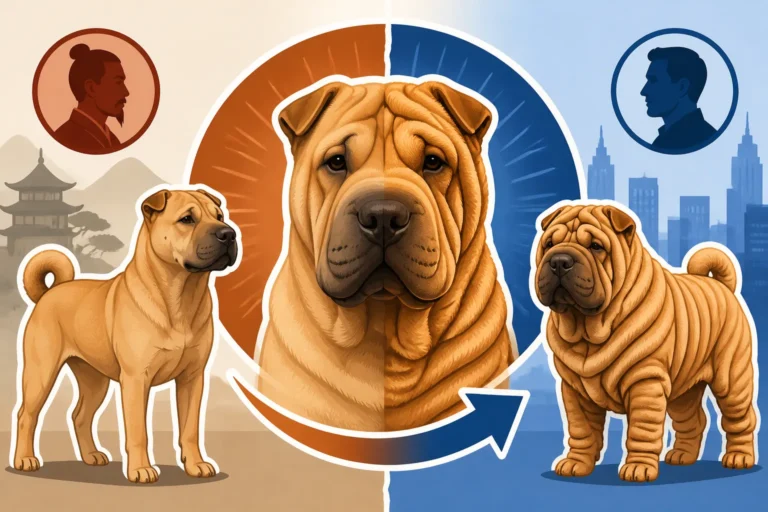
Thanks to the swift action spurred by Matgo Law's letter, the Shar Pei's numbers began to recover with remarkable speed in the Western world. What was once described as the "rarest dog on Earth" by Guinness World Records in 1978 quickly became a sought-after and increasingly popular breed. Guinness Once Called the Shar Pei the Rarest Dog on Earth emphasizes just how dramatic this turnaround was. Within a few short years, what had been a near-extinct breed was being shown in American Kennel Club (AKC) events and captivating the public with its distinctive appearance.
This rapid rise in popularity, while securing the breed's survival, also brought its own set of challenges, which we'll touch on next. The sheer uniqueness of the Shar Pei, its deeply wrinkled face, its "hippopotamus" muzzle, and independent nature, made it stand out from other breeds. As more people learned about them through magazines like Dogs and later, word-of-mouth, the demand grew exponentially. This growth was essential for moving them away from the brink, but it was not without its complications. How Fast Shar Pei Numbers Recovered further illustrates this period of boom.
The Unintended Consequences for Health
While the rescue efforts undeniably saved the Shar Pei, the very narrow genetic pool from which the breed was revived had significant, long-lasting consequences for its health. With only a small number of founding dogs, the genetic diversity was incredibly limited. This created what geneticists call a "bottleneck effect," where certain traits and, unfortunately, certain health predispositions became concentrated within the breed. How Narrow the Shar Pei's Founding Gene Pool Was goes into more detail on this genetic reality.
One of the most significant consequences of this bottleneck is the prevalence of conditions like Familial Shar Pei Fever (FSF) and its devastating complication, Amyloidosis. These conditions are directly linked to the genetic makeup passed down from the small number of original rescue dogs. What Being Saved Did to the Shar Pei's Health fully explores how the breed's very survival inadvertently baked in these health challenges. While commercial entities like Chewy offer a vast array of specialized diets and supplements that can help manage these conditions today, the underlying genetic issues remain a profound part of the breed's story.
For modern Shar Pei owners, understanding this history is crucial. It helps explain why these dogs often require specialized care, regular veterinary check-ups, and owners who are prepared for potential health challenges. It's a sobering reminder that while Matgo Law's letter saved the breed, the path to a healthy future for the Shar Pei is an ongoing commitment for breeders and owners alike.
Caring for a Shar Pei After Its Rescue and Rise
The journey of the Shar Pei from near extinction to beloved companion is a testament to dedication and passion. However, owning one today means understanding its unique needs, many of which stem directly from its tumultuous history.
The Importance of Health Screening and Awareness
Given the genetic bottleneck the breed experienced, health screening is paramount for any Shar Pei owner. Conditions like Familial Shar Pei Fever (FSF) and Amyloidosis, entropion, and various skin issues are sadly common. It's not about being alarmist, but about being realistic and proactive. Regular vet check-ups, even if your dog seems perfectly healthy, are crucial. Asking your veterinarian about breed-specific concerns and genetic testing can make a world of difference. Why a Shar Pei's Kidneys Need Watching From Two Years Old is a prime example of the kind of proactive care these dogs often require.
A good breeder today will openly discuss the health history of their lines, including any incidence of FSF or other common ailments. They should be transparent about health clearances and genetic testing. If you're considering a Shar Pei, educate yourself thoroughly on these issues. Websites like Chewy, for instance, are great resources for finding specialized foods or supplements that might be recommended by your vet to support overall health, especially for breeds with known predispositions. Being well-informed is your best tool for providing a long, healthy life for your wrinkly friend.
Managing Breed-Specific Behavioral Traits
The Shar Pei’s history as a guardian dog means they often possess an independent, somewhat aloof, and sometimes protective nature. These aren't flaws; they are intrinsic parts of the breed's character, traits that were essential for their original roles. Understanding this helps you approach their training and socialization with the right mindset. They may not be the type to greet every stranger with slobbery kisses, and that's perfectly okay. A Shar Pei Was Bred to Guard, Not to Greet elaborates on this fundamental aspect of their temperament.
Early and consistent socialization is vital for a Shar Pei puppy. Exposing them to various sights, sounds, people, and other calm, vaccinated dogs during their critical socialization window (typically before 12-16 weeks) helps them develop into well-adjusted adults. It doesn't guarantee they'll be outgoing with everyone, but it helps prevent fear-based reactions. Positive reinforcement training works best with this intelligent but often stubborn breed. Patience and consistency are key.
The Ongoing Commitment to Breed Preservation
Even though the Shar Pei is no longer on the brink of extinction, the responsibility of preserving the breed's health and integrity continues. Responsible breeders are working to broaden the genetic diversity within the existing population, select for healthier lines, and diligently screen for genetic diseases. Owners play a part too, by supporting ethical breeders, providing excellent care, and being advocates for their dogs' health.
It's a beautiful thing to witness the dedication of those who continue to champion the Shar Pei. From the legacy of Matgo Law to the passionate owners and breeders today, the story of this unique breed is one of resilience and unwavering devotion. When you look at your Shar Pei, remember the incredible journey they've taken, and celebrate the fact that they are here, wrinkles and all.
| Event / Period | Before Matgo Law's Letter (Pre-1978) | After Matgo Law's Letter (Post-1978) |
|---|---|---|
| Breed Status | Critically Endangered, near extinction | Rapid recovery, increased popularity |
| Primary Location | Mostly Hong Kong, few in mainland China | Widespread globally, especially USA |
| Global Awareness | Very low, largely unknown to the West | High, subject of media attention |
| Genetic Diversity | Extremely narrow, dwindling | Still narrow (bottleneck effect), but expanding slowly |
| Health Challenges | Present but unstudied in depth | Identified (FSF, Amyloidosis, etc.), focus of research |
| Breeding Focus | Secret survival, minimal documentation | Preservation, health screening, broader genetic base |
Disclaimer
This article is for general informational purposes only and does not constitute professional advice. Laws, prices and regulations vary by location and change over time. Consult a qualified professional for guidance on your specific situation.