How Fast Shar Pei Numbers Recovered
It’s truly hard to imagine that the distinctive, wrinkled face of a Shar Pei, a breed so recognizable today, was once on the absolute brink of disappearing forever. Many dog lovers don't realize that not so long ago, these incredible dogs were considered the rarest breed on earth, facing extinction. This guide will take you on a journey through the Shar Pei's incredible comeback story, detailing how their numbers surged from near-zero and the complex implications that rapid recovery had for the breed we cherish today.
The Precipice of Extinction: A Look Back at the Shar Pei's Near Demise
Before we can appreciate the astonishing speed of the Shar Pei's recovery, we really need to understand just how dire their situation was. It wasn't just a slight decline; it was a wholesale vanishing act driven by forces far beyond the usual ebb and flow of breed popularity. Imagine a time when owning a dog like a Shar Pei was not just unfashionable, but downright dangerous.
Historical Context: Why the Shar Pei Nearly Vanished in China
The mid-20th century was a tumultuous time in China, marked by significant political and social upheaval. During this period, dog ownership underwent a dramatic transformation. Traditional roles for dogs shifted, and many breeds, including the Shar Pei, found themselves in precarious positions. Historically, the Shar Pei held a respected place in rural Chinese communities as an all-purpose farm dog, guardian, and even a hunter. They were a part of everyday life, valued for their intelligence and protective instincts.
However, as society changed, dogs became symbols of bourgeois indulgence or unsanitary living in certain political climates. Government policies introduced heavy taxes on dog ownership, making it prohibitively expensive for most families to keep a canine companion. In some areas, campaigns actively encouraged the culling of dogs, particularly those not deemed essential for working purposes. It was a devastating blow to native breeds, leading to widespread eradication. Many families, out of necessity or fear, simply had to part with their beloved dogs, and breeding programs ceased entirely. The Shar Pei, already a somewhat specialized breed, was hit incredibly hard by these changes, with its numbers dwindling rapidly and silently behind the Bamboo Curtain.
The Stark Reality of 1970s Numbers: "The Rarest Dog on Earth"
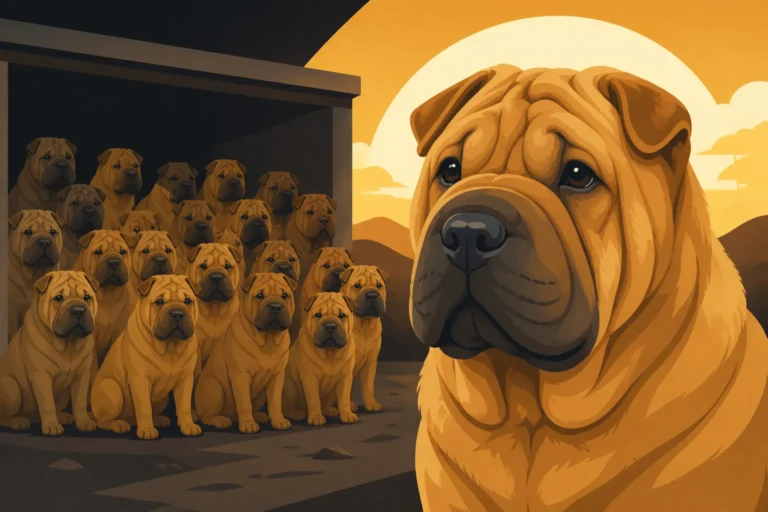
By the 1970s, the situation for the Shar Pei was nothing short of catastrophic. They had virtually disappeared from their homeland. Any remaining dogs were scattered, isolated, and their future looked bleak beyond belief. It's a sobering thought to consider that a breed with such a long history could be wiped out in just a few decades. This grim reality is precisely why Guinness Once Called the Shar Pei the Rarest Dog on Earth. The breed truly was teetering on the edge, with estimates suggesting that only a handful, perhaps around sixty, of these unique dogs were left globally, primarily in Hong Kong.
For those few individuals who recognized the breed's plight, there was an immense sense of urgency. The fear was palpable: if something wasn't done, and done quickly, the Shar Pei would exist only in historical records and photographs. There was no widespread genetic bank, no large-scale conservation effort – just a few dedicated people holding onto threads of hope. The future of the entire breed rested on finding a way to bring these dogs back from the precipice, a challenge that seemed almost insurmountable given the minuscule gene pool and the global political landscape.
The Spark of Hope: Matgo Law's Plea and the Global Response
Miraculously, a lifeline emerged from Hong Kong, orchestrated by a single individual whose passion for the breed would ignite a global movement. It's a testament to the power of one person's voice and the dedication of dog lovers worldwide.
The Man Who Saved a Breed: Matgo Law and His Urgent Letter
The turning point came in 1978, when a man named Matgo Law, a Hong Kong businessman and Shar Pei enthusiast, made a desperate appeal to the Western world. He understood the gravity of the situation, witnessing firsthand the near-extinction of these dogs in his region. His profound concern prompted him to write a powerful letter. The Year Matgo Law Wrote His Letter, it was sent to Dogs magazine, a prominent American publication. In this poignant plea, he detailed the Shar Pei's ancient history, its unique characteristics, and most importantly, its precarious existence.
Law’s letter was a cry for help, warning that without intervention, the breed would vanish forever. He highlighted the urgency, not just for the Shar Pei, but for the preservation of a living piece of canine history. The letter wasn't just informative; it was emotionally charged, painting a vivid picture of a dignified breed facing oblivion. This single act, this powerful message, resonated deeply with dog fanciers across North America and Europe, who were largely unaware of the Shar Pei's plight. It was truly One Letter to a Dog Magazine Saved the Shar Pei, sparking an immediate and enthusiastic response that would change the breed's destiny.
A Trickle Becomes a Flood: Early Imports and Breeding Efforts
The response to Matgo Law's letter was overwhelming. Enthusiasts from the United States, in particular, stepped forward, eager to help. A small number of Shar Pei were carefully sourced from Hong Kong and surrounding areas – the few precious individuals that remained. These initial imports formed the foundational stock for what would become the Western Shar Pei population. It was a truly monumental task, as breeders faced the immense challenge of building an entire breed from such a tiny group of dogs. The genetic diversity was incredibly limited, a factor that would have significant long-term implications for the breed's health.
Establishing a new breeding program with so few animals meant navigating a genetic bottleneck of unprecedented severity. There was very little room for error, and every breeding decision carried immense weight. Breeders had to work meticulously, sometimes traveling great distances to ensure the continuation of the bloodline. They were essentially curating a future for the breed from a handful of survivors. This effort highlights just How Narrow the Shar Pei's Founding Gene Pool Was, emphasizing the remarkable dedication required to bring the Shar Pei back from the brink. It was a slow and painstaking process in the beginning, but the seeds of recovery had been planted, and they were about to sprout at an incredible rate.
The Shar Pei Boom: From Rarity to Rapid Popularity
Once established in the West, the Shar Pei's unique appearance and compelling backstory quickly captured public imagination. What started as a dedicated rescue effort soon transformed into an explosion of popularity, with the breed's numbers soaring at an astonishing rate.
The Allure of the Wrinkled Dog: Why the West Fell in Love
It's not hard to see why the Shar Pei became an overnight sensation. Their distinct wrinkled skin, hippopotamus-like muzzle, and enigmatic expression were unlike anything most Westerners had ever seen. They were exotic, intriguing, and undeniably cute, especially as puppies. The media quickly latched onto their "rarest dog" status, further fueling public interest. Everyone, it seemed, wanted a piece of this living legend. This fascination led to a massive surge in demand throughout the 1980s and into the 1990s. Owning a Shar Pei wasn't just having a pet; it was a statement, a badge of uniqueness.
This rapid growth in demand was unprecedented for a breed that had just narrowly escaped extinction. People were captivated by their novelty and their independent, sometimes aloof, yet fiercely loyal temperament. Shows and magazines featured them prominently, further cementing their status as a must-have companion. The perception of owning a "rare" dog was a huge draw, and it quickly translated into a commercial boom for the breed. Suddenly, the Shar Pei was everywhere, from commercials to celebrity homes, a far cry from its near-forgotten status just a decade prior.
The Unintended Consequences of Rapid Growth: Puppy Mills and Unethical Breeding
Unfortunately, with such rapid and intense popularity, especially for a breed that was once so rare, comes a dark side: exploitation. The enormous demand for Shar Pei puppies outstripped the supply from ethical, health-focused breeders. This created a vacuum that was quickly filled by unscrupulous individuals and large-scale commercial breeding operations, often referred to as "puppy mills." These breeders prioritized profit over the health and welfare of the dogs, breeding quickly and often without regard for genetic health screening or temperament.
The boom meant that many puppies were born with inherited health conditions that responsible breeders work hard to mitigate. Conditions like Familial Shar Pei Fever Is Not an Infection, entropion, and various skin issues became more prevalent as less selective breeding practices took hold. It was a heartbreaking irony: the very surge in numbers that saved the breed from extinction also inadvertently introduced and spread significant health challenges. This period of rapid expansion truly highlights Whether the Shar Pei Boom Damaged the Breed, forcing dedicated owners and advocates to grapple with a new set of problems entirely. Many new owners, eager to bring home a Shar Pei, might have struggled to find reliable information or quality products for dogs with special needs. Thankfully, resources from reputable pet supply companies, like Chewy, eventually provided accessible options for managing common breed-specific issues with appropriate food, grooming tools, and supplements.
Navigating the Aftermath: Sustaining the Breed's Future
The initial excitement of the Shar Pei's comeback eventually gave way to a deeper understanding of the challenges inherent in a breed saved from such a small gene pool and then popularized so quickly. The focus shifted from merely increasing numbers to ensuring the quality of those numbers.
The Health Legacy: Dealing with Genetic Predispositions
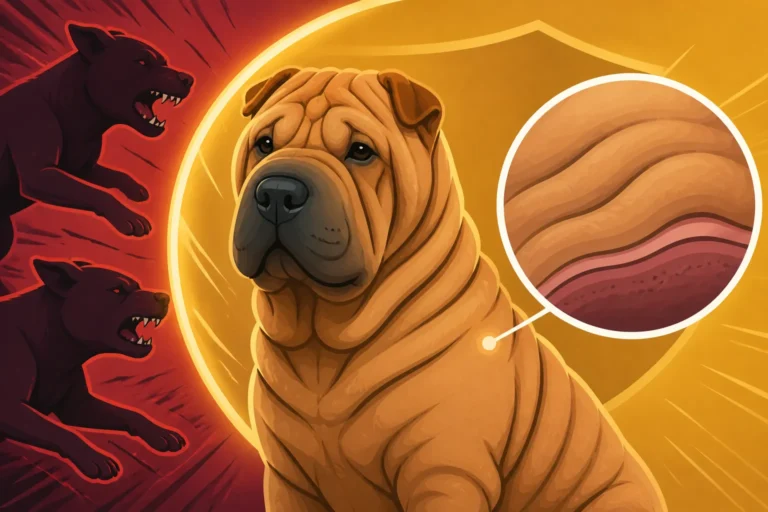
The rapid breeding during the boom years, often without sufficient health testing, unfortunately solidified some genetic predispositions within the breed. Shar Pei owners quickly learned that their unique companions often came with a unique set of health concerns. Beyond the well-known Shar Pei Fever, which is linked to the same genetic mutation that gives them their characteristic wrinkles, many dogs developed chronic skin issues, ear problems due to their narrow canals, and eye conditions like entropion. These aren't just minor inconveniences; they can lead to significant discomfort, pain, and costly veterinary care throughout a dog's life.
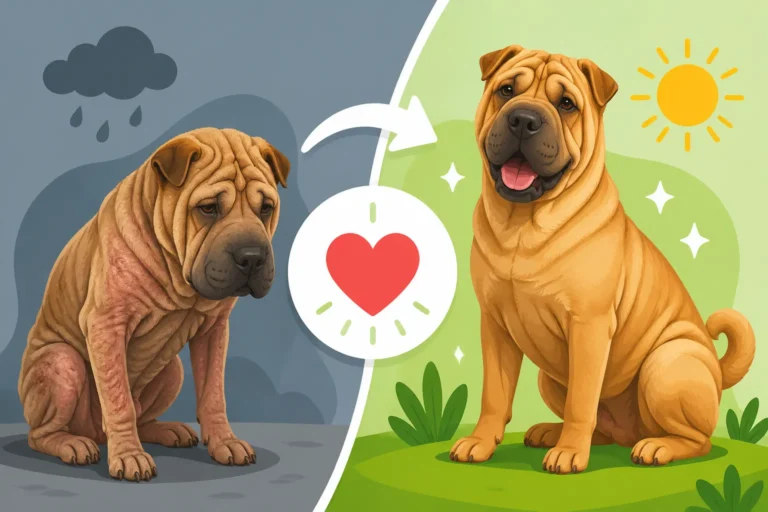
Recognizing these issues was a crucial step. Responsible breeders and veterinary professionals began advocating for thorough health screening, including genetic testing for known conditions and regular veterinary check-ups to catch problems early. The conversation moved from simply having a Shar Pei to having a healthy Shar Pei. Owners became more educated about the signs of issues like Why a Shar Pei's Kidneys Need Watching From Two Years Old and the importance of proactive care rather than reactive treatment. This collective learning process, sometimes painful, was essential for the long-term well-being of the breed.
The Role of Rescues and Responsible Ownership
As the initial novelty wore off and the health and behavioral challenges of some poorly-bred Shar Pei became apparent, many dogs found themselves in need of new homes. This led to the vital establishment of Shar Pei rescue organizations, which became an indispensable safety net for the breed. These dedicated groups work tirelessly to rehome Shar Pei, often rehabilitating dogs with significant health or behavioral issues. They shoulder the responsibility of educating potential adopters about the breed's specific needs, ensuring a better match and a forever home.
The existence of these rescues underscores Why Shar Pei Fill Rescues and What Adopting One Involves. It’s a harsh reminder that while rapid recovery in numbers was achieved, it came with a cost. Responsible ownership became paramount: understanding the breed's needs, committing to their health care, and providing consistent training and socialization. For those considering a Shar Pei today, researching breeders thoroughly or choosing to adopt from a reputable rescue are key steps. These organizations are often treasure troves of information, and they know exactly what a Shar Pei needs, helping new owners find quality food, toys, and grooming products, perhaps even recommending specific brands available at places like Chewy for easy access.
Looking Forward: Ensuring a Healthy and Respected Shar Pei
The journey of the Shar Pei from near-extinction to widespread recognition has been remarkable, but it's an ongoing story. The focus now is firmly on building a healthier, more stable future for the breed, learning from the challenges of their rapid recovery.
The Evolution of Breeding Practices: Focus on Health and Temperament
Today, ethical breeders are the backbone of the Shar Pei's continued improvement. They are dedicated to moving beyond the sheer numbers game that characterized the breed's boom years. Their priorities lie squarely in health testing, genetic screening, and careful selection for sound temperament. This means screening for conditions like Shar Pei Fever, entropion, and hip and elbow dysplasia, as well as considering the overall health history of parent dogs. The goal is not just to produce puppies, but to produce healthy, well-adjusted puppies that embody the best characteristics of the breed.
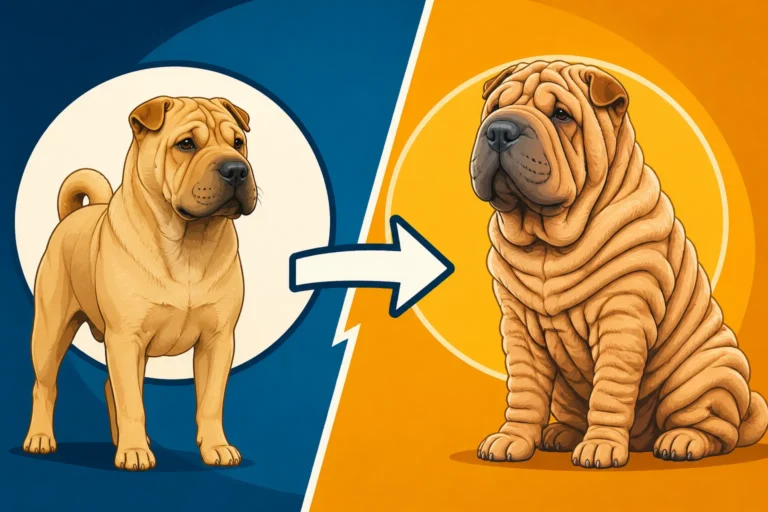
There's also a conscious effort to address some of the extreme physical traits that became overly exaggerated during the height of the breed's popularity. For instance, discussions around Whether Breeding for Fewer Wrinkles Would Help are not just cosmetic; they often tie directly into health, as excessive skin folds can lead to skin infections and eye problems. Breeders are striving for a balance that honors the Shar Pei's distinctive look while prioritizing function and comfort. This meticulous approach ensures that the breed's future is built on a foundation of well-being, rather than simply novelty or visual appeal.
Education and Advocacy: Empowering Shar Pei Owners
The most significant tool for safeguarding the Shar Pei's future is knowledge. Empowering owners with accurate, comprehensive information about the breed's unique needs is crucial. This means understanding their potential health issues, knowing how to provide appropriate care for their skin and ears, and recognizing the importance of early socialization and consistent, positive training. Organizations like the Chinese Shar-Pei Club of America play a vital role in providing resources, educating the public, and promoting responsible breeding practices.
For prospective owners, taking the time to thoroughly research the breed, talk to experienced Shar Pei enthusiasts, and visit reputable breeders or rescues is invaluable. Knowing What a Shar Pei Puppy Costs From a Health Testing Breeder helps set realistic expectations for initial investment, and understanding the ongoing costs associated with their care is just as important. The goal is to ensure that every Shar Pei finds a home where its specific needs are understood and met, allowing these incredible dogs to thrive. By supporting ethical breeding, adopting responsibly, and committing to lifelong care, we can all contribute to a healthier, happier future for the Shar Pei. You can find many of the necessary supplies and even breed-specific care guides on platforms like Chewy, making it easier for new owners to get started on the right foot with their wrinkled companions.
| Event | Approximate Period | Description | Impact on Breed Numbers |
|---|---|---|---|
| Near Extinction in China | 1940s – 1970s | Political and economic pressures, including dog taxes, led to drastic culling of dog populations. | Numbers plummeted to critically low levels (estimated ~60). |
| Matgo Law's Appeal | 1978 | Letter published in Dogs magazine in the US, raising awareness about the breed's desperate state. | Sparked international interest and rescue efforts. |
| Initial Imports to the West | Late 1970s – Early 1980s | A small number of Shar Pei were brought from Hong Kong to North America and Europe to establish breeding stock. | Slow, careful increase from the foundational few. |
| Breed Popularity Boom | Mid-1980s – 1990s | Unique appearance and "rare breed" status led to rapid public interest and demand. | Numbers rapidly expanded, but often without health scrutiny. |
| AKC Recognition | 1992 | Formal recognition by the American Kennel Club further solidified its place in the dog world. | Increased visibility and formalized breeding, but also pressure for quick production. |
| Health Awareness & Rescue Efforts | 2000s – Present | Growing understanding of breed-specific health issues led to more responsible breeding and robust rescue networks. | Focus shifted to quality over quantity, stabilizing healthy numbers. |
Disclaimer
This article is for general informational purposes only and does not constitute professional advice. Laws, prices and regulations vary by location and change over time. Consult a qualified professional for guidance on your specific situation.