The Shar Pei Against a Bulldog
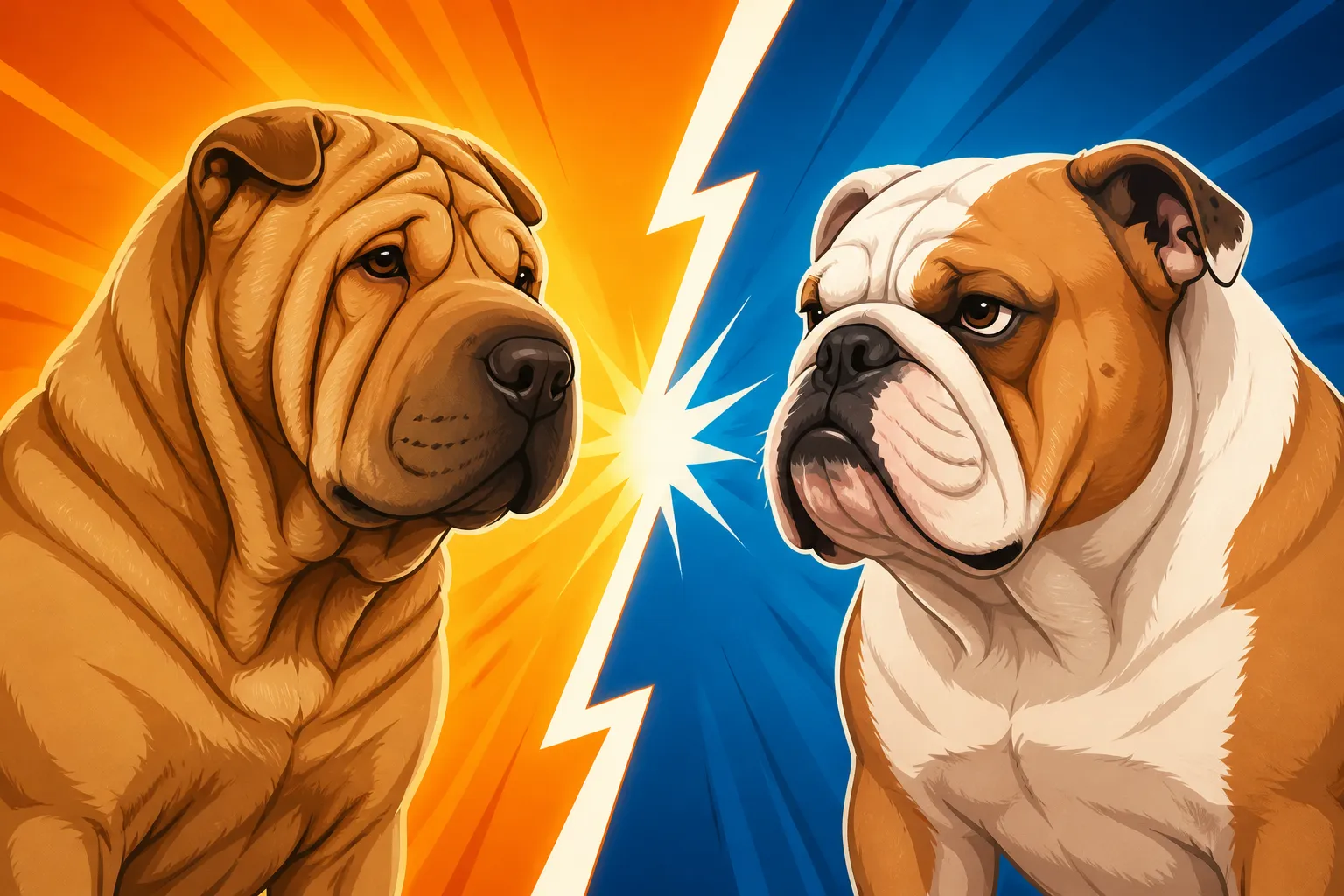
Choosing a new dog to bring into your family is such an exciting time, but it can also be incredibly daunting, especially when you're weighing up two breeds as distinct and strong-willed as the Shar Pei and the Bulldog. Both have loyal followings, instantly recognizable looks, and a reputation for being, well, themselves. This guide aims to pull back the curtain on what truly differentiates these fascinating dogs beyond just their wrinkles, helping you understand their core needs and determine which might be the better fit for your unique home and lifestyle.
The Distinctive Looks: Wrinkles, Build, and Unique Features
When you think of either a Shar Pei or a Bulldog, the first thing that often comes to mind are those adorable, expressive wrinkles. But delve a little deeper, and you'll quickly see that these breeds, despite sharing some superficial similarities in their folded skin, are truly in a league of their own. Their physical differences extend far beyond skin deep, impacting everything from their health to how they interact with the world.
Wrinkles and Coat Texture
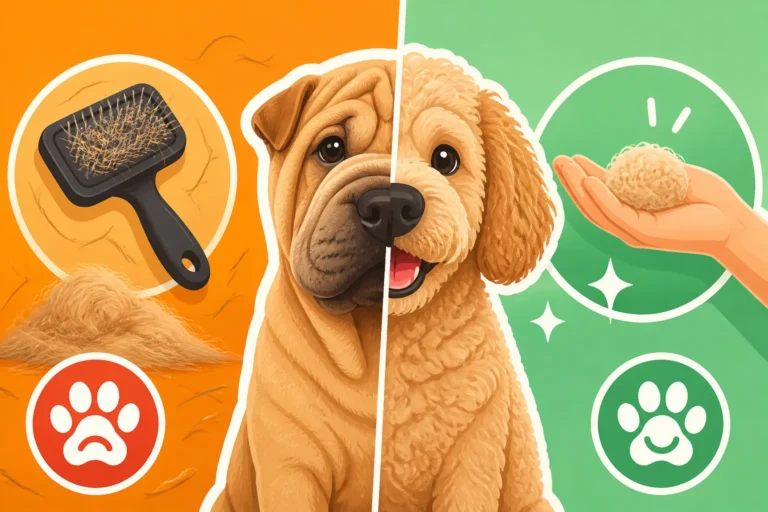
The Shar Pei’s wrinkles are often abundant, especially when they are puppies, making them look like little sentient blankets. These folds are part of their genetic makeup, linked directly to a mutation that influences hyaluronic acid production. As they mature, many Shar Pei "grow into their skin," with adults typically retaining prominent wrinkles primarily on their head and neck, with a more streamlined body. The Shar Pei's coat itself is unique – it's short, rough, and bristly, often described as feeling like sandpaper or horsehair. There are different coat types, like the "horse coat" which is very short and prickly, and the "brush coat" which is slightly longer and softer, but neither is plush or smooth. This coarse coat offers some protection, but it also demands specific care to keep the underlying skin healthy.
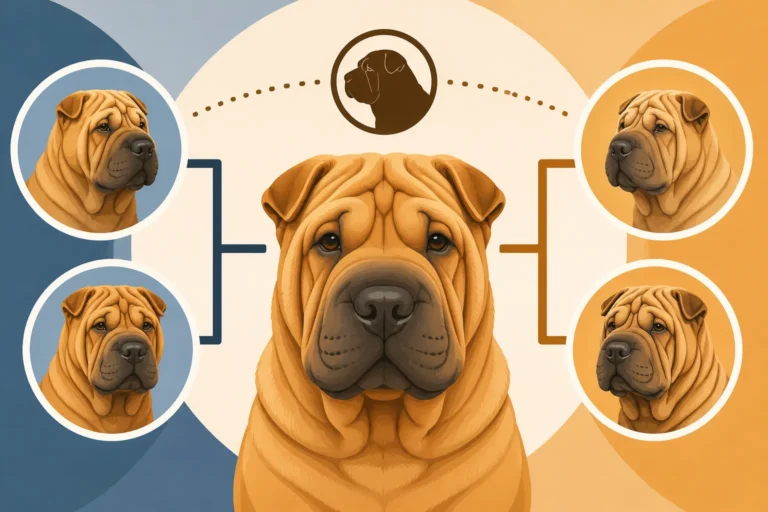
On the other hand, the Bulldog's wrinkles, known as "ropes," are concentrated primarily on their face and around their shoulders. These deep folds are a hallmark of the breed, giving them their characteristic "sourmug" expression. Unlike the Shar Pei, the Bulldog's wrinkles are a defining feature that largely persists into adulthood with minimal change in their prominence. Their coat is universally short, fine, and smooth, feeling much softer to the touch than a Shar Pei's. While both breeds have these charming folds, the location, depth, and the texture of the coat within and around them differ significantly, each presenting its own set of grooming challenges, which we'll get into later. For the Shar Pei, you can learn more about how their unique skin develops by reading Which Gene Duplication Causes a Shar Pei's Wrinkles.
Build and Stature
A Shar Pei generally presents as a medium-sized dog, standing typically between 18 to 20 inches at the shoulder and weighing 45 to 60 pounds. They possess a square, compact build with a broad, deep chest and a rather distinct "hippopotamus" shaped muzzle. Their sturdy frame suggests a history of working, and they move with a somewhat stately, deliberate gait. Their overall appearance is one of ancient dignity and strength, without being overly bulky.
The Bulldog, conversely, is a low-slung, heavily muscled dog, often appearing much wider than they are tall. They usually stand about 14-15 inches at the shoulder but can weigh a surprising 40-50 pounds, with some males pushing beyond that. Their broad head, massive jaws, and bowed legs give them an unmistakable, powerful silhouette. They have a rolling, shuffling gait, a direct result of their unique physical construction. While both breeds are undeniably robust, the Shar Pei's build leans more towards agile strength, whereas the Bulldog embodies sheer, compact power.
Other Unique Physical Features
Beyond their wrinkles and general build, each breed possesses other distinct physical traits. The Shar Pei is famous for its blue-black tongue, a characteristic it shares with only one other breed, the Chow Chow. This pigmentation is a natural part of their anatomy and is often seen as a mark of authenticity. Their ears are small, triangular, and set high on the head, lying flat against the skull. Their eyes are deeply set, often giving them a somewhat serious or scowling expression. This deep-set eye placement, combined with heavy brow wrinkles, can actually restrict their peripheral vision, which has implications for their behavior. You can learn more about this by reading Why a Shar Pei Startles: It Cannot See You Coming.
Bulldogs, on the other hand, sport a large, broad head with a short, pushed-in nose, which classifies them as a brachycephalic breed. Their lower jaw is prognathous, meaning it extends beyond the upper jaw, exposing their distinct "undershot" bite. Their ears are small and rose-shaped, folded back to reveal part of the burr. Their tail can be straight, but is often either a "screw" or "pump handle" tail, naturally short and carried low. These distinct features, especially the brachycephalic skull, come with their own set of considerations regarding health and heat tolerance, which we will explore further.
Temperament and Training Needs: Independent Spirits vs. Affectionate Clowns
When you open your home to a Shar Pei or a Bulldog, you're not just getting a dog; you're inviting a truly distinct personality into your life. Both breeds are known for their strong characters, but they express themselves in vastly different ways, which has major implications for training, socialization, and general daily living.
Aloofness vs. Outgoing Nature
The Shar Pei is often described as an independent, noble, and somewhat aloof breed. They tend to bond fiercely with their immediate family, often becoming a "one-person dog" or deeply attached to a select few, but they aren't generally inclined to shower strangers with affection. They were historically bred to be guardians, and that instinct is still very much alive. When a new person enters their space, a Shar Pei will typically observe quietly, assessing the situation. They aren't usually aggressive without cause, but they are wary and reserved, and a proper introduction is crucial. This can be a challenge for owners who love to host gatherings or expect their dog to be the life of the party at the dog park. Understanding their natural guarding tendencies is key, as discussed in A Shar Pei Was Bred to Guard, Not to Greet.
Bulldogs, while they can also be protective of their families, generally possess a much more outgoing and gregarious nature. They are renowned for their gentle, affectionate, and often comical disposition. Bulldogs thrive on human companionship and are known for their desire to be close to their people, often seeking out laps or a comfy spot on the sofa. They typically greet visitors with a friendly, if somewhat clumsy, enthusiasm. While they might not be the most agile, their social nature makes them a favorite in many homes, readily accepting cuddles and attention from a wider circle of friends and family. They’re less likely to be suspicious and more likely to welcome new faces into their sphere.
Trainability and Stubbornness
Both breeds are often labeled "stubborn," but the root of this characteristic differs. A Shar Pei's independence can translate to a "what's in it for me?" attitude during training. They are intelligent dogs, but they often require creative motivation and consistent, positive reinforcement to keep them engaged. They are not typically a breed that lives to please; rather, they prefer to cooperate on their own terms. If a task isn't appealing or doesn't make sense to them, they might simply refuse to engage, staring at you with that classic "Shar Pei side-eye." This can be frustrating for first-time dog owners, but for those who understand their independent streak, it can be quite endearing. You can read more about this in The Headstrong Streak Nobody Trains Out of a Shar Pei.
Bulldogs, too, have a stubborn streak, but it often manifests as a laid-back reluctance rather than outright defiance. They are generally eager to please their owners, but their low energy levels and sometimes short attention spans can make training a slow process. They prefer comfort and ease over rigorous exercise or intense mental challenges. You'll often find a Bulldog choosing a nap over a training session, and they might need a bit more coaxing, often with high-value treats, to get them moving. While not as sharp as some working breeds, they are perfectly capable of learning basic obedience commands with patience and consistency, albeit at their own leisurely pace. They respond best to a gentle, encouraging approach.
Socialization Needs
Early and extensive socialization is paramount for both breeds, but for different reasons. For a Shar Pei, it's about channeling their natural wariness and guarding instincts into a balanced temperament. Without proper exposure to a wide variety of people, places, sounds, and other dogs during their critical puppyhood, a Shar Pei can become overly suspicious, fearful, or even aggressive. It's not just about meeting other dogs; it's about learning that the world isn't a threat. This often requires dedicated effort from the owner to ensure positive experiences in controlled environments. Ignoring this crucial period will lead to a dog that struggles with novel situations later in life, as explained in Socialize a Shar Pei Before Twelve Weeks or Pay for It Later.
For a Bulldog, socialization is more about shaping their naturally friendly demeanor into polite interactions and preventing them from becoming overly boisterous or pushy. While generally good-natured, an undersocialized Bulldog might lack confidence around strange dogs or become overly excited when meeting new people, leading to accidental knocking-over or excessive jumping. Early positive experiences help them develop into well-adjusted adults who are comfortable in various social settings. They generally adapt well to new situations if introduced calmly and positively, making them a more straightforward prospect for socialization compared to the more reserved Shar Pei.
Health Concerns and Lifespan: Unique Vulnerabilities
Both Shar Pei and Bulldogs, sadly, come with a predisposition to certain breed-specific health issues. These aren't just minor quirks; they can be serious, require significant veterinary intervention, and impact their quality of life and your wallet. Understanding these vulnerabilities is crucial for any potential owner.
Breathing and Brachycephalic Issues
This is where the Bulldog truly stands apart. As a brachycephalic (short-nosed) breed, Bulldogs are prone to Brachycephalic Obstructive Airway Syndrome (BOAS). Their shortened snouts, elongated soft palates, and narrow nostrils can severely impede airflow, making breathing difficult, especially in warm weather or during exercise. Symptoms can range from noisy breathing and snoring to fainting and severe overheating. Many Bulldogs require corrective surgery to improve their breathing, and owners must always be vigilant about heatstroke. A cooling vest or mat, and limiting strenuous activity, are not just recommendations but often necessities for Bulldog owners, particularly in warmer climates.
While Shar Pei are not brachycephalic, they can experience some breathing issues due to their "meat mouth" structure, which can sometimes lead to a slightly restricted airway. However, it's not on the same scale or severity as the Bulldog's BOAS. Their primary concern related to head structure is often their eyes, not their breathing. A Shar Pei's deep-set eyes and heavy wrinkles can cause entropion, where the eyelids roll inward, causing eyelashes to rub against the cornea. This is an urgent issue in puppies and often requires surgical correction, as detailed in Entropion in a Shar Pei Puppy Is an Emergency, Not a Cosmetic Issue.
Joint and Skin Problems
Both breeds can face joint problems, albeit different ones. Bulldogs are particularly susceptible to hip and elbow dysplasia due to their heavy build and genetic predispositions. Patellar luxation (slipping kneecaps) is also not uncommon. These conditions can lead to pain, lameness, and arthritis as they age, often requiring medication, physical therapy, or even surgery.
Shar Pei can also experience hip and elbow dysplasia, but they are more infamously known for their unique skin conditions. Their abundant wrinkles create perfect pockets for moisture and bacteria, leading to skin fold dermatitis. This requires diligent cleaning and often medicated wipes or shampoos. Additionally, they are prone to a genetic condition called Cutaneous Mucinosis, where excess mucin builds up under the skin, causing bumps or blisters. This isn't usually painful but can be unsightly. Skin Is the Shar Pei's Largest Problem by Surface Area dives deeper into the complexities of Shar Pei skin.
Other Significant Health Issues
The Shar Pei has a notoriously complex genetic health profile, dominated by Familial Shar Pei Fever (FSF). This is a hereditary inflammatory disorder that causes recurrent fevers, swelling of the hocks, and lethargy. While FSF itself is manageable, the real danger lies in its long-term complication: Amyloidosis. Amyloidosis occurs when abnormal protein deposits (amyloid) build up in organs, most commonly the kidneys, leading to organ failure. This is often what actually kills a Shar Pei. Early detection and management with medication like colchicine can help, but it’s a lifelong battle. You can learn more about this serious condition in Amyloidosis Is What Actually Kills a Shar Pei.
Bulldogs, while spared from FSF and amyloidosis, face their own serious breed-specific conditions. Besides BOAS and joint issues, they are prone to various eye conditions like cherry eye (protrusion of the third eyelid), dry eye, and entropion/ectropion (inward/outward rolling eyelids). They are also susceptible to certain cancers, heart conditions, and allergies. Bulldogs often require cesarean sections for birth due to their large heads, making breeding a more complex and costly endeavor.
Here's a quick comparison of some common health concerns:
| Health Category | Shar Pei | Bulldog |
|---|---|---|
| Respiratory | Mild potential for airway restriction (meat mouth) | Severe Brachycephalic Obstructive Airway Syndrome (BOAS) |
| Skin | Skin fold dermatitis, Cutaneous Mucinosis, allergies | Skin fold dermatitis, allergies, acne |
| Joints | Hip and elbow dysplasia | Hip and elbow dysplasia, patellar luxation |
| Genetic/Systemic | Familial Shar Pei Fever (FSF), Amyloidosis | Heart conditions, certain cancers, allergies |
| Eyes | Entropion, glaucoma | Cherry eye, dry eye, entropion/ectropion |
| Heat Tolerance | Moderate risk of overheating (due to mucin/folds) | High risk of overheating (due to brachycephaly) |
Grooming and Daily Care: The Wrinkly Responsibilities
Both the Shar Pei and the Bulldog demand a certain level of commitment when it comes to grooming, largely due to their signature wrinkles. However, the specific areas of focus and the tools you'll need differ, making each breed uniquely challenging in its own way. Don't underestimate the daily effort required; neglecting these routines can lead to uncomfortable and costly health issues.
Coat Care and Bathing
The Shar Pei's coarse, bristly coat is surprisingly low-maintenance in terms of shedding, but it does benefit from regular brushing, perhaps once or twice a week, to remove loose hair and stimulate the skin. A rubber curry brush or a shedding blade works wonders on their unique texture. Bathing a Shar Pei requires careful attention to detail. While not overly prone to body odor if healthy, their folds and dense coat can trap moisture. The most critical part of bathing a Shar Pei isn't the washing, but the drying. Every single fold, crease, and even the spaces between their toes needs to be thoroughly dried, often with a towel followed by a low-setting hairdryer. Failure to do so creates a breeding ground for yeast and bacterial infections, leading to skin fold dermatitis. You can find specialized shampoos for sensitive skin or medicated washes online, perhaps on a site like Chewy, if your vet recommends them. Drying Is More Important Than Washing on a Shar Pei emphasizes this crucial step.
The Bulldog's short, fine, and smooth coat also sheds, but typically in smaller, manageable amounts. Weekly brushing with a rubber mitt or soft bristle brush is usually sufficient to keep their coat healthy and reduce shedding. Bathing a Bulldog is relatively straightforward; their short coat dries quickly. However, like the Shar Pei, their wrinkles are the real challenge. Ensuring that all facial and body folds are meticulously cleaned and dried after bathing is crucial to prevent irritation and infection. Because their coats are so different, the tools and techniques you'll use for their primary body grooming will diverge significantly, even if the wrinkle care shares some common ground.
Fold Care: A Daily Ritual
For both breeds, daily or every-other-day wrinkle care is non-negotiable. For the Shar Pei, you'll need to pay close attention to the wrinkles around their face, neck, and any folds on their body. These areas can trap dirt, food particles, and moisture. Many owners use soft, unscented baby wipes, specialized pet wipes, or cotton pads moistened with a gentle antiseptic solution to clean deep into these folds. After cleaning, it's vital to ensure the folds are completely dry. Some owners even use a tiny bit of cornstarch or medicated powder if recommended by their vet, but only after ensuring the area is dry. This meticulous care helps prevent the painful and smelly skin infections Shar Pei are so prone to.
The Bulldog's facial ropes are their main area of concern. Food, drool, and moisture can accumulate in the deep creases around their nose and under their eyes. Cleaning these folds with a soft cloth, a cotton swab, or specialized wrinkle wipes is a daily task. Again, drying is paramount. Neglecting these areas can lead to redness, irritation, and yeast or bacterial infections that can be very uncomfortable for the dog. Owners often find themselves routinely checking their Bulldog's "tail pocket" as well, a small indentation often found at the base of their screw tail, which can also harbor bacteria and debris if not kept clean. Investing in good quality pet wipes, which you can easily find on Chewy, is a smart move for either breed.
Ear and Eye Care
Shar Pei have tiny, tightly folded ears with extremely narrow ear canals. This unique anatomy makes them highly susceptible to ear infections. Regular cleaning, often with a vet-approved ear cleaning solution, is essential to prevent wax buildup and moisture trapping. However, due to the narrowness of their canals, extreme caution must be exercised, and cotton swabs should generally be avoided as they can push debris deeper. Many owners find their Shar Pei needs professional ear cleanings under sedation at the vet periodically. A Shar Pei Has the Narrowest Ear Canals of Any Breed details just how challenging their ear care can be. Their deeply set eyes also benefit from gentle wiping with a damp cloth to remove any debris or discharge, especially if they are prone to tearing.
Bulldogs, with their rose ears, are less prone to the specific deep ear canal issues of the Shar Pei, but still require regular ear checks and cleaning to prevent infections. Their exposed eye structure, however, makes them prone to other issues. Owners need to regularly inspect their Bulldog's eyes for redness, discharge, or signs of irritation, particularly if they suffer from cherry eye or entropion. Gentle wiping with a soft, damp cloth can help keep their eyes clean. Both breeds, due to their unique features, require a hands-on approach to hygiene that goes beyond what many typical dog owners might expect.
Lifestyle Compatibility: Who Fits Your Family?
Deciding between a Shar Pei and a Bulldog isn't just about their looks or health; it's about finding a dog whose personality and needs truly align with your lifestyle. Both breeds have devoted fans, but they thrive in very different environments and with different types of owners. Understanding these nuances is critical for a happy household.
Energy Levels and Exercise Needs
This is a stark contrast between the two breeds. A Shar Pei, while not a marathon runner, does have a moderate energy level and needs consistent exercise to stay healthy and well-behaved. They benefit from at least 45 minutes to an hour of activity daily, ideally broken into two walks. This could be a brisk walk around the neighborhood, some playtime in a securely fenced yard, or mental stimulation through training games. However, their unique physical traits mean you need to be mindful of the weather; they are prone to overheating in hot climates due to their dense skin and can struggle in extreme cold with their short coat. An Hour a Day Suits a Shar Pei, and Heat Cuts It Short explains the thermal considerations for this breed. Without adequate exercise, a Shar Pei can become bored and destructive.
Bulldogs are, by and large, a much lower-energy breed. They are the quintessential "couch potato" dogs. While they still need daily activity to prevent obesity and keep their joints mobile, this typically amounts to shorter, leisurely walks of 15-30 minutes, or gentle play in a cool environment. Their brachycephalic nature makes them extremely sensitive to heat and overexertion, which can quickly lead to respiratory distress. Strenuous exercise, running, or walks during the hottest parts of the day are strictly out for a Bulldog. They are much happier snuggled on the sofa or pottering around a cool home. If you're an avid hiker or jogger, neither breed is truly suited, but the Bulldog is especially not.
Family Dynamics and Children
The Shar Pei can be a devoted family dog, but their guarded nature means they often bond most strongly with one or two individuals. They are generally tolerant of children if raised with them from puppyhood and if the children are taught to respect the dog's boundaries. However, their limited peripheral vision means they can be startled easily, and their tendency to be less outwardly expressive with their discomfort can make them a challenging match for very young or boisterous children who might not recognize subtle warning signs. Supervision is always essential. A Shar Pei requires a calm, consistent household where their need for personal space is respected.
The Bulldog, with their generally sweet and patient disposition, is often considered a fantastic family dog, especially for homes with children. Their sturdy build and low-slung stature make them quite tolerant of clumsy toddlers, and they are usually quite happy to be part of family activities without demanding constant attention. They are often described as "nanny dogs" due to their calm and protective nature with kids. However, as with any dog, proper supervision is always key, and children should be taught how to interact respectfully with any pet. Their placid temperament generally makes them more adaptable to the hustle and bustle of a busy family home than a Shar Pei might be.
Apartment Living and Climate Considerations
Both breeds can adapt well to apartment living, provided their specific needs are met. For a Shar Pei, this means ensuring they get their daily exercise outside the apartment. Their relatively quiet nature and preference for indoor comfort make them good apartment dwellers. However, owners must be diligent about managing their heat tolerance, especially in humid climates. A cooling mat or air conditioning is often a necessity, and walks should be timed for cooler parts of the day.
The Bulldog is arguably even better suited to apartment living due to their minimal exercise requirements and strong preference for indoor comfort. They are not prone to excessive barking and are perfectly content to nap for hours. Their major consideration in any living situation is heat management. An air-conditioned home is almost a non-negotiable for a Bulldog, especially in regions with warm summers. Walking a Bulldog in excessive heat is dangerous, so access to a cool indoor environment is paramount for their well-being. If you live in a hot climate and don't have reliable AC, neither breed is a good choice, but the Bulldog would be in particular distress.
Temperament Snapshot: Shar Pei vs. Bulldog
Let’s lay out some key temperament differences to make the choice a little clearer.
| Trait | Shar Pei | Bulldog |
|---|---|---|
| Affection Towards Family | Devoted, bonds fiercely with inner circle, can be one-person | Very affectionate, loves close contact, wants to be with family |
| Behavior with Strangers | Reserved, wary, aloof, needs careful introduction | Friendly, generally outgoing, eager for attention |
| Tolerance with Children | Tolerant if raised with them and boundaries respected, can be startled | Patient, gentle, sturdy, generally excellent with children |
| Other Pets | Can be dog-aggressive, requires extensive early socialization | Generally good with other pets if socialized, can be dominant |
| Trainability | Intelligent but independent, can be stubborn, needs motivation | Eager to please but can be stubborn and easily distracted, low energy |
| Barking Tendency | Moderate, good watchdogs, will alert to intruders | Low, generally quiet, occasional snorts/grunts |
| Independence | High, content to be nearby but not always "on" you | Moderate, loves companionship, but happy to nap alone |
| Play Style | Can be playful, but often prefers short, intense bursts | Low-key, often clumsy, enjoys short games of tug/chase |
When you consider the lifetime commitment, both of these remarkable breeds ask a lot of their owners. The Shar Pei will challenge you with their stoicism and genetic health issues, while the Bulldog will delight you with their gentle spirit but demand constant vigilance over their breathing and joint health. The "right" dog isn't about which one is easier, but which one truly resonates with your capacity for care and the lifestyle you can offer.
Disclaimer
This article is for general informational purposes only and does not constitute professional advice. Laws, prices and regulations vary by location and change over time. Consult a qualified professional for guidance on your specific situation.