Whether a Shar Pei Can Be Solid Black
A Shar Pei can absolutely be solid black: black is a recognized coat color, not a sign that a dog is mixed or unusually bred. The confusing part is that “solid” does not always mean every hair looks perfectly black in every light, and coat standards can differ between registries. This guide explains what counts as black, what can make the coat look different, and what color can—and cannot—tell you about a dog.
Can a Shar Pei Be Solid Black
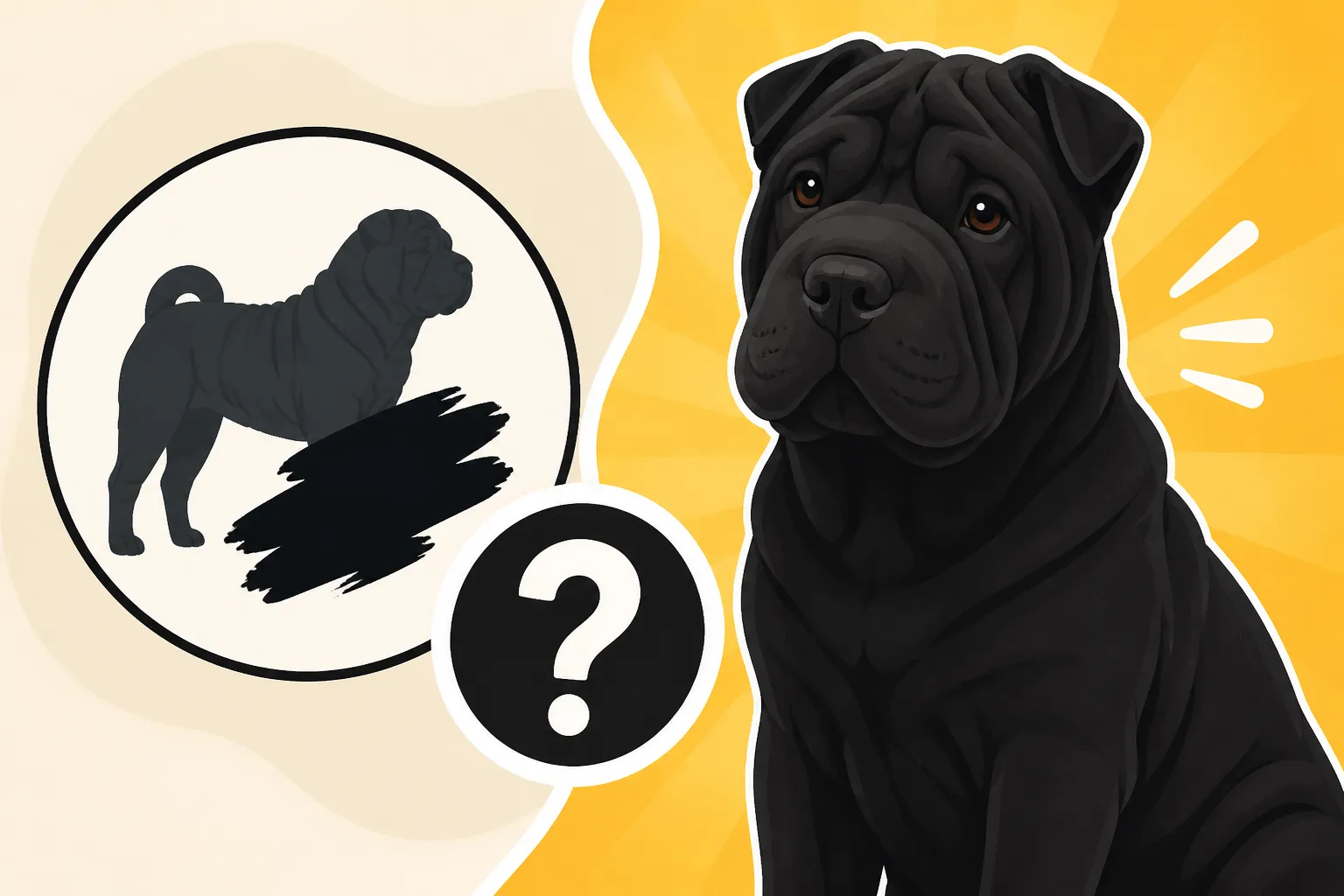
Yes. A Shar Pei may have a solid black coat, and black is one of the colors recognized in the breed standard used by the American Kennel Club. So if you have met a black Shar Pei or are considering one, the color itself does not make the dog less of a Shar Pei.
The word “solid” can be a little misleading. It describes the dog’s overall coat color, not a guarantee that every strand will look like ink in every kind of light. Breed standards may also allow some shading in particular areas. If you are looking at a dog for show or registration, check the rules of the specific registry rather than relying on a seller’s description.
What “Solid Black” Means
A solid black Shar Pei should appear predominantly black rather than having a clearly distinct pattern of another color. The coat can still show subtle variations: sunlight may make the hair look brownish or reddish, and individual hairs may catch the light differently. Those visual changes do not necessarily mean the dog has a patterned coat.
A useful comparison is a black sweater that looks charcoal in shade and warmer brown outdoors. The material has not changed color; the light and surface make it appear different. A short, coarse Shar Pei coat can create the same effect, especially when the dog is standing in bright sunlight or the coat is dusty.
“Solid black” also does not mean that every part of the dog’s skin or features must be black. Coat color, skin pigment, nose color, and tongue color are related but separate characteristics. If you want to learn how coat shades and other accepted colors are described, see Which Colors a Shar Pei Comes In.
Is Black an Accepted Shar Pei Color
In the American Kennel Club breed standard, black is included among the recognized solid colors. Other kennel clubs and registries may use different wording or have their own rules, so the answer for a show entry depends on which organization is involved.
This distinction matters because everyday descriptions and show terminology are not always identical. A family may call a dog “black” because that is how the coat looks at a glance, while a breeder or show judge may describe the same coat more precisely. If you are buying a puppy, registering a dog, or planning to enter a show, ask which registry’s standard the breeder is using and request the relevant paperwork.
Color alone does not establish whether a dog is purebred. A black coat is compatible with the breed, but it is not proof of pedigree either. If a seller uses color as the main evidence that a puppy is rare, superior, or guaranteed to be a particular type, ask for more meaningful details: health history, parent information, registration records, and a clear contract.
How to Tell a Black Coat From a Pattern or Another Shade
A quick glance can be deceiving. Young puppies may change in appearance as their coats develop, and lighting, grooming, age, and the dog’s coat type can all affect how black the coat looks. It helps to look at the whole body in natural light rather than judging from a photograph taken with a flash or under indoor bulbs.
Black Versus Darker Shading
Some breed standards describe solid colors while allowing darker shading on areas such as the back or ears. That means a dog can still fit a solid-color description even if those areas look a little deeper or more pronounced than the rest of the coat.
The practical question is whether the dog has a distinct pattern rather than mild tonal variation. A clearly defined second color, such as separate tan markings, is different from black hair that looks a little warmer on the shoulders or back. If the distinction matters for a show entry or registration, a qualified breeder or registry representative can help interpret the applicable rules.
Photos are particularly unreliable for fine distinctions. A black Shar Pei photographed in shade may look nearly charcoal, while the same dog photographed in direct sun may show a reddish cast. Phone cameras also adjust exposure and white balance automatically, so a picture can shift the coat’s apparent color. When evaluating a dog, look at it in person if possible and ask for photos taken in ordinary natural light.
Black Versus Dilute Colors
A dilute coat is not simply a black coat that looks dusty in a picture. Dilute coloring involves a different appearance of pigment and is commonly described with terms such as blue or lilac in Shar Pei conversations. The words used by breeders and registries can vary, so ask what they mean rather than assuming the label is self-explanatory. For more background, read What a Dilute Shar Pei Is.
A black-looking puppy may also appear to shift in shade as it grows. This is one reason not to treat a puppy’s color label as an absolute prediction of its adult appearance. The coat can change in tone, texture, and how it reflects light, even when the dog remains within the same broad color category. Whether a Shar Pei Puppy's Color Changes explains what owners may notice as a young dog matures.
A seller should be able to describe the puppy’s color plainly and explain any registration terminology without relying on hype. Be cautious of claims that a particular shade is automatically healthier, more authentic, or more valuable. Those are claims about marketing or breeding goals, not reliable conclusions you can draw from coat color alone.
| What you notice | What it may mean | What to check |
|---|---|---|
| The coat looks black across the body | It may be a solid black Shar Pei | Compare the dog in natural light |
| The coat looks brownish in sunshine | Light, coat condition, or sun exposure may affect its appearance | Look again in shade and check whether the change is even |
| The back or ears look slightly darker | Subtle shading may occur within a solid-color description | Check the relevant registry’s standard if showing |
| There are clearly separate tan or other-colored markings | The coat may be patterned rather than solid black | Ask a knowledgeable breeder or registry about classification |
| A seller calls the dog blue, lilac, or dilute | The seller may be describing a dilute color category | Ask for the exact terminology and registration description |
What Can Change the Way a Black Shar Pei Looks
A black coat is not always a uniform, glossy black from nose to tail. Many owners notice that their dog looks different after a bath, at the end of summer, or as the coat changes with age. Those observations can be ordinary, but a sudden or patchy change—especially alongside itching, hair loss, odor, redness, or discomfort—deserves attention for reasons beyond color.
Sun, Dust, and Coat Condition
Sunlight can make dark hair look warmer or lighter, especially on areas that receive more exposure. Dust and residue can also dull the coat, while regular grooming and a thorough rinse may make it look darker and cleaner again. A change in appearance alone is not enough to diagnose a skin problem.
Shar Pei coats are short, but short does not mean maintenance-free. A rubber curry brush can help lift loose hair and surface debris without the need for vigorous brushing. If you shop for grooming items through a retailer such as Chewy, choose tools intended for dogs and use a light touch; repeatedly scrubbing the skin is more likely to irritate it than improve the coat.
Bathing is best guided by the dog’s actual needs and skin condition rather than a rigid schedule. Use a dog-appropriate shampoo, rinse thoroughly, and dry the coat well. If a veterinarian has prescribed a medicated product, follow the clinic’s instructions about how to use it. A black coat that looks dull after a bath may simply need a better rinse or complete drying, but a coat that changes along with persistent itching or inflamed skin should be discussed with a veterinarian. See Skin Is the Shar Pei's Largest Problem by Surface Area for more on why skin symptoms deserve careful attention.
Puppyhood, Aging, and Coat Changes
A puppy’s coat may not look exactly like its adult coat. As a young Shar Pei grows, the hair can change in texture and appearance, while the dog’s body and skin mature. That does not mean every puppy will undergo a dramatic color transformation; it means a puppy photo is not a perfect promise of the adult dog’s final look.
Aging can also change how a black dog appears. Some dogs develop gray or lighter hairs as they get older, particularly around the muzzle, while other changes may be related to coat turnover or wear. A few lighter hairs do not automatically mean the dog is no longer a black Shar Pei. For a broader look at how physical features develop, see What a Shar Pei Weighs and How Tall It Stands.
If a color change is sudden, uneven, or accompanied by hair thinning, scabs, persistent scratching, or a strong new smell, treat it as a possible health or grooming issue—not a breed-color puzzle. A vet can look at the skin and coat, ask about recent diet or product changes, and decide whether an examination or testing is needed.
Does a Black Coat Affect Health or Care
Black is a coat color, not a health assessment. It does not tell you whether a Shar Pei will develop a particular condition, whether the dog has a good temperament, or whether its wrinkles and ears will need less attention. A healthy-looking coat is welcome, but it is only one small part of evaluating a dog’s wellbeing.
Color Is Not a Substitute for Health Information
A breeder should not present black coloring as a guarantee of health, and a buyer should not assume that black Shar Pei are healthier or less healthy than Shar Pei of another accepted color. To understand a puppy’s likely needs, ask about the parents’ health, veterinary care, known family history, and what support the breeder provides after the puppy goes home.
Look at the puppy’s overall condition and behavior, not just its coat. Ask whether it has been examined by a veterinarian and whether the breeder can share relevant records. For an adult dog, request veterinary records and ask what problems have been treated. Coat color is easy to see; inherited risk and medical history require better information.
Appearance standards can also involve characteristics beyond coat shade. Wrinkles, eyes, and other features should be assessed on their own rather than inferred from color. For context, see Whether a Shar Pei's Wrinkles Are in the Standard and Whether a Shar Pei's Small Eyes Are in the Standard.
Black Dogs Still Need Ordinary Shar Pei Care
A black coat does not exempt a Shar Pei from routine skin, ear, eye, dental, and nail care. Check the skin for redness, moisture, unpleasant odor, or irritation, and keep the dog dry after bathing or getting wet. Avoid putting products into the ears unless your veterinarian has advised that they are appropriate; Shar Pei ears can be difficult to assess and treat at home.
Keep grooming gentle and consistent. If you are comparing brushes, shampoos, or other basic supplies at a retailer such as Chewy, read the product directions and select items suitable for your dog’s coat and skin. A supply choice should never replace veterinary guidance when the dog has ongoing itching, recurrent ear trouble, painful folds, or a sudden change in the coat.
Color should also never become a reason to breed a dog without considering health and temperament. Responsible breeding decisions involve far more than producing a sought-after shade. If you are speaking with a breeder, pay attention to their answers about health and care, and be wary if the conversation focuses almost entirely on “rare” colors or appearance.
Questions to Ask When Choosing a Black Shar Pei
If you are looking at a black Shar Pei puppy, the goal is not to find a perfectly uniform coat under every light. It is to understand how the breeder describes the color, whether that description matches the relevant registry’s terminology, and whether the puppy has been raised and cared for responsibly.
Ask the breeder to explain whether they consider the puppy solid black, whether the color is recorded on registration paperwork, and whether the parents’ colors are known. You can also ask how the puppy’s coat may change with age. A careful breeder should be comfortable discussing uncertainty in appearance rather than promising that the puppy will look exactly like a carefully edited photograph as an adult.
If you already own a black Shar Pei, take a couple of clear photos in natural light when the coat looks healthy. They can give you a useful point of comparison if you later notice a new patch, thinning, or change in texture. A photograph cannot diagnose a skin condition, but it can help you describe what has changed when speaking with your veterinarian.
Ultimately, a solid black Shar Pei is a normal possibility within the breed. The coat may look warmer or lighter in certain conditions, and a puppy may not retain precisely the same appearance as it matures. Judge color with the relevant standard in mind, but judge the dog’s wellbeing through its health, care, and records—not the shade of its coat.
Disclaimer
This article is for general informational purposes only and does not constitute professional advice. Laws, prices and regulations vary by location and change over time. Consult a qualified professional for guidance on your specific situation.