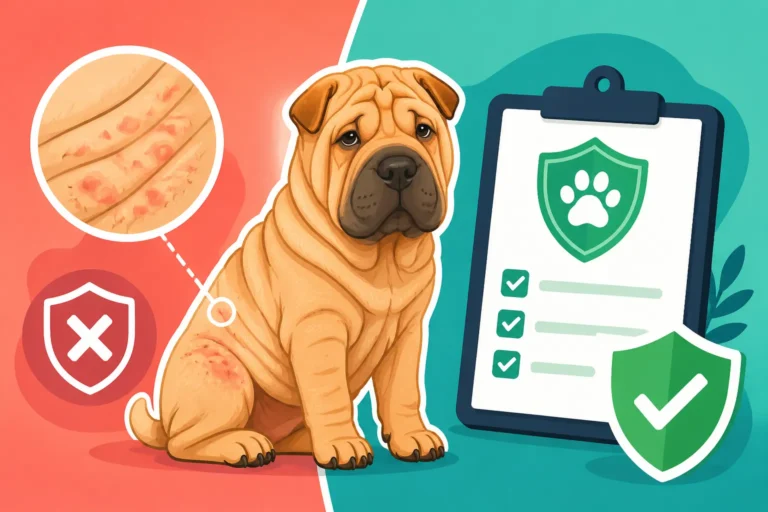
Whether a Shar Pei Rescue Screens for Experience
One of the biggest anxieties for anyone hoping to adopt a rescue dog, especially a breed as unique as the Shar Pei, is wondering if you'll "measure up" to the rescue's expectations. You might feel overwhelmed by the thought of a rigorous interview process, and frankly, you're right to anticipate it. This guide will help you understand why Shar Pei rescues are so meticulous in their screening processes and what exactly they're looking for in an ideal adopter, so you can confidently prepare to welcome one of these incredible dogs into your home.
Understanding the "Why": Why Rescues Screen Potential Shar Pei Adopters So Thoroughly
It’s easy to feel like rescue organizations are putting you through an interrogation, but truly, their extensive screening process comes from a place of deep dedication to the dogs in their care. Shar Pei rescues, in particular, are acutely aware of the breed's specific needs and the reasons many of these dogs end up in shelters in the first place. They're not trying to exclude you; they're trying to ensure a permanent, loving, and well-matched home for a dog that has often already experienced trauma or neglect. Think of it as them doing their due diligence to prevent another heartache for these deserving pups.
The Shar Pei's Unique Health Challenges
A significant part of a Shar Pei rescue's concern stems directly from the breed's well-documented health predispositions. These aren't just minor quirks; they can be serious, chronic, and expensive conditions that require proactive management and a committed owner. Many people fall in love with the Shar Pei's distinctive look without fully grasping the complex care requirements that come with it. Rescues want to be sure you understand these potential hurdles and are prepared to navigate them.
For instance, One Mutation Gave the Shar Pei Its Wrinkles and Its Fever, a genetic predisposition known as Familial Shar Pei Fever (FSF). This isn't just a simple elevated temperature; it's a recurrent inflammatory syndrome that can lead to severe complications. An owner needs to understand Familial Shar Pei Fever Is Not an Infection but a genetic issue, and that repeated fevers can lead to a devastating condition called amyloidosis, which is ultimately Amyloidosis Is What Actually Kills a Shar Pei. This knowledge isn't optional; it's crucial for their long-term health and survival. Rescues need to know you are aware of these risks, prepared to monitor for symptoms like What a Shar Pei Fever Episode Looks Like, and willing to seek prompt veterinary care when needed. They'll also want to gauge your understanding of the financial commitment involved, as these health issues often lead to significant vet bills throughout the dog's life. It's not just about affording the adoption fee; it's about the ongoing, lifelong costs.
Beyond FSF, Shar Pei are prone to a host of other issues related to their unique physical traits. Their deep wrinkles, while charming, can easily trap moisture and debris, leading to Skin Fold Dermatitis on a Shar Pei or other infections. Skin Is the Shar Pei's Largest Problem by Surface Area, and managing it requires consistent cleaning and attention. Their famously tiny, often convoluted ear canals mean A Shar Pei Has the Narrowest Ear Canals of Any Breed, making them highly susceptible to chronic ear infections that can be difficult and expensive to treat. Then there's entropion, where their eyelids roll inward, causing their eyelashes to rub against their eyes, which is Entropion in a Shar Pei Puppy Is an Emergency, Not a Cosmetic Issue. An owner needs to be vigilant for these issues, understand the preventative care, and be ready to provide treatment as needed.
Behavioral Nuances and Temperament
It's not just about health; a Shar Pei's temperament is equally, if not more, important in ensuring a successful placement. These dogs are not like many other popular breeds; they have a distinct personality that is often misunderstood by first-time owners or those used to more biddable, eager-to-please dogs. Rescues are deeply invested in finding homes that truly appreciate and can manage these unique traits.
For example, A Shar Pei Was Bred to Guard, Not to Greet. This isn't a fluffy, meet-and-greet dog at the door. They are often aloof and reserved with strangers, a trait that can be misinterpreted as aggression if an owner isn't prepared. They need an owner who understands that their loyalty is earned and typically reserved for their inner circle. Their protective instincts are strong, and without proper socialization and consistent training, this can manifest as resource guarding or reactivity towards strangers or other dogs. Dog to Dog Is the Shar Pei Problem, Not Dog to Person is a common reality, meaning that multi-dog households or frequent dog park visits might not be suitable for every Shar Pei.
Furthermore, Shar Pei can be notoriously independent and strong-willed. The Headstrong Streak Nobody Trains Out of a Shar Pei is a phrase you'll hear often among experienced owners. They aren't always motivated by pleasing their owner in the way a retriever might be; they need clear boundaries, consistency, and positive reinforcement from someone who understands how to motivate a dog that thinks for itself. Impulse control and early socialization are critical. Socialize a Shar Pei Before Twelve Weeks or Pay for It Later is a mantra among responsible Shar Pei owners and rescues alike. An undersocialized Shar Pei can become fearful, anxious, and potentially reactive, making them incredibly challenging to live with. Rescues need to see that you have a realistic understanding of these behavioral tendencies and the patience and commitment to work with them, not against them.
The Rescue's Screening Process: What to Expect as an Applicant
So, what does this rigorous screening actually look like? It's not a secret handshake; it's a series of steps designed to build a comprehensive picture of you, your lifestyle, and your suitability for a Shar Pei. Each rescue organization might have its own specific nuances, but generally, they follow a similar structure. Don't be discouraged by the thoroughness; see it as a partnership where both sides are working towards the best outcome for the dog.
Application Deep Dive and References
The journey typically begins with a detailed application form. This isn't just about your name and address; it dives deep into your previous pet ownership history, your current living situation, your work schedule, and your experience with training and behavioral issues. You'll likely be asked about your understanding of the Shar Pei breed specifically, and your answer shouldn't just be "they're cute!" It should demonstrate at least a foundational knowledge of their common health and behavioral traits.
Rescues will often ask for veterinary references. This is a critical step because it provides an objective third-party account of your past pet care practices. They want to see a history of regular veterinary check-ups, up-to-date vaccinations, and appropriate responses to any health issues your previous pets might have faced. They might also ask for personal references who can speak to your reliability, patience, and commitment to animal welfare. If you've mentioned owning a pet that developed a serious illness, the rescue might inquire about how you handled that financially and emotionally. For instance, if you had a dog with a chronic condition, they'll want to hear about your adherence to medication schedules and follow-up appointments. This is also where things like pet insurance might come up – perhaps you already use a provider like Healthy Paws for your current pets, showing a proactive approach to potential veterinary costs.
Home Visits and Lifestyle Match
A home visit is a standard part of most reputable rescue processes, and it’s not about judging your interior decorating skills. The rescue representative is looking for specific indicators that your home environment is safe, stimulating, and suitable for a Shar Pei. They'll observe things like:
- Secure Fencing: Is your yard securely fenced? Shar Pei can be escape artists and have strong prey drives. A flimsy fence or gaps where a determined dog could squeeze through would be a major red flag.
- Safety Hazards: Are there any obvious dangers? Untreated pools, accessible toxic plants, or easily swallowed small objects.
- Space and Comfort: Is there adequate indoor space for a medium-sized dog? Do you have a designated area for the dog to sleep and relax?
- Other Pets and Children: If you have other pets, they’ll want to see how they interact with you and potentially assess their temperament. If you have children, especially young ones, they'll want to ensure you have a plan for safe interactions, understanding that a Shar Pei might not tolerate the rough-and-tumble play some other breeds enjoy. A Shar Pei With Children in the House requires careful management and supervision.
Beyond the physical space, they are also assessing your lifestyle. Do you work long hours away from home? Shar Pei generally do not thrive being left alone for extended periods; they can develop separation anxiety and destructive behaviors. While online pet supply retailers like Chewy make it easy to stock up on enrichment toys, no amount of toys can replace human interaction. Do you travel frequently? What are your plans for dog care during those times? Do you lead an active lifestyle that can accommodate An Hour a Day Suits a Shar Pei, and Heat Cuts It Short, or are you more of a couch potato? These details help them match the right dog to the right home, understanding that each Shar Pei in their care has its own unique personality and needs.
Prior Dog Experience and Breed Knowledge
This is where the "experience" part of the screening really comes into play. While some rescues might consider first-time dog owners for certain, very easy-going dogs, a Shar Pei rescue is generally looking for someone with at least some prior dog ownership experience. Even better if that experience is with strong-willed, independent breeds, or even better, another Shar Pei. They aren't necessarily looking for an expert, but they need to see that you understand the commitment involved in dog ownership, including training, healthcare, and financial responsibility.
More specifically, they want to assess your Shar Pei breed knowledge. This isn't just about reciting facts; it's about demonstrating a genuine understanding of what it means to live with a Shar Pei. You should be able to articulate:
- Health Concerns: The specific health issues unique to the breed, like FSF, entropion, and skin conditions. You should convey that you've thought about Four Bills Every Shar Pei Owner Should Expect and have a plan to meet those potential costs.
- Temperament Traits: Their often reserved nature, their loyalty to their chosen family, their potential aloofness with strangers, and their independent streak.
- Training Approach: Your commitment to positive reinforcement, consistent training, and early, ongoing socialization. You should be able to explain why certain training methods, like harsh corrections, are detrimental to this particular breed.
- Living Environment: How your home and routine will accommodate a Shar Pei's need for a secure, calm environment and moderate exercise without overheating.
You might be asked direct questions about how you would handle common Shar Pei scenarios. "What would you do if your Shar Pei suddenly spiked a high fever?" or "How would you introduce your Shar Pei to a new visitor?" Being able to articulate a thoughtful, breed-appropriate response demonstrates your preparedness. This isn't about having all the answers, but showing you've done your homework and are committed to learning and adapting.
Demonstrating Your Readiness: Tips for Aspiring Shar Pei Owners
So, you're genuinely interested in adopting a Shar Pei and you understand why rescues are so particular. How can you present yourself as the ideal candidate? It’s about proactive preparation, honest self-assessment, and demonstrating your commitment even before you submit that application. Think of it as preparing for a very important job interview – because in a way, it is!
Researching the Breed Extensively
This might seem obvious, but many people skim a few online articles and think they're ready. To truly impress a Shar Pei rescue, you need to dive deep. Read books specifically about the breed, not just generic dog care guides. Follow reputable Shar Pei social media groups (the ones focused on health and responsible ownership, not just cute pictures). Speak to current Shar Pei owners about their experiences – the good, the bad, and the wrinkly. The more informed you are, the more confident you'll feel during the screening process, and the more confident the rescue will be in you.
Understand the history of the breed; it sheds light on their modern behaviors. Knowing that What a Shar Pei Was Originally Bred to Do as a multi-purpose farm dog and guardian helps explain their independent nature and protective instincts today. Be aware of the common health issues, not just that they can get sick, but what those sicknesses often are. For instance, knowing the signs of Signs a Shar Pei's Kidneys Are Failing or understanding the implications of What IgA Deficiency Means for a Shar Pei will show you're not just guessing.
Make notes, ask questions, and form your own opinions based on credible sources. When a rescue volunteer asks you why you want a Shar Pei, your answer should reflect this in-depth understanding, not just surface-level appeal. It’s a huge plus if you can articulate why a Shar Pei is the right fit for your lifestyle, considering all their unique characteristics.
Preparing Your Home Environment
Don't wait for the home visit to start thinking about your living space. Get it ready before you even apply. This demonstrates initiative and seriousness. Walk through your home and yard with a critical eye, imagining it from a Shar Pei's perspective.
- Fencing Check: Are there any weak spots, low areas, or gates that don't latch securely? Reinforce them. A six-foot fence is ideal for most Shar Pei, and consider burying chicken wire at the base if your dog is a digger.
- Safe Zone: Set up a designated safe space for your potential new dog, like a crate or a cozy bed in a quiet corner. This shows forethought and an understanding of a dog's need for a retreat. While many Shar Pei owners appreciate convenient food delivery services like Chewy or Ollie, having their personal space ready sends a strong signal.
- Remove Hazards: Child-proof your home, essentially. Secure cleaning products, medications, and any small items that could be ingested.
- Introduce Routines: If you have other pets, start thinking about how you'll introduce them slowly and safely. Plan out feeding schedules, walk routes, and potential bathroom breaks. Having a routine in mind, even if it's just theoretical, demonstrates your organizational skills and commitment to structure, which is vital for a Shar Pei.
- Cooling Strategies: Given their susceptibility to heat, consider Heat Management Is Daily Work With a Shar Pei. Do you have good air conditioning? A shaded yard? Perhaps even a cooling mat or vest. Show that you’ve thought about their comfort in different seasons.
Taking these steps before the rescue even sees your application shows you’re not just passively waiting to be told what to do, but that you're actively preparing to be a responsible Shar Pei owner.
Openness to Ongoing Support and Education
Finally, be open, honest, and enthusiastic about continuing your education and accepting support. No one knows everything, and rescues appreciate humility and a willingness to learn. If the rescue offers advice on training, diet, or health management, listen intently and express your gratitude. They are a wealth of knowledge specific to the breed.
- Trainer Consultation: If you're new to dog ownership or to the breed, consider reaching out to a positive reinforcement trainer before you apply, especially one with experience with independent or guardian breeds. Mentioning that you've already identified a local trainer you plan to work with can be a huge plus.
- Breed-Specific Resources: Show that you understand the value of breed-specific resources. You might state that you plan to join a local Shar Pei owner group or connect with the rescue for ongoing advice.
- Financial Preparedness: Talk openly about your financial plan for your dog. This isn't about disclosing your bank balance, but rather demonstrating that you've considered the potential costs. Mentioning that you've researched Insuring a Shar Pei Against a Mutation It Was Bred For and are planning to get pet insurance, or that you have a dedicated emergency fund, shows immense responsibility.
- Ask Questions: Don't be afraid to ask the rescue staff questions during your interviews or home visits. This shows engagement and that you're truly thinking through the commitment. Ask about the specific dog you're interested in – their quirks, their history, their needs. This demonstrates that you're looking for a genuine match, not just any Shar Pei.
Ultimately, Shar Pei rescues screen for experience because they know these dogs are not for everyone. They require a specific kind of dedication, knowledge, and financial stability. By thoroughly researching the breed, preparing your home, and demonstrating an open mind and a commitment to lifelong learning, you can show them that you have what it takes to provide a loving, forever home for a deserving Shar Pei.
| Screening Element | Why It Matters for Shar Pei | What Rescues Look For |
|---|---|---|
| Application Form | Gathers initial data, prior experience, and basic understanding of commitment. | Detailed answers, consistent pet ownership history, awareness of general dog care responsibilities. |
| Vet References | Confirms responsible pet ownership, proactive healthcare, and ability to afford veterinary care. | History of regular check-ups, vaccinations, appropriate responses to illness, and a solid owner-vet relationship. |
| Personal References | Provides insights into your character, reliability, and temperament from an outside perspective. | Positive endorsements regarding responsibility, patience, and suitability for pet ownership. |
| Home Visit | Assesses physical environment for safety and suitability, observes interaction with existing pets/family members. | Secure fencing, safe indoor environment, adequate space, plans for other pets/children, awareness of breed-specific needs like heat management. |
| Interview/Discussion | Gauges specific Shar Pei breed knowledge, understanding of temperament, health issues, and training approach. | Demonstrated research into Shar Pei health (e.g., FSF, entropion, skin issues), temperament (aloofness, guarding), and commitment to positive reinforcement training. |
| Lifestyle Assessment | Determines if daily routine and activity levels align with a Shar Pei's needs (e.g., exercise, alone time). | Stable living situation, reasonable work hours, willingness to provide daily mental and physical stimulation, plans for managing heat limitations during walks. |
| Financial Preparedness | Confirms ability to cover ongoing costs, including potential medical emergencies and chronic care. | Awareness of the potential "four bills" of Shar Pei ownership, consideration of pet insurance, or having an emergency fund. |
| Openness to Education | Shows a willingness to learn and adapt to the breed's specific needs and continue education. | Asking thoughtful questions, demonstrating humility, expressing readiness to work with trainers or follow rescue advice, and seeking out breed-specific resources. |
Disclaimer
This article is for general informational purposes only and does not constitute professional advice. Laws, prices and regulations vary by location and change over time. Consult a qualified professional for guidance on your specific situation.