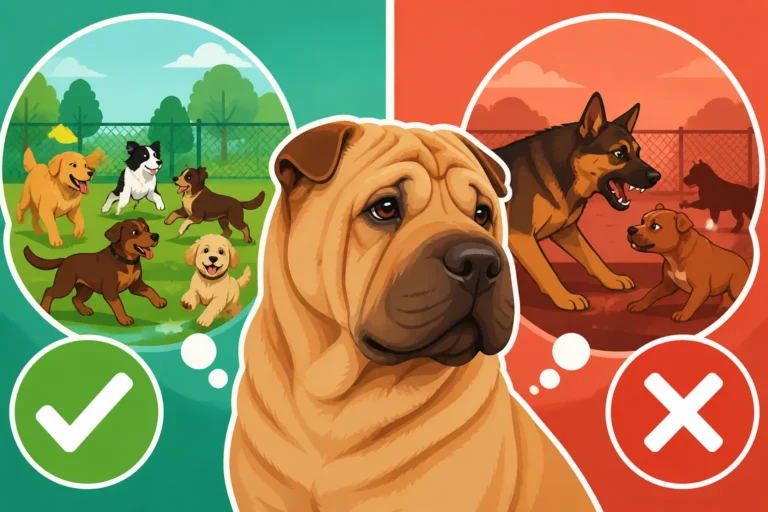
Whether the Shar Pei Was a Fighting Dog
It's a common misconception that Shar Pei were historically bred as fierce fighting dogs, leading many to approach this unique breed with a sense of apprehension or to misunderstand their true nature. While their formidable appearance and deeply wrinkled skin might suggest a gladiatorial past, the truth is far more nuanced, and understanding their historical roles is key to appreciating the loyal, often challenging, and complex companions they are today. This guide will delve into the Shar Pei's origins, explore why the fighting dog myth persists, and illuminate the true temperament of these fascinating canines.
The Shar Pei's Original Purpose: More Than Just a Fighter
The history of the Shar Pei is a tapestry woven with many threads, but the idea of them being solely, or even primarily, fighting dogs is largely inaccurate. Their story is one of utility, resilience, and adaptation within rural Chinese communities.
A True All-Rounder in Ancient China
Long before they became a beloved companion breed in homes around the world, Shar Pei were the ultimate utility dogs for the working-class people in Southern China. They weren't specialists in one single task; rather, they were incredibly versatile, serving a multitude of roles that were vital for survival and livelihood in agricultural settings. Imagine a single dog needing to perform the duties of several. That was the Shar Pei. They were tasked with everything from hunting wild game, like boar and other vermin, to herding livestock, keeping rats and pests out of granaries, and, perhaps most importantly, fiercely guarding their family's property and possessions. Their intelligence and independent nature, often misinterpreted as stubbornness today, made them excellent at these tasks, capable of making decisions without constant human direction. They were a cornerstone of peasant life, a true working dog in every sense. For a deeper dive into their early history, you might want to read What Job the Shar Pei Held in Rural China.
The Loose Skin and Fighting Dog Myth
One of the most striking features of the Shar Pei is their loose, wrinkled skin, and it's this very characteristic that often fuels the misconception that they were bred for fighting. The logic seems straightforward: loose skin means an opponent can't get a solid grip, making it a defensive advantage in a dogfight. While it's true that some individuals might have been used in such brutal sports, particularly during times of hardship or when other resources were scarce, this was never the primary or intended purpose behind the breed's physical development.
The loose skin, particularly around the neck and shoulders, served a much more practical purpose in their traditional roles. When hunting formidable prey like wild boar, or when defending livestock against predators, this skin provided a crucial buffer. A boar's tusks or a predator's bite would often snag on the excess skin, allowing the Shar Pei to twist and turn within their own skin to retaliate or escape, minimizing vital organ damage. It was a protective shield for a working dog facing real-world dangers, not a feature designed solely for dog-on-dog combat. Understanding this distinction is vital, as it shifts the narrative from aggression to protection and practicality. Exploring Whether a Shar Pei's Loose Skin Was Bred for Fighting can offer more insights into this specific trait.
Limited Involvement in Organized Dog Fighting
While it's difficult to completely discount that some Shar Pei may have found themselves in fighting pits at various points in history, especially given their protective instincts and physical prowess, it's crucial to distinguish this from being a breed purpose-bred for dog fighting. Breeds truly developed for fighting often possess specific physical and temperamental traits selected over generations for aggression, pain tolerance, and relentless attack. The Shar Pei's history points more towards an intelligent, self-sufficient guard dog with strong protective instincts.
Their involvement in organized fighting, if it occurred, was likely opportunistic or regional, rather than the defining characteristic of the breed's development. They were not engineered to be gladiators in the same vein as certain bull and terrier types. Instead, their natural guarding abilities, coupled with their formidable appearance, might have made them suitable candidates for such activities in some desperate circumstances. However, to label the entire breed as a "fighting dog" misrepresents their rich and multifaceted heritage and overlooks the vast majority of their historical contributions.
Modern Shar Pei Temperament: Guard Dog, Not Gladiator
Today's Shar Pei carry echoes of their ancestors' guarding instincts, but these manifest in a way that makes them devoted family members, albeit with specific needs for training and socialization.
The Innate Guarding Instinct
At its core, the Shar Pei is a natural guardian. This is perhaps the strongest thread connecting them to their ancient past. They were bred to protect their property and their people, and this instinct remains deeply embedded in their modern temperament. When a new person approaches your home, your Shar Pei will likely be watchful, perhaps letting out a deep bark or standing between you and the perceived "intruder." This isn't aggression for the sake of it, but rather a diligent assessment of a potential threat. They take their job seriously, often viewing visitors as needing careful scrutiny.
This guarding instinct can extend to resources like food bowls, toys, or even their favorite sleeping spot. They can be intensely protective of what they consider theirs. This behavior is often misunderstood as outright aggression, but it’s rooted in their history of self-sufficiency and ensuring their own survival and the safety of their family's assets. As an owner, understanding this trait is crucial, as it guides how you introduce new people or animals into your home and how you manage their environment. For more on this, check out A Shar Pei Was Bred to Guard, Not to Greet and Why a Shar Pei Guards Its Food and Its Doorway.
Aloofness and Stranger Caution
Another characteristic often misinterpreted as aggression is the Shar Pei's inherent aloofness, particularly with strangers. Unlike many breeds that greet everyone with enthusiastic tail wags and slobbery kisses, a Shar Pei tends to be reserved and discerning. They don't typically rush up to new people, preferring instead to observe from a distance. This isn't shyness or fear, but a calm, watchful skepticism. They take their time to size up a situation and decide whether a newcomer is worthy of their attention, let alone their affection.
This reserved nature can sometimes come across as unfriendly or even intimidating, especially to those unfamiliar with the breed. It's simply how a Shar Pei operates, a carryover from their days guarding remote farms where unfamiliar faces might have posed a threat. For their family, however, they can be incredibly loyal and affectionate, often forming a deep, almost spiritual bond with their chosen people. This contrast in behavior is why they are sometimes described as "one-person dogs," though they typically bond well with an entire household. If you're curious about their general demeanor with outsiders, read How Aloof a Shar Pei Really Is.
Dog-to-Dog Dynamics
It's true that many Shar Pei exhibit dog-to-dog intolerance, a trait that some mistakenly link back to a "fighting dog" past. However, this characteristic in modern Shar Pei is more accurately attributed to their strong guarding instincts, potential lack of early socialization, and a natural preference for being the sole canine focus within their family unit. They often don't see the need for other dogs in their personal space or vying for their human's attention.
This isn't necessarily about wanting to pick a fight, but rather a desire for personal space and control, and sometimes a strong prey drive can play a role. A Shar Pei might be perfectly content to ignore other dogs, but if challenged or crowded, they are unlikely to back down. This makes dog parks or off-leash areas with unknown dogs often unsuitable environments for many Shar Pei. Responsible owners learn to manage these interactions carefully, focusing on controlled introductions and parallel walks rather than free-for-all play. It's a significant aspect of their personality that prospective owners must understand and be prepared to manage. For a deeper understanding of this common challenge, you might find Dog to Dog Is the Shar Pei Problem, Not Dog to Person very helpful.
Responsible Ownership: Guiding Your Shar Pei's Instincts
Owning a Shar Pei means understanding and respecting their unique temperament. It’s about channeling their natural instincts into positive behaviors through consistent effort and appropriate methods.
Early and Consistent Socialization
Given their guarding instincts and natural wariness, early and extensive socialization is paramount for a Shar Pei puppy. This isn't just about exposing them to other dogs, but to a wide variety of sights, sounds, people, and environments in a positive and controlled way. From the moment you bring your Shar Pei puppy home, ideally between 8 and 12 weeks of age, their world should expand daily. Introduce them gently to friendly strangers, different floor textures, car rides, strange noises, and other calm, vaccinated dogs. The goal is not for them to be best friends with everyone, but to learn that new experiences don't always equate to threats.
Enrolling in puppy classes can be incredibly beneficial, as it provides a structured environment for safe exposure. Many online puppy schools, like BAXTER & Bella, offer fantastic resources for guided socialization from the comfort of your home, which can be invaluable, especially before your puppy is fully vaccinated and able to attend in-person classes. The more positive experiences they have during their critical socialization window, the more confident and well-adjusted they will be as adults. Neglecting this crucial period can lead to a fearful or reactive dog, compounding their natural predispositions. Seriously, don't skimp on this part; it sets the foundation for everything else. Socialize a Shar Pei Before Twelve Weeks or Pay for It Later hammers this home.
Training for a Confident, Well-Adjusted Companion
Training a Shar Pei requires patience, consistency, and a deep understanding of their independent spirit. They are intelligent dogs, but they are not typically eager to please in the way some retriever breeds are. This is where their "headstrong streak" comes in. They need to understand why doing something benefits them. Positive reinforcement methods, using high-value treats and praise, are generally the most effective approach. Harsh corrections or punitive training can easily backfire, eroding trust and potentially leading to resentment or defensive behaviors. As the saying goes, you can lead a Shar Pei to water, but you can't make him drink unless he thinks it's a good idea. To understand more about this trait, consider reading The Headstrong Streak Nobody Trains Out of a Shar Pei.
Focus on foundational obedience commands like "sit," "stay," "come," and "leave it." Leash training is also critical, as many Shar Pei can be strong pullers and reactive to other dogs or stimuli. Investing in a good quality, comfortable harness, which you can easily find on Amazon, can make walks much more pleasant for both of you. Consistent training not only teaches them manners but also builds a strong bond of respect and trust between you and your dog, allowing you to guide their natural instincts rather than constantly battling them. For multi-dog households, managing dynamics is key, and The Shar Pei in a Multi Dog Household provides valuable context. Avoid harsh methods, as a Shar Pei will remember and respond poorly; learn more at How a Shar Pei Reacts to a Raised Voice.
Understanding Their Unique Communication
One of the less obvious challenges of owning a Shar Pei is learning to read their body language. Their deeply wrinkled faces, small, often dark eyes, and small, set ears mean that traditional canine facial expressions can be muted or difficult to interpret. A wagging tail might not mean the same thing as it does in other breeds, and a stiff body posture might be missed because their wrinkles obscure typical warning signs. This can make them seem stoic or emotionless, but it simply means owners need to pay closer attention to subtle cues.
You'll need to learn to recognize slight changes in their posture, the tension in their body, the position of their tail (which often curls tightly over their back), and even the small shifts in their eyes. This heightened awareness is crucial for preventing potential conflicts, especially when interacting with children or other animals who might not pick up on a Shar Pei's more nuanced warnings. Being able to read your Shar Pei's unique language will help you understand their comfort levels and intervene before a situation escalates. For more insight into this, take a look at How a Shar Pei's Wrinkles Hide Its Expression.
By focusing on their true history as versatile farm dogs and guardians, rather than mythical fighters, and by embracing their modern needs for socialization and consistent, positive training, you can ensure your Shar Pei is a cherished, well-adjusted member of your family.
| Trait Aspect | Mythical "Fighting Dog" Perception | Actual Shar Pei Trait & Purpose |
|---|---|---|
| Loose Skin | Designed for dog-on-dog combat, hard to grip. | Protection against large prey (boar), predators, and farm hazards. |
| Temperament | Inherently aggressive, seeks conflict. | Guarding instinct, wary of strangers, loyal to family. |
| Dog Interactions | Always looking for a fight, highly dominant. | Often dog-intolerant, prefers to be sole dog, values personal space. |
| Muzzle/Jaws | Bred for powerful, damaging bites. | Strong jaws for holding prey or protecting property, not for sport. |
| Motivation | Driven by aggression and dominance. | Motivated by self-preservation, guarding, and reward-based training. |
Disclaimer
This article is for general informational purposes only and does not constitute professional advice. Laws, prices and regulations vary by location and change over time. Consult a qualified professional for guidance on your specific situation.