Every Fold on a Shar Pei Is a Place Something Grows
If you're a Shar Pei owner, you know that those beautiful, distinctive wrinkles aren't just for show – they're a daily commitment. What often starts as an adorable puppy feature can quickly become a hidden hotspot for trouble, leaving many of us feeling overwhelmed by the constant vigilance required to keep our furry friends healthy. This comprehensive guide is here to walk you through the realities of Shar Pei skin folds, offering practical advice and deep insights into managing what can often feel like a full-time job.
Understanding the Shar Pei's Unique Skin and Folds
Let's be honest, the Shar Pei's wrinkles are what draw many of us in. They're undeniably charming and unique. But beneath that adorable exterior lies a complex dermatological landscape that requires careful attention. This isn't just about aesthetics; it's about the very physiology of the breed and how those folds interact with their environment and overall health.
The Anatomy of a Wrinkle: More Than Just Cosmetic
When you look at your Shar Pei, you see soft, loose skin that gathers into beautiful folds, particularly around the face, neck, and sometimes the body. What you're seeing is largely due to an overexpression of hyaluronic acid, a substance that gives the skin its characteristic mucinous, thick feel. This isn't just a surface trait; it's a genetic predisposition. More than just a cosmetic feature, these folds create unique microclimates on your dog's skin. They are areas where skin touches skin, where air circulation is naturally restricted, and where warmth and moisture can easily become trapped. Think of it like a series of tiny, warm, humid caves all over your dog's body – perfect conditions for things to grow that you don't want growing there.
It's a delicate balance, really. We love the wrinkles, but we have to understand the science behind them to properly care for our dogs. The density of the skin, combined with the way it gathers, means that even a healthy Shar Pei has challenges other breeds simply don't face. This unique anatomy truly means that Skin Is the Shar Pei's Largest Problem by Surface Area.
Why Folds are a Breeding Ground for Trouble
Because these folds are warm, dark, and often moist, they become prime real estate for opportunistic microorganisms. Bacteria, yeast, and even fungi thrive in such environments. Imagine if you wore damp clothes tucked into your skin all day – you'd quickly develop skin irritation, right? It's much the same for your Shar Pei. Sweat, dirt, dead skin cells, oil, and environmental allergens all get trapped within these folds, creating a veritable feast for microscopic invaders.
Over time, this build-up can lead to irritation, inflammation, and eventually, full-blown infections. It’s not a matter of if a Shar Pei will experience fold issues, but when and how often. The challenge for us as owners is to be proactive and consistent in our care, understanding that every wrinkle, every roll of skin, presents a potential opening for problems. This reality can be quite frustrating, as it means daily diligence is often the price of a healthy, comfortable dog.
The Impact of Coat Type on Fold Health
Not all Shar Pei are created equal, especially when it comes to their coats, and this actually has an impact on how you approach fold care. There are generally two main coat types: the horse coat and the brush coat.
The horse coat is typically very short, bristly, and can feel almost coarse or sandpapery to the touch. While it might seem like a shorter coat would be less problematic, the horse coat is known for its ability to "trap" things in the folds more effectively due to its stiffness. It can also be more irritating to the Shar Pei's own skin when it rubs.
The brush coat is slightly longer, softer, and smoother. While it might seem more forgiving, a longer coat can also hold more moisture, and if not dried thoroughly, can exacerbate problems in the deeper folds. Both types demand attention, but the specific dynamics of moisture retention and skin irritation can differ slightly. Regardless of the coat, the underlying structure of the folds means that diligent care is always necessary.
Common Skin Fold Issues in Shar Pei
It's a sad truth that skin fold issues are almost an expected part of owning a Shar Pei. Knowing what you're up against is the first step in effective management. These aren't just minor irritations; they can be incredibly painful for your dog and lead to serious infections if not addressed promptly.
Dermatitis and Yeast Infections
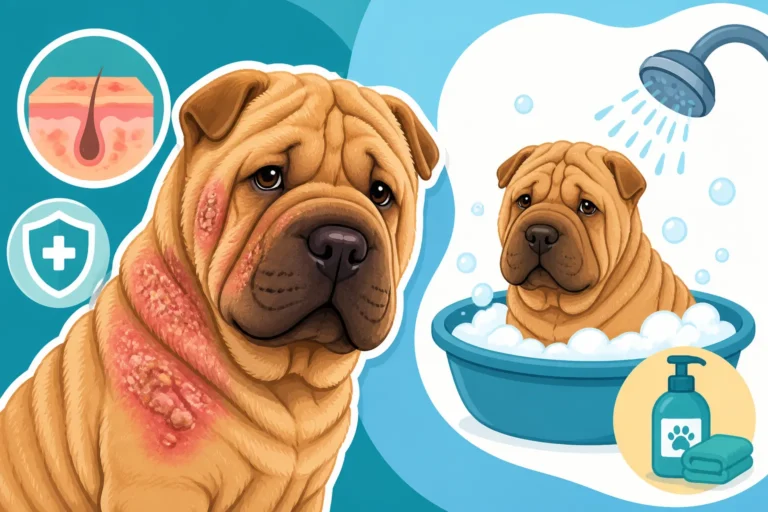
One of the most frequent visitors to a Shar Pei's folds is yeast, specifically Malassezia pachydermatis. This opportunistic fungus loves warm, moist, dark environments – exactly what a skin fold provides. Skin Fold Dermatitis on a Shar Pei often presents as redness, itchiness, and a distinct, often yeasty odor, sometimes described as smelling like corn chips or stale bread. The skin within the folds might appear greasy or oily, and in chronic cases, can become thickened and discolored, often turning a darker, leathery brown.
Imagine having a constant itch in a place you can't properly scratch, that also smells unpleasant. That's what your dog is dealing with. These infections can cause significant discomfort, leading to excessive rubbing, scratching, or licking, which only further irritates the skin and can break the skin barrier, paving the way for secondary bacterial invaders. It’s a vicious cycle that requires intervention.
Bacterial Hotbeds and Pyoderma
Alongside yeast, bacteria are another major culprit. The warm, moist environment of a skin fold, especially one already compromised by irritation or yeast, is an open invitation for bacteria like Staphylococcus. When bacteria take hold, you're looking at pyoderma, a bacterial skin infection. This can manifest as red bumps, pustules, crusting, and hair loss in the affected areas. The odor associated with bacterial infections is often more pungent and unpleasant than yeast, frequently described as foul or rancid.
Pyoderma can range from superficial to deep and can be quite painful. Your Shar Pei might become withdrawn, lethargic, or show signs of pain when the affected areas are touched. It's not uncommon for these bacterial infections to occur secondary to yeast infections or allergies, making diagnosis and treatment a multi-pronged approach. Sometimes, your vet will need to take a swab for a culture to identify the specific bacteria and determine the most effective antibiotic.
Mucinosis and Its Manifestations in Folds
Mucinosis is a condition unique to the Shar Pei, directly linked to the excessive hyaluronic acid in their skin. While often appearing as "bubbly" or "vesicular" skin, it can also manifest within folds, leading to a thickening and swelling of the skin. This isn't an infection in itself, but the altered skin structure can make folds even more prone to bacterial and yeast colonization because the integrity of the skin barrier is compromised. What Cutaneous Mucinosis Is is essentially an accumulation of mucin, that gel-like substance, in and under the skin.
When mucinosis affects the folds, it can exacerbate the issues, making them even deeper and more difficult to clean and dry. It contributes to the "puffiness" that some Shar Pei exhibit, and while it's generally a benign condition, its presence in skin folds can complicate the management of infections. It's a reminder that their unique genetics play a huge role in their dermatological health.
The Essential Routine: Daily Fold Care
Given the challenges, a consistent and thorough daily routine is not just recommended, it's absolutely crucial for any Shar Pei owner. Skipping a day, even just once, can quickly undo weeks of careful management. This is where patience, attention to detail, and the right tools become your best friends.
Gentle Cleaning Techniques for Deep Folds
The key to cleaning folds is to be thorough yet gentle. You're trying to remove debris and moisture without further irritating delicate skin. For general daily maintenance, a soft, damp cloth or a specially formulated canine hygiene wipe is often your best bet. Avoid anything with harsh chemicals, alcohol, or strong perfumes, as these can strip the skin of its natural oils or cause allergic reactions.
To clean, gently lift each fold and wipe the skin underneath. Don't just wipe the surface; ensure you get into the crease. Pay close attention to the deep wrinkles around the muzzle, eyes, and any rolls on the neck or body. Sometimes, a Q-tip can be useful for very narrow or deep crevices, but use it with extreme caution to avoid pushing debris further in or injuring the skin. Remember, the goal is to keep these areas clean and free of the debris that feed bacteria and yeast.
Many owners find it helpful to incorporate specialized cleansing products that have antifungal or antibacterial properties, even for preventative care. You can find these at pet supply stores like Chewy or on Amazon. Always read labels carefully and ensure they are safe for dogs.
The Critical Importance of Drying
I cannot stress this enough: Drying Is More Important Than Washing on a Shar Pei. If you do nothing else, dry those folds. Leaving any moisture behind after cleaning, bathing, or even after your dog has had a drink of water, is like rolling out the welcome mat for infections. Moisture is the enemy here.
After cleaning, gently but thoroughly pat each fold dry with a clean, soft cloth or cotton pad. You might even consider using a low-setting hairdryer (held at a safe distance) to ensure all areas are completely dry, especially after a bath. For dogs with particularly deep or numerous folds, a few minutes with a cool, gentle airflow can make all the difference. Some owners even use a tiny pinch of cornstarch (unscented) to help absorb any residual moisture in very problematic folds, but always check with your vet first, as powders can sometimes clump and create their own issues if overused. This step prevents the damp, warm conditions that yeast and bacteria crave.
When to Use Medicated Wipes or Cleansers
For Shar Pei prone to recurrent infections or during an active flare-up, your vet might recommend medicated wipes or cleansers. These often contain ingredients like chlorhexidine (an antiseptic) or miconazole (an antifungal) to target specific microorganisms. These aren't typically for daily, routine use unless directed by your veterinarian, but they are powerful tools when needed.
If your Shar Pei's folds are starting to look red, smell a bit funky, or seem itchy, reaching for a medicated wipe, as prescribed by your vet, can sometimes nip a burgeoning infection in the bud before it becomes a full-blown crisis. Always follow your vet's instructions precisely regarding frequency and duration of use. Using them too sparingly might not be effective, while using them too often or for too long can sometimes lead to skin dryness or resistance issues. These specialized products are often available through your vet or can sometimes be ordered online from pet pharmacies or large retailers like Chewy with a prescription.
Special Attention Areas: Beyond the Face
While the facial folds are often the most obvious and problematic, a Shar Pei's wrinkles extend to other areas of the body that also require vigilant care. Neglecting these spots can lead to just as much discomfort and infection.
Tail Pockets and Anal Gland Issues
Many Shar Pei have a distinct "tail pocket" or a deep crease where their tail curls tightly over their back. This hidden area is another prime location for moisture and debris to accumulate. It's out of sight, out of mind for many owners, but it can quickly become inflamed, infected, and incredibly painful. Symptoms often include scooting, licking at the tail base, a foul odor, or visible redness and discharge when you lift the tail.
Cleaning the tail pocket requires the same gentle, thorough approach as facial folds: lift the tail, wipe the pocket clean with a damp cloth or wipe, and then dry it completely. This area is particularly prone to yeast infections, so consistent drying is paramount. Regular checks of this area should become part of your daily routine. Furthermore, some Shar Pei, perhaps due to their unique body conformation, can also be prone to issues with their anal glands. If your dog is frequently scooting or seems uncomfortable, it's worth having your vet check both the tail pocket and anal glands.
Mouth and Lip Folds: Trapping Food and Moisture
The Shar Pei's distinctive "meat mouth" or "padded muzzle" creates deep folds around their lips and chin. These folds are constantly exposed to food particles, saliva, and water, making them perpetually damp and a perfect breeding ground for bacteria and yeast. After every meal and after drinking, food and moisture can easily get trapped in these crevices.
This can lead to what's often called "lip fold dermatitis" – an inflammation and infection of the skin around the mouth. You might notice your dog frequently rubbing its face, a foul smell emanating from the muzzle area, or visible redness and discharge in the folds. It’s important to gently wipe these folds clean after every meal and drink. Using a soft cloth or a pet-safe facial wipe can help remove food debris and excess moisture. Teaching your Shar Pei to tolerate this gentle cleaning from a young age will make this necessary routine much easier for both of you.
Body Folds: Chest, Armpits, and Groin
While less prominent than facial or tail folds in some Shar Pei, many still have significant rolls of skin on their chest, in their armpits, and in their groin area. These internal folds can be tricky to spot, but they are just as susceptible to the same issues. The chest folds can trap sweat and dirt, especially if your dog wears harnesses or clothing. The armpit and groin areas are consistently warm, moist, and subject to friction from movement.
These areas can develop intertrigo, which is skin-on-skin rubbing that leads to irritation and inflammation. You might notice redness, tenderness, or a distinct odor if these areas are neglected. When bathing your Shar Pei, make sure to gently separate these folds to ensure they are thoroughly washed and, critically, thoroughly dried. Even after exercise, it's a good habit to quickly check these areas for dampness and dry them off, particularly in warmer, more humid climates. The more wrinkles your individual Shar Pei has, the more diligently you'll need to check all these hidden spots. How Many Folds a Shar Pei Actually Has can vary significantly from one dog to another, so knowing your own dog's unique topography is key.
Diet and Nutrition: Supporting Skin Health from Within
What you feed your Shar Pei isn't just about energy and weight management; it plays a profound role in the health of their skin and coat. For a breed so prone to dermatological issues, nutrition can be a powerful tool in prevention and management. It's not a magic bullet, but it can certainly make a noticeable difference.
Identifying Food Sensitivities That Worsen Skin
Many Shar Pei suffer from food allergies or sensitivities that can manifest as skin problems, often mimicking or exacerbating fold dermatitis. Common allergens include proteins like chicken, beef, dairy, wheat, and soy. If your Shar Pei is constantly itchy, has chronic ear infections (often linked to allergies), or persistently inflamed folds despite diligent topical care, a food trial might be in order. Food Allergies in a Shar Pei can be tricky to pinpoint.
An elimination diet, usually under veterinary guidance, involves feeding a novel protein source (one your dog has never eaten before, like duck or venison) or a hydrolyzed protein diet (where proteins are broken down so the immune system doesn't recognize them as allergens) for 8-12 weeks. During this time, absolutely no other treats, table scraps, or flavored medications are allowed. It's a commitment, but if your dog's skin improves, you'll have identified a major trigger. Brands like Ollie offer fresh, limited-ingredient options that might be suitable, but always discuss any dietary changes with your vet, especially for an elimination diet.
Supplements for a Healthy Skin Barrier
Beyond a balanced diet, certain supplements can bolster your Shar Pei's skin barrier and reduce inflammation. Omega-3 fatty acids, particularly EPA and DHA found in fish oil, are renowned for their anti-inflammatory properties and ability to support skin and coat health. They can help reduce itchiness and improve the overall integrity of the skin.
Other beneficial supplements might include probiotics, which support gut health (and a healthy gut often translates to healthier skin), and certain vitamins like Vitamin E. Always choose high-quality supplements designed for dogs, and introduce them gradually. Discussing supplement choices with your veterinarian is always wise, as they can recommend appropriate dosages and ensure there are no contraindications with other medications or health conditions. Remember, supplements are meant to complement a good diet, not replace it.
Hydration and Its Role in Skin Integrity
It might seem obvious, but proper hydration is fundamental to overall health, including skin health. Skin cells, like all cells, need water to function optimally. Well-hydrated skin is more resilient, has a better barrier function, and can heal more effectively. For a breed where skin integrity is constantly challenged, ensuring your Shar Pei drinks enough fresh water is key.
Make sure fresh, clean water is always available. You might consider a filtered water bowl or even adding a little low-sodium bone broth to their water to encourage drinking. While internal hydration helps overall skin health, it's also why we emphasize drying external moisture from the folds. It's a two-pronged approach: hydrate from the inside for strong skin, and keep the external folds dry to prevent microbial overgrowth.
Here's a quick reference for common Shar Pei fold issues:
| Issue Type | Common Location(s) | Key Symptoms | Typical Odor | Initial Home Care (Vet approval needed for meds) |
|---|---|---|---|---|
| Yeast Infection | Facial folds, tail pocket, armpits, groin, ears | Redness, itchiness, greasy skin, scaling, thickened skin | Sweet, "corn chip," or yeasty | Daily cleaning, thorough drying, vet-prescribed antifungals |
| Bacterial Infection (Pyoderma) | Any fold, often secondary to irritation or yeast | Red bumps, pustules, crusting, discharge, pain, hair loss | Foul, rancid, unpleasant | Daily cleaning, thorough drying, vet-prescribed antibiotics |
| Dermatitis (General) | All folds | Redness, inflammation, itchiness, irritation, discomfort | Varies, often mild or none | Regular cleaning, drying, identifying triggers |
| Mucinosis | Head, neck, hocks, sometimes deeper folds | "Bubbly" skin, swelling, thickened skin, clear fluid leakage | None (unless infected) | Generally no specific treatment, manage secondary infections |
| Lip Fold Dermatitis | Mouth and lip folds | Redness, swelling, foul odor, discharge, food debris trapped | Foul, often very strong | Wipe after every meal/drink, vet-prescribed antibiotics/antifungals |
| Tail Pocket Infection | Underneath the curled tail | Redness, pain, discharge, scooting, licking, odor | Foul, pungent | Daily cleaning, diligent drying, vet-prescribed medication |
When to Seek Veterinary Help for Fold Problems
Despite your best efforts with home care, there will inevitably be times when you need professional veterinary intervention. Knowing when to stop trying DIY solutions and pick up the phone can save your Shar Pei from prolonged discomfort and prevent minor issues from escalating into serious health crises.
Red Flags: Persistent Odor, Redness, and Pain
You know your dog best. If you notice any of the following, it’s a clear sign that a vet visit is needed:
- Persistent or worsening foul odor: If the smell doesn't improve with regular cleaning or gets stronger, it usually indicates a thriving infection.
- Increased redness or inflammation: Healthy skin folds should be a normal, pale pink. Bright red, angry-looking skin is a sign of severe irritation or infection.
- Visible discharge: Green, yellow, or thick discharge (beyond clear moisture) is a strong indicator of a bacterial infection.
- Pain or tenderness: If your Shar Pei flinches, cries out, or tries to bite when you touch its folds, it's in pain. This can be a sign of deep infection or ulceration.
- Lethargy or changes in appetite: While not directly a fold symptom, these can indicate your dog is feeling unwell overall due to a severe or systemic infection.
- Bleeding: Any bleeding from a fold is an emergency and needs immediate veterinary attention.
Ignoring these red flags won't make them go away; it will only make the problem worse and potentially more expensive to treat down the line. Your vet can provide tailored advice, and often, How Often a Shar Pei Needs Medicated Bathing or specific cleaning protocols will come from their recommendations.
Diagnostic Tests Your Vet Might Perform
When you bring your Shar Pei in for a fold issue, your veterinarian won't just guess. They'll likely perform several diagnostic tests to get to the root of the problem:
- Cytology: This is a quick and simple test where a sample (using a cotton swab or tape strip) is taken from the affected skin, stained, and examined under a microscope. It allows the vet to identify yeast, bacteria, and inflammatory cells, guiding the choice of medication.
- Culture and Sensitivity: If the infection is severe, recurrent, or not responding to initial treatment, your vet might take a sterile swab for a culture. This identifies the specific type of bacteria or fungus present and, crucially, tests which antibiotics or antifungals will be most effective against it. This helps avoid prescribing medications that won't work.
- Skin Scrapes: While less common for fold issues specifically, skin scrapes might be done if your vet suspects parasites like Demodex mites are contributing to the skin irritation, especially if there's patchy hair loss.
These tests are essential because treating blindly might offer temporary relief, but it won't resolve the underlying issue. A precise diagnosis leads to targeted and effective treatment.
Long-Term Management Strategies and Referrals
For Shar Pei with chronic or severe fold issues, long-term management is often necessary. This might involve:
- Ongoing Medicated Washes or Wipes: Your vet might prescribe specific shampoos or wipes for regular use to keep microbial populations in check. What Medicated Shampoo Costs a Shar Pei Owner can vary, but it's an investment in your dog's comfort.
- Allergy Management: If allergies are a contributing factor (food, environmental, or flea), your vet will work with you on a strategy that could include special diets, antihistamines, or allergy shots.
- Surgical Intervention (Fold Reduction): In very severe, recurrent cases where a specific fold (like a prominent tail pocket or an eyelid fold causing entropion) is causing relentless problems, surgical removal or reduction of the fold might be considered. This is a last resort but can offer permanent relief from chronic infections.
- Dermatology Referral: For truly stubborn or complex skin cases, your vet might recommend a referral to a veterinary dermatologist. These specialists have advanced training and equipment to diagnose and treat intricate skin conditions. They can perform more extensive allergy testing and develop highly customized management plans.
Preventative Measures and Lifestyle Adjustments
Beyond the daily cleaning routine, there are broader lifestyle adjustments and preventative measures you can implement to keep your Shar Pei's folds as healthy as possible. It's about creating an environment and a routine that minimizes the risks inherent to their unique anatomy.
Environmental Control: Humidity and Allergens
The environment your Shar Pei lives in plays a significant role in their skin health. High humidity is a notorious enemy of healthy skin folds, as it constantly contributes to moisture build-up. If you live in a naturally humid climate, consider using dehumidifiers in your home, especially in areas where your dog spends a lot of time. Keeping your home well-ventilated can also help.
Additionally, environmental allergens like pollen, dust mites, and mold can trigger allergic reactions that manifest as itchy, inflamed skin, making fold issues worse. Regular vacuuming, washing your dog's bedding frequently, and using air purifiers can help reduce allergen exposure. If seasonal allergies are suspected, wiping your dog down with a damp cloth after outdoor excursions can help remove pollen from their coat and skin.
Grooming Tools and Techniques for Fold Maintenance
Having the right tools makes all the difference in maintaining your Shar Pei's fold health.
- Soft, Absorbent Towels: Invest in several highly absorbent, soft towels specifically for drying your Shar Pei after baths or cleaning. Microfiber towels can be excellent for this.
- Pet-Safe Wipes: Keep a supply of non-medicated, unscented pet-safe wipes on hand for quick clean-ups, especially around the face after meals or drinks. You can often find these in bulk on Amazon.
- Cotton Balls/Pads/Swabs: Useful for precise cleaning in very small or deep crevices.
- Specially Formulated Shampoos: Even for routine bathing, choose a shampoo specifically designed for sensitive dog skin. Your vet might recommend a specific brand or type. Which Shampoo Suits a Shar Pei's Skin is a question best answered by your vet, but generally, look for hypoallergenic, soap-free formulas.
- Low-Setting Hair Dryer: A quiet, cool-setting dryer can be invaluable for ensuring thorough drying of all folds after bathing.
Establishing a regular grooming schedule, including thorough bathing (as recommended by your vet, perhaps How Often a Shar Pei Needs Medicated Bathing) and rigorous drying, is fundamental. Don't forget the less obvious folds; every crease needs attention.
Regular Vet Checks as a Proactive Measure
Routine veterinary visits are absolutely critical for Shar Pei, especially for monitoring their skin health. Your vet can spot early signs of trouble that you might miss, and they can provide professional cleaning or guidance before problems become severe. Don't wait until there's an obvious infection to schedule an appointment.
During these check-ups, specifically ask your vet to examine all your Shar Pei's folds – face, neck, body, tail pocket, and even between the toes. This proactive approach allows for early intervention and consistent management, helping to keep your Shar Pei comfortable and healthy in the long run. It's an investment in their quality of life. Even healthy-looking Shar Pei can benefit from routine fold checks, as issues can sometimes brew silently beneath the surface before becoming apparent.
Disclaimer
This article is for general informational purposes only and does not constitute professional advice. Laws, prices and regulations vary by location and change over time. Consult a qualified professional for guidance on your specific situation.