Heat Management Is Daily Work With a Shar Pei
Anyone who has spent a summer with a Shar Pei knows that heat is not just an inconvenience for these beautiful, wrinkly dogs—it's a genuine threat to their well-being. The unique physical characteristics that make our Shar Pei so endearing also put them at a much higher risk for overheating and heatstroke than many other breeds. It’s not just about turning on the AC on the hottest days; it’s about a comprehensive, proactive approach to keeping them cool and comfortable every single day, even when the mercury isn't soaring. This guide is dedicated to helping you understand why your Shar Pei struggles with heat, how to spot the early warning signs, and what daily strategies you can implement to ensure they stay safe and happy, no matter the season.
Understanding Why Shar Pei Struggle with Heat
It’s easy to look at a Shar Pei and see those magnificent wrinkles, the broad head, and that compact body, but sometimes we forget that these very traits, while beautiful, come with physiological challenges. Unlike many other breeds that can dissipate heat more efficiently, our beloved Shar Pei are often fighting an uphill battle against rising temperatures. Understanding these underlying reasons is the first step in effective heat management.
The Shar Pei's Unique Anatomy and Overheating
The dense coat and the extensive skin folds of a Shar Pei, especially on their head and neck, act like a built-in insulation layer. While fantastic for keeping them warm in colder climates, it creates a significant barrier to releasing heat. Imagine trying to cool down while wearing a thick, multi-layered blanket; that's somewhat what it's like for a Shar Pei. These folds can also trap moisture and warmth close to the body, hindering the natural evaporative cooling process that dogs rely on through their skin.
Beyond the surface, the Shar Pei's facial structure can also play a subtle role. While not considered a severely brachycephalic (short-nosed) breed like a Bulldog or Pug, many Shar Pei still possess a relatively broad, sometimes slightly shortened muzzle, especially the "meat mouth" type. This can restrict efficient airflow, making it harder for them to pant effectively, which is their primary method of cooling down. When their panting isn't as efficient, their core body temperature rises more quickly and dangerously.
Their overall compact build, often with a sturdy frame, also means they have a relatively smaller surface area compared to their body mass for heat to escape. This combination of factors – dense coat, insulating wrinkles, potentially compromised panting, and compact body – makes them particularly susceptible to How Easily a Shar Pei Overheats. It’s a constant battle against their own beautiful design, and it's why we, as their guardians, need to be hyper-vigilant.
The Role of Their Coat Type in Heat Retention
When we talk about Shar Pei, we often discuss "horse coat" and "brush coat" varieties. While both types are susceptible to heat, their specific characteristics influence how heat is retained and how we approach their care. A horse coat, known for its short, harsh, bristly texture, might seem like it would be cooler than a brush coat, which is slightly longer and softer. However, the density of either coat type can still act as a thermal barrier.
The horse coat, being very short and stiff, often lies close to the skin. This can make it difficult for air to circulate freely close to the body, trapping a layer of warm air. It's not unlike wearing a very tightly woven fabric that doesn't breathe well. Brush coats, with their slightly longer, thicker fur, can be even more insulating. Think of it as having a thicker blanket on – great for winter, problematic for summer. Both types, despite their apparent differences, require diligent attention to heat management.
Furthermore, the very nature of their coat, regardless of length, is designed to be protective. It's thick and often somewhat coarse, which helps shield them from the elements but simultaneously makes it harder for their natural body heat to escape. You might notice that after a walk, even a short one, their coat can feel quite warm to the touch, indicating how effectively it's holding onto heat. Understanding How a Horse Coat Shar Pei Differs From a Brush Coat is important, but neither offers a significant advantage when it comes to keeping cool.
Recognizing the Signs of Overheating in Your Shar Pei
Our Shar Pei are notorious for their stoic nature. They can often hide discomfort until a situation becomes dire. This makes it absolutely critical for us, as their owners, to be tuned into the subtle, early signs of overheating before they escalate into a full-blown emergency. Recognizing these indicators quickly can literally be the difference between life and death.
Subtle Early Warning Signs
Initially, an overheating Shar Pei might not seem dramatically ill. You might notice they are panting more heavily than usual, even after minimal exertion or in temperatures that don't feel excessively hot to you. This panting might also be louder or more labored, with their mouth open wider than normal and their tongue looking broader. They may also start seeking out cool spots to lie down, perhaps pressing their body against a tile floor or a shaded patch of grass, rather than their usual comfy bed.
Another early sign can be a change in behavior. They might become restless or agitated, unable to settle. Conversely, some might appear unusually lethargic or sluggish, refusing to engage in play or even a short walk. Their gums might look a bit darker pink or even slightly redder than their usual healthy pink. Keep an eye on their eyes, too; they might appear slightly glazed or tired. If you feel their ears, they might be noticeably warmer than normal. These subtle cues are your dog's way of telling you they're struggling, and it's time to intervene.
Don't dismiss these signs, especially if you're out and about or it's a particularly warm day. It's easy to think "oh, they're just tired," but with a Shar Pei, caution is always the better path. Remember, their internal temperature can rise very quickly, and what starts as mild discomfort can rapidly become a serious problem. A quick check of your dog's gum color, feeling their ears, and observing their breathing patterns should become second nature when temperatures climb.
Advanced Symptoms Requiring Immediate Attention
If the early signs are missed or ignored, the situation can quickly deteriorate into heatstroke, a life-threatening condition. At this stage, symptoms become much more alarming and demand immediate veterinary intervention. You might see extremely heavy, frantic panting that doesn't ease, often accompanied by drooling that is thick and ropey. Their gums might turn bright red, or even bluish-purple as their oxygenation falters.
Vomiting and diarrhea are common in advanced heatstroke, and sometimes the diarrhea can be bloody. Your Shar Pei might stumble, appear disoriented, or even collapse. Muscle tremors or seizures can occur as their body's systems begin to shut down. Their body temperature, if you can take it, will be dangerously high, often above 104°F (40°C). At this point, every second counts, and you need to get them to an emergency vet clinic without delay.
It's a terrifying sight for any owner, and it emphasizes why early recognition and prevention are so vital. If you ever see these advanced symptoms, don't waste time trying to cool them down extensively at home; start basic cooling measures and get in the car. Call your vet or the emergency clinic on the way so they can prepare for your arrival. What Temperature a Feverish Shar Pei Reaches might be important to note if you suspect fever, but in the case of heatstroke, the cause is external heat, not an internal immune response, and rapid action is paramount.
Differentiating Between Normal Panting and Distress
Panting is a perfectly normal and essential mechanism for dogs to regulate their body temperature. They don't sweat like humans, so they rely on the evaporation of moisture from their tongue and respiratory tract to cool down. However, there's a clear line between normal, effective panting and panting that signals distress. Learning to differentiate is a key skill for any Shar Pei owner.
Normal panting is usually steady, rhythmic, and relatively shallow. Their tongue may be out a little, and their mouth slightly open. They might pant a bit more after exercise or on a warm day, but they should settle down fairly quickly once they rest in a cooler spot. Their gums should remain a healthy pink, and their eyes bright. Think of it as their equivalent of a human breaking a sweat during a workout – it’s a sign of a working cooling system.
Distress panting, on the other hand, is much more intense. It's often rapid, deep, and appears forced or strained. Their mouth will be open wide, their tongue extended as far as possible, and sometimes flattened or swollen. There might be excessive drooling, and their breathing could sound noisy or raspy. Crucially, they won't seem to be cooling down, even when resting. Their gums might become darker pink, red, or even bluish, and their overall demeanor will show signs of anxiety, lethargy, or confusion. If you're wondering, "Is this too much panting?" it's probably already heading towards "yes" for a Shar Pei.
Creating a Cool Home Environment for Your Shar Pei
Our homes are our Shar Pei's primary refuge, and making them a sanctuary from the heat is fundamental to their well-being. Proactive measures inside the house can prevent countless uncomfortable moments and greatly reduce the risk of heat-related illness. This isn't just about comfort; it's about providing a safe living space that actively supports their unique physiological needs.
Air Conditioning and Strategic Ventilation
For a Shar Pei owner, air conditioning isn't a luxury; it's often a necessity, especially if you live in a climate with warm summers. A consistently cool indoor environment is the best defense against overheating. Set your thermostat to a comfortable, cool temperature, ideally between 70-75°F (21-24°C), and ensure it runs reliably throughout the day. Don't try to save a few dollars by turning it off when you leave the house; even an hour in a quickly warming house can be detrimental to a Shar Pei.
Beyond just the AC, strategic ventilation can make a big difference, particularly on milder days or in conjunction with air conditioning. Use fans to circulate air, but be mindful that fans primarily cool by evaporation from human skin; for a dog, they mostly just move warm air around, though some airflow is better than stagnant air. Position fans to create cross-ventilation, drawing cooler air in and pushing warmer air out. Keeping blinds and curtains closed during the hottest parts of the day can also prevent solar gain, keeping rooms naturally cooler. Remember, Whether a Shar Pei Needs Air Conditioning is often answered with a resounding yes for their health and comfort.
Consider a smart thermostat if you're away from home frequently. These devices allow you to monitor and adjust your home's temperature remotely, giving you peace of mind and the ability to react if an unexpected heatwave hits while you're at work. It's a small investment that can provide significant protection for your beloved companion.
Using Cooling Mats and Elevated Beds
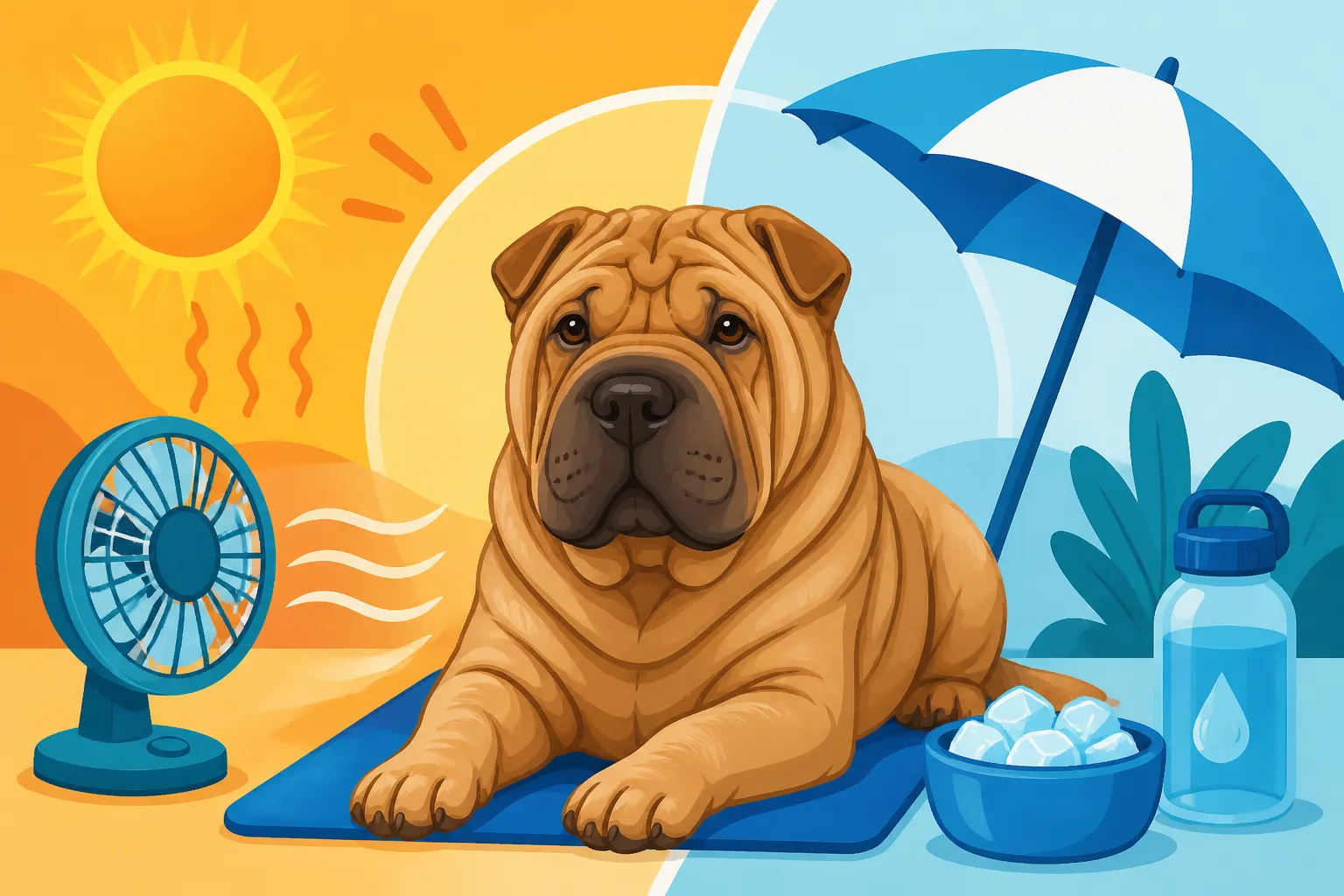
Even with air conditioning, providing supplemental cooling options gives your Shar Pei choices and can offer immediate relief. Cooling mats are fantastic for this purpose. Many are gel-filled and activated by pressure, offering a cool surface without needing refrigeration or electricity. Place them in their favorite resting spots, in shaded areas, or by a fan. Some dogs take to them immediately, while others need a bit of encouragement, perhaps by placing a favorite toy or treat on it.
Elevated dog beds, often made with mesh or canvas fabric, are another excellent option. They lift your dog off the floor, allowing air to circulate underneath them, which prevents heat from building up between their body and the ground. This simple principle can make a big difference in their comfort, especially if your floors aren't naturally cool tile. While not as actively cooling as a gel mat, they contribute to better airflow.
You can also get creative with DIY cooling options. A damp towel (not soaking wet) placed on the floor for them to lie on can offer temporary relief. Just ensure it's not so wet that it creates dampness in their folds, which can lead to skin issues. Frozen water bottles wrapped in a towel can also be placed in their bed for them to lean against. These small additions create a cooling oasis within your home, empowering your Shar Pei to regulate their own temperature more effectively.
Providing Constant Access to Fresh Water
This might sound obvious, but ensuring your Shar Pei always has access to fresh, cool water is non-negotiable. Dehydration rapidly exacerbates the risk of overheating. They need multiple water sources available throughout the house, especially if you live in a multi-story home or have a large open-plan space. A bowl in the kitchen, one near their favorite resting spot, and another outside if they spend any time there, should be considered the minimum.
Consider using ceramic or stainless steel bowls, as these tend to keep water cooler for longer than plastic. During hot weather, add ice cubes to their water bowls frequently, or even freeze broth in ice cube trays for an extra hydrating treat. Some Shar Pei also enjoy drinking from pet fountains, which keep water circulating and filtered, making it more appealing. Just make sure to clean these regularly to prevent bacterial buildup.
Beyond simply providing water, encourage them to drink. Praise them when they do, and ensure the water is always fresh. Don't forget to pack a portable water bowl and a bottle of water whenever you take your Shar Pei out, even for short trips. A brief walk can suddenly turn into a risky situation if they don't have immediate access to hydration. Hydration is key, and it's a simple yet powerful tool in your daily heat management strategy.
Managing Outdoor Activities Safely
As much as we want our Shar Pei to enjoy the great outdoors, their unique physiology means that outdoor activities in warm weather must be approached with extreme caution and careful planning. What might be a pleasant outing for another dog could quickly become dangerous for a Shar Pei.
Timing Walks and Avoiding Peak Heat
The golden rule for outdoor activity with a Shar Pei in warm weather is simple: avoid the hottest parts of the day. This typically means early mornings, just after sunrise, and late evenings, well after the sun has begun to set and the pavement has cooled down. During these cooler times, the ambient temperature is lower, and crucial for their paws, the ground surfaces like asphalt and concrete are significantly cooler. Why a Shar Pei Should Not Be Walked at Midday cannot be stressed enough; hot pavement can burn their paw pads in minutes.
Even during cooler times, keep walks short and leisurely. This isn't the time for strenuous exercise or long jogs. A casual sniffari around the block or a quick potty break is often sufficient. Pay close attention to your dog's signals: if their panting increases quickly, if they lag behind, or start looking for shade, it's time to turn back. Always carry water and a portable bowl. A little splash of water on their chest and paws can help, but avoid drenching them, especially in their folds.
Consider what the environment is like for your Shar Pei, not just for you. Being lower to the ground, they absorb more radiant heat from hot surfaces. Even a breezy day can still be hot, and humidity makes it much harder for them to cool down through panting, as the air is already saturated with moisture. When in doubt, it's always better to skip the walk and opt for indoor enrichment or a very short, supervised potty break.
Choosing Appropriate Outdoor Gear
The right gear can contribute to your Shar Pei's comfort and safety during necessary outdoor excursions. While a heavy harness might offer good control, it can also trap heat against their chest and shoulders. Opt for lightweight, breathable harnesses that don't cover a large surface area of their body. Thin, flat collars are generally okay for identification, but never rely on a collar for walks if your Shar Pei pulls.
For extremely hot days, cooling vests or bandanas can be an option. These are typically soaked in water, wrung out, and then placed on your dog, providing evaporative cooling. Ensure the fit is not too tight, and check frequently for dampness against their skin folds, as prolonged moisture can lead to skin irritation. Brands like Chewy offer a variety of cooling vests that might be worth exploring, but always monitor your Shar Pei's reaction to ensure they're comfortable and not developing skin issues from prolonged dampness.
Boots or paw protectors can be invaluable for protecting their paw pads from scorching pavement. They might take some getting used to, but they can prevent painful burns. Test the pavement with the back of your hand; if you can't hold it there for five seconds, it's too hot for your Shar Pei's paws. These seemingly minor equipment choices can significantly impact their safety when outside.
Safe Car Travel and Avoiding Unattended Vehicles
Car travel, even with the windows down, can become a hotbox for a Shar Pei very quickly. Never, ever leave your Shar Pei unattended in a car, not even for a minute, even if the windows are cracked or it doesn't feel that hot outside. The temperature inside a vehicle can rise rapidly, reaching deadly levels in a shockingly short amount of time. This is a life-threatening mistake that is unfortunately made every year.
When traveling with your Shar Pei in the car, ensure the air conditioning is on and blowing directly into the backseat where they are. If your vehicle doesn't have rear air vents, consider adding a battery-operated fan to circulate air. Use sunshades on windows to block direct sunlight. Keep a cooler with ice water and a travel bowl handy for frequent hydration stops. Even short trips require diligence.
If you must stop somewhere and cannot bring your Shar Pei inside with you (which should be the goal whenever possible), it's far safer to leave them at home. The convenience of bringing them along is never worth the risk of heatstroke. Plan your errands and travel around your Shar Pei's needs, prioritizing their safety above all else. Remember, How Many Minutes a Shar Pei Has in a Warm Car is essentially zero before serious risk begins.
Emergency Protocols for Heatstroke
Despite all our best efforts, accidents can happen, or a situation can escalate unexpectedly. Knowing what to do in a heatstroke emergency is crucial. Panicking will only delay vital actions. Having a plan and the necessary supplies can be a lifesaver.
Immediate First Aid Steps
If you suspect your Shar Pei is suffering from heatstroke (showing advanced symptoms like frantic panting, stumbling, disorientation, or collapse), immediate action is required. The first step is to move them to a cooler environment immediately – ideally indoors with air conditioning, or at least into deep shade.
Next, begin active cooling. Do not use ice water, as this can cause blood vessels to constrict, trapping heat inside, and can lead to shock. Instead, use cool (not cold) water to wet their body, focusing on areas with less fur, like their belly, paw pads, and inner thighs. You can use a hose on a gentle setting, wet towels, or even a sponge. If you have rubbing alcohol, a small amount wiped on their paw pads can help with evaporative cooling. Continuously fan them to aid evaporation. Offer small amounts of cool water if they are conscious and able to drink, but do not force it.
Monitor their temperature if you have a rectal thermometer. Stop active cooling once their temperature drops to about 103°F (39.4°C) to prevent over-cooling. The goal is to bring their temperature down, but not too rapidly or too low. Throughout this entire process, you should be preparing to transport them to the vet.
When to Seek Veterinary Care
Even if your Shar Pei seems to recover quickly after initial cooling, a vet visit is absolutely mandatory. Heatstroke causes internal damage that isn't always immediately apparent. Organs like the kidneys, liver, brain, and gastrointestinal tract can be severely affected, and complications can arise hours or even days later. A vet needs to assess them for internal damage, dehydration, and potential organ failure.
Call your vet or the nearest emergency animal hospital as you are performing first aid or immediately before leaving. Inform them that you are bringing in a suspected heatstroke patient so they can prepare. Time is critical, and they will need to start intravenous fluids, monitor vital signs, and potentially perform blood tests to check organ function. Do not delay, thinking your dog is "fine." Heatstroke is a medical emergency that requires professional attention.
This is a scenario where having an emergency fund or pet insurance can truly provide peace of mind, as emergency vet care for heatstroke can be extensive. What you do in those first few minutes and hours can determine the outcome, but professional follow-up is non-negotiable for their long-term health.
Post-Recovery Care and Prevention
After a heatstroke episode, your Shar Pei will need diligent care. Follow your vet's instructions precisely, which may include special diets, medications, and continued monitoring. They might be more susceptible to future heat-related issues, so even more stringent heat management will be necessary. This includes keeping them indoors in air conditioning during warm weather and strictly limiting any outdoor exposure.
Prevention is always better than cure. Reflect on what led to the heatstroke incident and implement stricter protocols. Invest in better cooling equipment, adjust your routine, and be extra cautious. Share your experience with others to raise awareness. A Shar Pei that has suffered heatstroke once is a Shar Pei that is at higher risk for recurrence and other health complications.
Consider keeping a log of the temperature and your dog's activity levels. This can help you identify patterns and learn their individual tolerance levels, which can vary greatly. The trauma of a heatstroke episode is immense, and every effort must be made to ensure it never happens again. For more insights on general supplies, consider reviewing What a Shar Pei Owner Should Have at Home to ensure you're prepared for all eventualities.
Nutritional and Hydration Strategies for Hot Weather
While we focus a lot on external cooling, what goes into your Shar Pei's body is just as important for maintaining their internal thermostat and overall resilience against heat. Hydration and appropriate nutrition play a significant, often overlooked, role in their ability to cope with warm temperatures.
Encouraging Water Intake and Hydrating Foods
Simply having water available isn't always enough; some Shar Pei aren't avid drinkers. You need to actively encourage them to hydrate, especially when it's warm. As mentioned, multiple water bowls with fresh, cool water are key. Consider a pet fountain; the moving water can be more enticing. For Shar Pei that are still reluctant, adding a splash of low-sodium chicken or beef broth (ensure no onion or garlic) to their water can make it more palatable.
Incorporating hydrating foods into their diet can also boost their fluid intake. Many fruits and vegetables, like cucumber, watermelon (seeds removed), and cantaloupe, are high in water content and can be given as cool, refreshing treats. Just be sure these are given in moderation and are safe for dogs. You can even freeze small pieces of these fruits for a longer-lasting, cooling snack. For dogs on a specific diet, discuss these additions with your vet.
Wet food diets inherently provide more moisture than dry kibble. If your Shar Pei primarily eats kibble, consider mixing in some canned wet food or adding a little water or broth to their kibble to increase the moisture content. Brands like Ollie offer fresh, human-grade food options that often have higher moisture content, which can contribute to overall hydration. This holistic approach ensures they're getting fluids from multiple sources, reinforcing their body's ability to stay cool.
Adjusting Feeding Schedules
Just like humans, dogs might lose their appetite in very hot weather, or they might struggle to digest a heavy meal when their body is already working hard to stay cool. Adjusting their feeding schedule can help. Instead of one or two large meals during the day, consider offering smaller, more frequent meals, particularly during the cooler parts of the morning and evening. This reduces the metabolic heat produced during digestion at times when they are already struggling with external temperatures.
Avoid feeding them right before or after strenuous activity (though strenuous activity should be minimal in heat anyway). Allow ample time for digestion before any movement. If your Shar Pei is not eating well due to the heat, don't force it, but do continue to offer smaller portions of highly palatable food. If they go for more than a day without eating, consult your vet.
Some owners even find that offering meals that have been slightly chilled can make them more appealing in the heat. For example, if you feed wet food, taking it directly from the fridge. Again, monitor your dog's individual preferences and digestive reactions, but these small changes can make a big difference in keeping their comfort level high when the temperatures rise.
Special Considerations for Shar Pei Puppies and Seniors
While all Shar Pei are vulnerable to heat, puppies and senior dogs have unique physiological challenges that make them even more susceptible. Their bodies are either still developing or beginning to decline, which impacts their ability to regulate temperature effectively. This means their heat management requires an even higher degree of vigilance and tailored care.
Protecting Vulnerable Puppies
Shar Pei puppies are bundles of joy, but their young bodies are not as efficient at temperature regulation as adult dogs. They have less developed circulatory systems and may not pant as effectively. They also tend to have more robust puppy wrinkles, which can trap more heat. Their boundless energy means they often don't know when to stop playing, easily pushing themselves past a safe limit.
Strict supervision is paramount. Limit their outdoor play to very short bursts in the coolest parts of the day, always in the shade. Keep them hydrated with fresh, cool water constantly available, and offer frozen treats suitable for puppies. Ensure their indoor environment is consistently cool and comfortable. Never let them overexert themselves, even if they seem to be having the time of their lives. A puppy's play can quickly escalate into a dangerous situation in the heat.
Puppies are also learning about their world, and being in a state of discomfort due to heat can impact their socialization and training. A hot, uncomfortable puppy is less receptive to learning. Prioritize their physical comfort to support their overall development. The First Year With a Shar Pei Puppy is a critical time for establishing good health habits, and heat management is a big part of that.
Managing Heat Risk in Older Shar Pei
As Shar Pei age, their bodies undergo changes that increase their vulnerability to heat. Their circulation might not be as efficient, their heart and lungs may not work as robustly, and they might have underlying health conditions, such as kidney disease or hypothyroidism, which can compromise their ability to cope with heat stress. Caring for a Shar Pei Past Seven means being extra mindful of environmental factors.
Senior Shar Pei might also be less mobile, making it harder for them to move themselves to cooler spots or seek out water. Their thirst drive might also diminish, leading to chronic mild dehydration. Owners need to be proactive: bring water bowls directly to them, encourage them to drink, and help them move to comfortable, cool spots. A comfortable, supportive, and cool bed is even more crucial for them.
Regular vet check-ups are vital for senior Shar Pei, especially to monitor for conditions like kidney issues that can be exacerbated by heat. Discuss heat management strategies with your vet, as they might recommend specific hydration techniques or adjustments to medications. Never assume an older Shar Pei can handle the same conditions as a younger adult; they require a much gentler and more protective approach to heat. The Age a Shar Pei Is Considered Senior means it's time to ramp up your vigilance.
Debunking Common Heat Myths and Misconceptions
There are many well-intentioned but ultimately dangerous myths surrounding dog heat tolerance, and these misconceptions can be particularly perilous for a breed like the Shar Pei. As responsible owners, it's our job to cut through the misinformation and understand the true risks.
The "Just a Quick Minute" Fallacy
Perhaps the most dangerous myth is the idea that "just a quick minute" won't hurt, whether it's leaving a dog in a car or taking them out for a fast potty break on a hot day. This is a fallacy that has tragic consequences every year. As discussed, car interiors can heat up incredibly rapidly, becoming ovens in mere minutes, even on mild days. The temperature inside a car on an 80°F (26.7°C) day can reach 100°F (37.8°C) in just 10 minutes, and 120°F (48.9°C) in 30 minutes. A Shar Pei doesn't have "minutes" to spare in these conditions.
Similarly, a "quick minute" walk on hot pavement can cause second or third-degree burns on their paw pads. These burns are excruciatingly painful, can lead to infection, and require extensive veterinary treatment. The argument that "my dog loves walks" or "they're tough" doesn't change the physiological reality of heat transfer and their inability to cope.
This fallacy often stems from human experience – we can pop into a store quickly, or tolerate a few minutes of discomfort. But our physiology is vastly different. What is a minor inconvenience for us can be a death sentence for a Shar Pei. Always assume that if it's too warm for you to comfortably wait in that environment in a fur coat, it's far too dangerous for your Shar Pei.
The Effectiveness of Wetting a Shar Pei's Coat
Many owners believe that thoroughly wetting their Shar Pei's coat will provide significant cooling. While applying some cool water to specific areas (like the belly and paw pads) can help with evaporative cooling during an emergency, drenching their entire coat, especially if it's a dense brush coat or in a humid environment, can actually be counterproductive for a Shar Pei.
Their dense coat, combined with their skin folds, can trap moisture against their skin. If this moisture doesn't evaporate quickly, it acts as an insulating layer, trapping heat rather than releasing it. It also creates a damp, warm environment ripe for bacterial and yeast infections in their deep skin folds. This can lead to severe skin fold dermatitis, adding another health problem to their plate. Why a Damp Shar Pei Develops Infection is a very real concern.
Instead of soaking them, focus on targeted cooling: cool, damp cloths on their armpits, groin, and paw pads. Using a cooling vest or bandana that allows for evaporation is generally more effective than simply drenching them. The goal is to facilitate heat exchange, not to create a wet blanket around them. And always ensure they are thoroughly dried, especially within their folds, after any bathing or targeted cooling to prevent secondary skin issues.
| Sign of Overheating | Severity | Action |
|---|---|---|
| Increased Panting, Seeking Shade, Restlessness | Mild | Move to cool, air-conditioned space. Offer fresh, cool water. Use cooling mat. Monitor closely. |
| Heavy/Frantic Panting, Loud Breathing, Excessive Drooling | Moderate | Move to cool space. Apply cool (not cold) water to belly/paws. Fan. Call vet for advice. |
| Stumbling, Disorientation, Vomiting, Diarrhea, Collapse, Seizures | Severe | IMMEDIATE VETERINARY EMERGENCY. Start first aid cooling. Call vet en route. Do not delay. |
| Bright Red Gums, Bluish Tongue, Rectal Temp > 104°F | Critical | IMMEDIATE VETERINARY EMERGENCY. Continue cooling aggressively but avoid over-cooling. Urgent transport. |
Disclaimer
This article is for general informational purposes only and does not constitute professional advice. Laws, prices and regulations vary by location and change over time. Consult a qualified professional for guidance on your specific situation.