Whether a Bear Coat Shar Pei Is Recognized
When you stumble across photos of a "Bear Coat" Shar Pei, it's easy to be enchanted by their plush, often softer appearance, a stark contrast to the rough, bristly texture many of us associate with the breed. This unique look often sparks a flurry of questions: Is it a different breed? Is it healthier? And perhaps most importantly, is this beautiful variation actually recognized by the official Shar Pei breed standards? This guide is here to untangle the confusion, offering a deep dive into the Bear Coat phenomenon and what it truly means for prospective and current Shar Pei owners.
Understanding the Shar Pei Coat Spectrum
The distinctive coat of a Shar Pei is one of its most defining features, yet many people only know the prickly, short-haired version. There's actually a spectrum of coat types within the breed, and understanding them is key to grasping where the "Bear Coat" fits in – or rather, doesn't quite fit.
The Recognized Coat Types: Horse and Brush Coats
Officially, according to major kennel clubs like the American Kennel Club (AKC), there are two recognized coat types for the Shar Pei: the Horse Coat and the Brush Coat. These are the coats that you'll see in the show ring, the ones that meet the breed standard that was meticulously developed to preserve the breed's original form and function.
The Horse Coat is the shortest, roughest, and most traditional of the two. If you've ever petted a Shar Pei and felt like you were stroking a wire brush or even sandpaper, you've likely encountered a horse coat. It's incredibly short, stiff, and lies very flat against the body. This coat type is believed to be the closest to the original working Shar Pei, offering some protection from brush and elements without hindering movement or trapping excessive heat. Because of its texture, it might be a bit surprising to first-time owners, and some people even find it mildly irritating to their skin. It’s also often associated with more intense wrinkling. For a deeper look at the differences, you can read How a Horse Coat Shar Pei Differs From a Brush Coat.
Then we have the Brush Coat. This coat type is slightly longer and noticeably softer than the horse coat, often described as having a plush or velvet-like feel. While still relatively short (usually no more than an inch in length), it has a much gentler texture. Brush coats tend to have a bit more wrinkle on their bodies than horse coats, though this isn't a hard and fast rule. Many owners find the brush coat easier to live with from a tactile perspective, as it lacks the prickly sensation of its shorter counterpart. Both the horse coat and the brush coat are considered perfectly acceptable under the breed standard, with their distinct qualities appreciated by enthusiasts and judges alike.
What Exactly is a "Bear Coat" Phenotype?
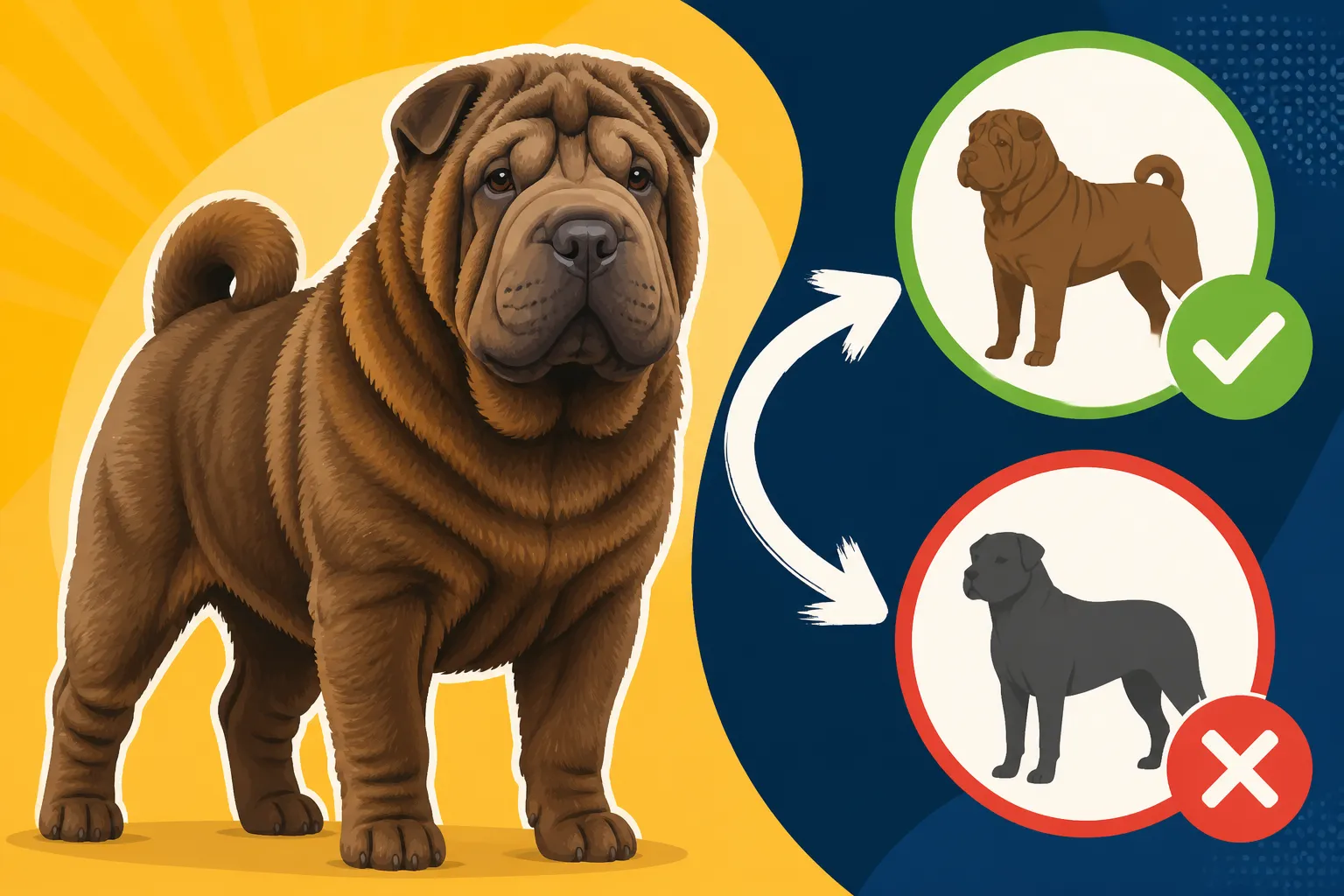
Now, let's talk about the "Bear Coat." Imagine a Shar Pei, but instead of the short, coarse hair, it's draped in a luxurious, soft, and much longer coat, reminiscent of a Chow Chow or a fluffy teddy bear. That's essentially what a Bear Coat Shar Pei is. Their fur can be several inches long, sometimes reaching up to three or four inches, giving them a distinctly different silhouette and texture compared to their recognized relatives. They often have noticeable feathering on their ears, legs, and tail, adding to their plush appearance.
Genetically, the Bear Coat isn't some new, exotic breed. It's simply a genetic variant of the brush coat. Specifically, it's a homozygous recessive trait, meaning a dog needs to inherit two copies of the long-coat gene (one from each parent) to express this longer coat. Two Brush Coat Shar Pei can produce Bear Coat puppies if both parents carry the recessive long-coat gene, often quite unexpectedly for a breeder focused on standard coats. This is why you might see a "fluffy" pup pop up in a litter alongside standard horse or brush coats. These dogs are 100% Shar Pei, with all the temperament, health predispositions, and personality traits that come with the breed, just with a much longer coat.
The Genetic Basis for Coat Length
The science behind coat length in dogs, including the Shar Pei, often boils down to a few key genes, with the FGF5 gene being a primary player. In many breeds, different alleles (variations) of this gene dictate whether a dog will have short hair, long hair, or something in between. For the Shar Pei, the short coat is dominant, and the long coat (the "Bear Coat") is recessive.
This means that a Shar Pei can carry the gene for a long coat without showing it. A horse coat or brush coat Shar Pei could be a carrier (heterozygous) for the long coat gene. If two carriers breed, there's a 25% chance in each puppy that it will inherit two copies of the recessive gene and thus exhibit the longer, "Bear Coat" phenotype. This is a common genetic pattern seen in many animal traits, not just coat length. Responsible breeders aiming for standard-conforming puppies might use genetic testing to identify carriers of the long-coat gene, especially if they've unexpectedly produced a Bear Coat in a previous litter. This allows them to make informed decisions about breeding pairs to either avoid or knowingly produce certain coat types, though for conformation breeders, the goal is usually to avoid non-standard coats. Understanding this genetic lottery helps demystify why these "fluffy" Shar Pei appear, despite not being the standard.
Why the "Bear Coat" Isn't Officially Recognized
This is often the biggest point of confusion and frustration for people who fall in love with the look of a Bear Coat Shar Pei. While undeniably charming, their longer coat disqualifies them from official recognition by major kennel clubs around the world.
Breed Standards and Historical Context
Every recognized dog breed has a detailed "breed standard," which is essentially a blueprint outlining the ideal physical characteristics, temperament, and movement for that particular breed. These standards are developed by the parent club of the breed and approved by national kennel clubs. They are the criteria by which dogs are judged in conformation shows and serve as a guide for breeders aiming to preserve the breed's integrity.
For the Shar Pei, the breed standard specifically calls for a short, harsh coat. The historical context of the breed plays a significant role here. The Shar Pei originated in ancient China as a versatile farm dog, used for hunting, herding, and guarding. Its characteristic short, bristly coat was practical for these duties. It would have been easy to clean, less prone to matting in dense brush, and would dry quickly, making it suitable for a working dog in various conditions. A long, fluffy coat, while aesthetically pleasing to some modern eyes, would have been a distinct disadvantage in its original role. It would collect burrs, retain moisture, and potentially overheat the dog during strenuous activity.
Therefore, when the breed was "saved" from near extinction in the 1970s and subsequently introduced to the Western world, the short, harsh coat was considered a fundamental characteristic. Breeders at the time, dedicated to preserving the breed as it was understood, focused on this trait. This is also why many enthusiasts still prefer the horse coat, viewing it as the most authentic to the breed's origins. Understanding what the What a Shar Pei Was Originally Bred to Do helps explain why certain physical traits like coat length became enshrined in the standard.
The Impact of Appearance on Recognition
The defining characteristic of a Bear Coat—its long, soft fur—is precisely what causes it to deviate from the established breed standard. Major kennel clubs, such as the AKC, Fédération Cynologique Internationale (FCI), and The Kennel Club (UK), maintain strict standards. A coat that is significantly longer than an inch, soft, or showing feathering, is considered a "fault" or a "disqualification" in the show ring.
This means that a Bear Coat Shar Pei cannot compete in official conformation events. They won't earn championship titles, and a breeder deliberately breeding for this coat type would not be adhering to the breed's established guidelines. For breeders whose primary goal is to produce dogs that conform to the breed standard and are competitive in conformation, the Bear Coat is an anomaly, not a desirable trait. While they are still purebred Shar Pei, their appearance simply doesn't align with the recognized ideal. If you're wondering Whether a Bear Coat Shar Pei Can Be Registered, the answer is typically yes, they can be registered as purebreds (as they are genetically Shar Pei), but they will usually be marked as "Limited Registration" or "Non-Standard Coat" which prevents them from being shown in conformation.
Misconceptions and Marketing
The lack of official recognition often leads to a tricky situation in the pet market. Because the Bear Coat is relatively uncommon compared to horse or brush coats, some less scrupulous breeders or puppy mills market them as "rare" or "designer" Shar Pei. They might command higher prices, playing on the uniqueness and the "fluffy" appeal that deviates from the norm. It's easy for unsuspecting buyers to be drawn in by these claims, believing they are acquiring something exceptionally special and valuable.
However, "rare" doesn't necessarily equate to "better" or "more valuable" in the context of responsible dog breeding and health. In fact, if a breeder is deliberately promoting a non-standard coat as a desirable trait for inflated prices, it should raise a red flag about their understanding of breed standards and their priorities. A truly reputable breeder will always prioritize health, temperament, and adherence to the breed standard. They would typically view a Bear Coat as an unexpected but genetically possible outcome, not a feature to market aggressively. It's similar to the discussions around rare colors; sometimes rarity is simply a deviation from the standard, not an enhancement, as explored in Whether a Rare Color Shar Pei Is Worth More. Always approach such claims with a critical eye and focus on the health and background of the individual dog.
Health Considerations and the Bear Coat Shar Pei
When considering any dog, health should always be paramount. With Shar Pei, there are already a number of breed-specific health challenges to be aware of. The question then naturally arises: does the Bear Coat itself bring additional health concerns, or does its non-standard coat mean anything for its overall well-being?
Are Bear Coats Inherently Less Healthy?
The good news is that the long coat itself does not inherently make a Bear Coat Shar Pei less healthy than a horse coat or brush coat. The length of the fur is a cosmetic trait, and it doesn't directly cause internal organ issues, skeletal problems, or other common canine ailments. A Bear Coat Shar Pei is still a Shar Pei, and as such, it carries the same genetic predispositions to health conditions common in the breed.
These can include Familial Shar Pei Fever (FSF), entropion (inward-rolling eyelids), various skin conditions, and kidney amyloidosis. The underlying genetic makeup regarding these serious health issues is separate from the gene that determines coat length. Therefore, a Bear Coat Shar Pei needs the same diligent health screening and veterinary care as any other Shar Pei. The key factor in their health isn't their coat length, but rather the responsible breeding practices of their parents, including thorough health testing for common Shar Pei ailments. For example, a Bear Coat Shar Pei is just as susceptible to Familial Shar Pei Fever Is Not an Infection as any other Shar Pei, and its beautiful long coat offers no protection against it.
Potential Grooming Challenges
While the coat itself isn't a direct health risk, the management of a Bear Coat's longer fur can introduce some unique challenges that, if neglected, could lead to secondary health problems, particularly skin issues. Shar Pei, regardless of coat type, are prone to skin problems due to their numerous wrinkles and a predisposition to certain sensitivities.
The longer, denser coat of a Bear Coat can exacerbate these issues. Their folds can become even more prone to trapping moisture, debris, and parasites, creating a perfect breeding ground for bacterial or yeast infections (skin fold dermatitis). Mats can form easily, especially behind the ears, under the legs, and in areas with more movement or friction. These mats not only pull on the skin, causing pain and discomfort, but they also prevent air circulation, leading to irritation, hot spots, and further infections underneath the matted fur.
Regular and thorough grooming is therefore non-negotiable for a Bear Coat. They might also be more susceptible to external parasites like fleas and ticks, as their longer fur offers more places for them to hide. Owners of Bear Coats need to be extra vigilant with skin inspections and hygiene to prevent these secondary problems. This increased grooming requirement can certainly add to the yearly cost of owning a Shar Pei, something to consider as outlined in What a Shar Pei's Skin Costs a Year.
Link to Shar Pei Specific Health Issues
It's crucial to remember that the Bear Coat status doesn't exempt a Shar Pei from the breed's well-known health issues. In fact, due to the emphasis on appearance over health in some Bear Coat breeding lines, there's a risk that these puppies might come from breeders who are less diligent about health screening.
Key health issues that Bear Coat Shar Pei are just as susceptible to include:
- Entropion: The inward rolling of the eyelids, which can cause eyelashes to rub against the cornea, leading to pain, ulcers, and potentially blindness if untreated. This is a common issue in all Shar Pei due to their head structure and wrinkle patterns.
- Shar Pei Fever (FSF) and Amyloidosis: A recurring inflammatory condition unique to the breed, which can lead to kidney failure (amyloidosis). This is arguably the most serious genetic health concern in Shar Pei.
- Skin Fold Dermatitis: As mentioned, the longer coat can worsen this, but all Shar Pei are prone to infections in their deep wrinkles if not kept clean and dry.
- Allergies: Shar Pei are often sensitive dogs, prone to food and environmental allergies that manifest as itchy skin, ear infections, and digestive upset. The longer coat might mask some early signs of skin irritation.
- Hypothyroidism and IgA Deficiency: Other breed-specific concerns that require ongoing management.
The focus should always be on acquiring a puppy from a breeder who performs all recommended health checks, regardless of coat length. If a breeder avoids health testing or makes excuses, that's a red flag, whether the puppy is a Bear Coat or a standard coat.
Living with a Bear Coat Shar Pei
Owning any Shar Pei is a commitment, and a Bear Coat Shar Pei is no different. They have the same strong personalities, independent streaks, and need for early socialization as their shorter-coated brethren. However, their unique coat does add a few specific considerations to daily care and lifestyle.
Grooming Needs Beyond Standard Shar Pei Care
While all Shar Pei require regular grooming, a Bear Coat takes it up a notch. Their longer, denser fur demands more consistent attention to prevent mats and ensure skin health.
Here's what to expect:
- Daily or Every-Other-Day Brushing: To prevent tangles and mats from forming, especially in friction areas like behind the ears, under the legs, and around the tail. A slicker brush and a metal comb are essential tools. For general daily brushing and de-shedding, a rubber curry brush can also be very effective at removing loose hair and stimulating the skin, just like for a standard Shar Pei. You can find a wide array of these tools on platforms like Amazon or Chewy. How Often a Shar Pei Needs Brushing is a good baseline, but for a Bear Coat, you'll need to do it even more frequently.
- Thorough Bathing and Drying: Bathing needs might vary, but when you do bathe a Bear Coat, it's absolutely critical to ensure they are dried completely, right down to the skin, especially within their folds. Their longer coat will hold moisture much more efficiently than a horse or brush coat, increasing the risk of yeast and bacterial infections if left damp. A high-velocity dog dryer can be a lifesaver here, as air drying simply isn't sufficient for their thick fur. For more on proper drying, see Drying Is More Important Than Washing on a Shar Pei.
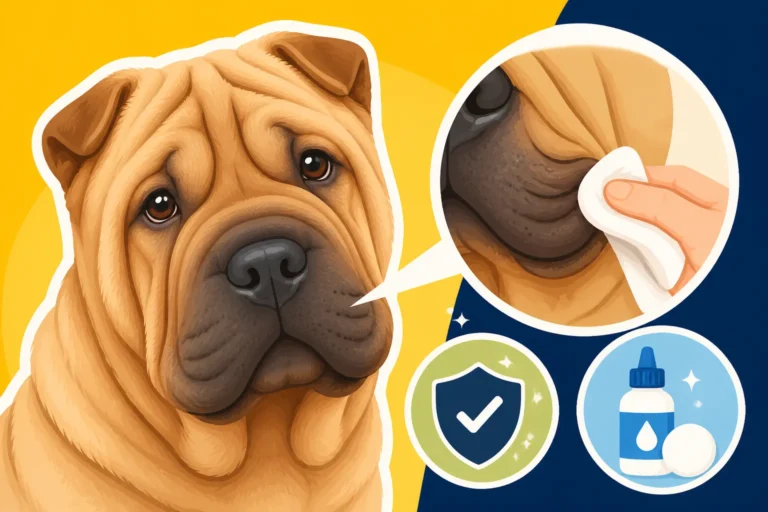
- Fold Care: Even with a long coat, the Shar Pei's characteristic wrinkles remain, and they need meticulous care. Daily wiping and drying of facial and body folds are crucial to prevent skin fold dermatitis. The longer fur might make these folds slightly harder to access and keep dry, so extra diligence is required.
- Professional Grooming: Some Bear Coat owners opt for professional grooming every few months to help manage the coat, especially during shedding seasons or if they struggle with matting. This can be an additional expense to factor into your budget.
Climate and Comfort
The Shar Pei breed, in general, is not known for its heat tolerance. Their unique head shape, which can sometimes lead to brachycephalic-like issues, combined with their dense coat, means they can overheat relatively easily. For a Bear Coat Shar Pei, this predisposition can be even more pronounced due to their longer, thicker fur acting as an insulating layer.
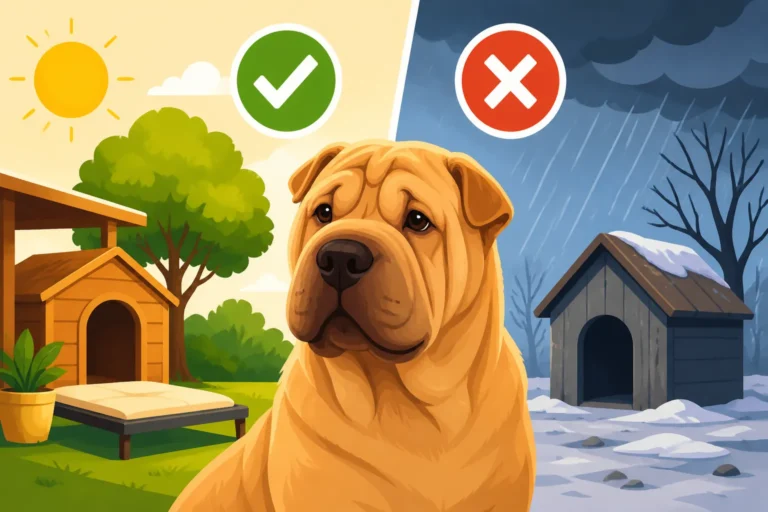
- Heat Sensitivity: In warmer climates or during hot summer months, Bear Coats require extra precautions. Walks should be scheduled during the coolest parts of the day (early morning or late evening), and strenuous exercise should be avoided when temperatures rise. They need constant access to fresh water and a cool, shaded environment. Air conditioning inside the home is often a necessity, not a luxury. Paying attention to How Easily a Shar Pei Overheats is vital, and a Bear Coat will need even more consideration.
- Winter Comfort: On the flip side, their longer coat can be a benefit in colder climates, providing extra warmth. However, it's important to ensure that if they get wet in snow or rain, they are thoroughly dried to prevent skin issues and chilling.
- Environmental Management: Providing cooling mats, elevated beds for air circulation, and avoiding direct sun exposure during peak hours are important practices for any Shar Pei, but especially for Bear Coats.
Finding a Responsible Breeder or Rescue
Acquiring a Bear Coat Shar Pei requires careful consideration, perhaps even more so than a standard Shar Pei. Since they don't conform to the breed standard, you typically won't find them from breeders whose primary focus is showing in conformation.
- Prioritize Health: Regardless of the coat type, the most important factor is the health and temperament of the puppy. Seek out breeders who are transparent about their dogs' health histories, perform all recommended health clearances (hips, elbows, thyroid, patellas, eyes, and screening for FSF/amyloidosis markers), and are willing to provide references. Don't be swayed by claims of "rarity" or "designer" status without proof of health and ethical breeding practices. A good breeder, even if they occasionally produce a Bear Coat, will prioritize the health of their entire line. They will also be upfront about whether they test for conditions like FSF, as discussed in Whether a Shar Pei Breeder Should Show Fever History.
- Ask About Genetic Testing: A responsible breeder should be aware of the genetic background of their dogs. They should be able to tell you if their breeding stock carries the recessive gene for long coats, especially if they've produced Bear Coats in the past.
- Consider Rescues: Shar Pei rescues often have dogs of all coat types looking for forever homes, including Bear Coats. Rescues typically provide known medical histories and temperamental assessments, and they are an excellent option for giving a loving home to a dog in need. Adopting from a rescue can be a very rewarding experience and often comes with the benefit of the dog being spayed/neutered and up-to-date on vaccinations.
The Ethical Landscape for Bear Coat Shar Pei
The existence of the Bear Coat Shar Pei brings up a fascinating, and sometimes contentious, discussion within the Shar Pei community regarding breed standards, ethical breeding, and consumer demand. It’s a microcosm of larger debates in the dog world about tradition versus evolving preferences.
Breeder Transparency and Genetic Testing
For breeders dedicated to upholding the official Shar Pei breed standard, the Bear Coat is considered a genetic anomaly, not a desirable trait. Reputable breeders striving for conformation excellence typically avoid breeding dogs that carry the long-coat gene, if they can identify them, to maintain the integrity of their lines according to the standard. However, since the trait is recessive, it can pop up unexpectedly even in litters from two standard-coated parents who are both carriers.
When a Bear Coat puppy does appear in a litter, an ethical breeder will be completely transparent about its status. They will explain why it doesn't meet the breed standard, confirm that it cannot be shown in conformation, and educate prospective owners about its unique grooming needs. These puppies are usually sold as pets with spay/neuter contracts to prevent them from being used in further breeding efforts that would deliberately diverge from the standard. The focus remains on placing them in loving homes where they will be cherished as companions, not as breeding stock to propagate a non-standard trait. Genetic testing, as mentioned before, plays a crucial role here, allowing breeders to identify carriers and make more informed breeding decisions.
The "Rare" Factor and Pricing
This is where the ethical lines can sometimes blur. As discussed, the allure of "rarity" can lead to inflated pricing for Bear Coat Shar Pei. Some breeders, unfortunately, capitalize on the lack of official recognition and the novelty of the long coat by advertising these dogs as "rare" or "exclusive," sometimes charging significantly more than for a standard-coated Shar Pei. This is a practice that responsible breed enthusiasts strongly discourage.
It's important for potential owners to understand that true rarity in the context of dog breeding often implies something highly sought after for specific, often performance-related, traits or adherence to a difficult-to-achieve standard. In the case of the Bear Coat, "rarity" is simply a deviation from the recognized standard. While the coat is unique, it is not a sign of superior health, temperament, or genetic quality. In fact, if a breeder is focused solely on producing "rare" traits for profit, they may be neglecting more critical aspects like comprehensive health testing, proper socialization, and improving the overall genetic health of the breed. Always question why a particular trait is being marketed as rare and whether that rarity genuinely adds value beyond aesthetics.
Beyond Conformation: Focusing on Companionship
Ultimately, the official recognition status of a Bear Coat Shar Pei really only matters if your primary goal is to show your dog in conformation events. If your desire is to bring a loving, unique, and devoted companion into your home, then the Bear Coat can be an absolutely wonderful choice.
Many Bear Coat owners adore their dogs, celebrating their plush appearance and the unique charm it brings. These dogs possess all the endearing qualities of the Shar Pei breed: loyalty, intelligence, protectiveness, and a deep bond with their chosen family. What truly matters is that the dog is healthy, well-socialized, and raised in a loving environment.
If you choose a Bear Coat Shar Pei, embrace it for who it is: a beautiful, purebred Shar Pei with a long, soft coat, deserving of all the love and responsible care you would give to any other dog. Focus on meeting its specific grooming and health needs, providing consistent training, and celebrating its unique personality. Whether you find your Bear Coat from a responsible breeder who had an unexpected litter, or give a second chance to a dog from a rescue, the true value of your Shar Pei lies in the companionship and joy it brings to your life, far more than any ribbon it might win in a show ring. Perhaps you'll even consider a high-quality food brand like Ollie that offers customized meal plans, helping ensure your unique Shar Pei gets the best nutrition possible to thrive.
| Coat Type | Description | Feel | Recognition (AKC/FCI) | Typical Wrinkles | Grooming Needs (Baseline) |
|---|---|---|---|---|---|
| Horse Coat | Very short, bristly, lies flat | Rough, prickly | Fully Recognized | Often more pronounced body wrinkles, less 'meat' | Low: Weekly brush, occasional bath |
| Brush Coat | Slightly longer (up to 1 inch), denser | Softer, plush | Fully Recognized | Moderate to significant, especially on head/neck | Moderate: 2-3x/week brush, regular bath |
| Bear Coat | Significantly longer (1-4 inches), fluffy, feathery | Soft, fluffy | Not Recognized | Varies, but often has substantial head wrinkles | High: Daily brush, meticulous drying, potential professional grooming |
Disclaimer
This article is for general informational purposes only and does not constitute professional advice. Laws, prices and regulations vary by location and change over time. Consult a qualified professional for guidance on your specific situation.