Why a Damp Shar Pei Develops Infection
As a Shar Pei owner, you know the adorable wrinkles are part of their charm, but you also know they come with a unique set of challenges. One of the biggest headaches? The constant battle against dampness, which, left unchecked, can quickly turn those cute crevices into painful, itchy, and downright smelly infections. This guide is here to walk you through exactly why a damp Shar Pei is prone to developing these issues and, more importantly, how you can proactively prevent them, saving both your dog and your wallet a lot of misery.
The Unique Anatomy of a Shar Pei's Skin and Coat
It's easy to just see a Shar Pei and think "wrinkles," but there's a whole lot more going on beneath the surface that makes them particularly susceptible to dampness-related skin issues. Understanding their unique biology is the first step in effective prevention.
The Double-Edged Sword of Those Adorable Wrinkles
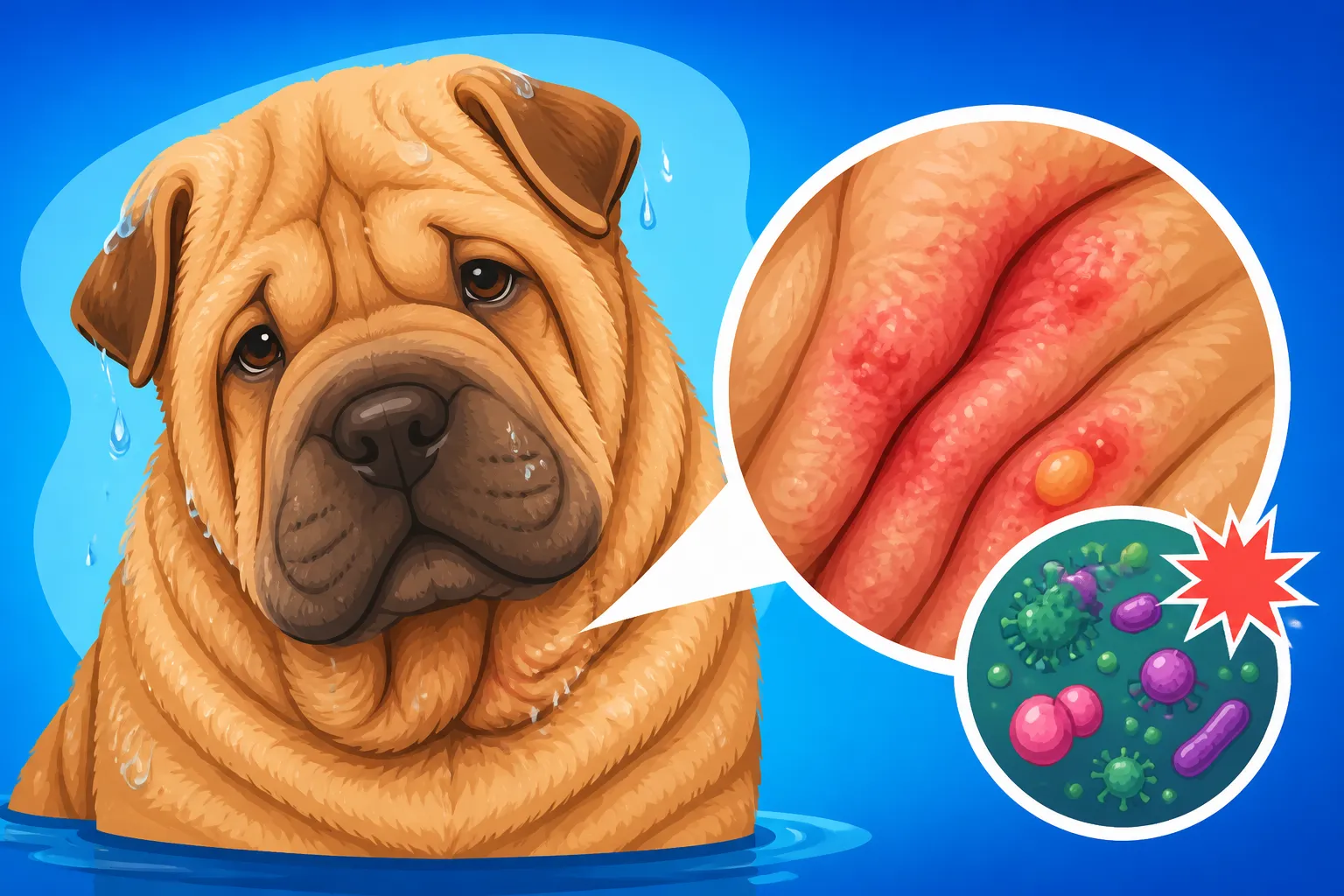
Those beautiful, loose folds of skin that define the Shar Pei breed are, unfortunately, a perfect storm for trapping moisture. Imagine wearing a very thick, constantly bunched-up sweater that never quite dries out – that's a bit like what happens in a Shar Pei's deeper wrinkles. These folds create tiny, warm, dark, and often humid microclimates against their body, especially in areas like their face, neck, and around their tail. When water, be it from a bath, rain, or even just drinking, gets trapped in these crevices, it doesn't evaporate easily. Instead, it sits there, turning into a stagnant pool that breaks down the skin's natural barrier and provides an ideal environment for opportunistic bacteria and yeast to flourish. It’s like a tiny greenhouse for microbes, and once they get comfortable, they multiply rapidly, leading to irritation and infection.
Beyond just the surface, the density of their coat also plays a role. While their hair isn't long, it's often quite thick, especially in Brush Coat Shar Peis, making it harder for air to circulate and reach the skin underneath the folds. This exacerbates the moisture problem, as the hair itself can hold onto water molecules, further extending drying times and increasing the risk of skin breakdown. It's a cruel irony that the very feature we adore can be such a source of discomfort for them, highlighting why vigilant care is so crucial. You really need to think about Every Fold on a Shar Pei Is a Place Something Grows and act accordingly.
The "Sandpaper" Coat and Its Impact
The Shar Pei's characteristic "horse coat," known for its short, stiff, and somewhat bristly texture, often feels like sandpaper. This unique coat, while visually distinct, also contributes to slower drying times. Unlike breeds with softer, smoother coats where water might bead off or dry relatively quickly, the coarse hairs of a Shar Pei's coat can actually hold onto water more stubbornly. Each stiff hair acts like a tiny wick, keeping moisture close to the skin for longer periods.
This prolonged dampness isn't just an inconvenience; it can actively irritate their sensitive skin, especially when combined with the friction created by movement within the skin folds. Imagine chafing, but amplified by constant wetness. This persistent dampness weakens the skin's natural defenses, making it more permeable and susceptible to invasion by microorganisms. Furthermore, the stiff texture can sometimes make it harder to thoroughly towel dry, as the bristles can resist the towel's absorbent action in the deepest parts of the coat and folds. This means that even after a seemingly good towel-dry, residual moisture can linger, particularly in those problem areas, paving the way for skin issues.
Why Dampness Becomes a Breeding Ground for Trouble
When moisture lingers in the warm, dark folds of a Shar Pei's skin, it creates a hospitable environment for microorganisms that are normally present on the skin in harmless numbers. However, with the right conditions, these organisms can multiply uncontrollably, leading to painful and irritating infections.
Yeast Infections: The Pesky Fungal Overgrowth
One of the most common culprits you'll encounter with a damp Shar Pei is a yeast infection, usually caused by Malassezia pachydermatis. This particular type of yeast is a normal resident on canine skin, living in harmony without causing problems most of the time. However, Malassezia absolutely thrives in warm, moist, and dark environments, which perfectly describes the conditions within a Shar Pei's skin folds when they're allowed to stay damp.
When these conditions persist, the yeast population explodes, leading to an overgrowth. The symptoms are often unmistakable: intense itching, redness, a greasy or waxy feel to the skin, and a very distinct, often sweet or corn-chip-like odor. You might notice your Shar Pei constantly scratching, rubbing against furniture, or licking at their paws or groin areas. The skin in affected areas can become thickened and darkened over time, sometimes described as "elephant skin." The dampness compromises the skin's natural barrier, allowing the yeast to penetrate and cause inflammation and irritation. It's a vicious cycle: the dog scratches, further damaging the skin, which then allows more yeast to take hold, increasing the itch. Preventing Skin Fold Dermatitis on a Shar Pei often starts with diligent moisture control.
Bacterial Dermatitis: When Skin Folds Go Bad
Beyond yeast, dampness also provides an ideal breeding ground for bacteria, particularly Staphylococcus pseudintermedius, which is another normal inhabitant of canine skin. Just like yeast, when the skin is constantly wet, warm, and deprived of air circulation, these bacteria can rapidly proliferate and cause bacterial dermatitis, often referred to as pyoderma.
The process usually begins with the dampness weakening the skin's protective barrier. This makes it easier for bacteria to invade superficial layers of the skin. The friction from the skin folds rubbing together, especially when wet, can cause tiny abrasions, giving bacteria a direct entry point. You'll often see redness, pustules, scabs, and hair loss in the affected areas. The skin might be painful to the touch, and your dog could show signs of discomfort, reluctance to be petted in certain spots, or an increase in licking and chewing. The odor from bacterial infections is often more pungent and unpleasant than that of yeast infections. If left untreated, these infections can become deep and complicated, requiring long courses of antibiotics and medicated shampoos to resolve.
Common Areas Where Dampness Strikes Hardest
While a damp Shar Pei can develop issues anywhere on their body, certain areas are particularly vulnerable due to their unique conformation and habits. These are the spots that require your most diligent attention to keep dry.
The Deep Crevices: Facial, Neck, and Tail Folds
The most iconic features of a Shar Pei—their wonderfully wrinkled face and neck—are unfortunately prime locations for moisture to get trapped. After a drink of water, moisture can linger in the deep muzzle and chin folds, slowly saturating the skin. A bath, of course, douses these areas completely, and if not thoroughly dried, the warm, dark folds become a haven for microbial growth. This is particularly noticeable around their eyes and mouth, where food debris and tears can mix with moisture, creating a nutrient-rich soup for bacteria and yeast.
Similarly, the neck folds, especially in more heavily wrinkled Shar Peis, can trap significant amounts of water. Think about how many times your dog lowers its head to eat or drink, or simply rolls around on the floor. These movements can push moisture deep into the folds, where it remains hidden and slow to dry. Then there's the tail pocket—a small, often very deep fold right at the base of the tail, especially common in Shar Peis with tight, curled tails. This area is notoriously difficult to keep clean and dry. Fecal matter can accumulate here, and when combined with dampness from bathing or even humidity, it creates a pungent, painful infection that many owners don't even realize is there until the dog starts showing significant discomfort or you catch a whiff of a foul odor. Diligent, daily care is essential for these spots. What to Clean a Shar Pei's Folds With can make a huge difference here.
Ears and Paws: Often Overlooked Hotbeds
While the folds are often the first thing people think of, a Shar Pei's ears and paws are equally, if not more, susceptible to dampness-related problems. Their ears, famously narrow and often partially closed over, create a naturally warm and humid environment that is perfect for bacteria and yeast. A Shar Pei Has the Narrowest Ear Canals of Any Breed, which exacerbates the problem, making ventilation poor and moisture retention high. If water gets into those ear canals during a bath or a rainy walk, it's incredibly difficult for it to drain out or evaporate. This trapped moisture quickly leads to painful ear infections, characterized by head shaking, scratching, redness, and a dark, smelly discharge. Many Shar Peis suffer from chronic ear infections, making regular, preventative cleaning and drying paramount. How Often a Shar Pei Gets an Ear Infection is a very common owner concern, and dampness is a huge factor.
The paws are another common but often overlooked area. After walking on wet grass, through puddles, or having a bath, the fur and skin between their paw pads can remain damp for extended periods. This constant moisture can lead to interdigital dermatitis, a fancy term for infection between the toes. Just like the folds, this area provides a warm, dark, and moist environment where yeast and bacteria can multiply. Your Shar Pei might lick or chew at their paws obsessively, leading to redness, swelling, and even deep, painful infections. Always remember to dry between their toes thoroughly after any wet activity to prevent this discomfort.
The Ripple Effect: Beyond Skin Deep
While skin infections might seem localized, their impact on a Shar Pei's overall well-being can be far-reaching, affecting not just their physical comfort but also their temperament and your family's finances. It's a cascade effect that starts with simple dampness.
Persistent Discomfort and Behavioral Changes
Imagine living with a constant, nagging itch or a throbbing sore spot that you can't quite relieve. That's often the reality for a Shar Pei suffering from dampness-induced skin infections. The persistent itching, burning, and pain from yeast or bacterial dermatitis can lead to significant discomfort, which naturally impacts their behavior. A normally affectionate and calm Shar Pei might become irritable, withdrawn, or even snappy if touched in a sensitive area. They might spend an excessive amount of time scratching, licking, or rubbing against objects, sometimes to the point of creating more self-inflicted wounds, further complicating the issue. This isn't just a minor annoyance for them; it's a chronic source of stress and misery.
Beyond the immediate discomfort, prolonged irritation can disrupt their sleep, reduce their appetite, and generally diminish their quality of life. A dog that is constantly itching or in pain isn't a happy dog. It can make training more difficult, as they're too distracted or uncomfortable to focus. Their playful spirit might wane, and their interactions with family members, including children, could become guarded if they anticipate pain from being petted. This behavioral shift can be heartbreaking for owners who cherish their dog's personality, and it underscores the importance of addressing the root cause – that pesky dampness – before it spirals into a deeper problem.
Escalating Vet Bills and Frustration
Let's be realistic: owning a Shar Pei comes with its unique financial considerations, and skin issues can quickly become one of the most significant line items in your budget. What starts as a simple oversight in drying can escalate into repeated veterinary visits, diagnostic tests, and expensive medications. A trip to the vet for a skin infection typically involves an examination, potentially skin scrapes or cultures to identify the specific yeast or bacteria, and then a course of treatment. This might include prescription medicated shampoos, topical creams, oral antibiotics, antifungals, or even steroids to manage inflammation and itching. These medications often come with a hefty price tag, and the courses can be long, sometimes weeks or even months for stubborn infections.
If the problem becomes chronic, as it often does with Shar Peis due to their conformation, you might find yourself on a revolving door to the vet's office. The costs of medication, specialized diets, and ongoing management can quickly add up, creating significant financial strain. Owners often feel a deep sense of frustration, not only at the recurring bills but also at the difficulty of keeping their beloved companion comfortable. It's a common story to hear about What a Shar Pei's Skin Costs a Year, and many owners find themselves caught in this cycle. Proactive measures, while requiring time and effort, are almost always less expensive and less emotionally taxing than dealing with a full-blown, recurring infection.
Proactive Strategies to Keep Your Shar Pei Dry and Healthy
Now that we understand why dampness is such a foe, let's talk about the practical steps you can take to keep your Shar Pei dry, comfortable, and free from those irritating infections. This is where vigilant, consistent care truly shines.
Mastering the Art of Post-Bath Drying
Bathing a Shar Pei is an essential part of their hygiene, especially if they have skin issues, but it's only half the battle. The drying process is arguably more critical. Simply towel-drying isn't enough for these dogs. You need a multi-step approach to ensure every fold and crevice is bone-dry. Start by using highly absorbent towels, pressing them firmly into the folds and against the body to soak up as much water as possible. Don't just rub; blot and squeeze.
Next, a dog-specific blow dryer is your best friend. Human blow dryers can get too hot and burn their sensitive skin, so invest in one designed for pets. Use it on a cool or low-heat setting, gently lifting folds and directing the airflow into all those hidden pockets. Pay extra attention to the facial folds, neck rolls, underarms, groin, and especially the tail pocket. It might take longer than you expect, but it's crucial. While drying, gently separate the folds with your fingers to ensure the air circulates effectively. You should aim for the skin itself to feel dry, not just the outer layer of fur. After using a blow dryer, a brief period of air-drying in a warm, dry room or a crate with a fan can help ensure any lingering moisture evaporates. Remember, the goal is not just damp but dry. For more details on this vital step, check out How to Dry a Shar Pei Properly.
Daily Maintenance for Folds and Ears
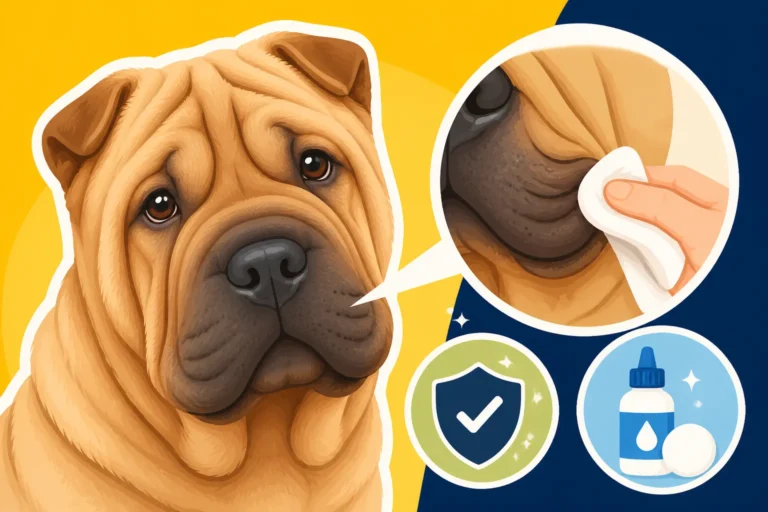
Beyond bath time, daily attention to your Shar Pei's folds and ears is paramount. For the skin folds, especially those on the face, chin, and around the tail, a quick daily wipe-down can prevent moisture and debris from accumulating. I recommend using gentle, unscented pet wipes or cotton pads moistened with a dilute antiseptic solution specifically formulated for dogs. Products available on platforms like Amazon or Chewy are excellent for this. Gently lift each fold and wipe inside, removing any moisture, dirt, or food particles. After wiping, follow up with a dry cotton pad or a soft cloth to ensure the area is completely dry. Some owners even use a tiny amount of cornstarch or medicated powder (vet-approved, of course!) to help keep the deepest folds dry, though this should be done sparingly to avoid caking.
For ears, a weekly or bi-weekly cleaning routine is vital, even if they look clean. Use an ear-cleaning solution designed for dogs – again, you can find great options from brands like Zymox or Epi-Otic on Chewy or at your local pet store. Never use cotton swabs deep inside the ear canal; instead, apply the solution to a cotton ball and gently wipe the visible parts of the ear. Allow your dog to shake their head, then wipe away any dislodged debris and excess solution with a fresh cotton ball. The key is to keep the ear canals dry and free from wax buildup. Consistent cleaning helps prevent the conditions that lead to recurrent ear infections. The Shar Pei Ear You Cannot Reach Into means you have to be extra careful and consistent.
Weathering the Storm: Managing Outdoor Dampness
It's not just bath time that can leave your Shar Pei damp. Outdoor adventures, especially in wet weather, pose a significant risk. If your Shar Pei enjoys romping in the rain or splashing through puddles, or has a tendency to get soaked from morning dew on the grass, you need a post-outdoor routine. Keep absorbent towels near the door specifically for this purpose.
Immediately after coming inside, thoroughly towel-dry your Shar Pei, paying close attention to their belly, legs, paws, and any deep body folds. For particularly wet outings, a quick blow-dry session might be necessary, focusing on those hard-to-reach areas. If your Shar Pei likes to swim, this vigilance is even more critical. After a swim, they need an immediate and comprehensive drying session, just like after a bath, paying special attention to their ears. Consider dog raincoats or vests for wet weather walks to minimize how much their coat gets soaked. While they might look a little silly, they can make a huge difference in keeping your Shar Pei's skin healthy and dry, reducing the need for intensive drying afterward.
When to Seek Professional Help for Dampness-Related Issues
Despite your best efforts, sometimes infections happen. It's crucial to know when a skin problem is beyond home care and requires the expertise of a veterinarian. Early intervention can prevent minor irritations from escalating into severe, chronic conditions.
Recognizing the Warning Signs
Being observant is your best tool. As a Shar Pei owner, you should regularly inspect your dog's skin, especially in and around their folds, ears, and paw pads. Look for any changes in appearance or behavior. Key warning signs that warrant a vet visit include:
- Persistent itching or licking: If your Shar Pei is constantly scratching, rubbing, or gnawing at a particular spot, or if the itching seems generalized and intense.
- Redness and inflammation: Areas of skin that appear unusually red, swollen, or inflamed, especially within folds or between toes.
- Foul odor: A strong, unpleasant smell emanating from the skin, ears, or paw pads, often described as sweet, yeasty, or rancid.
- Discharge: Any yellowish, green, or dark waxy discharge from the ears, or pus-like weeping from skin folds.
- Skin changes: The appearance of pustules (pimples), scabs, crusts, thickened skin, hair loss, or dark, greasy patches.
- Pain or sensitivity: If your dog reacts negatively (whimpers, growls, pulls away) when you try to touch or examine a particular area.
- Lethargy or loss of appetite: In more severe cases, systemic discomfort from an infection can lead to a general feeling of being unwell.
Don't wait for these symptoms to become severe. The moment you notice something is off, it’s time to consider professional advice.
The Vet's Role in Diagnosis and Treatment
When you notice these warning signs, a trip to the vet is essential. Your veterinarian will perform a thorough physical examination, focusing on the affected areas. They will likely take samples from the skin or ears to examine under a microscope. This might involve a skin scrape to check for parasites like Whether a Shar Pei Gets Demodectic Mange, or a cytology (looking at cells) to identify an overgrowth of yeast or bacteria. In some cases, a bacterial culture and sensitivity test might be recommended, especially for recurring or stubborn infections, to determine the exact type of bacteria and which antibiotics will be most effective.
Based on the diagnosis, your vet will prescribe appropriate treatment. This could include:
- Medicated shampoos: Often containing antifungal or antibacterial agents, requiring specific contact times during bathing.
- Topical medications: Creams, ointments, or sprays applied directly to the affected skin.
- Oral medications: Antibiotics, antifungals, or anti-inflammatory drugs (like steroids) to tackle the infection from within and reduce discomfort.
- Ear cleansers and drops: Specific solutions and medications for ear infections.
It's crucial to follow your vet's instructions precisely, completing the full course of medication even if your Shar Pei seems to improve quickly. Stopping treatment too soon can lead to a relapse and make future infections harder to treat. Additionally, your vet might offer advice on preventative care, recommend specific cleaning products or diets (like those available on Ollie, which focuses on fresh, tailored nutrition that can support overall skin health), and schedule follow-up appointments to ensure the infection is completely cleared. This partnership with your vet is key to keeping your Shar Pei healthy and comfortable in the long run.
| Common Dampness-Related Issues | Key Symptoms | Areas Most Affected | Typical Odor |
|---|---|---|---|
| Yeast Infection (Malassezia) | Intense itch, redness, greasy skin, dark patches, waxy discharge | Skin folds (face, neck, tail), ears, paws, armpits, groin | Sweet, "corn chip" like |
| Bacterial Dermatitis (Pyoderma) | Redness, pustules, scabs, crusts, hair loss, pain, inflammation | Skin folds, paw pads, any skin irritation point | Pungent, unpleasant |
| Ear Infection (Otitis Externa) | Head shaking, scratching ears, redness, discharge, pain | Ear canals | Varying (yeasty or foul) |
| Interdigital Dermatitis | Licking/chewing paws, redness, swelling, lameness | Between paw pads | Often yeasty or foul |
Disclaimer
This article is for general informational purposes only and does not constitute professional advice. Laws, prices and regulations vary by location and change over time. Consult a qualified professional for guidance on your specific situation.