Whether the Shar Pei Is an Ancient Breed
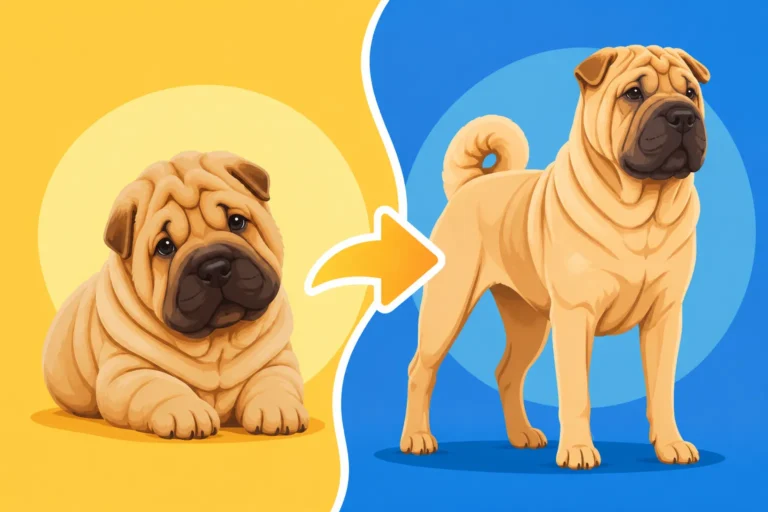
It’s a question many Shar Pei enthusiasts ponder, often while gazing at their wrinkled companions: is this truly an ancient breed? There's a common misconception that "ancient" simply means "very old," but in the world of dog breeds, it implies something much deeper, tied to genetic lineage and a direct connection to canine ancestors from millennia ago. This guide will take a deep dive into the fascinating history of the Shar Pei, exploring the evidence that supports its ancient roots, tracing its journey from historical obscurity to modern-day adoration, and explaining why understanding this heritage is so crucial for every owner.
Unpacking the Term "Ancient Breed" in the Canine World
When we talk about "ancient breeds" in the context of dogs, we're not just referring to breeds that have been around for a few hundred years. We're delving into deep history, often thousands of years, where a breed's genetic makeup shows minimal divergence from early dog populations and often shares a closer genetic proximity to wolves than many modern breeds. It's a scientific classification, not just a historical observation, and it carries significant implications for understanding a dog's inherent traits and health.
What "Ancient" Truly Implies for Dog Breeds
The designation of an "ancient breed" isn't given lightly. It's typically based on genetic studies that analyze DNA markers, comparing the breed's genetic blueprint to that of wolves and other dog populations across the globe. These studies look for evidence of deep lineage, indicating that the breed diverged very early in canine domestication history. Think of it like a family tree: modern breeds might be distant cousins, but ancient breeds are closer to the root, sharing traits that have been largely untouched by extensive cross-breeding or modern selective breeding pressures. This early divergence often means they possess unique genetic markers that are absent in more recently developed breeds.
This ancestral connection can manifest in various ways, from physical characteristics that have remained relatively unchanged for centuries to deeply ingrained behavioral patterns. For instance, many ancient breeds exhibit strong independent streaks, are often less amenable to complex obedience training, and may display more pronounced guarding or hunting instincts compared to breeds developed more recently for specific working roles or companionship. It's not just about a long paper trail of their existence, but a verifiable genetic continuity with the earliest forms of domesticated dogs.
Challenges in Dating Canine Lineages
Pinpointing the exact origins and age of any dog breed is incredibly complex, even with modern genetic tools. The history of dogs is one of constant movement, intermingling, and adaptation alongside human migration. Unlike human history, where written records and vast archaeological sites can offer clear timelines, canine history is often piecemeal. We rely on fragmented archaeological findings, ancient artworks, and, more recently, genetic analysis to piece together their story. The challenge lies in the fact that dog breeds as we understand them today — with consistent physical traits and distinct populations — are a relatively modern invention, largely becoming solidified in the last few centuries. Before that, dogs were bred for function, with less emphasis on strict breed standards.
Furthermore, the very act of breeding, even in ancient times, meant a constant reshuffling of genes. Dogs traveled with people, exchanged genes with local populations, and underwent natural selection based on their environments and human needs. This makes tracing a single, unbroken lineage incredibly difficult. Genetic studies can show deep roots and close relationships to ancient dog populations, but pinpointing a specific "birth date" for a breed like the Shar Pei is more akin to estimating an era than marking a precise year. The evidence often comes from comparing their genetic code to those of other ancient breeds and identifying shared ancestral markers that predate most modern dog types.
Tracing the Shar Pei's Origins to Ancient China
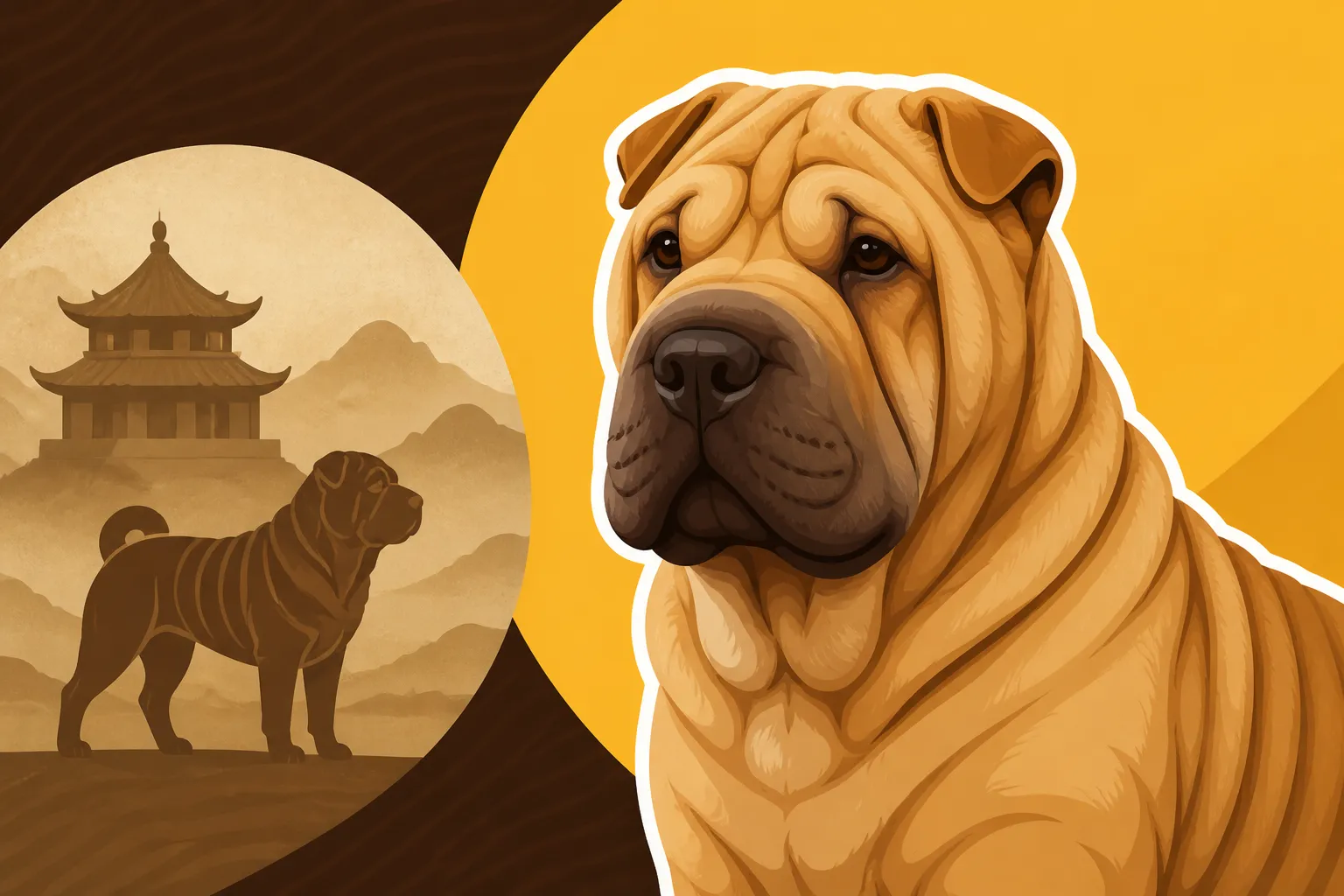
The Shar Pei's story is deeply intertwined with the history of China, a narrative spanning thousands of years. While much of its early history is shrouded in the mists of time, circumstantial and archaeological evidence strongly suggests that this distinctive breed has roots stretching back to ancient dynastic periods, placing it firmly in the category of an ancient breed. Its unique physical and temperamental traits aren't just quirks; they are echoes of a distant past.
Archaeological Glimpses: Han Dynasty Figurines
Perhaps the most compelling visual evidence for the Shar Pei's ancient lineage comes from archaeological discoveries in China. Tomb figurines, dating back to the Han Dynasty (206 BC – 220 AD), frequently depict dogs that bear a striking resemblance to the modern Shar Pei. These terracotta and ceramic statues often show dogs with the characteristic broad head, small triangular ears, wrinkled muzzle, and even the "hippopotamus" snout that is a hallmark of the breed. While not identical to every modern Shar Pei (the degree of wrinkling, for example, has certainly evolved), the overall silhouette and key features are unmistakably familiar.
These figurines weren't mere decorative items; they were often interred with the deceased to accompany them into the afterlife, suggesting the dogs held cultural and practical significance in that era. The consistency of these depictions across different sites from the Han period implies that a dog type resembling the Shar Pei was well-established and recognized in ancient Chinese society. It’s a powerful testament to the breed's antiquity when you can literally see its ancestors preserved in clay from two millennia ago. This historical record paints a vivid picture of a breed that existed long before many of the dog breeds we know today were even conceived.
The Shar Pei's Original Roles and Traits
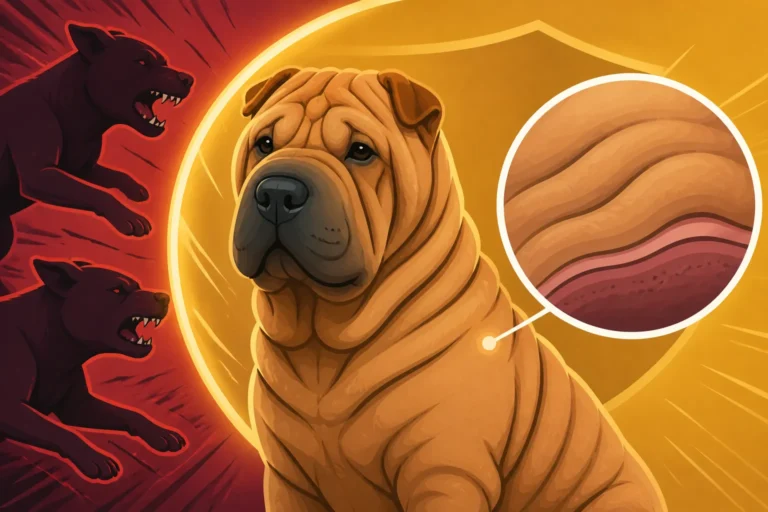
Beyond archaeological evidence, understanding what a Shar Pei was originally bred to do further reinforces its ancient status. These dogs were not bred for cuddles and companionship in the way many modern breeds are. They were multi-purpose working dogs, essential members of agrarian households in southern China, particularly in the provinces of Guangdong. Their roles were diverse and demanding, requiring a specific set of physical and mental attributes that have been preserved through centuries. The Shar Pei acted as a vigilant guard dog, protecting homes, livestock, and families from intruders and predators. This explains their inherent aloofness towards strangers and their strong protective instincts, which are still very much present in the modern Shar Pei. A Shar Pei Was Bred to Guard, Not to Greet
They were also formidable hunters, used for tracking and catching wild boar and other game, requiring courage, stamina, and a certain degree of independence in the field. This hunting heritage contributes to their often strong prey drive and their sometimes stubborn, self-reliant nature. Perhaps most famously, they were utilized in dog fighting, a grim but historically significant aspect that explains some of their most distinctive physical traits. Their loose, prickly skin, which could be turned on an attacker, and their small, protected ears made them difficult for opponents to grip. Even their rough, "sandpaper" coat made them challenging to hold onto during a confrontation. These functional traits, bred for utility in demanding roles, speak to a long history of purposeful breeding, rather than merely aesthetic selection.
The Shar Pei's Near Extinction and Modern Revival
While the Shar Pei boasts an ancient lineage, its journey to the present day was far from smooth. In fact, for a period in the mid-20th century, this ancient breed teetered on the brink of complete annihilation, only to be dramatically rescued through the dedicated efforts of a few passionate individuals. This brush with oblivion is a crucial chapter in the Shar Pei's history, profoundly shaping its modern existence and health profile.
The Mid-20th Century Decline: A Brush with Oblivion
The mid-20th century was a perilous time for many dog breeds in China, and the Shar Pei was no exception. Political and social upheavals following the establishment of the People's Republic of China in 1949 led to devastating consequences for dog populations. Dogs were increasingly viewed as luxuries, symbols of bourgeois excess, and a drain on scarce resources. Massive culling campaigns were implemented, and heavy taxes were levied on dog ownership, making it prohibitively expensive for most citizens to keep a canine companion. In the harsh economic realities of the time, maintaining a dog became an impossible burden for many, and countless breeds, including the Shar Pei, faced widespread eradication.
This period saw the population of Shar Pei dwindle to critically low numbers on mainland China. By the 1970s, it was widely believed that the breed was on the verge of extinction, with only a handful of individuals surviving, primarily in Hong Kong and possibly Taiwan. The sheer scale of this near-extinction event is difficult to overstate; it wasn't a gradual decline but a rapid, deliberate reduction that almost erased thousands of years of history. It was a dark chapter that highlights the vulnerability of even the most ancient and resilient breeds to drastic societal changes. Why the Shar Pei Nearly Died Out in China
Matgo Law's Plea and the Breed's Global Rescue
The lifeline for the Shar Pei came in 1973, when a determined Hong Kong businessman named Matgo Law made a desperate plea to the international community. He penned an article for a prominent American dog magazine, appealing for help to save the "rarest dog in the world." His article highlighted the plight of the Shar Pei, illustrating its unique characteristics and ancient heritage, and warned of its imminent disappearance. This article, titled "The Last Shar Pei?", galvanized dog lovers and breeders in the West, particularly in the United States. One Letter to a Dog Magazine Saved the Shar Pei
The response was overwhelming. A handful of Shar Pei, believed to be among the last surviving specimens in Hong Kong, were imported to the United States. These dogs, along with a few others from various sources, formed the tiny foundation stock from which all modern Western Shar Pei descend. It was a truly heroic effort, a testament to the power of a few dedicated individuals to pull a breed back from the brink. The breed’s numbers slowly began to recover, but this dramatic rescue had profound implications for its genetic future. Sixty Shar Pei Were Left in 1978
The Genetic Bottleneck and Its Health Implications
While the rescue of the Shar Pei was a triumph, it came at a significant cost: a severe genetic bottleneck. With only a very small number of dogs forming the basis of the new breeding program, the genetic diversity of the breed was drastically reduced. Imagine trying to rebuild an entire library with only a handful of books; much of the original content is lost forever. This limited gene pool meant that any genetic predispositions present in those few founding dogs were heavily amplified and passed down through generations.
This is why modern Shar Pei are known for a specific set of breed-specific health issues, particularly conditions related to their characteristic wrinkles and immune system. Familial Shar Pei Fever (FSF) and its associated amyloidosis are prime examples, as are various skin problems and immune deficiencies. These conditions are not necessarily new, but their prevalence became significantly higher due to the lack of genetic variation that would have diluted them in a larger, more diverse population. Understanding this genetic bottleneck is crucial for any Shar Pei owner, as it informs responsible breeding practices and proactive health management. What Being Saved Did to the Shar Pei's Health, How Narrow the Shar Pei's Founding Gene Pool Was This history also underlines the importance of sourcing your Shar Pei's food and supplements from reputable places; for instance, many owners find a wide range of sensitive stomach foods and immune support options on Chewy.
| Historical Period | Key Events & Characteristics | Evidence | Impact on Breed |
|---|---|---|---|
| Han Dynasty | Existence as multi-purpose working dog (guard, hunt, fight). Loose skin, small ears, wrinkled face. | Tomb figurines, ancient texts. | Established core functional traits and physical appearance. |
| Mid-20th Century | Political and social culling in China. Near extinction of the breed on mainland. | Historical records, accounts of dwindling numbers. | Severe genetic bottleneck, loss of diversity. |
| 1970s Revival | Matgo Law's appeal. Importation of a few individuals to the West. | Magazine articles, breeding records. | Global rescue, but intensified genetic predispositions. |
| Modern Era | Popularity surge. Focus on exaggerated wrinkles. Increased awareness of health issues. | Kennel club records, veterinary research. | Continued genetic challenges, but improved medical understanding. |
Distinctive Features: Echoes of Antiquity in the Modern Shar Pei
The Shar Pei is undeniably one of the most visually distinctive dog breeds in the world, instantly recognizable by its deep wrinkles, small ears, and unique "hippopotamus" muzzle. These features are not merely aesthetic quirks; they are living testaments to its ancient past, although some have been deliberately exaggerated in modern breeding. Understanding the historical context of these traits provides invaluable insight into the breed's functional origins and health predispositions.
The Wrinkles: A Feature Both Ancient and Exaggerated
The most striking feature of the Shar Pei, its abundant wrinkles, has a complex history. In ancient times, the loose skin was a functional asset. When the Shar Pei was used for guarding, hunting wild boar, or even in dog fighting, this excess skin provided a degree of protection. An aggressor might grab a mouthful of skin rather than damaging vital organs, allowing the Shar Pei to turn and retaliate. The rough, bristly coat, often described as feeling like sandpaper, further added to this defensive advantage, making it difficult for an opponent to maintain a grip. This functional aspect was highly valued for dogs engaged in strenuous and sometimes dangerous activities.
However, the degree of wrinkling seen in many modern Shar Pei, particularly the "meat mouth" variety, is largely a result of selective breeding for an exaggerated aesthetic, especially after the breed's revival in the West. This intense selection for more wrinkles, while visually appealing to many, has inadvertently led to a higher prevalence of certain health issues. The gene responsible for these excessive wrinkles also predisposes the breed to conditions like Familial Shar Pei Fever and certain skin problems, such as skin fold dermatitis. One Mutation Gave the Shar Pei Its Wrinkles and Its Fever Breeders in the West, aiming for a distinctive look, often emphasized this trait to a degree far beyond what was likely present in the ancient, more utilitarian Shar Pei, illustrating how human intervention can alter even the most ancient characteristics. Whether Western Breeders Made the Shar Pei Wrinklier It's a balance between appreciating their unique appearance and understanding the potential health costs associated with extreme traits.
The Blue-Black Tongue: A Rare Ancestral Trait
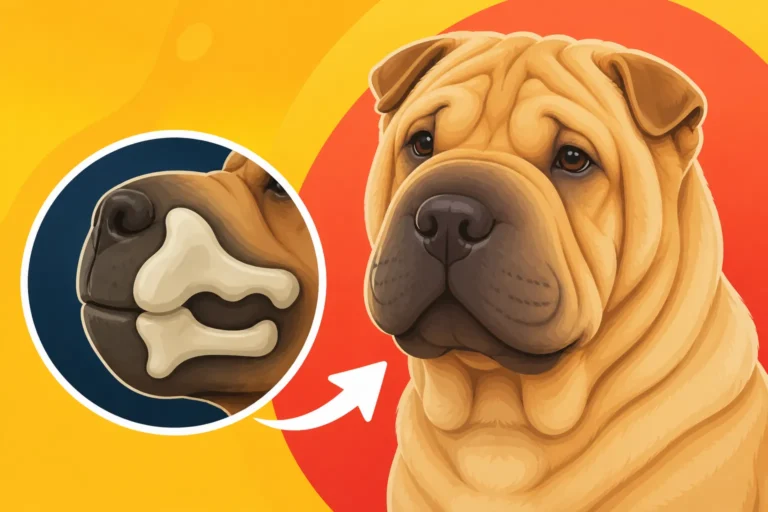
Another captivating and ancient characteristic of the Shar Pei is its distinctive blue-black or lavender-colored tongue. This unique pigmentation is a hallmark of the breed, so much so that a solid pink tongue is considered a disqualifying fault in breed standards. While its exact genetic mechanism is still being studied, this feature provides a fascinating link to another ancient breed: the Chow Chow. These two breeds are the only ones known to consistently possess this striking tongue color, leading many to believe they share a common ancestor deep in their ancient past. The Blue Black Tongue a Shar Pei Shares With One Other Breed
The blue-black tongue is not merely cosmetic; it is a strong indicator of an ancient genetic lineage, setting the Shar Pei apart from almost all other dog breeds developed more recently. This shared trait between the Shar Pei and the Chow Chow is often cited as evidence of their very early divergence from the common canine ancestral pool, predating the formation of most modern dog breeds. It's a genetic signature that has persisted through millennia, unaffected by the myriad of breeding influences that have shaped other dogs. Whether the Blue Tongue Proves a Shared Ancestor For owners, it's a constant reminder of their dog's unique and venerable heritage, a visual cue connecting them directly to dogs that roamed ancient China.
Why Its Ancient Status Matters to Owners
Understanding that your Shar Pei is an ancient breed isn't just a fun historical fact; it’s a crucial piece of knowledge that deeply informs how you approach ownership, training, and healthcare. The millennia of history ingrained in their DNA manifest in behaviors and predispositions that are distinct from those of more recently developed breeds. Recognizing these ancient roots helps owners navigate the complexities of living with a Shar Pei, fostering a more harmonious relationship and proactive approach to their well-being.
Understanding the Shar Pei's Innate Temperament
The Shar Pei's ancient history as a multi-purpose working dog – a guard, hunter, and fighter – is indelibly etched into its temperament. Unlike many modern companion breeds that thrive on constant human interaction and eager-to-please attitudes, the Shar Pei often exhibits a profound independence and a keen sense of self-preservation. They were bred to make their own decisions in challenging situations, not to blindly obey every command. This manifests as a "what's in it for me?" attitude during training and a strong, sometimes stubborn, will. The Headstrong Streak Nobody Trains Out of a Shar Pei They tend to bond fiercely with their chosen family but remain aloof, watchful, and often suspicious of strangers, a direct echo of their guarding heritage. A Shar Pei Was Bred to Guard, Not to Greet
This isn't to say a Shar Pei can't be affectionate or well-behaved; on the contrary, with consistent, positive reinforcement training and early, broad socialization, they can be wonderful companions. However, an owner who expects the eager compliance of a Golden Retriever or the constant attention-seeking of a lap dog will quickly find themselves frustrated. Understanding their ancient instincts helps you appreciate their unique personality – their quiet dignity, their watchful intelligence, and their deep, if sometimes reserved, loyalty. It also prepares you for the need for firm, fair leadership and consistent boundaries from puppyhood, ensuring they become well-adjusted members of your household. If you're looking for training treats that truly motivate a Shar Pei, sometimes a high-value, novel protein treat from a place like Chewy can make all the difference.
Managing Health Predispositions with Historical Context
The Shar Pei's journey through history, particularly its narrow escape from extinction, has left a clear imprint on its health profile. The intense selection for extreme wrinkling, coupled with the genetic bottleneck, means Shar Pei are predisposed to a range of breed-specific health conditions. Understanding this historical context helps owners anticipate potential issues and partner with their veterinarian for proactive care. For example, the same gene that gives them their iconic wrinkles also makes them susceptible to Familial Shar Pei Fever (FSF), a periodic inflammatory condition. This means that owners need to be vigilant for signs of fever, swelling, and lethargy, and understand that FSF is not an infection but an inherited inflammatory response. Familial Shar Pei Fever Is Not an Infection
Furthermore, their abundant skin, while historically protective, also makes them prone to various dermatological problems, from skin fold dermatitis (where moisture and bacteria can get trapped in the folds) to allergies and mucinosis. Skin Is the Shar Pei's Largest Problem by Surface Area Their unique ear structure, with extremely narrow canals, leads to frequent ear infections. Knowing these predispositions means an owner is better prepared for regular veterinary check-ups, potentially specialized diets, and a consistent grooming routine tailored to their specific needs. It’s about acknowledging that while their ancient heritage makes them unique, it also comes with a responsibility to manage the health challenges that have been passed down through generations. This is why many Shar Pei owners rely on specialized medicated shampoos and ear cleaners, often found at online pet supply retailers like Chewy, to proactively manage these conditions.
Disclaimer
This article is for general informational purposes only and does not constitute professional advice. Laws, prices and regulations vary by location and change over time. Consult a qualified professional for guidance on your specific situation.