Whether a Shar Pei Needs a Limited Ingredient Diet
It's a common, heartbreaking scenario for Shar Pei owners: you've got a wonderful, loyal companion, but they're constantly itching, scratching, or suffering from upset stomachs. You've tried different foods, endless vet visits, and maybe even some home remedies, all while wondering if there's a dietary solution. This comprehensive guide will delve into whether a Shar Pei genuinely needs a limited ingredient diet and how it can potentially offer relief for their unique sensitivities.
Understanding Common Shar Pei Sensitivities and Their Link to Diet
Our beloved Shar Pei, with their distinctive wrinkles and loyal nature, are unfortunately prone to a host of health issues, many of which are linked directly or indirectly to their sensitive systems. It's not just bad luck; there are genetic predispositions that make them special, and sometimes, a little more fragile when it comes to things like food.
The Shar Pei's Unique Skin and Gut Challenges
When we talk about Shar Pei, we absolutely have to talk about their skin. It’s their most iconic feature, but it’s also, quite literally, their largest problem by surface area. This breed is predisposed to a range of dermatological conditions, often stemming from or exacerbated by internal factors. Their unique genetic makeup, which gives them those adorable wrinkles, also makes them more susceptible to inflammatory conditions, including those that manifest in the skin and gut. We're talking about things like atopic dermatitis, fold pyoderma, and generalized itchiness.
Beyond the skin, many Shar Pei also contend with sensitive digestive systems. It's not uncommon for them to experience issues like chronic diarrhea, vomiting, or excessive gas. These gastrointestinal upsets can sometimes be a direct result of food sensitivities or allergies, where their immune system overreacts to certain components in their diet. It's a double-whammy: a sensitive gut that can impact nutrient absorption and overall well-being, coupled with skin that's already fighting a battle against moisture, friction, and potential irritants. It's a frustration many of us face, trying to keep our wrinkled friends comfortable and healthy.
How Food Allergies Manifest in Shar Pei
So, what does a food allergy actually look like in a Shar Pei? It's often not as straightforward as a sudden, dramatic reaction. Instead, it can be a persistent, nagging problem that slowly erodes their quality of life (and ours, by extension, as we worry about them). The most common symptom you'll see is intense itching. This isn't just a casual scratch; it's persistent licking, chewing, and scratching at their paws, flanks, groin, and ears. This constant irritation can lead to secondary skin infections, hot spots, and thickening of the skin, making the original problem even worse. Skin Is the Shar Pei's Largest Problem by Surface Area because of this, and the constant irritation can be maddening for both dog and owner.
Beyond the skin, ear infections are a huge red flag. A Shar Pei already has the narrowest ear canals of any breed, making them prone to issues, but recurrent, stubborn ear infections often have a dietary component. You might find yourself at the vet repeatedly for ear cleanings and drops, only for the infection to return weeks later. Digestive upset is another key indicator. This can range from soft stools and occasional diarrhea to chronic vomiting or even visible discomfort after eating. Sometimes, even what seems like a simple case of Whether a Shar Pei Reacts to Chicken or Beef can escalate into a full-blown quality of life issue. It’s like their body is constantly ringing an alarm, and food is often the first place to investigate when these symptoms become chronic.
What Exactly Is a Limited Ingredient Diet (LID)?
When you're knee-deep in trying to figure out what's bothering your Shar Pei, you'll inevitably hear talk of "limited ingredient diets." But what does that really mean, and how does it differ from just any old dog food? It's more than just a marketing buzzword; it's a specific approach to feeding designed to simplify things for sensitive digestive and immune systems.
The Philosophy Behind LIDs
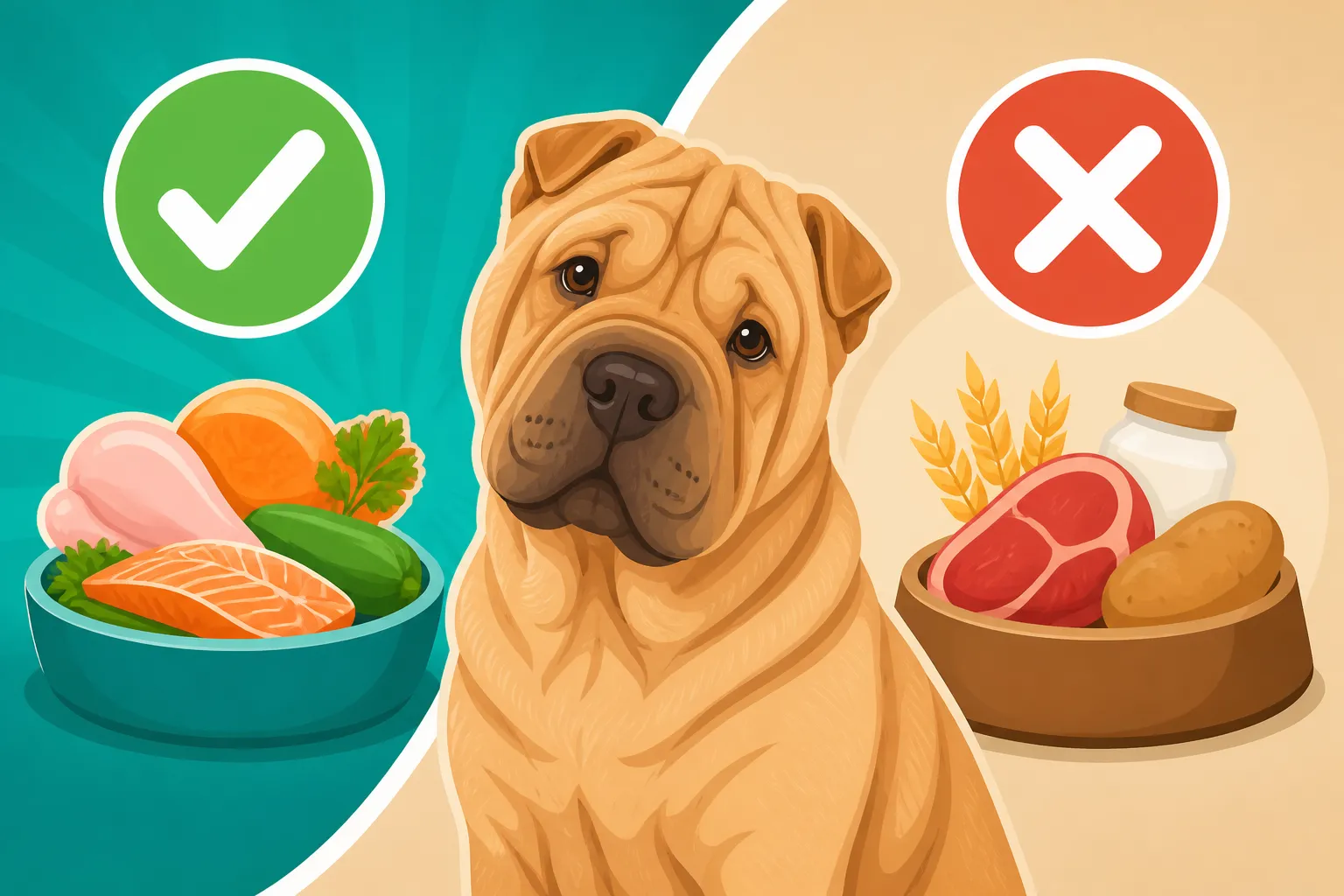
The core idea behind a limited ingredient diet is to strip down the food to its bare essentials. Imagine trying to identify a single problematic ingredient in a recipe that has twenty different components. It's a nightmare! LIDs aim to make that detective work much easier. They are typically formulated with a single source of animal protein and a single source of carbohydrate, avoiding common allergens and fillers that often crop up in conventional dog foods. The philosophy is one of simplification: reduce the number of potential triggers, making it easier to pinpoint what your Shar Pei might be reacting to.
This approach is particularly valuable for breeds like the Shar Pei, where their immune system might be a bit overactive or confused. By offering a novel protein (something your dog hasn't eaten much before, like venison, duck, or kangaroo) and a less common carbohydrate (like sweet potato, tapioca, or peas instead of corn or wheat), you're essentially hitting a "reset" button. It’s about creating a clean slate, allowing your dog's system to calm down and giving you a clearer picture of what might be causing their discomfort.
Key Characteristics of a True LID
Not all foods labeled "sensitive skin" or "digestive care" are true limited ingredient diets. To genuinely qualify, an LID should exhibit a few crucial characteristics. First and foremost, it should feature a single animal protein source. This is critical for allergy testing. If it lists "chicken meal, chicken fat, and chicken broth," that's still all chicken, but if it lists "chicken and beef," it's not a single source. Similarly, it should contain a single carbohydrate source, often something like sweet potato, potato, or peas. You'll want to steer clear of recipes that have multiple grains or starchy vegetables, as these increase the chance of a reaction.
Furthermore, true LIDs typically exclude common allergens and unnecessary fillers. This means no corn, wheat, soy, dairy, or artificial colors and preservatives. They also often avoid common protein sources like chicken, beef, lamb, and sometimes fish, opting for those novel proteins we discussed earlier. Read the ingredient label carefully! A genuinely limited ingredient diet will have a short, concise list of identifiable ingredients, making it easier for you, and your vet, to track what your Shar Pei is actually consuming. When browsing options on sites like Chewy or Amazon, make sure to filter for these specific characteristics to ensure you're getting a true LID.
When a Limited Ingredient Diet Becomes a Necessity for Your Shar Pei
So, how do you know if your Shar Pei truly needs a limited ingredient diet, or if you're just grasping at straws? It's not a decision to be taken lightly, as changing a dog's diet significantly can be a whole process. The key is careful observation and, ideally, veterinary guidance to navigate what can be a very frustrating journey.
Diagnosing Food Sensitivities and Allergies
If your Shar Pei is constantly itchy, scratching, has recurrent ear infections, or suffers from chronic digestive upset, a food allergy or sensitivity is definitely on the table. The gold standard for diagnosing a food allergy isn't a blood test, despite what some might claim. It's an elimination diet. This involves feeding your Shar Pei a strictly controlled diet with a novel protein and carbohydrate source for a period of 8-12 weeks. During this time, absolutely no other food, treats, or flavored medications are allowed. Seriously, not even a tiny crumb from your plate!
Imagine your Shar Pei has been eating chicken and rice kibble his whole life. For the elimination diet, you might switch to a duck and sweet potato formula. After the strict 8-12 weeks, if his symptoms have significantly improved or disappeared, you then begin a "food challenge." This is where you reintroduce single ingredients from his old diet, one by one, and observe for a reaction. If, for instance, you add chicken back into his food and his itching returns, bingo! You've likely identified a trigger. This process requires immense patience and consistency, but it is the most reliable way to figure out Whether a Shar Pei Needs an Elimination Diet.
The Role of LIDs in Managing Chronic Conditions
Once a food sensitivity or allergy has been identified through a proper elimination diet, continuing with a limited ingredient diet becomes a crucial part of managing your Shar Pei's health. For dogs with confirmed food allergies, staying on a diet free of their specific allergens is the only way to prevent symptoms from recurring. It’s not just about comfort; it's about preventing ongoing inflammation that can lead to more serious, long-term health problems.
LIDs can also play a vital role in managing other chronic conditions where inflammation is a factor, even if a direct "allergy" isn't diagnosed. Conditions like inflammatory bowel disease (IBD) can benefit greatly from a simplified diet that reduces the workload on the digestive system and minimizes potential irritants. By providing easily digestible, hypoallergenic ingredients, LIDs help to calm the gut, reduce systemic inflammation, and improve nutrient absorption. This can lead to a happier dog, with less stomach upset, more solid stools, and often, improved skin and coat health. It's about providing foundational support for a sensitive system.
Navigating the World of Limited Ingredient Diets for Shar Pei Owners
So, you've decided a limited ingredient diet might be the way to go for your Shar Pei. Now what? The sheer number of options on the market can be overwhelming. From specialized commercial kibble to the idea of cooking at home, choosing the right path requires careful consideration and, again, communication with your vet.
Choosing the Right LID for Your Shar Pei
Selecting the perfect LID involves a bit of detective work and understanding your Shar Pei's specific needs. First, consider the protein source. If your dog has been eating chicken or beef their whole life, opt for a novel protein like duck, venison, lamb (if they haven't had much of it), or even kangaroo. These proteins are less likely to have triggered a previous immune response. For carbohydrates, sweet potato, potato, and tapioca are common and generally well-tolerated choices. You want to avoid grains like corn, wheat, and soy, which are frequent culprits in food sensitivities.
Always check the entire ingredient list, not just the front-of-package claims. Some brands might tout "limited ingredient" but still include hidden allergens or unnecessary fillers. Look for reputable brands that clearly state their protein and carbohydrate sources and ideally have undergone feeding trials to ensure nutritional adequacy. When you're ready to buy, online retailers like Chewy and Amazon offer a vast selection of LIDs, allowing you to compare ingredients and customer reviews before making a purchase. Remember, consistency is key, so once you find a food that works, stick with it. Don't forget that Whether a Shar Pei Needs Fish Oil for Its Skin can be a great supplement to any diet, aiding in skin barrier function and reducing inflammation.
Homemade vs. Commercial Limited Ingredient Diets
This is a big question for many owners. Is it better to buy a ready-made LID, or should you cook for your Shar Pei yourself? Both have their pros and cons.
Commercial Limited Ingredient Diets:
- Pros: Convenience is a major factor here. These diets are already formulated to be nutritionally complete and balanced, often meeting AAFCO standards, so you don't have to worry about nutrient deficiencies. They come in various forms – kibble, wet food, and even freeze-dried options – and are widely available. Many are designed specifically for veterinary prescription or sensitive stomachs.
- Cons: Cost can be higher than conventional kibble. While options exist across price points, a specialized LID may be more expensive. Also, while many commercial LIDs are great, some might still contain minor ingredients that could trigger an exceptionally sensitive Shar Pei, so reading labels is crucial. You might find a good selection on platforms like Amazon or Chewy.
Homemade Limited Ingredient Diets:
- Pros: Complete control over ingredients. You know exactly what's going into your Shar Pei's bowl, eliminating any hidden allergens or fillers. This can be particularly beneficial during an elimination diet, as it leaves no room for doubt. For instance, services like Ollie offer pre-portioned, human-grade fresh food, which can be an excellent middle ground, offering control without all the cooking from scratch.
- Cons: This is where it gets tricky. Ensuring nutritional completeness and balance is incredibly difficult for the average owner. Without the guidance of a board-certified veterinary nutritionist, homemade diets can lead to severe nutritional deficiencies or imbalances over time, which can cause more harm than good. It's a significant time commitment to prepare meals daily, and sourcing all the ingredients can be expensive. If you go this route, always consult with a vet or nutritionist to get a proper recipe formulated for your Shar Pei's exact needs.
Ultimately, the best choice depends on your resources, commitment, and your Shar Pei's specific health profile. Many owners start with commercial LIDs and only transition to homemade under strict veterinary supervision if absolutely necessary.
Beyond the Bowl: Complementary Care for Shar Pei Health
While diet plays a massive role in managing sensitivities, especially for a breed like the Shar Pei, it's never the only piece of the puzzle. A holistic approach that considers their environment and overall health support is essential for true, long-lasting relief.
Environmental Factors and Other Allergens
It’s easy to focus solely on food when your Shar Pei is itching, but sometimes, the culprit isn't what they're eating, but what they're walking on, breathing in, or coming into contact with. Shar Pei are just as susceptible to environmental allergies (atopy) as other breeds. This means things like pollen, dust mites, grasses, and molds can trigger itching, skin inflammation, and ear infections. Whether a Shar Pei's Itching Is Seasonal can be a huge clue here – if the itching is worse at certain times of the year, environmental allergens are highly suspected.
You might be feeding the most pristine limited ingredient diet, but if your Shar Pei is rolling in grass they're allergic to, or sleeping on a dusty dog bed, their symptoms won't resolve. Consider frequent vacuuming, washing bedding weekly, using air purifiers, and wiping down your Shar Pei's paws after walks. For severe environmental allergies, your vet might suggest allergy testing (skin prick or blood tests) and treatments like antihistamines, steroids (for acute flares), or even immunotherapy (allergy shots). It's crucial not to dismiss environmental factors even when diligently managing diet.
Supporting Gut Health and Skin Barrier Function
A healthy gut and a strong skin barrier are like your Shar Pei's first lines of defense against all sorts of irritants. Even with a perfect limited ingredient diet, these systems sometimes need extra support, especially in a breed predisposed to so many sensitivities. Probiotics are often recommended to promote a healthy gut microbiome, which plays a critical role in digestion, nutrient absorption, and immune function. A balanced gut can help reduce inflammatory responses throughout the body, including in the skin.
Furthermore, supplementing with omega-3 fatty acids, like those found in fish oil, can dramatically improve skin barrier function. These essential fatty acids help to reduce inflammation, strengthen the skin's protective layer, and contribute to a healthier, less itchy coat. This can make a huge difference for a Shar Pei whose Skin Is the Shar Pei's Largest Problem by Surface Area. Regular, appropriate grooming also supports skin health. This includes regular bathing with a gentle, hypoallergenic shampoo (checking How Often a Shar Pei Needs a Bath), and meticulous drying of all those wonderful folds to prevent bacterial or yeast overgrowth. It’s about building resilience from the inside out and maintaining it with consistent care.
Potential Pitfalls and Long-Term Considerations with LIDs
While limited ingredient diets can be a lifeline for Shar Pei with sensitivities, they aren't without their considerations. It's important to approach them thoughtfully, keeping an eye on long-term health and the practicalities of maintaining such a strict dietary regimen.
Nutritional Adequacy and Long-Term Use
The biggest concern with any specialized diet, especially if you're attempting a homemade version, is ensuring it's nutritionally complete and balanced for your Shar Pei's life stage. Commercial limited ingredient diets from reputable brands are typically formulated to meet AAFCO (Association of American Feed Control Officials) standards for all life stages, or for specific stages like "growth" (puppies) or "adult maintenance." This means they contain the correct balance of proteins, fats, carbohydrates, vitamins, and minerals.
However, if you're cooking at home, even with the best intentions, it's incredibly easy to miss vital nutrients. A diet that is too low in calcium, for example, can lead to serious bone problems in a growing puppy. Deficiencies in certain vitamins can impact immune function, coat health, and overall vitality. This is why consulting a board-certified veterinary nutritionist is paramount for any long-term homemade LID. They can formulate a recipe tailored to your Shar Pei's age, weight, activity level, and any underlying health conditions, ensuring they get everything they need without the ingredients they can't tolerate. Remember, a diet is a long-term commitment, and its adequacy directly impacts your Shar Pei's health across their lifespan, especially as they age and What Changes in an Old Shar Pei's Care.
The Challenge of Treats and Cross-Contamination
Maintaining a truly limited ingredient diet for your Shar Pei is often much harder in practice than it sounds, largely due to the pervasive nature of treats and the risk of cross-contamination. Every family member, every visitor, every trip to the pet store can present a challenge. If your Shar Pei is allergic to chicken, even a tiny bite of a treat containing chicken can trigger a reaction, undoing weeks of careful dietary management. This is particularly frustrating during the elimination diet phase, where a single slip-up means you have to start the 8-12 week clock all over again.
You'll need to be incredibly vigilant about what goes into your Shar Pei's mouth. This means reading the labels on all treats, chews, and even medications, as many contain flavorings or binders that could be problematic. Some owners resort to using pieces of their Shar Pei's approved kibble as treats, or baking homemade single-ingredient treats (like plain cooked sweet potato slices or novel protein jerky). Cross-contamination can also occur from other pets' food bowls, dropped human food, or even residue on toys. It's a constant effort, but this strict adherence is what makes the diet effective and helps you truly identify and manage your Shar Pei's food sensitivities.
Here's a comparison of some common protein and carbohydrate sources often used in limited ingredient diets for Shar Pei:
| Component Type | Common Options | Pros for Shar Pei | Cons for Shar Pei |
|---|---|---|---|
| Protein (Novel) | Duck, Venison, Rabbit, Kangaroo, Lamb | Less likely to trigger allergies if not previously fed; highly digestible. | Can be more expensive; limited availability in some mainstream foods. |
| Protein (Common) | Salmon, Turkey | Good sources of Omega-3 (Salmon); often used in "sensitive" formulas. | Salmon can be an allergen for some dogs; Turkey is still a common protein source, may not be "novel" enough. |
| Carbohydrate | Sweet Potato, Potato, Tapioca | Highly digestible; good sources of fiber and vitamins; naturally grain-free. | Can be high in glycemic index (potatoes); some dogs may react to specific carbohydrate sources. |
| Fat Source | Duck Fat, Salmon Oil, Flaxseed Oil | Palatable; good source of energy; Omega-3s support skin health. | Excess can cause weight gain; quality varies between brands. |
Disclaimer
This article is for general informational purposes only and does not constitute professional advice. Laws, prices and regulations vary by location and change over time. Consult a qualified professional for guidance on your specific situation.