How Many Folds a Shar Pei Actually Has
One of the most captivating things about the Shar Pei is their iconic wrinkles, but beneath that charmingly loose skin lies a world of unique care requirements. Many new owners, and even those just admiring the breed from afar, often wonder, "just how many folds does a Shar Pei actually have?" It's not a simple number, and it's certainly not static. This guide will dive deep into the fascinating reality of Shar Pei wrinkles, explaining why their number and placement are so important for their health and well-being.
The Truth About Shar Pei Folds: It's More Complex Than a Number
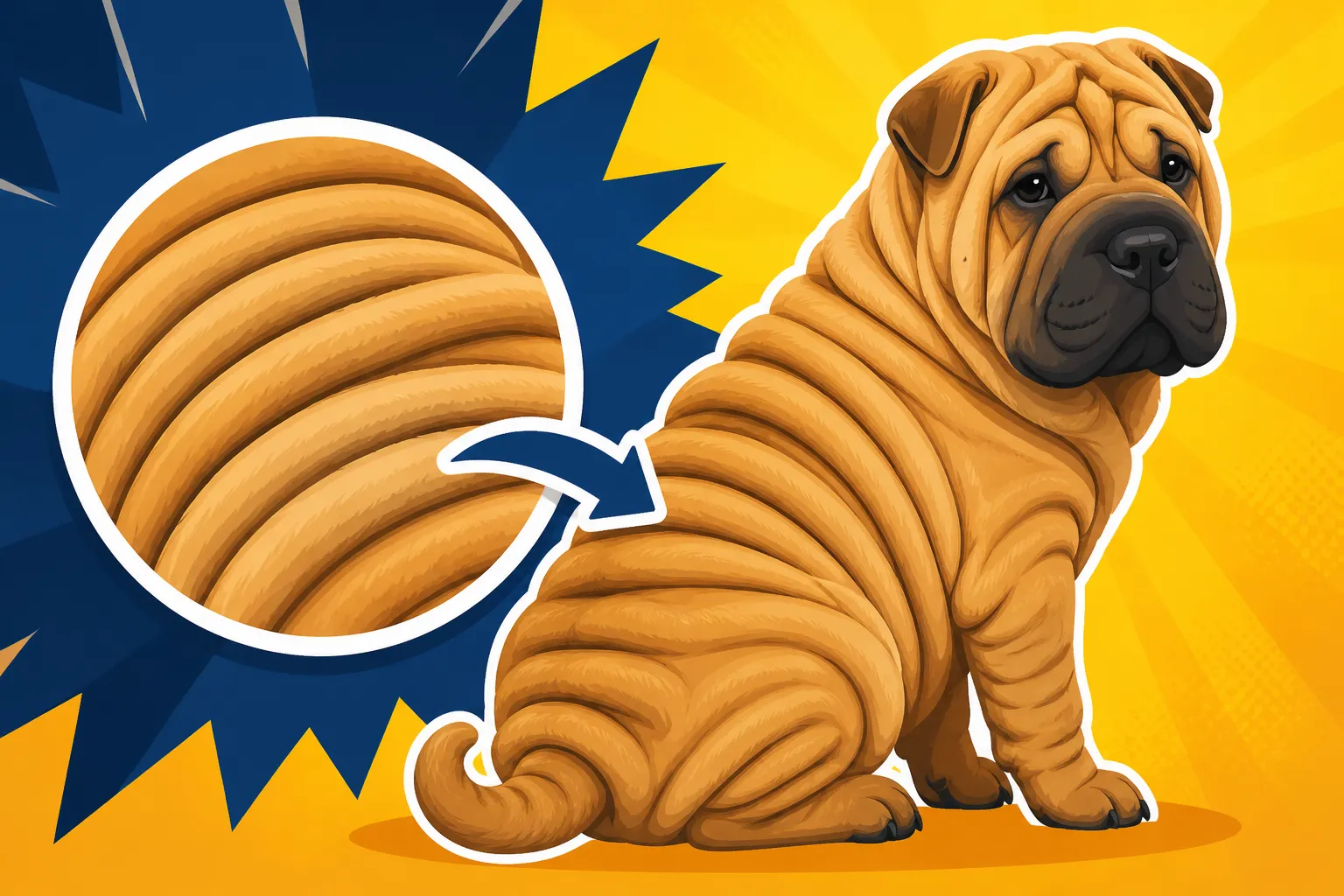
When you look at a Shar Pei, especially a puppy, you might be overwhelmed by the sheer volume of skin, seemingly flowing in cascades. It's easy to assume there's a definitive count to these adorable folds, but the reality is far more nuanced. We're not talking about counting dimples here; Shar Pei wrinkles are dynamic, influenced by genetics, age, and even their daily habits.
The Dynamic Nature of a Shar Pei's Wrinkles
The idea of a fixed number of wrinkles for a Shar Pei is really a misconception. Think of their skin more like a garment that's a size or two too big, designed to 'grow into.' When they're puppies, especially in the first few months of life, a Shar Pei can seem almost entirely composed of loose skin and rolls. This is largely due to the presence of a specific gene mutation that leads to an overproduction of hyaluronic acid (HA) in their skin. This HA attracts and holds water, creating that plush, puffy, and intensely wrinkled appearance we associate with Shar Pei puppies. However, as they mature, many of these "excess" wrinkles will begin to 'tighten up' or smooth out, particularly over their body. It's a natural progression, and a healthy adult Shar Pei typically retains prominent wrinkles mainly on their head and neck, with a much smoother body. So, trying to count them is like trying to count waves in the ocean – they're constantly changing and shifting. It’s why you'll often hear people comment on Why a Shar Pei Puppy Has More Wrinkles Than an Adult as they get older.
This dynamic nature also means that a Shar Pei's weight can subtly influence how many folds appear. A slightly underweight Shar Pei might seem to have slightly looser skin with more defined folds, whereas an overweight one might have folds that are stretched and less distinct, or new rolls appearing where they shouldn't. It's not about adding or subtracting folds, but rather how the existing skin is distributed and draped over their frame. Understanding this fluidity is key to appreciating the unique physical characteristics of the breed and why focusing on a specific number is less helpful than understanding their placement and overall health implications.
Beyond the "Number": Where Folds Matter Most
Instead of asking "how many" folds, a more practical question for a Shar Pei owner is "where are the critical folds, and what do I need to watch out for?" The truth is, while the overall number might be elusive, certain areas of wrinkling are far more significant from a health and care perspective. These are the folds that can trap moisture, debris, and heat, becoming breeding grounds for bacteria and yeast if not properly managed.
The most important areas for wrinkles are undoubtedly the face, particularly around the eyes and muzzle, the deep folds on the neck, at the base of the tail, and even the subtle folds between their toes. These are the hotspots where issues like skin fold dermatitis can develop. A fold that rubs against itself or collects moisture from tears, drool, or even damp paws after a walk, creates a warm, moist environment perfect for skin infections. It truly is a case where Every Fold on a Shar Pei Is a Place Something Grows, and as an owner, your attention needs to be on these high-risk zones. Regular inspection and cleaning of these specific areas are far more vital than having a running tally of every crease on their body.
Understanding Different Coat Types and Their Wrinkle Presentation
When discussing Shar Pei wrinkles, it's impossible to ignore the impact of their coat type. While all Shar Pei have the underlying genetic predisposition for their unique skin, the length and texture of their fur can significantly alter how pronounced and numerous their folds appear. This isn't just a cosmetic detail; it can influence how easy or challenging it is to spot potential skin issues.
Horse Coat vs. Brush Coat: A Wrinkle Perspective
The two most common coat types in the Shar Pei breed are the "Horse Coat" and the "Brush Coat." While the underlying amount of loose skin is genetically similar, their appearance can be quite different. The Horse Coat, which is typically rougher and very short (sometimes less than a quarter of an inch), tends to make the wrinkles appear much more defined and prominent. The short hair provides little to no cushioning or coverage, allowing the deep valleys and peaks of the folds to stand out in sharp relief. It often feels bristly to the touch, hence the name. For this reason, a Horse Coat Shar Pei might look like it has more wrinkles, even if the actual skin structure is comparable to a Brush Coat. It’s also often considered the more traditional coat type, and if you’re curious about the subtle differences, How a Horse Coat Shar Pei Differs From a Brush Coat explains it beautifully.
In contrast, the Brush Coat is slightly longer, usually up to an inch in length, and feels softer and smoother. This slightly longer fur can effectively 'fill in' or soften the appearance of the wrinkles. The folds are still very much present, but they don't appear as stark or as numerous because the hair provides a layer of camouflage. While a Brush Coat might seem less "wrinkly" at first glance, the same vigilance for skin health is required, as the folds are still there, trapping moisture and debris. The difference is often more about visual perception than a fundamental variation in the skin's structure itself. Both coat types require diligent care, but knowing which one you have can help you understand what to expect in terms of visual wrinkle prominence.
The Rare Bear Coat and Its Unique Characteristics
Beyond the Horse and Brush coats, there's another, much rarer coat type known as the "Bear Coat." This coat is significantly longer, often exceeding an inch in length, and has a much softer, often plush texture, somewhat reminiscent of a Chow Chow. As you can imagine, this longer, denser fur profoundly impacts the visual perception of wrinkles. Where a Horse Coat emphasizes every crease, a Bear Coat often obscures them almost entirely. The long hair drapes over the folds, making the dog appear much smoother-skinned.
While a Bear Coat Shar Pei may look less wrinkled, the underlying genetic predisposition for loose skin and the potential for skin fold issues remain. It means that owners of Bear Coats still need to be diligent in checking for moisture, redness, or irritation deep within the hidden folds, especially around the face, neck, and tail base. The challenges are simply different: instead of easily visible folds, you might have to part the fur to truly inspect the skin underneath. It’s worth noting that the Bear Coat is not recognized by many major kennel clubs as part of the breed standard, which is why you might wonder Whether a Bear Coat Shar Pei Is Recognized. Regardless of recognition, if you have one, understanding its unique characteristics is vital for their care.
The Significance of Wrinkles: Health Implications and Care
While the Shar Pei's wrinkles are undoubtedly charming, they are not just a cosmetic feature. From a health standpoint, these folds require meticulous attention. The very trait that makes them so distinct also makes them prone to a range of dermatological and ocular issues that every potential and current owner must be prepared to address. Neglecting these areas can lead to chronic discomfort and significant health problems for your beloved companion.
Why Too Many Folds Can Be a Problem
The primary concern with excessive or poorly managed folds is the increased risk of skin fold dermatitis. This condition occurs when skin rubs against skin, creating friction, heat, and trapping moisture. Imagine wearing ill-fitting clothes that constantly chafe – now imagine that on your dog, in areas that are always moist and warm. This creates an ideal breeding ground for bacteria and yeast, leading to infections that can be incredibly uncomfortable, itchy, painful, and even emit an unpleasant odor. Owners often find themselves dealing with red, inflamed skin deep within these folds. Skin Fold Dermatitis on a Shar Pei is not just a nuisance; it's a serious health issue that can diminish a Shar Pei's quality of life.
Beyond skin infections, specific fold placements can cause other serious issues. Folds around the eyes, known as entropion, are particularly problematic. If the eyelids roll inward, the eyelashes and fur can constantly rub against the cornea, causing irritation, pain, corneal ulcers, and potentially even blindness if left untreated. Entropion in a Shar Pei Puppy Is an Emergency, Not a Cosmetic Issue, highlighting the critical need for prompt veterinary intervention. Similarly, deep folds around the muzzle can trap food particles, leading to gum disease or oral infections. Even the tail fold can harbor moisture and lead to infections if not regularly cleaned. It's a testament to how crucial proper wrinkle management is for a Shar Pei's overall health, affecting everything from their vision to their skin integrity.
Daily Care for a Wrinkly Shar Pei
Caring for a Shar Pei's wrinkles is a non-negotiable part of responsible ownership. It’s a proactive approach to prevent the common health issues associated with their unique skin structure. Regular inspection and cleaning are paramount, forming a cornerstone of their daily routine. The frequency of cleaning depends on the individual dog, their activity level, and how deep or problematic their folds are, but many owners find a daily or every-other-day routine works best for the most critical areas, like the face and tail pocket. How Often a Shar Pei's Folds Need Cleaning is a question with a variable answer, but consistency is key.
For cleaning, you'll want to use gentle, pet-safe wipes or a soft cloth dampened with a mild antiseptic solution recommended by your vet. There are many excellent specialized pet wipes available, and you can often find a good selection at online retailers like Chewy or Amazon. Make sure to gently separate each fold and wipe away any accumulated debris, dirt, or moisture. After cleaning, it's absolutely crucial to thoroughly dry the folds. Residual moisture is the enemy, as it fosters yeast and bacterial growth. A soft towel, or even a low-setting hairdryer (held at a safe distance), can be used to ensure the skin is completely dry. Some owners use a light dusting of cornstarch-based powder (unscented and talc-free, ensure it's canine safe) in very deep, dry folds, but this should only be done if the folds are perfectly dry first, as powder on damp skin can exacerbate issues. Always check with your vet for specific recommendations for your dog's individual needs.
| Wrinkle Zone | Common Issues | Care Routine | Recommended Products |
|---|---|---|---|
| Facial Folds | Entropion, skin fold dermatitis | Daily gentle wiping with pet-safe wipe, ensuring dryness after drinking. | Hypoallergenic pet wipes, saline solution for eyes |
| Neck Folds | Skin fold dermatitis | Weekly cleaning with antiseptic wipe, thorough drying. | Medicated wipes (chlorhexidine), soft cloth |
| Tail Pocket | Yeast/bacterial infections | Daily inspection and cleaning, especially for deep pockets. Keep dry. | Antiseptic wipes, cotton balls |
| Paw Folds | Interdigital dermatitis, yeast | Check after walks, ensure dryness between toes, especially after wet ground. | Paw wipes, antifungal spray (vet recommended) |
| Body Folds | Less common in adults, dermatitis | Regular bathing with appropriate shampoo, thorough drying post-bath. | Medicated shampoo, high-quality dog dryer |
What the Breed Standard Says (and Doesn't Say) About Wrinkles
The journey of the Shar Pei from near extinction to a globally recognized breed has seen shifts in public perception and breeding priorities. This, in turn, has influenced how wrinkles are viewed, both within and outside the breed community. Understanding the breed standard's take on wrinkles is crucial for anyone interested in the health and ethical breeding of these magnificent dogs.
Ideal Wrinkle Placement and Degree
The official breed standards, such as those set by the American Kennel Club (AKC), provide a detailed description of the ideal Shar Pei. When it comes to wrinkles, the standard emphasizes moderation, especially in adult dogs. It typically states that "wrinkles on the body are highly undesirable except on the withers and at the base of the tail." For the head, moderate wrinkling is desired, particularly on the forehead and cheeks, but it should not impede the dog's vision or create health problems. The ideal adult Shar Pei is often described as having a "hippopotamus" look, with a broad muzzle, small, dark eyes, and a thoughtful expression, with wrinkles concentrated around the face and neck. You'll find more details on How Many Wrinkles an Adult Shar Pei Should Have to meet these guidelines.
This distinction is really important. The standard aims for functional, healthy wrinkling, not exaggerated folds that lead to chronic issues. A Shar Pei with excessive body wrinkles, or folds so deep around the eyes that they cause entropion, would generally be considered outside the ideal standard from a health perspective. The intent is clear: celebrate the unique Shar Pei appearance, but always prioritize the dog's well-being and ability to function comfortably. This means breeders who adhere strictly to the standard are working to produce dogs with enough wrinkles to be recognizable, but not so many that they suffer.
The Evolution of the Shar Pei's Appearance
The Shar Pei we see today, particularly those with an abundance of facial and body wrinkles, is in many ways a product of its dramatic rescue story. In the 1970s, when the breed was facing extinction, a fervent effort to save them led to a narrow gene pool. As the breed gained popularity, especially in the Western world, there was a period where more wrinkles were perceived as more "Shar Pei-like" or more exotic. This demand sometimes led to breeding practices that favored extreme wrinkling, inadvertently exacerbating some of the health issues we commonly associate with the breed today, such as severe skin fold dermatitis and entropion. It’s a complex history, and questions often arise about Whether Western Breeders Made the Shar Pei Wrinklier in the pursuit of this unique aesthetic.
Thankfully, there has been a growing emphasis on health within the Shar Pei community. Responsible breeders today are increasingly focused on producing dogs that conform to the breed standard's call for moderate wrinkling, prioritizing health and functionality over extreme aesthetics. This involves careful selection of breeding stock and sometimes even health testing to identify dogs less prone to inherited conditions related to skin and eyes. The conversation is shifting towards understanding that Whether a Less Wrinkled Shar Pei Is Healthier is often yes, and striving for a balance that preserves the breed's distinct look while safeguarding its well-being for future generations. This focus is crucial for the long-term health of these unique and wonderful dogs. For specialized food options tailored to specific health needs, including skin sensitivities, some owners explore services like Ollie, which offers customized meal plans. Always consult your vet to discuss the best nutritional approach for your Shar Pei.
Disclaimer
This article is for general informational purposes only and does not constitute professional advice. Laws, prices and regulations vary by location and change over time. Consult a qualified professional for guidance on your specific situation.