Whether Diet Changes a Shar Pei’s Smell
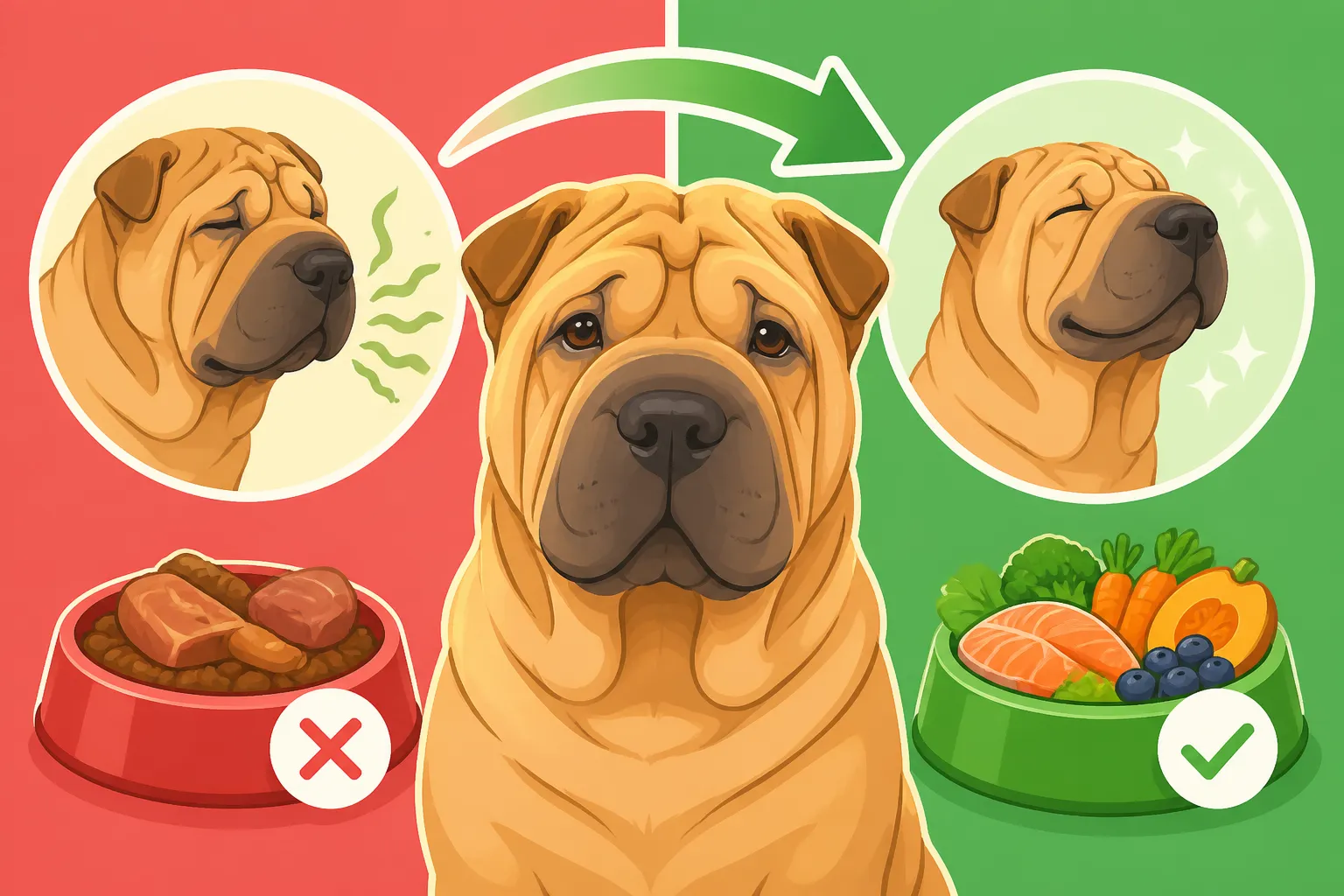
The lingering, sometimes overwhelming, smell of a Shar Pei can be a real point of frustration for owners. You love your wrinkly companion, but that distinct odor can permeate your home and cling to everything. Many people wonder if the "Shar Pei smell" is just something you have to live with, or if there's anything you can actually do to mitigate it, especially when it seems to go beyond a normal doggy scent. The good news is that while Shar Pei do have their own unique aroma, an unusually strong or unpleasant odor often has roots in underlying issues, and diet can absolutely play a significant role in managing it. This guide will dive deep into how your Shar Pei's diet can influence their scent and what you can do about it.
The Unique Olfactory Signature of a Shar Pei: Is It Always Normal?
Let's be real: no dog smells like a bouquet of roses all the time, and Shar Pei, with their unique physiology, definitely have a particular scent. It's part of their charm, or at least something we've learned to love as owners. But there's a world of difference between a dog's natural, slightly musky "dog smell" and a truly pungent, off-putting odor that signals a problem. Understanding this distinction is the first step in addressing the issue effectively.
What a "Normal" Shar Pei Smell Is (and Isn't)
A healthy Shar Pei generally has a mild, almost earthy scent. It's their natural canine aroma, often described as distinctive rather than offensive. This scent is typically present but not overpowering, and it doesn't linger persistently on furniture or bedding after they've moved. Their short, bristly coat, often referred to as a horse coat or brush coat, doesn't trap odors in the same way a thick, dense coat might. When their skin is healthy, free from inflammation, and their ears are clean, this natural scent remains in the "tolerable" category for most owners.
However, even a perfectly healthy Shar Pei has anatomical features that can predispose them to developing stronger odors if not properly maintained. Their deep, abundant skin folds, particularly around the face, neck, and tail, can trap moisture, dirt, and debris. Similarly, their incredibly narrow ear canals can become breeding grounds for yeast and bacteria. While these aren't necessarily unpleasant smells when healthy, they are areas where issues can quickly escalate. You might find yourself asking Whether a Shar Pei's Folds Smell When Healthy, and the answer is usually a subtle, natural scent, not a strong, rancid one.
When "Distinct" Becomes "Problematic": Red Flags for Unpleasant Odors
The moment that "distinct" Shar Pei smell crosses the line into genuinely "problematic" territory, it's a clear signal that something more than just natural canine musk is going on. You know the smell I'm talking about: it's not just a faint dog scent; it's a powerful, often cloying odor that you can't ignore.
Common descriptions of problematic Shar Pei odors include:
- Yeasty or "Frito-like" smell: This is often attributed to yeast overgrowth, particularly in the ears, between the paw pads, or within skin folds. It's a common issue for many dogs, and Shar Pei are certainly no exception given their skin structure.
- Rancid, greasy, or oily smell: This can indicate issues with excessive sebum production, often linked to skin inflammation or imbalances in skin oils. The skin might feel greasy to the touch, and the odor can be quite strong.
- Fishy smell: This specific odor is frequently associated with issues related to the anal glands. While not directly a skin or diet issue in the same way as yeast, anal gland problems can sometimes be linked to digestive health and stool consistency, which diet can influence.
- Foul or putrid smell: This generally points to a bacterial infection, often deeply embedded in skin folds, ears, or even dental issues. This is a strong indicator that veterinary intervention is needed.
When you notice these kinds of odors, it's a strong sign that there's an underlying issue contributing to the smell. It's not just about bathing more; it's about addressing the root cause, and diet is a powerful place to start looking.
The Gut-Skin Connection: How What They Eat Affects How They Smell
It might seem strange to think that what goes into your dog's mouth directly impacts how their skin smells, but the connection between gut health and skin health is incredibly strong. For Shar Pei, a breed already prone to skin issues, this link is even more critical.
Digestive Health and Skin Manifestations
Think of your Shar Pei's body as a finely tuned ecosystem. When one part is out of whack, other parts start to show signs of stress. The digestive system, specifically the gut microbiome, plays a monumental role in overall health, including the immune system and skin integrity.
When a Shar Pei's digestive system isn't functioning optimally, perhaps due to difficulty processing certain ingredients or an imbalance of gut bacteria, it can lead to systemic inflammation. This inflammation doesn't just stay confined to the gut; it can manifest outwardly, often through the skin. This might present as:
- Excessive oil production: Inflamed skin can produce more sebum, leading to a greasy coat and a rancid odor.
- Compromised skin barrier: A healthy skin barrier acts as a shield against external irritants and helps maintain moisture. When it's compromised, the skin becomes more susceptible to bacterial and yeast overgrowth, which, you guessed it, causes smell.
- Dull or unhealthy coat: A lackluster coat is often a visual cue that the skin isn't happy, and an unhappy skin is often a smelly skin.
Essentially, if the gut is experiencing turmoil, the skin becomes an emergency exit for those internal struggles, often with a pungent byproduct.
The Role of Food Allergies and Sensitivities
This is a big one for Shar Pei owners. Food allergies and sensitivities are incredibly common in the breed and are perhaps the most direct way diet can contribute to a problematic smell. Unlike an immediate, life-threatening anaphylactic reaction, food sensitivities often manifest as chronic skin or digestive issues.
When a Shar Pei eats an ingredient they are sensitive to, their immune system goes into overdrive, treating the food as an invader. This immune response often targets the skin, leading to a range of uncomfortable symptoms:
- Intense itching and scratching: This can break the skin barrier, creating open sores and making it easier for bacteria and yeast to move in.
- Redness and inflammation: Chronic inflammation on the skin creates an environment ripe for infections.
- Recurrent ear infections: Many "ear problems" are actually a symptom of underlying food sensitivities. Infected ears, especially the deep, narrow canals of a Shar Pei, create a strong, yeasty or putrid odor. A Shar Pei Has the Narrowest Ear Canals of Any Breed
- Skin fold dermatitis: The deep folds of a Shar Pei are already prone to trapping moisture and heat. When skin is inflamed due to allergies, these folds become even more susceptible to bacterial and yeast infections, leading to a very strong, often cheesy or sweet, smell. You can learn more about this in Skin Fold Dermatitis on a Shar Pei.
It's a vicious cycle: the allergic reaction causes skin irritation, which leads to itching and inflammation, which then paves the way for opportunistic infections, all culminating in that distinct, unpleasant Shar Pei odor. Understanding that Food Allergies in a Shar Pei are a significant factor is crucial to addressing the smell effectively.
Impact on Natural Secretions
Beyond direct skin inflammation, dietary imbalances or allergic reactions can subtly alter the chemical composition of a Shar Pei's natural bodily secretions. This includes sweat, saliva, and the oils produced by their skin glands.
For example, if the body is constantly fighting an inflammatory response from a food sensitivity, it might produce more oily secretions, or the chemical makeup of these oils might change. This can make the natural "doggy odor" much stronger and more acrid than it would be otherwise. While these changes are microscopic, their cumulative effect on your Shar Pei's overall scent can be quite noticeable. It's a key aspect of What a Shar Pei's Skin Tells You Before Its Behavior Does – changes in skin texture, oiliness, and odor are often early warning signs.
Unmasking Dietary Culprits: What Ingredients Might Be Causing the Stink?
Once you suspect diet is playing a role in your Shar Pei's odor, the next logical step is to figure out which specific ingredients might be the problem. This isn't always straightforward, as many commercial dog foods contain a complex blend of ingredients. However, there are some usual suspects that often trigger sensitivities in dogs, especially in breeds prone to allergies like the Shar Pei.
Common Allergenic Proteins
When we talk about food allergies in dogs, protein sources are almost always at the top of the list. Dogs typically develop sensitivities to proteins they've been exposed to frequently over time. While individual dogs can react to anything, some proteins are more commonly implicated:
- Chicken: Despite being a ubiquitous ingredient in dog food, chicken is a very common allergen. Many dogs, including Shar Pei, simply don't tolerate it well.
- Beef: Another staple protein, beef can also be a trigger for sensitivities, leading to skin and gut issues that contribute to odor.
- Dairy (cheese, yogurt, etc.): Lactose intolerance or dairy protein allergies can cause digestive upset and skin problems.
- Eggs: While often considered a good source of protein, eggs can be an allergen for some sensitive dogs.
If your Shar Pei's current diet heavily features one or more of these common proteins, and you're struggling with a persistent odor, it might be time to consider a change. This is where the concept of "novel proteins" comes into play – proteins your dog has never or rarely eaten before, like duck, venison, rabbit, or even fish. Choosing Which Protein Suits a Shar Pei often means thinking outside the traditional chicken and beef box.
Grains and Fillers: Friend or Foe?
The debate around grains in dog food is a lively one, and it's important to approach it with a balanced perspective. For most dogs, grains are a perfectly healthy and digestible source of carbohydrates and nutrients. However, for some sensitive Shar Pei, certain grains or common fillers can indeed be problematic.
- Common Grains (Wheat, Corn, Soy): While a true grain allergy is less common than a protein allergy, sensitivities to specific grains like wheat, corn, or soy can occur. These ingredients are often used as inexpensive fillers in many commercial dog foods, and for some dogs, they can contribute to inflammatory responses in the gut and on the skin. If your Shar Pei is constantly itchy, yeasty, or smelly, and their food contains a lot of these grains, it's worth considering alternatives.
- Fillers: Beyond specific grains, many commercial dog foods contain a variety of "fillers" that offer little nutritional value. While not always direct allergens, these ingredients can sometimes be difficult for a sensitive digestive system to process, leading to an imbalance in the gut and potentially contributing to skin issues and odor.
It's not about demonizing all grains, but rather recognizing that for your individual Shar Pei, certain ones might be contributing to their discomfort and smell.
Fats and Oils: Quality Matters
The type and quality of fats and oils in your Shar Pei's diet are absolutely crucial for healthy skin and a healthy coat. An imbalance or poor quality of fats can have a direct impact on their scent.
- Rancid Fats: If the fats in your dog's food are old, oxidized, or of poor quality, they can actually contribute to inflammation in the body and become pro-inflammatory. This not only affects overall health but can also lead to a greasy, unhealthy coat and a strong, rancid body odor.
- Omega Fatty Acid Imbalance: Omega-3 and Omega-6 fatty acids are essential for skin barrier function, inflammation regulation, and coat health. A diet that is too high in Omega-6s (common in many commercial foods) and too low in Omega-3s can lead to chronic inflammation and dry, flaky, or greasy skin, all of which contribute to an unpleasant smell. Ensuring a good balance supports a robust skin barrier, which is your Shar Pei's first line of defense against odor-causing microbes.
By paying close attention to the fat sources and ensuring they are fresh and balanced, you can directly support your Shar Pei's skin health and, consequently, their scent.
Crafting a Fresher Future: Dietary Adjustments and Management Strategies
Once you've considered the potential links between diet and your Shar Pei's smell, the next step is to explore practical strategies for making changes. This often requires patience, consistency, and sometimes the guidance of a veterinary professional.
The Power of an Elimination Diet
If you truly suspect a food allergy or sensitivity is behind your Shar Pei's persistent odor, an elimination diet is the gold standard for diagnosis. It's not a quick fix, but it's the most effective way to pinpoint problematic ingredients.
Here’s how it generally works:
- Choose a novel protein and carbohydrate: Select a protein source your dog has never eaten before (like venison, rabbit, or duck) and a single, novel carbohydrate source (like sweet potato or green peas). It's crucial that these are truly novel to your dog.
- Strictly feed only this diet: For a period of typically 8-12 weeks, your Shar Pei eats only this limited diet. No treats, no table scraps, no flavored medications, no other foods whatsoever. This requires incredible discipline from everyone in the household.
- Monitor for improvement: During this period, you'll observe if your Shar Pei's skin issues, itching, and odor improve. If they do, it strongly suggests a food sensitivity.
- Reintroduction (challenge phase): After the improvement, you slowly reintroduce previous ingredients one at a time, monitoring for a return of symptoms. If symptoms reappear after reintroducing chicken, for example, then chicken is likely the culprit.
This process is detailed and requires dedication, but it provides invaluable information. It's often asked, How Long an Elimination Diet Takes on a Shar Pei, and the answer is that patience is key – don't cut it short, or you might miss the crucial information.
Considering Limited Ingredient Diets (LID) and Novel Proteins
For owners who aren't quite ready for a full elimination diet or who prefer a simpler approach, Limited Ingredient Diets (LIDs) can be a great starting point. These diets are formulated with a minimal number of ingredients, usually one novel protein and one novel carbohydrate, to reduce the chances of encountering an allergen.
- Benefits of LIDs: They simplify the diet, making it easier to identify potential problem ingredients and reduce the overall antigenic load on your dog's system. They can be particularly helpful for dogs with known sensitivities or for those who haven't responded to other dietary changes.
- Sourcing LIDs: You can find a wide variety of quality LID dog foods at pet supply retailers like Chewy, which often stock specialized veterinary diets and a broad range of brands. Online marketplaces like Amazon also offer numerous options, but always check ingredients carefully.
- Hydrolyzed Diets: Another option, often prescribed by veterinarians, is a hydrolyzed protein diet. In these diets, the protein molecules are broken down into such small pieces that the immune system doesn't recognize them as allergens. This is a highly effective way to manage severe food allergies.
Choosing Whether a Shar Pei Needs a Limited Ingredient Food depends on the severity of their symptoms and how much you've already tried. It's a pragmatic step often recommended for managing chronic skin issues.
Supplements for Skin and Gut Health
While dietary changes are foundational, certain supplements can play a supportive role in improving your Shar Pei's skin and gut health, which in turn can reduce odor.
- Omega-3 Fatty Acids (Fish Oil): High-quality fish oil, rich in EPA and DHA, is a powerful anti-inflammatory. It supports a healthy skin barrier, reduces itching, and can improve overall coat condition. A healthier skin barrier is less prone to infection and less likely to produce excessive, smelly oils. You can find reputable brands of fish oil supplements on Amazon or at your local pet store. If you're wondering Whether a Shar Pei Needs Fish Oil for Its Skin, for many, the answer is a resounding yes due to their breed predispositions.
- Probiotics and Prebiotics: A healthy gut microbiome is essential for overall health, including skin health. Probiotics introduce beneficial bacteria to the gut, while prebiotics feed those good bacteria. This can improve digestion, nutrient absorption, and immune function, all of which can indirectly help reduce skin inflammation and odor. Whether a Shar Pei Needs a Probiotic is a question many owners explore, especially after antibiotic courses or during periods of digestive upset.
- Digestive Enzymes: For some dogs, digestive enzymes can help break down food more efficiently, ensuring better nutrient absorption and reducing digestive strain that might contribute to systemic inflammation.
Remember, supplements are meant to supplement a good diet, not replace it. Always discuss supplement choices with your veterinarian.
Hydration and Overall Diet Quality
Beyond specific ingredients, the overall quality of your Shar Pei's diet and their hydration levels contribute significantly to their well-being and scent.
- High-Quality, Balanced Diet: Regardless of whether you choose kibble, wet food, or a fresh food diet, ensure it's nutritionally complete and balanced for your Shar Pei's life stage and activity level. Opt for foods with clear ingredient lists and reputable manufacturers. A diet lacking in essential nutrients can compromise skin health, leading to issues that produce odor.
- Fresh Food Options: Some owners find that feeding fresh, lightly cooked, or raw diets can significantly improve their Shar Pei's overall health, including skin and coat condition, leading to a reduction in odor. Services like Ollie deliver fresh, human-grade food tailored to your dog. For some, the digestibility and natural nutrient content of these diets can make a marked difference.
- Adequate Hydration: Water is vital for every bodily function, including flushing toxins and maintaining skin moisture. Ensure your Shar Pei always has access to fresh, clean water. Dehydration can exacerbate skin issues and contribute to a more concentrated, stronger body odor.
Working with Your Veterinarian
Making significant dietary changes for your Shar Pei, especially if they're experiencing persistent and severe odor issues, should always be a partnership with your veterinarian.
- Rule Out Other Causes: Before diving into extensive dietary overhauls, your vet can rule out other potential non-dietary causes for strong odors, such as dental disease, hormonal imbalances (like hypothyroidism), or severe bacterial/yeast infections that require specific medication.
- Guidance on Elimination Diets: A vet can help you choose the most appropriate novel protein and carbohydrate for an elimination diet and guide you through the reintroduction process safely.
- Prescription Diets and Medications: If warranted, your vet might recommend specific prescription hydrolyzed diets or medicated shampoos and wipes to manage immediate symptoms while you work on long-term dietary solutions. They might also suggest Whether a Shar Pei Owner Should See a Dermatologist if the skin issues are particularly complex.
By taking a holistic approach and understanding the intricate connection between your Shar Pei's diet, their skin, and their overall health, you can make informed choices that lead to a happier, healthier, and yes, even better-smelling companion. It requires commitment, but the reward of a comfortable dog and a fresher home is well worth the effort.
| Odor Type & Potential Cause | Dietary Triggers to Consider | Beneficial Dietary Adjustments |
|---|---|---|
| Yeasty/Frito Smell (Yeast overgrowth, often in ears/folds) | Common proteins (chicken, beef), some grains (wheat, corn), high glycemic carbohydrates | Novel proteins, limited ingredient diets, balanced Omega-3s, probiotics, low-carb options |
| Rancid/Greasy Smell (Excessive sebum, skin inflammation) | Low-quality fats, unbalanced Omega-3/6 ratio, common protein allergens | High-quality fats (e.g., salmon oil), balanced Omega-3s, novel proteins, fresh food options |
| Fishy Smell (Anal gland issues, sometimes linked to stool consistency) | Inadequate fiber, difficult-to-digest ingredients, food sensitivities affecting gut motility | Sufficient dietary fiber (e.g., pumpkin, psyllium husk), highly digestible proteins, probiotics |
| Foul/Putrid Smell (Bacterial infection, often secondary to allergy/inflammation) | Underlying food allergens/sensitivities causing skin barrier breakdown | Elimination diet, novel proteins, anti-inflammatory Omega-3s, skin-supportive nutrients |
Disclaimer
This article is for general informational purposes only and does not constitute professional advice. Laws, prices and regulations vary by location and change over time. Consult a qualified professional for guidance on your specific situation.