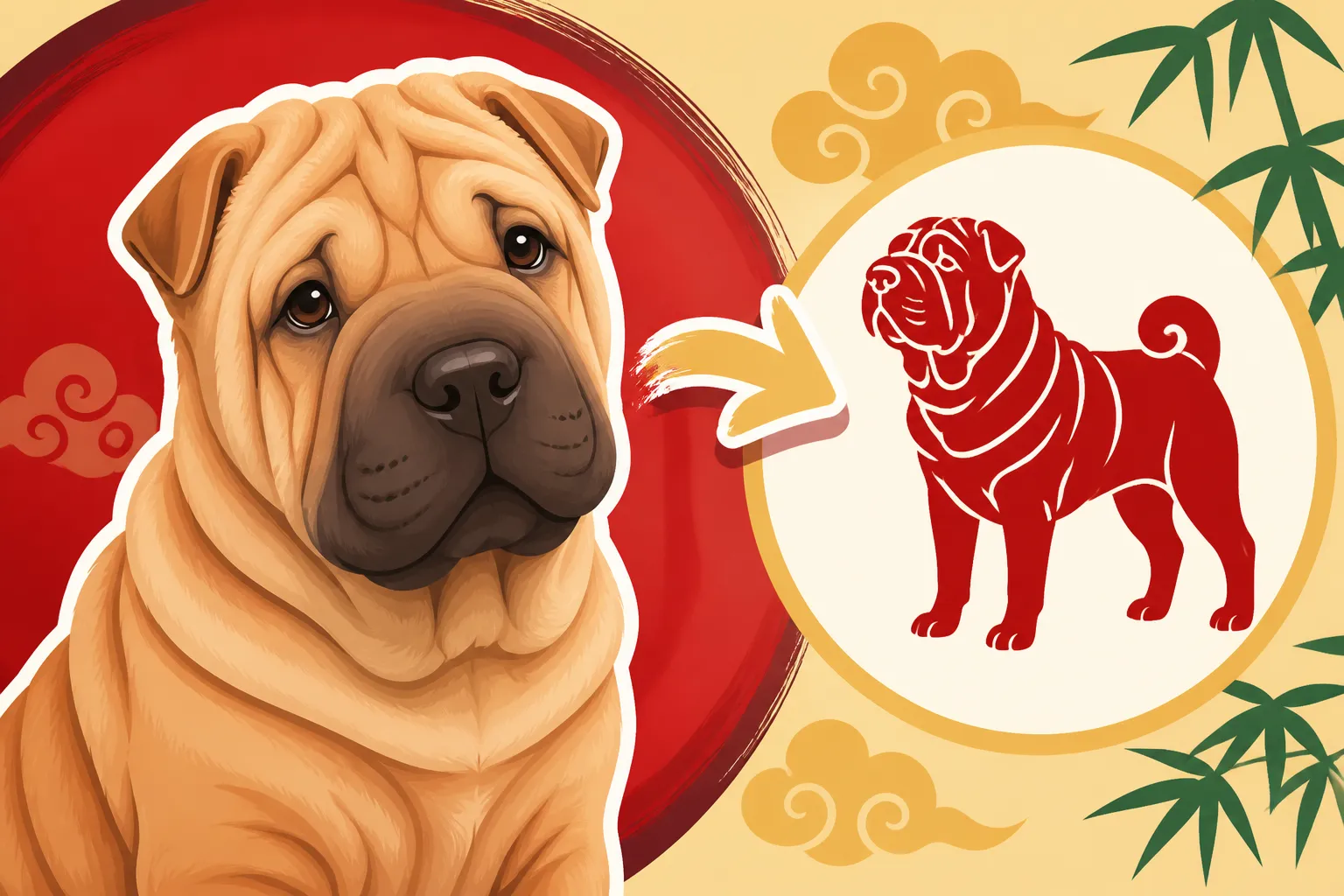
What Shar Pei Means in Chinese
When you first hear "Shar Pei," it might sound exotic, mysterious, perhaps even ancient, hinting at a deep cultural significance. But the truth is, the name itself is wonderfully direct, a real "what you see is what you get" kind of moniker that describes this unique dog almost perfectly. This guide will take a deep dive into the literal meaning of "Shar Pei" in Chinese and explore how this seemingly simple translation actually encapsulates so much about the breed's most iconic features and the care they require.
Unpacking the Name: "Shar Pei" and Its Literal Translation
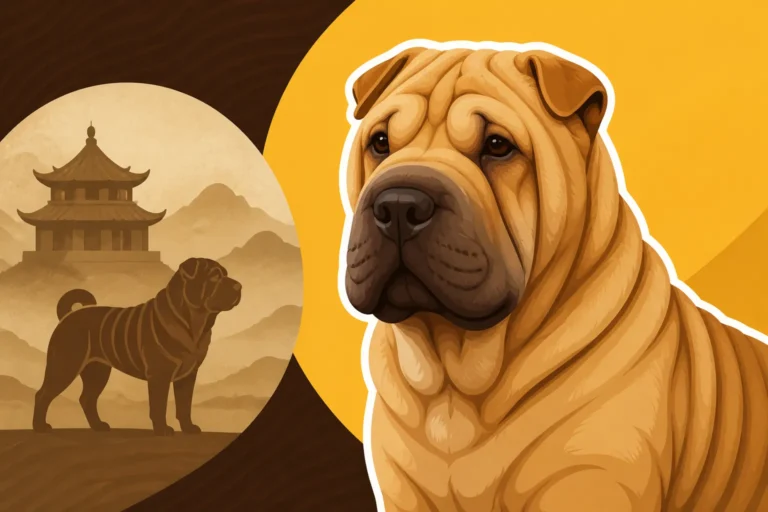
The name "Shar Pei" is a phonetic rendering of the Cantonese words "沙皮" (sā pèih), which literally translate to "sand skin" or "sand paper skin." It's not a poetic name about loyalty or bravery; it's a remarkably straightforward description of the dog's most defining physical characteristic – its unique coat. This blunt honesty in naming offers a fascinating glimpse into how ancient cultures often identified and categorized their animal companions based on immediately observable traits.
The "Shar" Component: Rough and Sandy
Let's break down the "Shar" (沙) part of the name first. This character translates to "sand" or "grit." When applied to the Shar Pei, it's a direct reference to the unusual texture of their coat. If you've ever had the pleasure of petting a true horse coat Shar Pei, you'll immediately understand why this descriptor was chosen. Their fur isn't soft and fluffy like a Golden Retriever, nor is it silky like a Shih Tzu. Instead, it has a distinctively rough, bristly, almost abrasive feel, much like coarse sandpaper.
This "sandy" texture isn't just a quirky trait; it's a fundamental part of their genetic makeup and contributes to the breed's distinct appearance. It’s what sets them apart and is often the first thing people notice, even before the wrinkles. Many new owners are surprised by it, expecting a softer touch, but quickly come to appreciate this unique characteristic as part of the Shar Pei charm. It truly is a coat unlike almost any other, which is why it became the defining element of the breed's very name. You can learn more about this in Why a Shar Pei's Coat Feels Like Sandpaper.
The "Pei" Component: Skin and Coat
Now, let's look at the "Pei" (皮) component, which means "skin" or "hide." When combined with "Shar," you get "sand skin," a perfect encapsulation of the breed's most prominent features. The skin isn't just about the texture; it's also about the sheer volume of it, giving the Shar Pei its distinctive loose folds and wrinkles. This part of the name speaks to the generous, often excessive, skin that defines the Shar Pei's silhouette, especially when they are puppies.
The word "skin" in their name isn't just about the outer layer, but the whole integumentary system that makes them so unique. It’s a nod to the deep creases on their forehead, the folds around their muzzle, and the loose skin that can often be found across their body. This abundance of skin, while endearing, also comes with its own set of care considerations, as we'll explore further. It’s a constant reminder that their skin is not just for show; it's central to their very identity.
More Than Just a Translation: The Nuance of "Sand Skin"
The phrase "sand skin" might seem simplistic, but it carries a depth of meaning that truly captures the essence of the Shar Pei. It speaks not only to the physical feel of their coat but also hints at the hardy, ancient origins of the breed and the practical observations of the people who first named them. It’s a name born from direct sensory experience, rather than elaborate metaphor.
The Sensory Experience of the Coat
Imagine running your hand over a Shar Pei's back for the first time. The horse coat, in particular, delivers a tactile sensation that is quite specific – a coarse, short, stiff hair that feels substantial and indeed, sandy. It’s a far cry from the plush softness of many popular companion breeds. This distinctive texture would have been immediately noticeable to anyone interacting with these dogs, making it a natural choice for identification. It’s not just a rough coat; it’s uniquely coarse, often described as feeling like boar bristles or even Velcro.
This texture is so pronounced that it sometimes comes as a surprise to those unfamiliar with the breed. The "sand" part isn't merely descriptive; it's almost an onomatopoeia for the sound and feel of petting them. For some people, particularly those with sensitive skin, a horse coat Shar Pei can even cause a mild reaction due to the stiff, prickly hairs. This is a topic sometimes discussed in Whether a Horse Coat Shar Pei Irritates Human Skin. It truly makes the coat type a central pillar of their identity and care. How a Horse Coat Shar Pei Differs From a Brush Coat explains more about the different coat types within the breed.
Historical Context of the Name
In ancient China, dogs were primarily bred for utility. Their names often reflected their function, appearance, or temperament in a very direct way. The Shar Pei's name, "sand skin," fits this pattern perfectly. It suggests that this unique coat texture was a prominent and memorable feature from the earliest days of the breed. These were dogs used for guarding, hunting, and herding, and their appearance would have been a straightforward means of distinguishing them.
The practicality of naming a dog based on its most striking physical attribute highlights the grounded relationship people had with their working animals. There wasn't a need for flowery language; simple, accurate descriptors sufficed. The name points to a time when Shar Pei lived alongside people in rural settings, and their defining characteristic was something everyone could immediately recognize and feel. Understanding their original purpose, as outlined in What the Shar Pei Was Used For in China, helps to connect the dots between their historical role and how they were perceived and named.
The "Skin" in Shar Pei: A Double-Edged Sword
While the "sand" part of "sand skin" refers to the coat's texture, the "skin" component (Pei) is equally, if not more, significant, pointing directly to the breed's iconic wrinkles and the health considerations that come with them. This abundance of skin is simultaneously the breed's most charming feature and its biggest challenge.
The Breed's Defining Feature
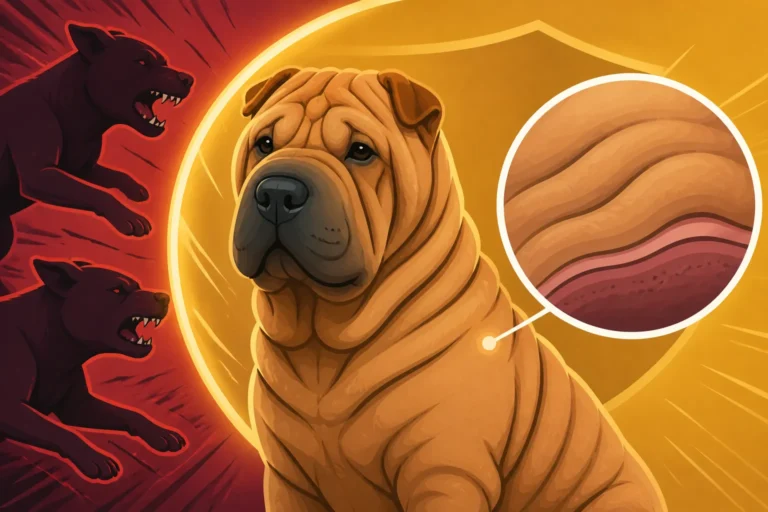
The Shar Pei is famous for its wrinkles, often likened to a living blanket of folds. This trait, directly tied to the "skin" (Pei) in its name, is what draws many people to the breed. Puppies, in particular, can be incredibly wrinkly, looking like little bundles of loose skin. Even as they grow, and many of those puppy wrinkles "fill out," they typically retain distinct folds on their head, neck, and sometimes across their body. These wrinkles are more than just a cute aesthetic; they're a genetic hallmark, stemming from a specific mutation that leads to an overproduction of hyaluronic acid in their skin. More on this can be found in One Mutation Gave the Shar Pei Its Wrinkles and Its Fever and Why Hyaluronic Acid Makes a Shar Pei Wrinkle.
It's this unique characteristic that makes a Shar Pei instantly recognizable, setting them apart from virtually every other breed. The deep folds around their eyes, the heavy brow, and the often-scowling expression they convey are all products of their abundant skin. This feature is celebrated in breed standards and contributes significantly to their distinct look and appeal.
Health Implications of the Skin
However, this plentiful "skin" isn't without its challenges. The very characteristic that defines the Shar Pei can also be a source of significant health issues. Those adorable folds can trap moisture, dirt, and bacteria, creating a warm, damp environment perfect for skin fold dermatitis and yeast infections. This is why meticulous care of their skin, especially in their folds, is absolutely crucial for Shar Pei owners. The breed's skin truly is its largest problem by surface area. Skin Is the Shar Pei's Largest Problem by Surface Area delves into this in detail.
Beyond surface infections, Shar Pei are also prone to other skin conditions related to their unique genetic makeup, such as cutaneous mucinosis, where excessive amounts of mucin (a jelly-like substance) accumulate under the skin, leading to thick, puffy patches or blisters. Recognizing and managing these conditions is a significant part of owning a Shar Pei, making the "skin" aspect of their name a constant reminder of their special needs. You can read more about What Cutaneous Mucinosis Is to understand this condition better. When it comes to managing these skin issues, having access to specialized shampoos, wipes, and medications is key, and many owners find resources on large pet supply sites like Chewy to keep their Shar Pei comfortable and healthy.
Here's a quick look at how Shar Pei coat characteristics can affect their care:
| Coat Type | Common Description | Tactile Sensation | Typical Wrinkle Level | Associated Skin Issues (Higher Risk) | Grooming Needs (Skin-focused) |
|---|---|---|---|---|---|
| Horse Coat | Short (less than 1/2 inch), stiff, bristly | Rough, almost abrasive | Moderate to prominent head and neck wrinkles | Skin fold dermatitis, itching, contact irritation, mucinosis | Regular fold cleaning, specialized shampoos, thorough drying |
| Brush Coat | Longer (up to 1 inch), slightly softer | Velvety, less prickly | Moderate wrinkles, often slightly less severe than Horse Coat | Skin fold dermatitis, mucinosis, general skin sensitivity | Regular fold cleaning, specialized shampoos, thorough drying |
| Bear Coat | Long, fluffy (non-standard) | Soft, plush | May still have skin folds, but overall look less defined | May still have underlying skin issues, though often less prominent fold issues | Regular brushing, skin care for folds, thorough drying |
Beyond the Coat: Other Notable Shar Pei Traits
While "sand skin" perfectly describes the Shar Pei's most obvious physical traits, the breed is, of course, much more than just its coat and wrinkles. Understanding these other characteristics helps complete the picture of this unique and often misunderstood dog.
The Blue-Black Tongue: A Unique Marker
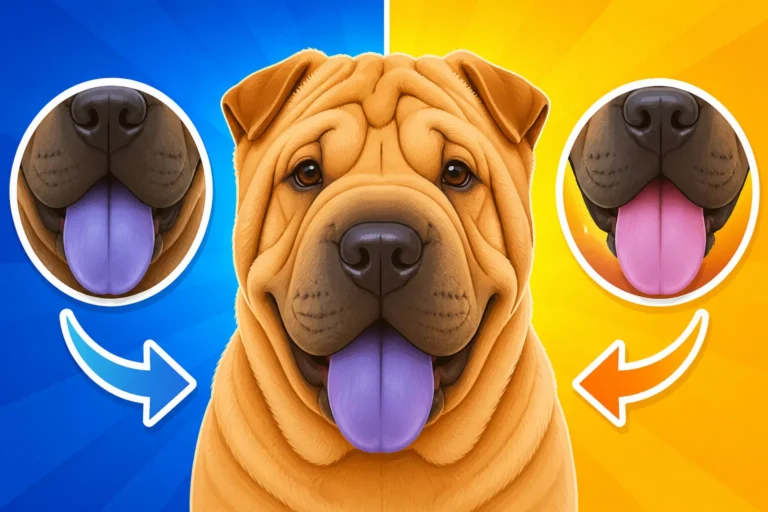
One of the most striking and unusual features of the Shar Pei, not hinted at in its name, is its distinctive blue-black tongue. This isn't a sign of illness; it's a breed standard, shared only with one other purebred dog, the Chow Chow. The intensity of the color can vary, from a solid slate blue to lavender with pink spots, but a completely pink tongue is generally considered a fault. This exotic trait adds another layer to the Shar Pei's ancient and mysterious appeal.
The blue-black tongue is a genetic marker that points to the breed's deep historical roots and potential shared ancestry with other ancient East Asian breeds. It's a fun fact that often sparks conversation and further curiosity about these dogs. It's truly a distinctive characteristic that makes a Shar Pei recognizable even without its wrinkles! You can delve deeper into this fascinating trait in The Blue Black Tongue a Shar Pei Shares With One Other Breed.
The Independent and Guarding Nature
Beyond their physical appearance, Shar Pei possess a temperament that is as distinctive as their looks. They were originally bred as multi-purpose working dogs in rural China, tasked with guarding property, hunting, and even herding. This history has instilled in them a naturally independent, sometimes aloof, and highly protective nature. They are often described as serious, watchful, and intensely loyal to their chosen family, but typically reserved with strangers. This combination of traits means they are not generally the life of the party, eager to greet every new face. A Shar Pei Was Bred to Guard, Not to Greet elaborates on their historical role.
Their headstrong streak and independent spirit mean that training a Shar Pei requires patience, consistency, and a deep understanding of canine behavior. They respond best to positive reinforcement and clear boundaries, rather than harsh methods. It's important for prospective owners to understand that beneath the wrinkly exterior is a strong-willed dog with a history of protecting its home and family, as discussed in The Headstrong Streak Nobody Trains Out of a Shar Pei. This means early socialization and ongoing training are crucial to ensure they develop into well-adjusted companions.
Why Understanding the Name Matters to Owners
Knowing what "Shar Pei" means isn't just a bit of trivia; it offers valuable insights that can deepen an owner's appreciation for the breed and even inform their approach to care. It’s a foundational piece of knowledge for truly understanding your wrinkly companion.
Appreciation for Breed Origins
Understanding that "Shar Pei" literally means "sand skin" connects you directly to the breed's ancient origins and the practical mindset of the people who developed these dogs. It’s a simple, honest name that speaks volumes about what was important and immediately noticeable about the breed centuries ago. It’s a reminder that these dogs weren’t bred for dainty laps or show rings initially, but for function, and their physical attributes were paramount. This appreciation can foster a deeper respect for your dog's heritage and the journey the breed has taken to become the cherished companions they are today.
When you know the history behind the name, it's easier to see your Shar Pei not just as a cute, wrinkly dog, but as a living piece of history, carrying traits that have been valued for generations. This historical perspective can help you embrace their quirks and challenges with a greater sense of understanding and empathy, knowing that their unique characteristics are not just random but deeply rooted in their past.
Informing Care and Expectations
Perhaps most practically, the name "sand skin" serves as a subtle yet powerful reminder of the Shar Pei's primary care needs. The "sand" part highlights the unique coat texture that needs minimal brushing but specific cleaning, while the "skin" component underscores the absolute necessity of diligent skin care. Owners quickly learn that ignoring those precious folds can lead to discomfort and serious infections for their beloved pets. This understanding helps set realistic expectations for the commitment required to keep a Shar Pei healthy and happy.
This means being prepared for regular fold cleaning, using appropriate medicated shampoos if needed, and ensuring thorough drying after baths – as explored in Drying Is More Important Than Washing on a Shar Pei. It means paying close attention to every single fold on your Shar Pei, because each one is a potential breeding ground for issues, as highlighted in Every Fold on a Shar Pei Is a Place Something Grows. When seeking out these specialized products, from sensitive skin shampoos to specific grooming wipes, many Shar Pei owners turn to reliable online retailers like Chewy, which often stock a wide range of dermatological solutions suitable for the breed's unique needs. This constant focus on skin health is not just a chore, but an act of love, directly tied back to the very name of the breed you've welcomed into your home.
Disclaimer
This article is for general informational purposes only and does not constitute professional advice. Laws, prices and regulations vary by location and change over time. Consult a qualified professional for guidance on your specific situation.