Why a Shar Pei’s Tongue Is Blue Black
If you're new to the wonderful world of Shar Pei, one of the first things that might strike you, aside from those adorable wrinkles, is their tongue! It's not the typical pink you see in most dogs, and it often sparks a lot of questions, even a bit of concern for new owners. Rest assured, this guide is here to unravel the mystery behind your Shar Pei's distinctive blue-black tongue, delving into its ancient origins and what it truly means for their health and heritage.
The Striking Trait: A Shar Pei's Blue-Black Tongue
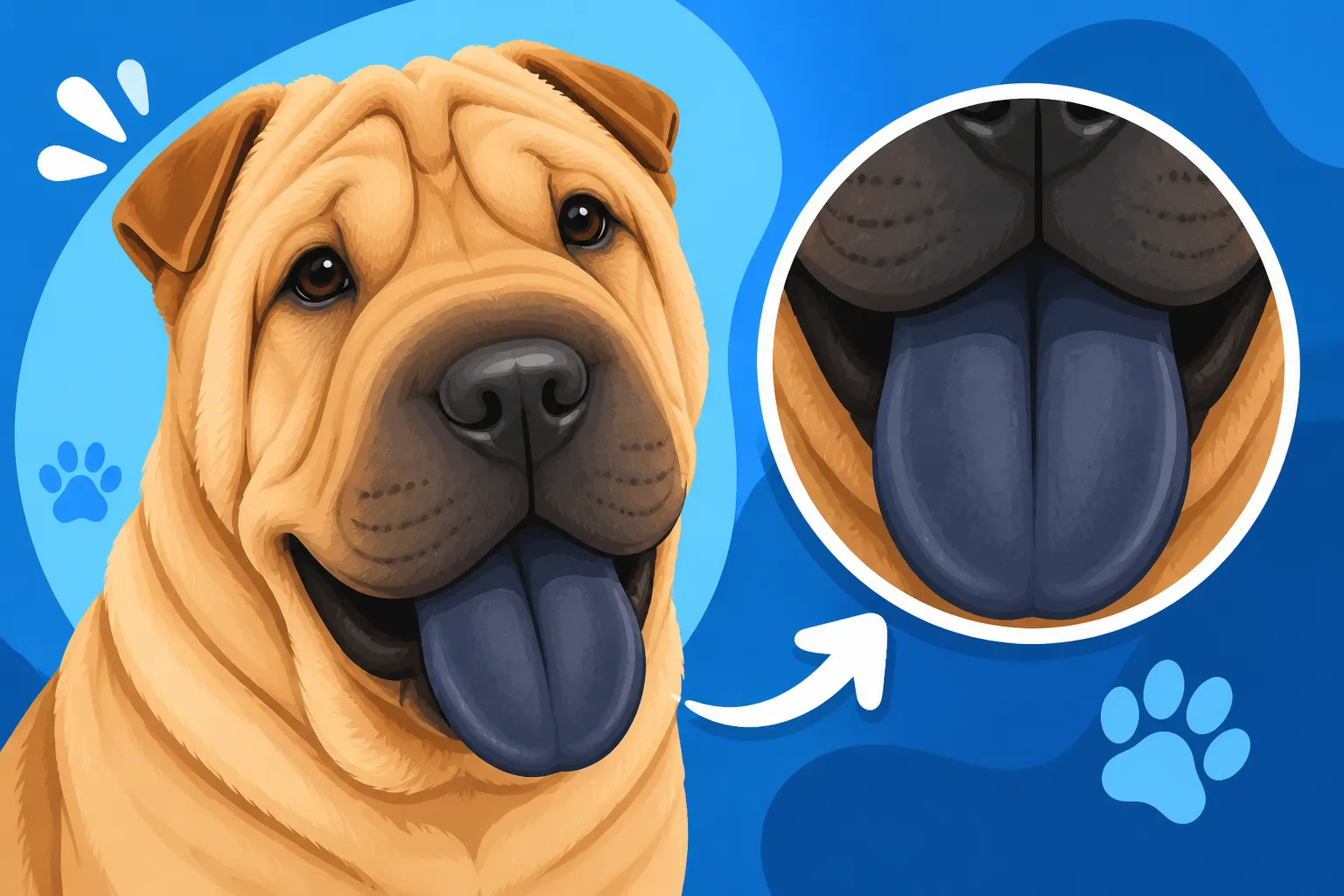
The moment you peer into a Shar Pei's mouth, you're greeted by a sight unlike most other breeds: a tongue that ranges from a deep blue to an almost purplish black. It's a hallmark of the breed, as iconic in its own way as their wrinkled hide or their perpetually "scowling" expression. This unique pigmentation is a constant source of fascination and, for the uninitiated, sometimes a worry.
What Does a Blue-Black Tongue Look Like?
Imagine the color of a ripe blackberry or a deep indigo dye, and you're getting close to describing the ideal Shar Pei tongue. It's not just a surface stain; the color is deeply embedded in the tissues themselves. Sometimes, it's a solid, uniform shade of blue-black, covering the entire tongue, gums, and even the roof of their mouth. Other times, you might see a beautiful marbling effect, with patches of blue-black interspersed with areas of pink. The intensity and distribution of this pigmentation can vary quite a bit from one Shar Pei to another, even within the same litter. There's a wide spectrum of what's considered normal and healthy for the breed. It's simply a genetic expression, much like eye color or coat type in other animals. This deep coloration is part of what makes them so utterly unique, a living piece of canine history walking right beside you.
Is It Always Blue-Black?
While the breed standard calls for a blue-black tongue, it's not always a completely uniform, dark color. It's very common to see variations. Some Shar Pei might have tongues that are predominantly dark, but with distinct pink spots or patches. These spots are usually perfectly normal and don't indicate any health issues. In puppies, the pigmentation might not be fully developed at birth, and it can darken over the first few weeks or months of their life. Whether a Shar Pei Puppy's Tongue Is Blue at Birth is a common question, and generally, they start out paler, then the pigmentation gradually fills in. You might even notice slight changes in intensity throughout their life, perhaps appearing a little paler if they're dehydrated, though it will quickly return to normal with proper hydration. The key is consistency for your individual dog; knowing what your Shar Pei's normal looks like is crucial. Any sudden, dramatic change in color, particularly if accompanied by other symptoms, would be something to discuss with your vet.
The Genetic Roots of the Unique Pigmentation
The distinctive blue-black tongue of the Shar Pei isn't just a random aesthetic quirk; it's a deeply ingrained genetic trait with a fascinating history, pointing to a shared lineage with another ancient breed. Understanding this genetic foundation helps demystify this unique feature and underscores its significance to the breed.
The Melanin Connection: Why Pigment Matters
At its core, the blue-black coloration of a Shar Pei's tongue is all about melanin, the same pigment responsible for skin, hair, and eye color in both humans and animals. In Shar Pei, specific genes direct the cells (melanocytes) in their oral tissues to produce a high concentration of eumelanin, a dark pigment. This isn't unique to their tongue; you'll often see this dark pigmentation extending to their gums, lips, and even the roof of their mouth, creating a striking contrast to their wrinkled coat. The exact genetic pathway responsible for this intense oral pigmentation is complex, but it's a dominant trait, meaning that if a Shar Pei inherits even one copy of the gene for a pigmented tongue, they will display the characteristic coloration. It's this genetic blueprint that sets them apart from the vast majority of dog breeds, making their mouths a unique study in canine biology.
Shared Ancestry: The Chow Chow Link
Perhaps the most compelling aspect of the Shar Pei's blue-black tongue is what it tells us about their ancestry. They are one of only two widely recognized dog breeds to consistently possess this trait, the other being the Chow Chow. This isn't a mere coincidence; it's a strong indicator of a shared, ancient lineage. Both breeds hail from China, and genetic studies have supported the idea that they share a common ancestor, a very old branch of the canine family tree. This connection isn't just about tongue color; there are other subtle similarities in their independent, somewhat aloof temperaments and their ancient, almost primal appearance. The Blue Black Tongue a Shar Pei Shares With One Other Breed is an interesting piece of trivia that points directly to their evolutionary past. This shared trait suggests that the gene responsible for this pigmentation emerged very early in their development, long before the distinct physical characteristics of each breed became so pronounced. It's a living echo of their shared heritage, a genetic fingerprint connecting these two magnificent, unique breeds. Whether the Blue Tongue Proves a Shared Ancestor is a fascinating question that science has largely answered with a resounding "yes."
Understanding the Implications of Tongue Color
For new Shar Pei owners, the blue-black tongue can sometimes be a source of anxiety. Is it normal? Does it mean something is wrong? It's easy to jump to conclusions when you see something so different from the norm. However, it's important to understand that in a Shar Pei, this coloration is a perfectly healthy and normal part of their unique physiology.
Is a Pink Spot a Problem?
One of the most frequent questions I hear from worried Shar Pei parents is about pink spots on their dog's tongue. Perhaps they've read something online or heard a well-meaning but misinformed comment about "purebred" traits. The truth is, pink spots or patches on a Shar Pei's tongue are incredibly common and almost always completely normal. Many perfectly healthy, well-bred Shar Pei have tongues that are not uniformly blue-black but feature areas of pink. This is simply a variation in the expression of the melanin-producing genes. It's not a sign of diluted lineage, nor does it indicate any health issues. Some breed standards do prefer a solid blue-black tongue, but even within those guidelines, minor spotting is often overlooked or considered a minor deviation rather than a serious fault. So, please, don't fret if your Shar Pei's tongue isn't a solid indigo. Whether a Pink Spotted Tongue Is a Fault in a Shar Pei often comes up in discussions about conformation, but for pet owners, it's generally nothing to worry about. Focus instead on your dog's overall health and well-being, rather than getting caught up in superficial appearance standards.
Does Tongue Color Indicate Health?
In general, no, the presence of a blue-black tongue in a Shar Pei does not inherently indicate anything about their health, good or bad. It's simply their natural coloration, much like a black dog having a black nose. What can be important, however, is a change in your individual Shar Pei's tongue color or appearance. For instance, if a normally solid blue-black tongue suddenly develops bright red patches, or if a pink-spotted tongue suddenly appears pale or bluish-grey, these would be reasons for concern. These types of abrupt changes could signal anything from dehydration, a circulatory issue, or even a localized injury or infection. It’s about monitoring for deviations from your dog's baseline normal. Otherwise, a healthy Shar Pei with a blue-black tongue is just that – a healthy Shar Pei. Don't fall into the trap of thinking a pinker tongue means they are "less pure" or "less healthy." Their tongue color is a fascinating genetic trait, but it's not a diagnostic tool for everyday wellness.
When to Be Concerned About Oral Pigmentation
While the blue-black tongue is a normal and defining characteristic of the Shar Pei, it's still crucial for owners to be observant of their dog's oral health. The tongue, gums, and entire mouth are windows into a dog's general well-being. Knowing what to look for, beyond the expected blue-black, can help you catch potential issues early.
Changes in Tongue Color
As we've discussed, a consistent blue-black or blue-black with pink spots is completely normal for a Shar Pei. The concern arises when you notice a change from this baseline. For example, if your Shar Pei's tongue suddenly appears very pale, almost white, it could indicate anemia or shock, requiring immediate veterinary attention. A grayish or purplish hue might suggest poor circulation or lack of oxygen, which is also an emergency. Bright red, inflamed areas could point to an infection, an allergic reaction, or even an injury from chewing on something sharp. Whether a Shar Pei's Tongue Color Changes significantly and suddenly is a key indicator to watch. If you ever notice an abrupt shift in the color of your Shar Pei's tongue, especially if accompanied by lethargy, difficulty breathing, vomiting, or changes in appetite, don't hesitate. Contact your veterinarian right away. While it might turn out to be something minor, it's always better to be safe and have a professional assess the situation promptly. Keep an eye on the consistency of the color, too, looking for any growths or lesions that weren't there before.
Oral Health Beyond Pigment
Beyond just the color, regular inspection of your Shar Pei's mouth is a vital part of their overall care. Their unique head shape and sometimes restricted bite can make them prone to dental issues, just like many other breeds. The blue-black pigmentation can sometimes make it a little harder to spot early signs of gum inflammation or other oral problems, but with diligent observation, you'll get to know what's normal for your dog.
This routine check should include looking at their gums to ensure they are firm and not excessively red or swollen. You should also check their teeth for tartar buildup, broken teeth, or any unusual growths. Regular brushing, even with that dark tongue, is incredibly important for preventing dental disease. Whether a Shar Pei's Teeth Need Brushing isn't a question of color, but of overall health. There are many great dog-specific toothbrushes and toothpastes available, perhaps even at a store like Chewy, that can make this task a bit easier. Dental chews can help too, but nothing replaces manual brushing. Periodical veterinary dental check-ups are also crucial to ensure their oral health is tip-top. Don't let the fascinating tongue color distract you from the fundamental need for good dental hygiene.
The Shar Pei Standard and the Blue-Black Tongue
The blue-black tongue is more than just a genetic quirk; it's a defining feature explicitly mentioned in the breed standards set by various kennel clubs worldwide. This emphasis underscores its historical significance and its role in distinguishing the Shar Pei as a unique breed. For enthusiasts and breeders, understanding these standards is paramount.
What Breed Standards Say
For anyone familiar with the breed, the blue-black tongue is practically synonymous with the Shar Pei. Major kennel clubs, such as the American Kennel Club (AKC) and the Fédération Cynologique Internationale (FCI), explicitly include tongue color in their breed standards. Typically, these standards describe the ideal Shar Pei tongue as solid blue-black, though some acknowledge variations. For example, the AKC standard for the Shar Pei states: "Tongue, roof of mouth, and gums should be solid bluish-black. A solid lavender tongue is acceptable. A pink tongue or pink spots on the tongue is a disqualifying fault." This detail highlights just how important this characteristic is in the eyes of the official breed fancy.
It's a trait that breeders strive for, not just for aesthetic reasons, but because it represents the historical integrity and distinctiveness of the breed. This emphasis on pigmentation helps to preserve the unique genetic heritage of the Shar Pei. While a pet owner might not be concerned with a "disqualifying fault," understanding these standards provides insight into why the blue-black tongue is such a celebrated and protected feature of these remarkable dogs.
Dispelling Myths: The "Purebred" Question
Because of the strict guidelines in breed standards, a common myth can arise among the general public: that a Shar Pei with pink spots on its tongue isn't "purebred." This simply isn't true for the vast majority of Shar Pei with minor pink spotting. While a solid pink tongue is indeed considered a disqualifying fault in the show ring, implying it deviates from the ideal, small pink spots or a lavender base with blue-black patches do not negate a dog's purebred status or its heritage. These variations are often just genetic expressions within a pure lineage. Many excellent, healthy, and undeniably purebred Shar Pei exhibit some degree of pink spotting.
The term "purebred" refers to a dog whose ancestry is well-documented through pedigree records and descends from recognized breed lines, usually registered with a kennel club. A tongue variation is a phenotypic expression, not an indicator of mixed parentage. If you've acquired your Shar Pei from a reputable breeder, What a Shar Pei Breeder's Contract Should Cover typically includes guarantees of lineage and health, regardless of minor aesthetic variations like a few pink spots on the tongue. What truly defines a purebred Shar Pei is its documented ancestry and adherence to its breed's inherent characteristics, not just a single, isolated physical trait, however distinctive it may be.
Oral Health Comparison: Shar Pei vs. Chow Chow
Given the shared trait of a blue-black tongue, it's interesting to briefly compare the oral health characteristics of the Shar Pei with its ancient cousin, the Chow Chow. While both possess this unique pigmentation, their overall oral structure and predisposition to specific dental issues can differ.
| Feature | Shar Pei | Chow Chow |
|---|---|---|
| Tongue Color | Blue-black, often with pink spots/marbling | Solid blue-black or purplish-black |
| Oral Pigmentation | Gums, roof of mouth also blue-black | Similar deep pigmentation in gums/mouth |
| Mouth Shape | Can have a "meat mouth" or "bone mouth" muzzle | Typically a broader, more robust muzzle |
| Dental Crowding | Can be prone to crowded teeth due to jaw structure | Less commonly reported, but can occur |
| Gum Issues | Potential for gingivitis/periodontal disease | Potential for gingivitis/periodontal disease |
| Tooth Sensitivity | Not specifically noted as higher or lower | Not specifically noted as higher or lower |
| Brushing Frequency | Daily recommended for optimal health | Daily recommended for optimal health |
| Unique Challenges | Pigmentation can mask early signs of gum disease | Deep mouth folds can sometimes trap food/bacteria |
As you can see, while the tongue color is a strong unifying factor, diligent oral care is crucial for both. Even with their unique tongue, a Shar Pei needs regular attention to prevent common canine dental problems. Products from Chewy or your local pet supply store can certainly help with maintaining good oral hygiene, from special dental treats to enzymatic toothpastes. It's about proactive care, always.
Disclaimer
This article is for general informational purposes only and does not constitute professional advice. Laws, prices and regulations vary by location and change over time. Consult a qualified professional for guidance on your specific situation.