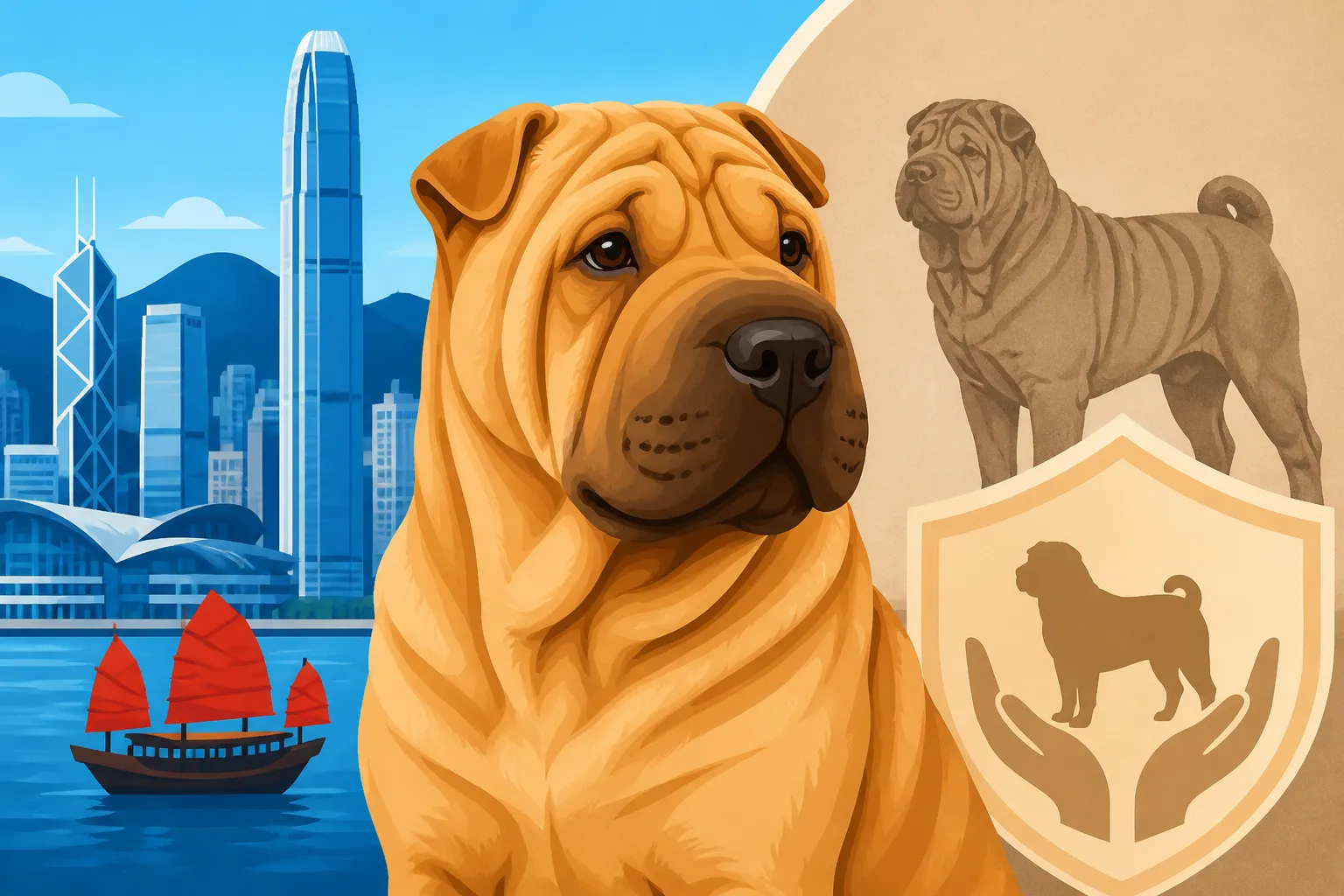
Whether Hong Kong Preserved the Shar Pei
It’s a common misconception that the Shar Pei breed simply persisted quietly through tough times in China, only to re-emerge later. The reality is far more dramatic: the breed teetered on the brink of complete extinction, and without the deliberate, critical efforts in Hong Kong, the Shar Pei as we know it today likely wouldn't exist. This guide will explore the perilous journey of the Shar Pei and how the specific circumstances in Hong Kong became its unlikely salvation.
The Shar Pei's Vanishing Act in Mainland China
To truly understand Hong Kong's role, we first need to grasp the desperate situation the Shar Pei faced on the mainland. The middle of the 20th century brought catastrophic changes to China, and dogs, especially those seen as luxuries or threats, became significant casualties. It wasn't just a matter of changing times; it was a deliberate policy that pushed many breeds to the edge.
The Impact of Communist Rule on Dog Ownership
Following the Communist Revolution in 1949, and particularly during the Cultural Revolution that intensified in the mid-1960s, dog ownership was largely deemed a bourgeois indulgence. Pets were seen as symbols of Western decadence, a stark contrast to the utilitarian values promoted by the new regime. Owning a dog could literally mark you as a target for social condemnation, and in many cases, far worse. Dogs were culled en masse, and keeping pets became a dangerous and illicit act.
Imagine living in a society where simply having a beloved companion animal could lead to severe repercussions. People who had cherished their dogs for generations were forced to abandon them, hide them, or worse. The practical challenges were immense too: food was scarce, and feeding a dog was considered wasteful. This cultural and political shift created an environment hostile to all dog breeds, and the Shar Pei, which had traditionally been a working dog for farmers and fishermen, quickly found itself in an impossible situation. The long history of the breed in China was being erased. Why Dogs Were Killed in China in the 1940s provides more context on this brutal period.
Taxation and Eradication Policies
Beyond social pressure, concrete policies were implemented to discourage and ultimately eliminate dog ownership. Heavy taxes were levied on dog owners, often exceeding a family's monthly income. For the average person, maintaining a dog became economically unfeasible. This wasn't just about revenue; it was a tool for eradication. When people couldn't afford the taxes, or simply refused to pay them for fear of attracting unwanted attention, dogs were rounded up and killed.
It was a grim calculus: keep your dog and risk your family's safety and livelihood, or let them go and face an unknown, likely fatal, outcome. In this environment, the Shar Pei, like many other indigenous Chinese breeds, rapidly disappeared from the landscape of its homeland. It wasn't a slow decline; it was a rapid, government-sanctioned purge that nearly succeeded in wiping the breed off the face of the earth. The numbers dwindled to terrifyingly low figures, with some estimates suggesting Sixty Shar Pei Were Left in 1978 worldwide at one point.
Hong Kong: A Beacon of Hope for the Breed
While mainland China was actively eradicating its canine population, the British colonial territory of Hong Kong offered a sanctuary, a sliver of land where the traditional relationship between humans and dogs could still exist, albeit under evolving circumstances. This geopolitical difference was absolutely crucial for the Shar Pei's survival.
A Safe Haven Under British Rule
Hong Kong, being a British colony, operated under a different legal and cultural framework. While pet ownership still carried responsibilities and costs, it was not criminalized or targeted for eradication. This allowed a small number of Shar Pei to survive, often kept by dedicated individuals who recognized the unique heritage and charm of these wrinkled dogs. These were not large, established breeding kennels, but rather small, often hidden efforts by private citizens to keep the breed alive.
The sheer difficulty of the situation meant that those who kept Shar Pei in Hong Kong were deeply committed. They understood the historical significance of the breed and the danger it faced. Without the relative stability and protection offered by the colonial administration, it's highly probable that the last remaining Shar Pei would have vanished completely, their distinctive appearance and loyal personalities lost forever.
Matgo Law's Desperate Appeal
The turning point for the Shar Pei, truly, came in the mid-1970s. A dedicated Hong Kong breeder named Matgo Law, keenly aware of the breed's near-extinction, penned a heartfelt plea. He wrote to Dogs magazine in the United States, describing the Shar Pei as "the last remaining specimens of the noble breed" and appealing for help to save them. This was not a casual request; it was a desperate cry for international intervention, knowing that the breed's future depended on finding new homes and advocates abroad. One Letter to a Dog Magazine Saved the Shar Pei goes into detail about this pivotal moment.
Law’s letter, published in 1978, resonated deeply with dog enthusiasts in the West. It captured imaginations and spurred action, portraying the Shar Pei as something exotic, ancient, and on the precipice of oblivion. The narrative of saving a rare and unique breed caught fire, leading to a small but incredibly significant influx of Shar Pei from Hong Kong to the United States and other Western countries. This handful of dogs became the foundation stock for virtually all Shar Pei outside of mainland China today.
The Role of Hong Kong Breeders and Enthusiasts
It wasn't just Matgo Law, of course. Behind him were other dedicated individuals in Hong Kong who had, against incredible odds, managed to preserve a few lines of these dogs. They understood the nuances of the breed, its distinct characteristics, and its historical value. Their careful stewardship, even if on a small scale, provided the genetic material necessary for the breed's resurgence.
These breeders faced challenges of their own, from limited resources to the simple difficulty of maintaining a viable breeding population with so few animals. Their commitment was paramount. They weren't just breeding dogs; they were guardians of a living piece of history. Without their foresight and perseverance, Matgo Law would have had no Shar Pei to write about, and no dogs to send abroad.
The Shar Pei's Resurgence and Its Consequences
The international response to Matgo Law's appeal was immediate and overwhelming, leading to a rapid increase in the breed's numbers outside of China. However, this dramatic rescue had its own set of unforeseen consequences, fundamentally shaping the health and characteristics of the modern Shar Pei.
From Rarest to Popular: The "Shar Pei Boom"
Once described by Guinness World Records as the "rarest dog on Earth," the Shar Pei experienced a meteoric rise in popularity. People were captivated by their unique appearance – the deep wrinkles, the "hippopotamus" muzzle, and the enigmatic expression. This surge, often referred to as the "Shar Pei boom," saw the breed go from near extinction to a sought-after companion in a relatively short period. Guinness Once Called the Shar Pei the Rarest Dog on Earth details this incredible transformation.
The demand, unfortunately, often outpaced responsible breeding practices. While many reputable breeders worked tirelessly to maintain health and temperament, others were drawn in by the lucrative market, leading to mass breeding operations where health screening and genetic diversity were often ignored. This period also cemented the preference for the "meat mouth" Shar Pei with its exaggerated wrinkles, a look that arguably emerged or was significantly amplified during this boom, differing from the more moderate "bone mouth" type.
The Genetic Bottleneck and Health Implications
The fundamental issue arising from the breed's salvation through such a tiny founding population is what geneticists call a "bottleneck." All modern Shar Pei outside of China descend from that extremely small number of individuals preserved in Hong Kong. This means their gene pool is incredibly narrow, significantly reducing genetic diversity. While these dogs were genetically robust enough to survive the initial culling, the lack of diversity later led to a concentration of certain genetic predispositions. How Narrow the Shar Pei's Founding Gene Pool Was explains this in detail.
This bottleneck is a primary driver behind many of the health challenges common in the breed today. For example, the very gene responsible for their distinctive wrinkles (and increased hyaluronic acid production) is also strongly linked to Shar Pei Fever (FSF) and subsequent amyloidosis. One Mutation Gave the Shar Pei Its Wrinkles and Its Fever explains this genetic link. When you start with so few individuals, any genetic quirks or predispositions present in those founders are amplified across the entire subsequent population. This is why conditions like Familial Shar Pei Fever Is Not an Infection and various skin conditions became so prevalent.
| Aspect of Survival | Mainland China (Mid-20th Century) | Hong Kong (Mid-20th Century) |
|---|---|---|
| Political/Social Climate | Hostile to dog ownership, culling | Tolerant, private ownership |
| Dog Population | Near extinction | Small, protected pockets |
| Role in Preservation | None, active eradication | Critical sanctuary, source of founders |
| Genetic Diversity | Lost | Severely narrowed |
| Key Figures | Victims of policies | Matgo Law, local enthusiasts |
Responsible Ownership in the Modern Era
Given this history, modern Shar Pei ownership comes with a profound responsibility. Understanding the breed's genetic past means being proactive about their health. This includes regular vet check-ups, being vigilant for signs of common breed-specific ailments, and seeking out ethical breeders who prioritize health testing and genetic diversity.
For instance, due to the high incidence of FSF and amyloidosis, monitoring a Shar Pei's kidney health from a young age is crucial. Why a Shar Pei's Kidneys Need Watching From Two Years Old cannot be stressed enough. Owners should also be aware of the specific challenges associated with their unique skin folds and narrow ear canals, which require diligent care. Quality supplies, whether it's specialized shampoo from a vendor like Chewy or specific ear cleaners, become essential tools in preventative care. Choosing the right food, for example, from a reputable supplier like Chewy, can also play a role in managing potential sensitivities or allergies inherent in the breed.
The legacy of Hong Kong's role is not just about the survival of a breed; it's about the continued commitment required from owners and breeders to ensure these unique dogs can thrive despite their challenging genetic heritage. The breed’s recovery, while remarkable, has left a blueprint of vulnerabilities that conscientious owners must navigate. When considering adding a Shar Pei to your family, researching ethical breeders and understanding the breed's unique needs, including sourcing appropriate care items from places like Chewy, is paramount. What Being Saved Did to the Shar Pei's Health offers further insight into these enduring challenges.
Disclaimer
This article is for general informational purposes only and does not constitute professional advice. Laws, prices and regulations vary by location and change over time. Consult a qualified professional for guidance on your specific situation.