Whether a Shar Pei Mix Still Gets Fever
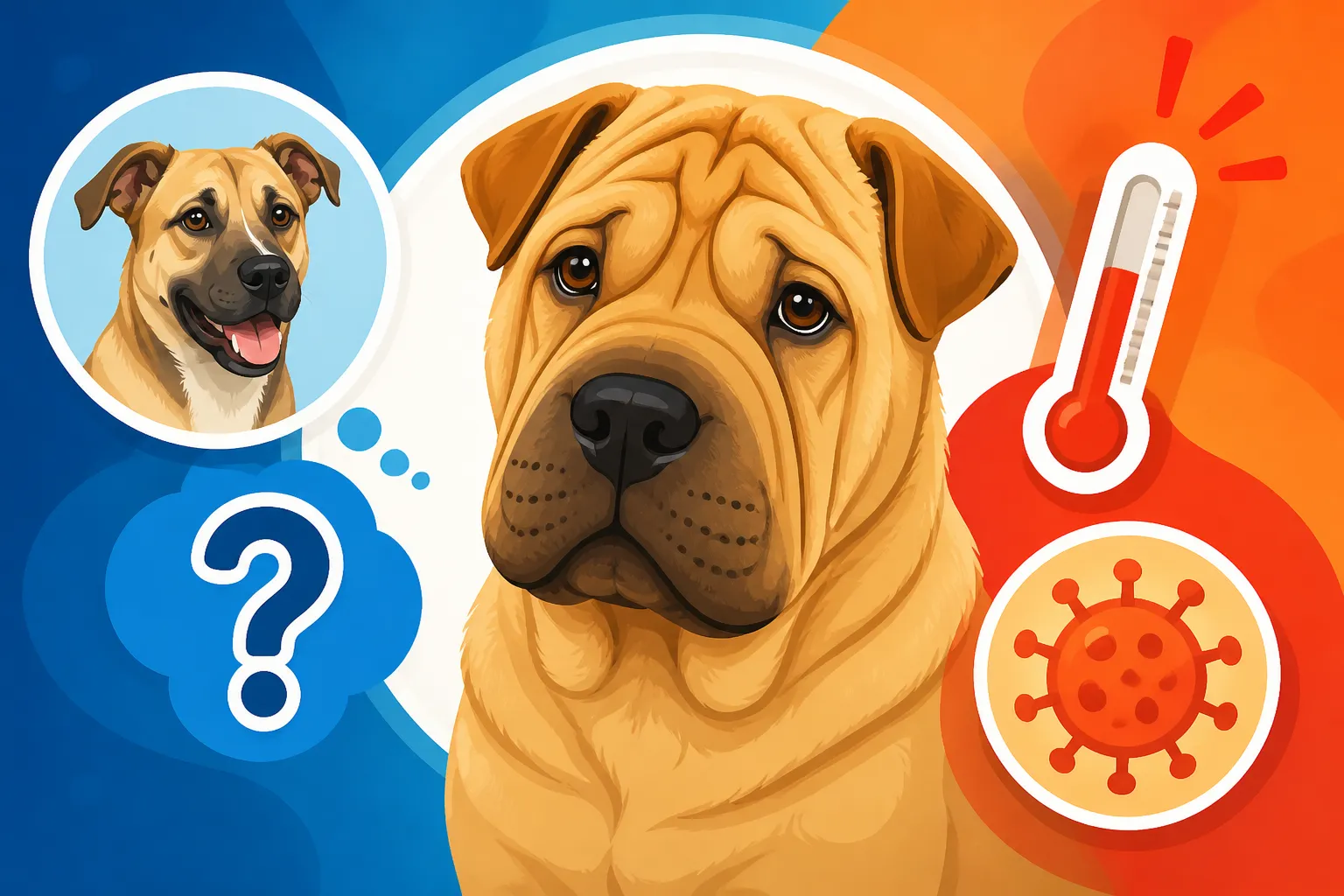
A Shar Pei mix can still develop Shar Pei fever. Being mixed does not automatically remove the inherited risk, but it also does not mean a dog will inherit the condition or ever have an episode. This guide explains how ancestry and genetics affect risk, what symptoms deserve attention, and how to respond if your dog becomes feverish.
Can a Shar Pei mix get Shar Pei fever
Why a mixed breed can still inherit the risk
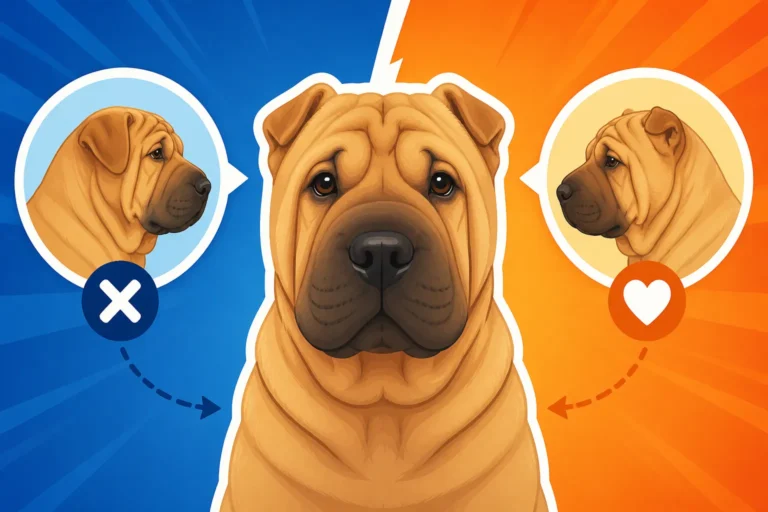
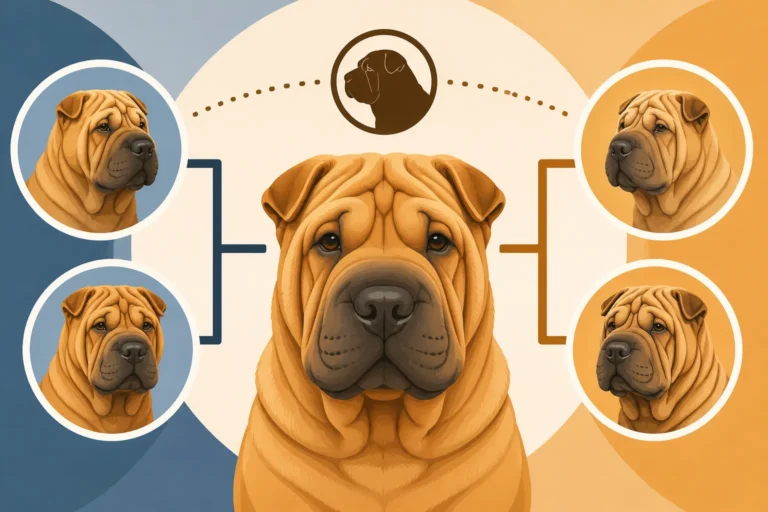
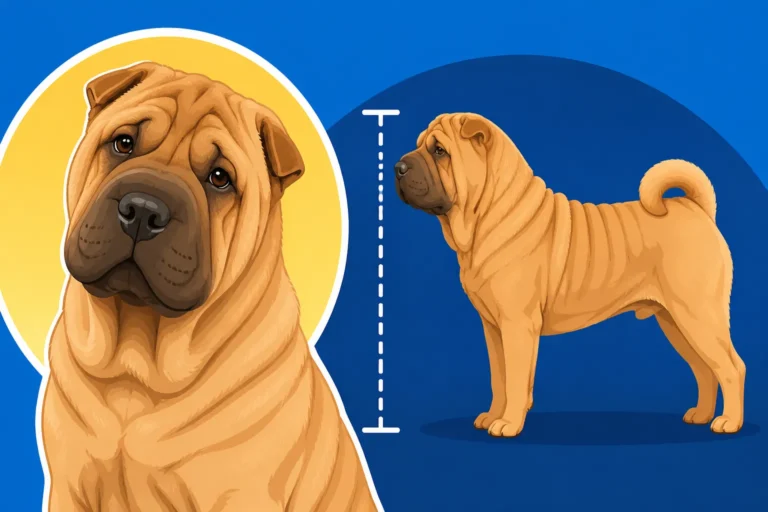
Shar Pei fever is commonly associated with a Shar Pei’s inherited tendency toward episodes of unexplained inflammation. A dog does not need to look like a purebred Shar Pei to inherit relevant genetic material from a Shar Pei parent or an earlier generation. A cross might have a wrinkled face and compact build, or it might look more like its other breed; appearance alone cannot reliably tell you what it inherited.
The condition is associated with the Shar Pei autoinflammatory disease complex, often called SPAID. It is not an infection that a dog catches from another dog, and a mix cannot be considered protected simply because it has fewer wrinkles. The relationship between the breed’s genetics, inflammation, and an individual dog’s symptoms is complicated, so ancestry can raise a reasonable question without giving you a diagnosis.
That uncertainty can be frustrating for owners. A rescue dog may come with no information about its parents, while a breeder may describe a dog as a mix without knowing the health history of the Shar Pei in its background. In either situation, it is more useful to tell your veterinarian what you know about the dog’s ancestry and symptoms than to assume the risk is either absent or certain.
Genetics and appearance cannot confirm an individual dog’s risk
A dog’s coat, wrinkles, body shape, or resemblance to a Shar Pei cannot confirm whether it carries relevant genetic changes. Likewise, being less wrinkled does not prove that a dog is protected from fever. The genetics behind the breed’s wrinkles and inflammatory risk have been studied, but a visible trait is not a dependable stand-in for a clinical assessment. For more on the relationship between appearance and risk, see Whether a Less Wrinkled Shar Pei Is Healthier.
Even a genetic test, where available, should be discussed with a veterinarian who understands the test’s limits and what its result can and cannot tell you. Genetic information may help explain risk, but it does not replace looking at the dog’s health, family history, examination findings, and other possible causes of fever. A dog can have a concerning result without having a current episode, and a feverish dog still needs evaluation for other illnesses.
It is also possible for a purebred Shar Pei never to have a recognized fever episode, while a mix with Shar Pei ancestry does. That does not mean the condition is random or that ancestry is irrelevant. It means inherited risk is not the same as a guaranteed outcome. The broader explanation of the condition is covered in Familial Shar Pei Fever Is Not an Infection and What SPAID Means for a Shar Pei.
What Shar Pei fever can look like in a mix
Recognizing a possible episode
Shar Pei fever is often discussed in connection with a sudden, recurring fever and signs of inflammation. A dog may seem unusually tired, reluctant to move, uncomfortable, or less interested in food. Some dogs develop swelling around the hocks, the joints above the back feet; others may have swelling around the muzzle. Not every dog shows every sign, and those symptoms are not unique to Shar Pei fever.
A feverish dog may simply look “off” at first. You might notice that your dog stays on its bed instead of following you around, hesitates before climbing stairs, or turns away from a meal it normally eats eagerly. Those changes matter, especially if they happen along with a measured high temperature or visible swelling. A mix’s appearance does not make these signs less important.
Descriptions of a typical episode can help you know what to report, but they cannot confirm the cause. You can read more about common signs in What a Shar Pei Fever Episode Looks Like and Why a Shar Pei's Hocks Swell. If your dog has fever or swelling, your veterinarian may need to consider infection, injury, immune-mediated illness, and other causes as well as a Shar Pei-related inflammatory condition.
When fever needs veterinary attention
A dog’s temperature is best measured with a thermometer rather than judged by whether its nose or ears feel warm. A normal temperature is generally around 100 to 102.5°F, though context and measurement method matter. A reading above that range may be concerning; contact a veterinary clinic for advice, particularly if your dog is lethargic, painful, weak, vomiting, breathing abnormally, or getting worse. A very high reading or severe symptoms warrant urgent veterinary care.
Do not wait for a fever to pass just because someone has told you that Shar Pei fever episodes can resolve on their own. Fever has many possible causes, and a serious infection or other urgent problem can resemble an inflammatory episode. Your veterinarian can advise whether your dog needs to be seen immediately, what to monitor, and whether examination or testing is appropriate. For a practical response plan, see What to Do When a Shar Pei Spikes a Fever.
Never give human fever medicine unless a veterinarian specifically directs you to do so. Some common human medications can seriously harm dogs, and treatment depends on the individual dog and the cause of the fever. Avoid trying to cool your dog with ice baths or extreme measures unless a veterinarian tells you what to do. Keep your dog comfortable, offer access to water, and follow the clinic’s instructions while arranging care.
How a veterinarian may assess a Shar Pei mix
Share ancestry, symptoms, and timing
When you call or visit the clinic, explain that your dog has Shar Pei ancestry if you know it, but describe the symptoms in plain detail too. Note when the problem began, whether it appeared suddenly, whether it has happened before, how long it lasted, and whether you saw limping, hock or muzzle swelling, appetite changes, vomiting, diarrhea, or unusual behavior. A timeline is often more useful than trying to decide for yourself whether the episode “matches” Shar Pei fever.
If the dog is a rescue, say when you adopted it and what health records you received. If you have information about a parent or littermate with recurring fever, mention that as well. A short video of how your dog is moving or a clear photo of swelling may help document a sign that changes before the appointment, but do not delay urgent care to collect one.
A simple log can help when symptoms recur. Record the date and time, temperature if you can measure it safely, visible symptoms, appetite, activity, medications given under veterinary direction, and what happened afterward. If you need a thermometer or a basic supply for keeping records, veterinary clinics and retailers such as Chewy may be places to look; choose equipment intended for pets and ask the clinic how to use it correctly. Never put off calling the veterinarian while waiting for a delivery.
Expect the vet to consider more than one cause
There is no single symptom that proves a fever in a Shar Pei mix is caused by SPAID. A veterinarian may ask about the dog’s medical and family history, perform a physical examination, and recommend tests based on what they find. Those tests may help look for infection, inflammation, organ involvement, or other explanations. The exact approach depends on the dog’s condition and whether this is a first episode or a recurring pattern.
If your dog is having repeated fevers, tell the veterinarian even if each episode seems to settle. Recurrence and patterns can be clinically useful, but they do not automatically establish the diagnosis. Keeping a clear log—and bringing prior laboratory results or records—can make it easier to compare episodes and discuss whether further investigation is needed. The related question How Often Shar Pei Fever Recurs explains why frequency is worth tracking rather than guessing from memory.
If the veterinarian raises concern about longer-term risks, ask what follow-up they recommend for your particular dog. Shar Pei fever is associated with the possibility of amyloid-related organ damage in some dogs, but fever does not mean that kidney disease is inevitable. Your vet can explain whether monitoring is appropriate and which signs or tests matter. More background is available in How Amyloid Damages a Shar Pei's Kidneys and Which Test Catches a Shar Pei's Kidney Damage Early.
Practical steps for living with a Shar Pei mix
Make a plan before another episode
If your mix has had a suspected or confirmed episode, ask the veterinarian for a written plan. It should clarify which symptoms mean “call today,” which signs mean emergency care, what temperature readings the clinic wants reported, and which medications—if any—are prescribed for your dog. That plan is safer than relying on general advice from a social media group or trying to reuse medication prescribed for a different dog.
Keep the clinic’s contact details easy to find, especially if your dog tends to become unwell outside regular appointment hours. If you use a pet thermometer, ask the veterinary team to show you how to take and record a reading without causing unnecessary stress or injury. Chewy or another pet-supply retailer may be convenient for routine equipment, but a purchase does not replace instructions from your veterinarian. When comparing supplies through Chewy, read the product details carefully and confirm that the item suits your dog.
A fever log can be as simple as a page in a notebook or a note on your phone. You might record, “Tuesday evening: quiet after walk, reluctant on stairs, temperature taken as clinic instructed, called vet.” That kind of specific note is more useful later than “seemed feverish last week.” If symptoms happen again, write down what changed and when, and share the record with your veterinarian.
Keep risk in perspective
A Shar Pei mix may inherit a predisposition, but it is not possible to predict an individual dog’s future from its label or looks alone. Do not assume your dog is safe because it has a smooth coat, and do not assume it will develop fever because one parent was a Shar Pei. Pay attention to symptoms, make sure your veterinarian knows the ancestry when it is known, and seek advice when your dog is unwell.
If you are choosing a puppy, ask what health information is available about both parents and relatives, and ask whether the breeder has records of recurring fevers or related health concerns. If you are adopting an adult dog, request any available medical history and arrange a routine veterinary visit to establish a baseline. Neither step guarantees that a dog will or will not develop Shar Pei fever, but both can help you make informed decisions and recognize changes sooner.
The most helpful approach is neither panic nor dismissal. Treat a fever as a symptom that deserves attention, tell the veterinarian about any Shar Pei ancestry, and let the dog’s actual history and examination guide the next steps. A mix can still be affected, but ancestry alone is not a diagnosis.
Disclaimer
This article is for general informational purposes only and does not constitute professional advice. Laws, prices and regulations vary by location and change over time. Consult a qualified professional for guidance on your specific situation.