Whether a Bear Coat Shar Pei Has More Skin Problems
One common concern that pops up in Shar Pei communities, especially when we talk about the rarer coat types, is whether that beautiful, plush "bear coat" comes with a hidden cost: more skin problems. It’s a completely fair question, and frankly, a valid worry, because as any Shar Pei owner knows, skin issues are often a persistent battle. While the longer coat itself doesn't fundamentally change the underlying genetic predisposition to skin conditions that many Shar Pei carry, it certainly can create an environment where those problems are harder to spot and more challenging to manage. This guide is here to unravel the truth behind the bear coat and its relationship to your Shar Pei's skin health, offering insights and practical advice to keep your furry friend as comfortable as possible.
Understanding the Shar Pei Coat Types
Before we dive into the specifics of skin, let's make sure we're all on the same page about what a Bear Coat actually is and how it fits into the Shar Pei world. The unique look of our beloved wrinkly dogs is largely defined by their short, bristly hair, but there's a fascinating spectrum of coat types out there.
The Three Main Coats
When you think of a typical Shar Pei, you're probably picturing either a Horse Coat or a Brush Coat. The Horse Coat is the shortest and harshest, often described as feeling like sandpaper, and it's thought to be the most traditional. These dogs tend to have more wrinkles, especially across their bodies. Then there's the Brush Coat, which is slightly longer, softer to the touch, and usually comes with a bit fewer wrinkles overall. Both of these are widely recognized and accepted within breed standards.
However, then we have the Bear Coat. This is the least common of the three and it really stands out with its much longer, softer, and often thicker fur, giving the dog a distinctly plush, almost Chow Chow-like appearance. It's often so dramatically different that people sometimes mistake them for a different breed or a Shar Pei mix. While beautiful, the Bear Coat is considered a disqualifying fault in most breed show rings because it doesn't align with the traditional Shar Pei look, which historically favored shorter, protective coats. You might be interested in reading How a Horse Coat Shar Pei Differs From a Brush Coat for a deeper dive into the more common coats.
Genetic Basis of Coat Types
The variation in Shar Pei coat length comes down to genetics, specifically a recessive gene. Both parents must carry a copy of this recessive gene for a puppy to inherit a Bear Coat. This means that even two Brush Coat or Horse Coat Shar Pei can produce Bear Coat puppies if they both carry the gene. It's why they pop up sometimes unexpectedly in litters where the parents don't look like they'd produce such a fluffy offspring. The presence of this gene doesn't just dictate hair length; it's part of the broader genetic tapestry that defines the breed, including aspects related to their unique skin and immune system.
What Makes the Bear Coat Different
Beyond just the aesthetic appeal of a longer, softer coat, the Bear Coat introduces practical differences in daily care, especially concerning the skin underneath. Its increased length means more surface area for collecting environmental allergens, dirt, and moisture. The density can also be a factor; a thicker coat might restrict airflow to the skin, creating a microclimate that can be less than ideal. For an owner, this translates to a different set of challenges when it comes to grooming and monitoring for health issues, compared to a short-coated Shar Pei where the skin is much more visible and accessible.
Connecting Coat Type to Skin Health in Shar Pei
The link between a Bear Coat and skin problems isn't about the quality of the skin itself being inherently different, but rather how the coat interacts with the skin and the environment. Shar Pei, as a breed, are already prone to a host of dermatological issues due to their unique genetic makeup and physical characteristics.
The Role of Mucin in Shar Pei Skin
One of the defining characteristics of a Shar Pei, those wonderful wrinkles, comes from an excess of a substance called mucin in their skin. This is what gives their skin that almost gelatinous, thick feel. While it’s adorable and unique, it also means that their skin is inherently different and often more sensitive than many other breeds. What Cutaneous Mucinosis Is is a great resource if you want to understand this condition more fully. This mucin can accumulate in folds, creating a warm, moist environment ripe for bacterial and yeast growth, leading to conditions like Skin Fold Dermatitis on a Shar Pei. A Bear Coat doesn't alter the mucin production, but its longer hair can contribute to trapping moisture against these mucin-rich areas, potentially intensifying any existing skin issues.
How Longer Hair Affects Skin Environment
Imagine a humid day, and you're wearing a thick, heavy sweater. Now imagine your Shar Pei, with its dense Bear Coat, trying to regulate its skin temperature and moisture levels. The longer hair can act as an insulating layer, trapping heat and humidity directly against the skin. This isn't just uncomfortable; it creates an ideal breeding ground for opportunistic infections. Bacteria and yeast thrive in warm, damp environments, and if the skin underneath isn't getting adequate air circulation or is staying damp for too long after a bath or a romp in the dewy grass, problems can quickly escalate. This increased moisture retention means that diligent drying and consistent air flow are absolutely crucial for Bear Coat owners.
Common Skin Issues in Shar Pei Regardless of Coat
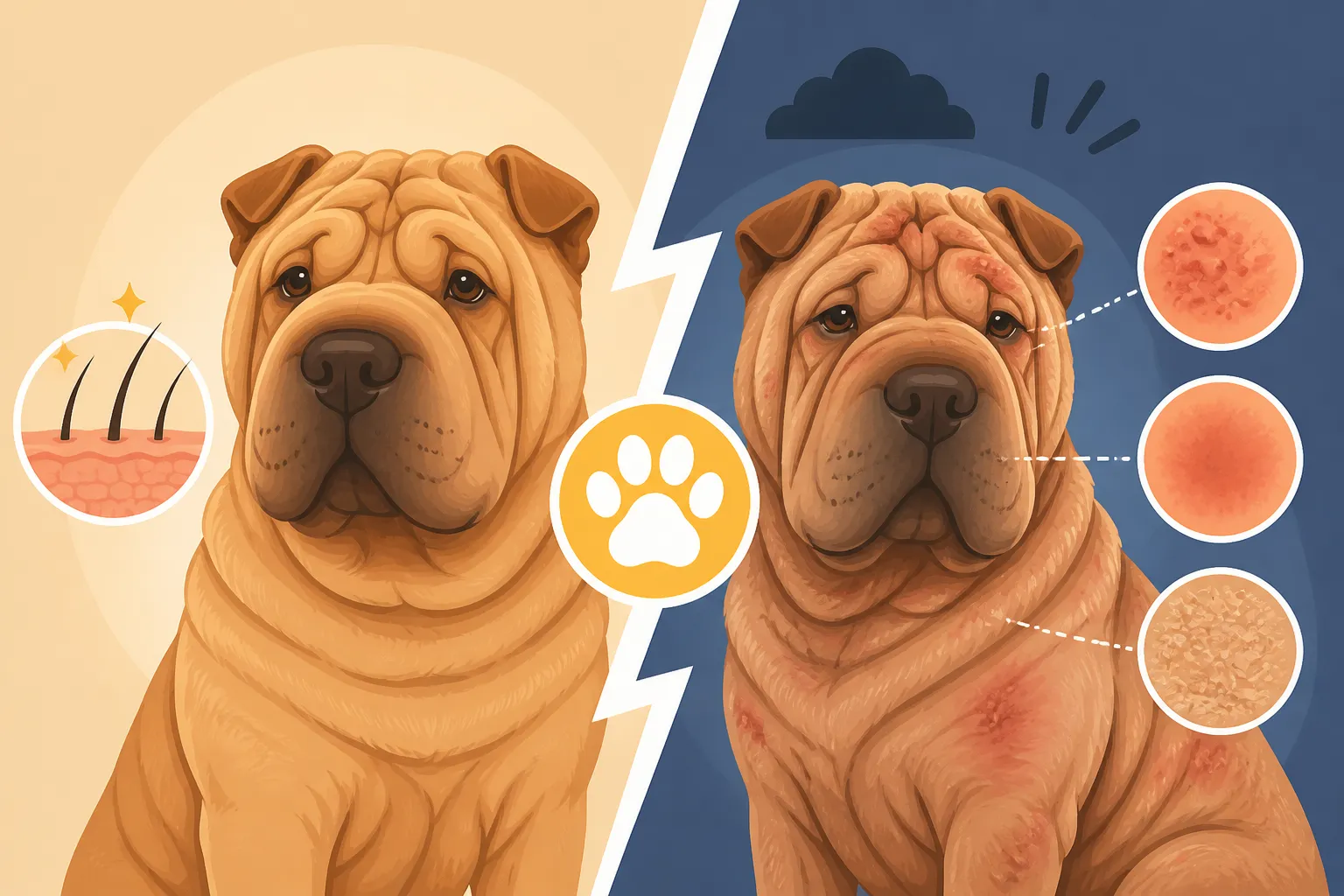
It's important to remember that many skin problems in Shar Pei are breed-wide concerns, not exclusive to Bear Coats. Allergies, whether environmental or food-related, are incredibly common and often manifest as itching, redness, and recurrent infections. Demodectic mange, caused by microscopic mites that all dogs carry but which can overpopulate in immune-compromised individuals, is another concern. You might find our article Whether a Shar Pei Gets Demodectic Mange helpful. Even without a Bear Coat, their deep wrinkles make them susceptible to infections in those folds. The long hair doesn't cause these issues, but it can certainly complicate their management. For instance, a small rash on a short-coated Shar Pei is easy to spot; on a Bear Coat, it can be hidden for days or weeks, allowing it to become a much larger problem before you even notice.
Specific Challenges for Bear Coat Shar Pei Skin
While the skin itself isn't fundamentally different, the Bear Coat does present unique hurdles for owners striving to maintain optimal skin health. These challenges often revolve around visibility, ventilation, and the sheer amount of hair involved in routine care.
Increased Risk of Moisture Trapping and Infections
This is perhaps the biggest concern. A Bear Coat's length and density mean it takes longer to dry thoroughly after a bath, a swim, or even just a walk in damp weather. If the skin beneath the coat remains moist, it creates a perfect storm for bacterial and yeast infections to flourish. We're talking about conditions like pyoderma (bacterial skin infection) and malassezia (yeast dermatitis), which can cause intense itching, redness, foul odor, and even hair loss. Imagine the struggle of drying those deep folds, which are already prone to issues, now hidden beneath a plush layer of fur! You have to be extra vigilant about ensuring every inch of your Bear Coat Shar Pei, especially in those hidden areas like armpits, groin, and, of course, the infamous tail and facial folds, is bone-dry after any exposure to moisture.
Difficulty in Identifying Skin Problems Early
The sheer volume of hair on a Bear Coat can be a double-edged sword. While beautiful, it can effectively camouflage early signs of skin irritation. Redness, pustules, scabs, or even parasites like fleas might go unnoticed until the problem is well-advanced and causing significant discomfort to your dog. With a Horse Coat or Brush Coat, you can often see these things with a quick glance. With a Bear Coat, you really need to part the hair, lift up folds, and perform a much more thorough inspection to catch issues when they're small and easily treatable. This demands a proactive, hands-on approach from the owner, checking the skin regularly, not just during scheduled grooming.
Grooming Demands and Their Impact on Skin
Grooming a Bear Coat Shar Pei is a more significant undertaking than with its short-coated counterparts. They require more frequent and thorough brushing to prevent matting, which can pull on the skin and create hot spots. When mats form, they further restrict airflow, trap moisture, and can become breeding grounds for bacteria, leading to painful infections underneath.
Furthermore, bathing needs extra care. While How Often a Shar Pei Needs a Bath gives general guidelines, a Bear Coat often requires medicated shampoos more frequently if skin issues are present, and the rinsing process must be meticulous to ensure no residue is left behind, which can irritate the skin. Then comes the drying – a crucial step that can take considerably longer. Inadequate drying is a direct pathway to skin disaster for a Bear Coat. You might find that products available on sites like Amazon or through specialty pet retailers are essential for their grooming needs, from specific brushes to powerful pet dryers.
Proactive Care for a Bear Coat Shar Pei's Skin
Taking care of a Bear Coat Shar Pei's skin isn't just about reacting to problems; it's about establishing a consistent, preventative routine. It's about being diligent and understanding that their coat, while lovely, adds layers of responsibility to skin health.
Essential Grooming Routine
For a Bear Coat, a solid grooming routine is your first line of defense. Daily or every-other-day brushing with an appropriate brush is a must to prevent mats and distribute natural skin oils. You'll want to choose a brush that can penetrate the dense coat without scratching the skin, like a slicker brush or a good quality pin brush. This also helps you inspect the skin underneath regularly. When it comes to bathing, be prepared for a longer process. Use a gentle, pH-balanced dog shampoo, or a medicated one if prescribed by your vet, following the instructions carefully for contact time. Our guide on Which Shampoo Suits a Shar Pei's Skin can offer more insights.
The most critical step after bathing is drying. This is where many Bear Coat owners will invest in a high-velocity pet dryer (available from retailers like Chewy or Amazon) to ensure the coat and, more importantly, the skin, is completely dry. Towel drying alone simply won't cut it. Pay extra attention to all the folds and crevices, and if you live in a humid climate, consider using a cool setting on a dryer for longer. Learn more about the importance of drying in How to Dry a Shar Pei Properly.
Dietary Considerations
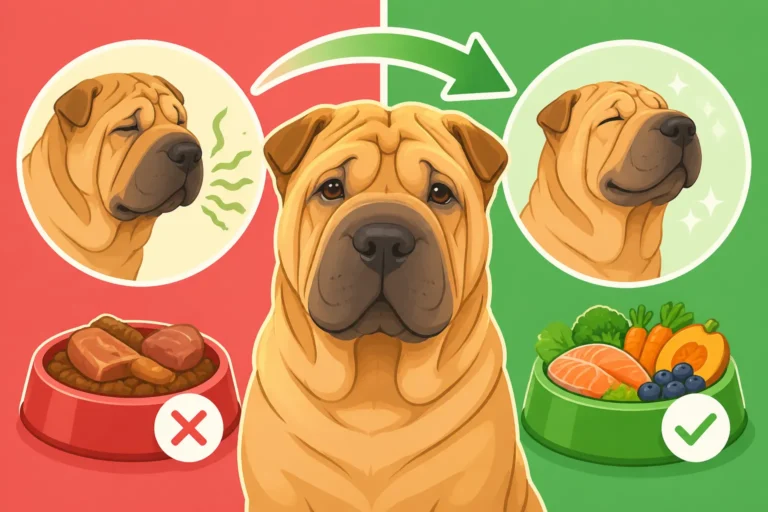
What goes into your Shar Pei's body often shows on their skin. A high-quality diet rich in essential fatty acids can significantly support skin and coat health. Many Shar Pei, regardless of coat type, can be prone to food sensitivities, which often manifest as skin issues. You might need to explore options like a limited ingredient diet to identify and avoid potential allergens. Brands like Ollie often offer tailored nutrition plans, which can be invaluable. Foods that are high in Omega-3 and Omega-6 fatty acids, often found in fish oils or certain plant-based supplements, can help reduce inflammation and improve skin barrier function. Consult with your vet or a veterinary nutritionist if you suspect food allergies or are looking to optimize your dog's diet for skin health. You may want to check out Whether a Shar Pei Needs a Limited Ingredient Diet and Whether a Shar Pei Needs Fish Oil for Its Skin.
Regular Veterinary Checks and Preventative Measures
Never underestimate the power of your veterinarian. Regular check-ups, even when your Shar Pei seems perfectly healthy, are crucial for early detection of potential skin issues. Your vet can perform thorough skin exams, looking for subtle signs of irritation that you might miss. If your Bear Coat Shar Pei has a history of skin problems, your vet might recommend specific preventative measures, such as prescription washes, topical treatments, or even dietary supplements.
Don't hesitate to seek veterinary attention at the first sign of itching, redness, odor, or discomfort. Because issues can be harder to spot with a Bear Coat, a proactive approach to veterinary care is essential. Catching a minor skin irritation before it escalates into a full-blown infection can save your dog a lot of discomfort and you a significant amount in treatment costs. Remember, your Shar Pei's skin often tells a story about its overall health, and What a Shar Pei's Skin Tells You Before Its Behavior Does can really highlight this point. Make sure your vet is familiar with the unique challenges of the Shar Pei breed and their coat types.
In conclusion, while a Bear Coat Shar Pei doesn't inherently possess "worse" skin than its short-coated relatives, the characteristics of its longer, denser fur undeniably create a more challenging environment for managing the breed's common skin conditions. The difficulty in visual inspection and the increased risk of moisture trapping mean that Bear Coat owners must be exceptionally diligent in their grooming routines and proactive in monitoring their dog's skin health. With consistent care, the right diet, and regular veterinary oversight, you can help ensure your beautiful Bear Coat Shar Pei lives a comfortable and healthy life, free from unnecessary skin woes.
Disclaimer
This article is for general informational purposes only and does not constitute professional advice. Laws, prices and regulations vary by location and change over time. Consult a qualified professional for guidance on your specific situation.