When a Shar Pei Moves to Adult Food
The day your adorable, wrinkly Shar Pei puppy starts looking a bit more like a chunky teenager can bring up a lot of questions, especially when it comes to their food bowl. Many new Shar Pei parents worry about the exact moment to transition from that energy-packed puppy kibble to a more balanced adult formula. It’s not just a matter of swapping bags; getting it wrong can lead to digestive upset, weight gain, or even impact their long-term health. This guide is here to walk you through everything you need to know about when your Shar Pei is ready for adult food, how to make the switch smoothly, and what to look out for every step of the way.
Understanding the Growth Stages of Your Shar Pei Puppy
Watching your Shar Pei puppy grow is one of the greatest joys of pet parenthood, but it also means their nutritional needs are constantly evolving. It's a journey from tiny, wobbly pup to dignified adult, and each stage demands a different approach to their diet. Ignoring these changes can have real consequences for their well-being.
The Rapid Growth Phase and Puppy Nutrition Needs
When your Shar Pei is a young puppy, they are in a period of incredibly rapid development. Think about it: they go from a tiny bundle to a substantial dog in a relatively short amount of time. This intense growth spurt requires a diet that is specifically formulated to support it. Puppy foods are typically much higher in calories, protein, and essential nutrients like calcium and phosphorus. These are the building blocks for strong bones, healthy muscles, and a robust immune system.
The protein content in puppy food is crucial for muscle development, which is happening at an incredible pace. Fats provide concentrated energy for their boundless play and rapid metabolic rate. And that carefully balanced calcium-to-phosphorus ratio is vital for skeletal development, helping to ensure their bones grow strong without growing too quickly, which can sometimes lead to orthopedic issues in larger breeds. For a Shar Pei, whose unique structure and health challenges are well-documented, ensuring proper growth from the start is paramount. You might be interested to know How Fast a Shar Pei Puppy Should Grow and how critical this initial phase is.
When Growth Slows Down: Approaching Maturity
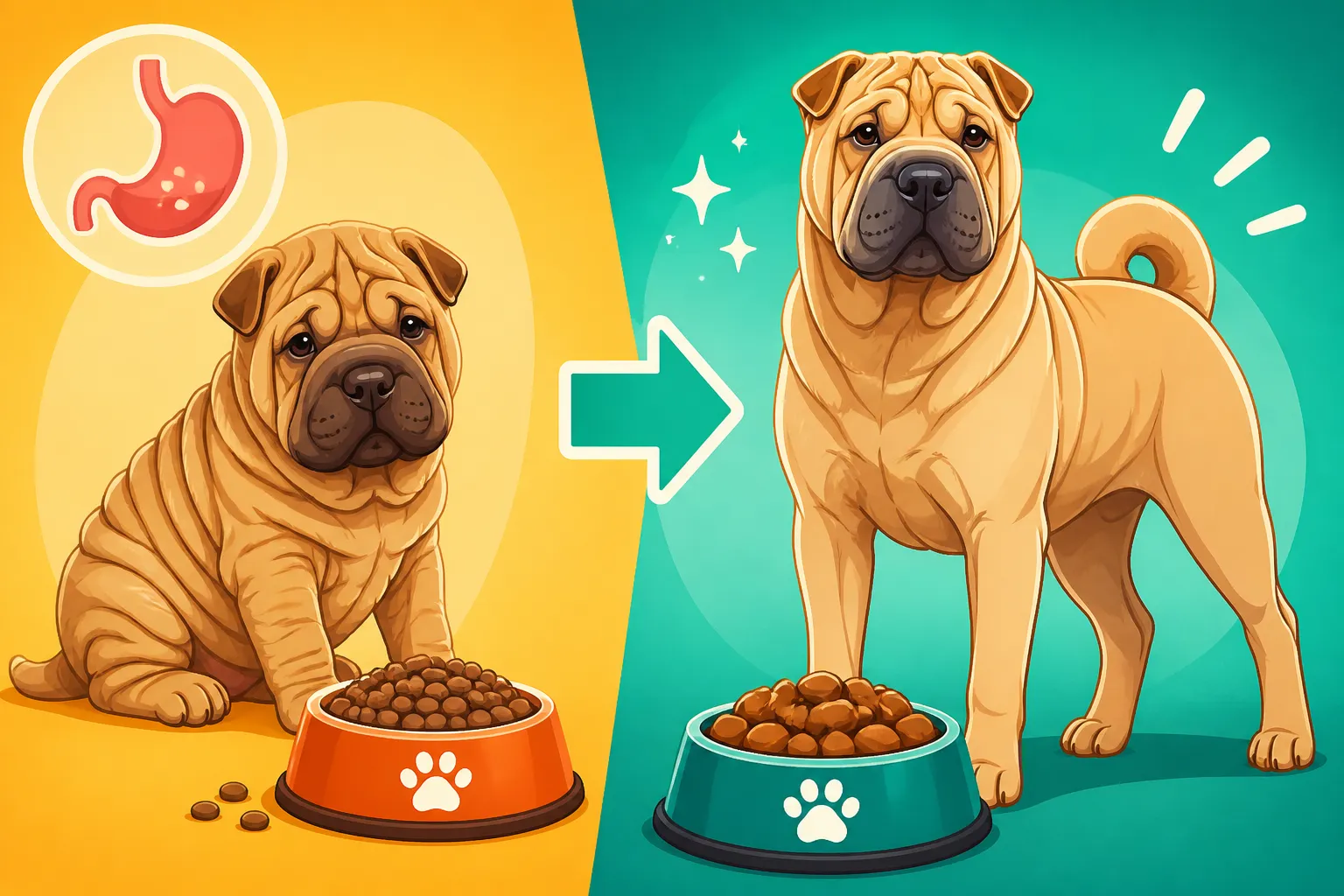
As your Shar Pei puppy moves past that initial explosive growth phase, usually sometime between 6 and 12 months, you'll start to notice a shift. They won't be gaining weight or height quite as dramatically. Their limbs will look more proportional, and their head might even start to fill out a bit more. This period signifies that they are approaching physical maturity, even if their minds are still very much in puppy mode! It's a time when their metabolism begins to slow down, and their energy requirements aren't quite as demanding as they once were.
Continuing to feed a maturing Shar Pei puppy food that's designed for rapid growth can quickly lead to a common problem: unwanted weight gain. All those extra calories and nutrients, which were once essential, now have nowhere to go but onto their frame as fat. An overweight Shar Pei is at higher risk for joint problems, breathing difficulties due to their unique muzzle structure, and can exacerbate other health issues. It's a tricky balance, but recognizing these subtle signs of slowing growth is your cue to start thinking about the transition. You can usually tell when The Age a Shar Pei Reaches Full Weight and is ready for a change.
The Ideal Timeline for Transitioning to Adult Food
Knowing when to make the switch can feel like a guessing game. There's no single "magic date" that applies to every dog, but understanding the general guidelines and then tailoring them to your individual Shar Pei is key.
General Guidelines vs. Breed-Specific Considerations
For many dog breeds, the recommendation for switching to adult food hovers around 12 months of age. This is often when their growth plates have closed, and they’ve largely reached their adult size. However, the Shar Pei, while a medium-sized breed, often falls within this general timeframe. Some larger breeds might take a bit longer, up to 18-24 months, while very small breeds might finish growing earlier, around 9-10 months. Your Shar Pei’s individual growth rate, genetics, and even their activity level will play a role in this decision.
It’s less about their actual birthday and more about their physical development. A Shar Pei that's particularly active and perhaps growing at a slower, more steady pace might benefit from puppy food for a few extra weeks, while a more sedentary or fast-growing pup might be ready a little earlier. This isn't a race; it's about making sure their body has had all the fuel it needs for healthy development without over-fueling them into an unhealthy weight. Always err on the side of caution and observe your specific dog rather than adhering strictly to a calendar date.
Observing Key Indicators for Readiness
Beyond just age, there are several concrete signs that your Shar Pei is ready for adult food. The most crucial physical indicator is that they've reached their adult height and length. While they might still fill out a little more with muscle, the rapid upward growth generally ceases. You should also be able to feel their ribs easily without seeing them, and their waist should be discernible when viewed from above. If they're starting to look a bit "chubby" on puppy food, that's a clear signal. For guidance, learn how to spot Signs a Shar Pei Is Overweight and what to do about it.
Another key sign is a leveling off of their energy. While Shar Pei are never going to be couch potatoes (unless they want to be!), that frantic, zoomie-filled puppy energy often mellows into a more consistent, perhaps slightly less intense, playfulness. If your vet confirms that their growth plates are closed and they're maintaining a healthy body condition on a reasonable amount of food, then it's definitely time to make the switch. Regular vet check-ups are your best friend during this period, as your vet can offer objective advice based on their physical examination. How Often a Shar Pei's Kidney Values Should Be Checked is a good question to bring up with your vet, not just for monitoring health but also for discussing overall diet.
Making the Switch: A Smooth Transition Plan
Once you've decided it's time to move your Shar Pei to adult food, the actual transition needs to be handled with care. A sudden change can easily upset their sensitive digestive system, leading to diarrhea, vomiting, or a general reluctance to eat.
The Gradual Blending Method
The golden rule for changing dog food is to do it gradually. This allows your Shar Pei's digestive system to adjust to the new ingredients and nutrient levels without shock. I recommend a transition period of at least 7 to 10 days, though some dogs, especially those with more sensitive stomachs, might benefit from an even longer, two-week approach. Here’s a typical schedule:
| Day | Old Food (Puppy) | New Food (Adult) | Notes |
|---|---|---|---|
| Day 1-2 | 75% | 25% | Start slowly, watch for any signs of stomach upset. |
| Day 3-4 | 50% | 50% | Equal parts, monitor stool consistency and appetite. |
| Day 5-6 | 25% | 75% | Mostly new food, system should be adapting well by now. |
| Day 7+ | 0% | 100% | Full transition. Continue monitoring for a few more days. |
During this process, keep a close eye on their stool. Any sudden looseness or vomiting means you should slow down the transition, perhaps staying at a particular ratio for a few extra days until things normalize. Shar Pei can be prone to various sensitivities, so a gentle approach is always best. A consistent routine and patience will help make this a stress-free experience for your furry friend.
Choosing the Right Adult Food for Your Shar Pei
Selecting the right adult food for your Shar Pei is about more than just picking a pretty bag off the shelf. Given their unique health predispositions, you want a high-quality food that supports their overall health. Look for a food where a named meat source (like "chicken meal" or "lamb") is the first ingredient. Avoid generic "meat by-products" or excessive fillers like corn and soy, which can sometimes be culprits in sensitivities. A moderate protein level, appropriate for an adult dog, and healthy fats (like omega-3s from fish oil) are excellent for their skin and coat, which are areas Shar Pei often need extra support with. In fact, What a Shar Pei's Skin Tells You Before Its Behavior Does can be an early indicator of diet-related issues.
Many premium pet food brands offer excellent adult formulas, and you can find a huge variety on platforms like Chewy or Amazon. Some owners even opt for fresh, human-grade options like Ollie, which can be tailored to specific needs and delivered right to your door. If your Shar Pei has known sensitivities or a history of Food Allergies in a Shar Pei, you might need to explore limited ingredient diets or novel protein sources, which are often discussed with your veterinarian. Always check the nutrient analysis to ensure it's a complete and balanced diet for adult maintenance, as certified by AAFCO in the United States. Don't be swayed by marketing jargon; focus on wholesome ingredients and a reputable manufacturer.
Monitoring Your Shar Pei Post-Transition
After the transition is complete and your Shar Pei is fully on their new adult food, your job isn't over. Ongoing monitoring is crucial to ensure this new diet is truly meeting their needs. The first thing to watch is their body condition. Are they maintaining a healthy weight? You should still be able to feel their ribs without pressing hard, and they should have a visible waist. If they're gaining too much weight, you might need to slightly reduce their portion size or increase their exercise. Conversely, if they're losing weight or seem too thin, you may need to increase their portions. How to Feel a Shar Pei's Ribs Through Its Folds is a skill every Shar Pei owner should master, given their unique build.
Beyond weight, observe their energy levels. Are they still playful and active? Pay attention to their coat quality – it should be shiny and healthy, not dull or flaky. And, of course, keep an eye on their stool consistency. It should be well-formed and consistent. Any persistent issues like loose stools, excessive gas, or itching could indicate that the food isn't agreeing with them, and it might be time to discuss alternatives with your vet. Remember, a Shar Pei's well-being is heavily tied to their diet, and sometimes a slight tweak can make all the difference. How Much an Adult Shar Pei Eats will likely be different from their puppy portions, so adjust accordingly.
Common Pitfalls and Troubleshooting
Even with the best intentions, switching your Shar Pei's food can come with a few bumps in the road. Knowing what common issues might arise and how to address them can save you a lot of worry and vet visits.
Dealing with Picky Eaters
Shar Pei can, at times, be a bit particular about their food. If your pup seems reluctant to eat the new adult food, don't panic immediately. First, ensure you're making the transition gradually, as a sudden change can put them off. Sometimes, simply mixing in a little warm water to create a gravy, or adding a small dollop of plain canned pumpkin (not pie filling!) or a bit of low-sodium broth, can make the new food more appealing. Just be mindful of extra calories from additions.
It's also important not to inadvertently reinforce picky eating by constantly offering new, tastier options every time they turn up their nose. If they skip a meal, don't immediately offer them something else. Pick up the uneaten food after 15-20 minutes and offer it again at their next scheduled mealtime. Most healthy dogs won't starve themselves, and this teaches them that they need to eat what's offered. However, if your Shar Pei goes more than 24 hours without eating, or shows any signs of illness, a vet visit is absolutely in order to rule out underlying health problems.
Avoiding Weight Gain or Loss
One of the biggest concerns during and after a food transition is managing your Shar Pei's weight. As mentioned, continuing puppy food for too long or overfeeding adult food can lead to obesity. Conversely, if the new adult food isn't calorically dense enough, or if your Shar Pei is particularly active, they might start to lose weight. The best way to combat this is through consistent monitoring of their body condition. Regularly use your hands to feel along their ribs, spine, and waist. You should be able to feel the ribs distinctly without them being prominent, and their waist should gently tuck in.
Always measure their food precisely. Don't eyeball it; use a standard measuring cup. If you notice unwanted weight gain, try reducing their portion by 10-15% for a week or two and re-evaluate. If they're losing weight, increase it by a similar amount. Remember that treats also contribute to their daily calorie intake, so factor those in. Your veterinarian can help you determine an ideal weight range and provide a specific calorie target for your Shar Pei. You may find that Whether a Shar Pei Needs a Limited Ingredient Food could also impact weight, as some highly palatable foods can encourage overeating.
When to Re-evaluate Food Choices
Sometimes, despite your best efforts, a particular adult food just doesn't work for your Shar Pei. There are clear signs that it might be time to re-evaluate your choice. Persistent digestive issues like chronic diarrhea, frequent vomiting, or excessive gas are major red flags. Skin problems, such as incessant itching, flaky skin, recurrent ear infections, or hot spots, can also be dietary in origin. Given that Shar Pei are prone to various skin conditions, it's crucial to be vigilant. What a Shar Pei's Skin Tells You Before Its Behavior Does is often the first indicator something is amiss internally.
Other signs might include a dull coat, low energy levels (unrelated to age or exercise), or a sudden change in temperament. If you suspect the food is the problem, consult your veterinarian. They can help you systematically eliminate potential culprits, suggest diagnostic tests for allergies, or recommend specific therapeutic diets. Sometimes a switch to a different protein source, a grain-free option, or even a hydrolyzed protein diet may be necessary. It can be a process of trial and error, but finding the right food is worth it for your Shar Pei's long-term health and comfort. As they age, their needs might shift again, so be prepared to consider Caring for a Shar Pei Past Seven with an eye on their nutrition as well.
Disclaimer
This article is for general informational purposes only and does not constitute professional advice. Laws, prices and regulations vary by location and change over time. Consult a qualified professional for guidance on your specific situation.